
The world of visual branding is a tapestry woven from countless elements – colors, typography, imagery, and patterns. Among these, few possess the enduring charm, rich history, and versatile application of the paisley pattern. More than just a decorative motif, paisley is a cultural phenomenon that has transcended geographical boundaries and temporal shifts, consistently re-emerging in fashion, art, and crucially, brand identity. For marketing professionals, designers, and brand strategists, understanding the essence of paisley—its origins, characteristics, and psychological impact—offers a powerful tool for crafting compelling and distinctive brand narratives. This article delves into the intricate world of paisley, exploring its journey from ancient Persia to modern branding, and illustrating how this iconic pattern continues to shape corporate identity and consumer perception.
The Enduring Legacy of the Paisley Motif
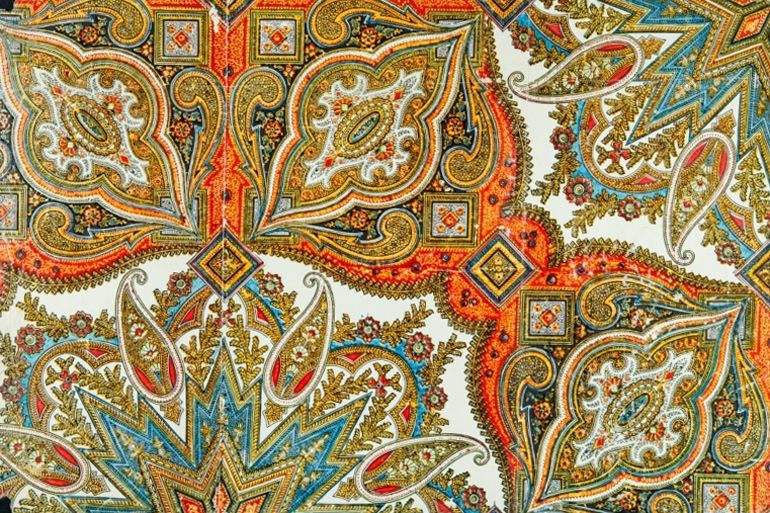
At its heart, the paisley pattern is distinguished by its signature curvilinear teardrop shape, often adorned with intricate internal designs. This distinctive form, known as “boteh” or “buta,” carries a legacy stretching back millennia, deeply embedded in the cultural fabric of numerous civilizations before finding its prominent place in Western design.
A Journey Through Time and Culture
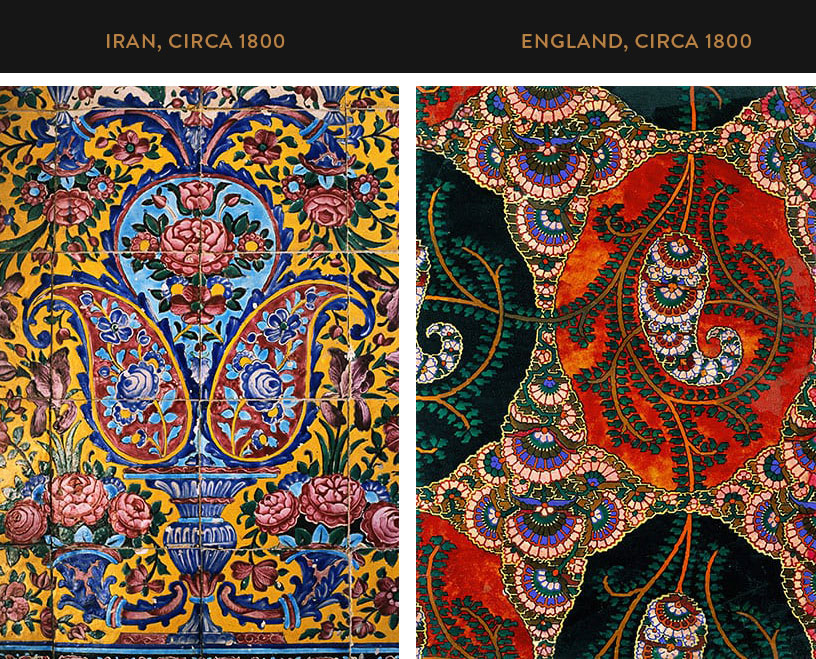
The true origins of the paisley pattern trace back to ancient Persia (modern-day Iran) and the Indian subcontinent, where variations of the motif have appeared for thousands of years. Early forms of the boteh can be found in Sassanid Persian art and textiles, symbolizing a cypress tree, a flame, or a blossoming plant. These initial interpretations often carried rich symbolic meanings, representing fertility, life, eternal spirit, or even a protective talisman. From Persia, the pattern migrated eastward, flourishing in India, where it became a staple in traditional Kashmiri shawls and textiles, particularly during the Mughal Empire. It was these exquisite Kashmiri shawls, imported by the British East India Company in the 17th and 18th centuries, that introduced paisley to Europe.
The pattern gained immense popularity among the European aristocracy, leading to a surge in demand that local weavers struggled to meet. This commercial opportunity spurred textile manufacturers across Europe to replicate the designs. The Scottish town of Paisley, renowned for its weaving industry, became the epicentre of this production, eventually lending its name to the pattern we recognize today. From the 19th century onwards, the “Paisley pattern” became synonymous with intricate, exotic textiles, embodying a sense of luxury, craftsmanship, and a touch of the oriental mystique.
Defining Characteristics of the Paisley Aesthetic
The paisley pattern is not monolithic; it encompasses a wide range of interpretations, yet certain defining characteristics remain consistent. The fundamental element is the boteh, a droplet-like shape with a curved upper end, often described as a twisted teardrop, kidney bean, or cashew nut. Within this primary shape, and often around it, a myriad of complex secondary motifs blossom: swirling tendrils, delicate floral designs, fine latticework, and minute geometric patterns.
Color palettes for paisley are equally diverse, ranging from the vibrant, jewel-toned hues characteristic of Indian textiles to the more subdued, earthy tones found in some traditional Scottish weaves. Modern interpretations might adopt monochromatic schemes, bold contrasting colors, or even pastel washes. The pattern’s inherent complexity and fluid lines create a sense of movement and organic growth, making it visually engaging and endlessly fascinating. It’s this combination of recognizable form and infinite variation that gives paisley its enduring appeal and makes it a powerful asset in design, particularly within branding.
Paisley in the Modern Brand Landscape
In today’s competitive marketplace, brands constantly seek ways to differentiate themselves and communicate their unique value proposition. The paisley pattern, with its deep historical roots and distinctive visual appeal, offers a unique opportunity for brands to forge a memorable and meaningful identity.
Symbolism and Brand Messaging
The rich history of the paisley pattern imbues it with a diverse range of symbolic associations that brands can strategically leverage. For some, paisley evokes a sense of heritage, tradition, and timeless elegance, making it ideal for luxury brands, high-end fashion houses, or products that emphasize craftsmanship and legacy. Its historical connection to royalty and exotic lands can project an image of opulence and exclusivity.
Conversely, paisley also carries strong connotations of bohemianism, counter-culture, and artistic freedom, especially due to its resurgence in the 1960s and 70s. This association makes it suitable for lifestyle brands, music labels, or products aimed at younger, more unconventional demographics seeking to express individuality and a break from the mainstream. The pattern can convey a free-spirited, creative, or even rebellious edge. By carefully selecting the style, color, and context of the paisley, brands can precisely tailor their messaging to evoke sophistication, adventure, mystique, or vibrant creativity.
Visual Identity and Brand Recognition
A brand’s visual identity is its most immediate point of contact with consumers. Incorporating paisley into this identity can significantly enhance brand recognition and memorability. Whether integrated into a logo, used as a background texture, or applied to product packaging, the pattern provides a unique visual signature that stands out.
Consider a brand that produces organic, ethically sourced textiles. A subtly integrated paisley motif on its tags or website could instantly communicate a connection to natural forms, artisan quality, and a touch of global heritage. For a luxury perfume brand, an embossed paisley pattern on the bottle or box can elevate the perception of the product, conveying intricate detail, timeless elegance, and a sophisticated allure that aligns with its high-end positioning. The pattern’s complexity demands attention, making a brand’s visual assets more engaging and less forgettable in a crowded market.
Strategic Integration in Marketing Campaigns
Beyond static visual identity, paisley can be dynamically integrated into marketing campaigns to create a cohesive and evocative brand experience. In digital advertising, animated paisley patterns can add a dynamic, mesmerizing quality that captures attention and enhances engagement. For print campaigns, the pattern can be used as a striking backdrop or a subtle accent that frames key messages, adding depth and visual interest.
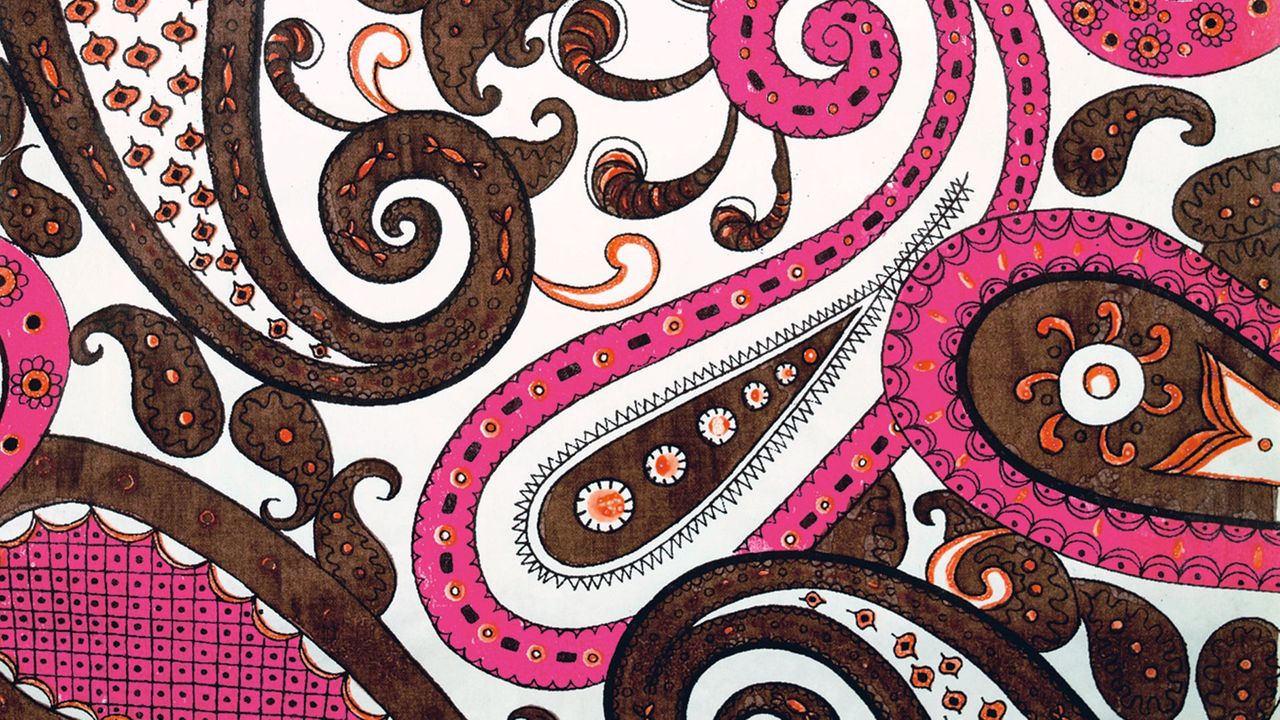
Fashion brands might feature models adorned in paisley prints across their campaigns, creating a strong seasonal statement or reinforcing a specific collection’s theme. Lifestyle brands could use paisley elements in their social media feeds, website design, and in-store displays to cultivate a consistent bohemian or eclectic aesthetic. By extending the pattern across multiple touchpoints – from product packaging to promotional materials, from website banners to physical store environments – brands can build a holistic and immersive identity that resonates deeply with their target audience.
Design Principles and the Paisley Aesthetic
The enduring success of the paisley pattern in design and branding is not merely due to its historical appeal but also its adherence to fundamental design principles that ensure its versatility and aesthetic power.
Intricacy, Complexity, and Perceived Value
One of paisley’s most striking features is its intricate detail. The multitude of swirling lines, delicate motifs, and layered forms creates a rich visual texture that speaks of craftsmanship and attention to detail. In branding, this intricacy can be a powerful tool for conveying perceived value and quality. Brands that incorporate complex paisley designs often signal a commitment to luxury, bespoke items, or artisanal production. The visual ‘busyness’ of the pattern, when managed skillfully, suggests a product or service that is not mass-produced, but rather carefully curated and refined. This association with high craftsmanship can elevate a brand’s perceived status and justify a premium price point, especially in sectors like fashion, home decor, or premium packaging.
Versatility and Adaptability Across Mediums
Despite its detailed nature, the paisley pattern is remarkably versatile and adaptable. It can be scaled up or down without losing its characteristic charm, making it suitable for a wide range of applications – from a minute detail on a button to a large-scale mural. Its fluid, organic forms can be rendered in countless ways: bold and graphic, subtle and understated, or vibrant and kaleidoscopic.
This adaptability extends to various mediums. Paisley can be woven into fabrics, printed on paper, embossed on leather, etched into glass, or even rendered digitally for web interfaces and animations. Designers can abstract the pattern, using only elements of the boteh or its swirling lines to create a modern, minimalist interpretation, or they can embrace its full traditional complexity. This inherent flexibility allows brands to incorporate paisley in ways that align perfectly with their specific aesthetic and functional requirements, ensuring consistency across diverse brand touchpoints.
Balancing Heritage with Modernity
A key challenge for many brands is how to honor heritage while remaining relevant in a contemporary market. The paisley pattern offers an excellent solution to this dilemma. Its historical weight provides a sense of established tradition and authenticity, while its inherent adaptability allows for modern reinterpretations.
Contemporary designers often take paisley and infuse it with modern sensibilities. This might involve using unconventional color combinations, simplifying the internal motifs, or abstracting the boteh shape into a more geometric form. For instance, a tech brand might use a pixelated or neon-colored paisley to symbolize creativity and innovation, while still subtly referencing artistic heritage. A luxury brand might use a monochromatic, subtly textured paisley to convey understated elegance. By thoughtfully recontextualizing paisley, brands can create designs that feel both deeply rooted in history and cutting-edge, appealing to consumers who value both tradition and forward-thinking aesthetics.
Leveraging Paisley for Distinctive Corporate Identity
The strategic application of the paisley pattern can be a cornerstone in building a distinctive and memorable corporate identity, setting a brand apart in a crowded marketplace.
Crafting Unique Brand Narratives
Every successful brand tells a story, and paisley can provide a rich visual lexicon for crafting unique narratives. Its history of global travel, artistic evolution, and cultural symbolism can be woven into a brand’s backstory, adding layers of depth and intrigue. A brand specializing in artisanal products might emphasize the handmade quality reflected in the pattern’s intricate details, linking its production process to the meticulous craftsmanship of ancient weavers. A travel-focused brand could leverage paisley to evoke exotic destinations and the spirit of adventure. By associating the brand with the pattern’s narrative, companies can forge an emotional connection with consumers, making their brand more relatable and resonant.
Differentiation in a Crowded Market
In an era of visual saturation, standing out is paramount. While many brands lean on minimalist design or generic imagery, the distinctive nature of the paisley pattern offers a powerful tool for differentiation. A well-chosen and thoughtfully applied paisley motif can become a brand’s signature, instantly recognizable and uniquely theirs. Instead of blending in, a brand can use paisley to assert its individuality, signaling a commitment to rich aesthetics and a discerning taste. This distinctiveness is not just about aesthetics; it’s a strategic move that helps a brand carve out a unique niche, making it harder for competitors to replicate its visual identity and perceived values.
Future Trends: Reimagining Paisley for Digital and Physical Spaces
As technology evolves, so do the opportunities for integrating traditional patterns like paisley into new brand experiences. In the digital realm, generative AI tools could create infinite variations of paisley, allowing for dynamic, personalized branding experiences. Augmented reality (AR) and virtual reality (VR) offer possibilities for immersive brand environments where paisley patterns could animate and interact with users, transforming static design into interactive art.
Physically, sustainable manufacturing techniques could see paisley patterns integrated into eco-friendly materials, aligning the pattern’s timelessness with modern environmental values. The pattern can be projected onto buildings for ephemeral marketing stunts, etched into smart devices, or even form the basis of unique architectural elements within flagship stores. The future of paisley in branding is not merely about replication; it’s about innovative reinterpretation that maintains its historical resonance while embracing the cutting edge of design and technology, continuing its journey as an indispensable element of compelling corporate identity.
In conclusion, the paisley pattern is far more than a decorative motif; it is a powerful design tool with a storied past and an undeniable future in the realm of branding. Its unique blend of historical depth, intricate beauty, and remarkable versatility allows brands to communicate a spectrum of values – from luxurious heritage to bohemian freedom. By understanding and strategically leveraging the aesthetic and symbolic power of paisley, brands can create distinctive visual identities, craft compelling narratives, and ultimately, forge deeper, more memorable connections with their audiences in an ever-evolving global marketplace.
aViewFromTheCave is a participant in the Amazon Services LLC Associates Program, an affiliate advertising program designed to provide a means for sites to earn advertising fees by advertising and linking to Amazon.com. Amazon, the Amazon logo, AmazonSupply, and the AmazonSupply logo are trademarks of Amazon.com, Inc. or its affiliates. As an Amazon Associate we earn affiliate commissions from qualifying purchases.