
Ozempic, a medication that has rapidly gained prominence, often sparks conversations that extend far beyond its initial medical applications. While its effectiveness in managing type 2 diabetes is well-established, public discourse frequently gravitates towards its off-label use for weight loss. This widespread attention necessitates a clear understanding of Ozempic’s primary prescribed purpose and the underlying mechanisms that contribute to its multifaceted impact.
This article will delve into the core reasons for which Ozempic is prescribed, examining its scientific basis and the medical conditions it is designed to treat. We will explore the technology behind its development, the strategic branding that has propelled its recognition, and the financial implications associated with its accessibility and market presence. By dissecting these aspects, we aim to provide a comprehensive overview of Ozempic, moving beyond the headlines to illuminate its true therapeutic value and broader societal context.
Understanding the Primary Therapeutic Applications of Ozempic
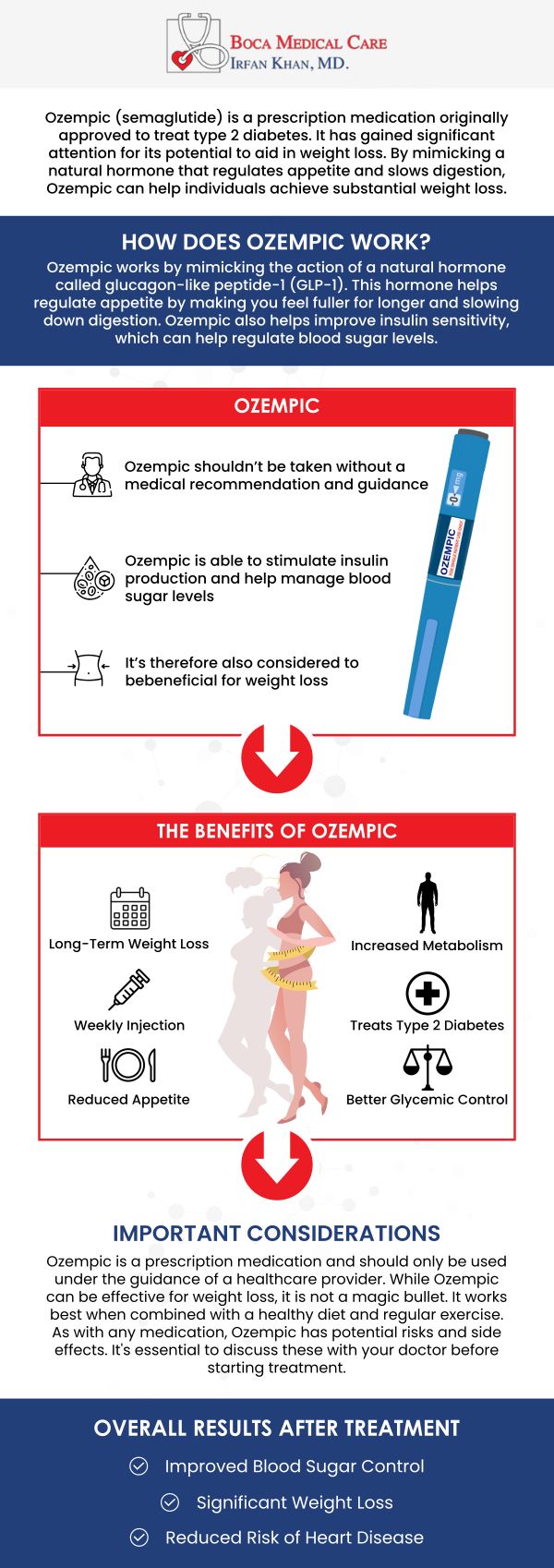
At its heart, Ozempic is a prescription medication primarily indicated for individuals diagnosed with type 2 diabetes mellitus. Its active ingredient, semaglutide, belongs to a class of drugs known as glucagon-like peptide-1 (GLP-1) receptor agonists. This classification is crucial to understanding how Ozempic functions and why it is so effective in managing this chronic condition.
The Science Behind GLP-1 Agonists: A Technological Breakthrough in Diabetes Management
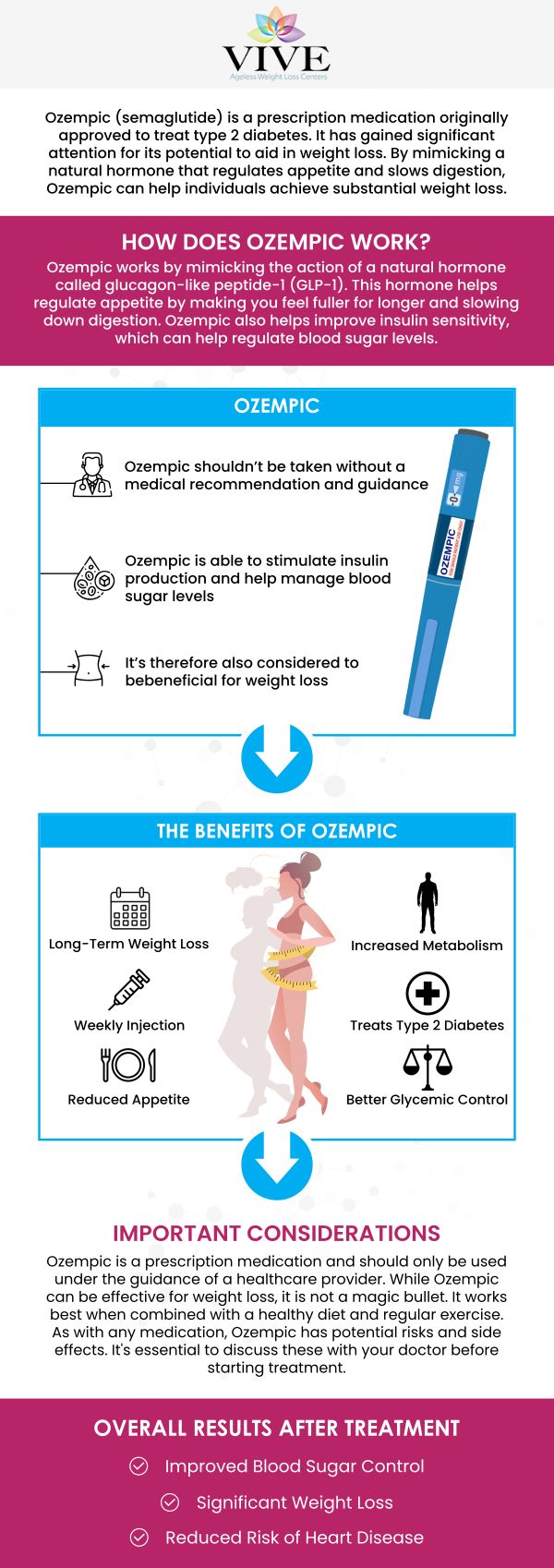
The development of GLP-1 receptor agonists represents a significant technological advancement in the field of endocrinology. These medications are engineered to mimic the action of a natural hormone, GLP-1, which is produced in the intestines in response to food intake. GLP-1 plays a vital role in regulating blood glucose levels through several key mechanisms:
-
Stimulating Insulin Secretion: When blood glucose levels rise, GLP-1 signals the pancreas to release more insulin. Insulin is a hormone that helps cells absorb glucose from the bloodstream, thereby lowering blood sugar. Ozempic, by activating GLP-1 receptors, enhances this natural insulin response, leading to improved glycemic control. This targeted action is a testament to sophisticated pharmacological design, a direct outcome of advancements in pharmaceutical technology.
-
Suppressing Glucagon Release: Glucagon is another hormone produced by the pancreas that has the opposite effect of insulin – it raises blood glucose levels by prompting the liver to release stored glucose. GLP-1 agonists, including Ozempic, inhibit the release of glucagon, particularly when blood glucose levels are already high. This dual action of increasing insulin and decreasing glucagon provides a powerful mechanism for preventing hyperglycemia (high blood sugar).
-
Slowing Gastric Emptying: Ozempic also influences the rate at which food leaves the stomach. By slowing down gastric emptying, it leads to a more gradual absorption of carbohydrates from the digestive tract. This effect contributes to a blunted post-meal rise in blood glucose, making it easier for individuals with type 2 diabetes to maintain stable blood sugar levels throughout the day. This is a carefully calibrated effect, achieved through precise molecular engineering, showcasing the intricate technological capabilities within drug development.
-
Promoting Satiety: A significant byproduct of slowed gastric emptying and the direct action on the brain’s appetite centers is an increased feeling of fullness, or satiety. This can lead to a reduction in overall food intake, which is a beneficial side effect for individuals managing type 2 diabetes, as weight management is often a crucial component of their treatment plan. This aspect of Ozempic’s action is particularly relevant to its off-label use.
Beyond Blood Sugar: Cardiovascular Benefits of Ozempic
While the primary indication for Ozempic is type 2 diabetes, clinical trials have also demonstrated significant cardiovascular benefits associated with its use. This has led to an expanded indication for Ozempic, making it a valuable therapeutic option for individuals with type 2 diabetes who also have established cardiovascular disease or are at high risk for it.
The GLP-1 receptor agonists, including Ozempic, have been shown to reduce the risk of major adverse cardiovascular events such as heart attack, stroke, and cardiovascular death. The exact mechanisms behind these cardiovascular benefits are still under investigation, but they are believed to involve a combination of factors, including:
- Improved Blood Pressure: GLP-1 receptor agonists have been observed to modestly lower blood pressure.
- Positive Effects on Lipid Profiles: Some studies suggest that these medications can improve cholesterol levels.
- Reduced Inflammation: There is evidence pointing to anti-inflammatory effects that may contribute to cardiovascular protection.
- Weight Loss: As mentioned earlier, Ozempic can lead to weight loss, which in itself is a significant factor in reducing cardiovascular risk.
These documented cardiovascular benefits underscore the importance of Ozempic as a comprehensive treatment for individuals with type 2 diabetes, highlighting the successful application of scientific research and technological innovation to address complex health challenges.
The Brand and Market Presence of Ozempic
The rapid rise in public awareness and demand for Ozempic is not solely attributable to its therapeutic efficacy. A well-executed brand strategy has played a pivotal role in its market penetration and perception. Pharmaceutical companies invest heavily in branding to communicate the value and benefits of their products to both healthcare professionals and the public.
Crafting a Narrative: Marketing and Reputation Management
The marketing of Ozempic has been carefully crafted to emphasize its efficacy in managing type 2 diabetes while subtly alluding to its weight management benefits. This has been achieved through various channels, including:
- Clinical Trial Data Dissemination: Rigorous clinical trials provide the foundational evidence for a drug’s effectiveness. The presentation and publication of this data, often in peer-reviewed journals and at medical conferences, are crucial for building credibility among physicians.
- Physician Education: Pharmaceutical companies actively engage in educating healthcare providers about new medications, their mechanisms of action, indications, and potential side effects. This includes providing educational materials, sponsoring symposia, and employing medical science liaisons.
- Direct-to-Consumer Advertising (DTCA): In certain regions, DTCA campaigns have been instrumental in raising public awareness. These campaigns often focus on the positive outcomes of using the medication, such as improved control of a chronic condition. The visual representation and messaging in these advertisements contribute significantly to brand recognition and consumer interest.
- Social Media and Influencer Marketing: The rise of social media has created new avenues for brand promotion. While directly advertising prescription drugs on social media is subject to strict regulations, indirect mentions, patient testimonials, and discussions by health influencers can significantly shape public perception and drive demand. This also presents challenges for reputation management, as a powerful online conversation can quickly shift perceptions.
The branding of Ozempic has been particularly adept at navigating the sensitive area of weight management. While the drug is not officially approved for weight loss alone, the observed weight reduction in patients with type 2 diabetes has fueled a significant demand for its off-label use. This has created a complex reputational landscape for the brand, balancing its approved medical purpose with its popular perceived benefit.
The Competitive Landscape and Brand Differentiation
The market for diabetes medications is highly competitive. Ozempic’s success can be attributed, in part, to its differentiation within this crowded space. Factors contributing to its strong brand positioning include:
- Novel Mechanism of Action: As a GLP-1 receptor agonist, Ozempic offered a distinct therapeutic approach compared to older diabetes medications.
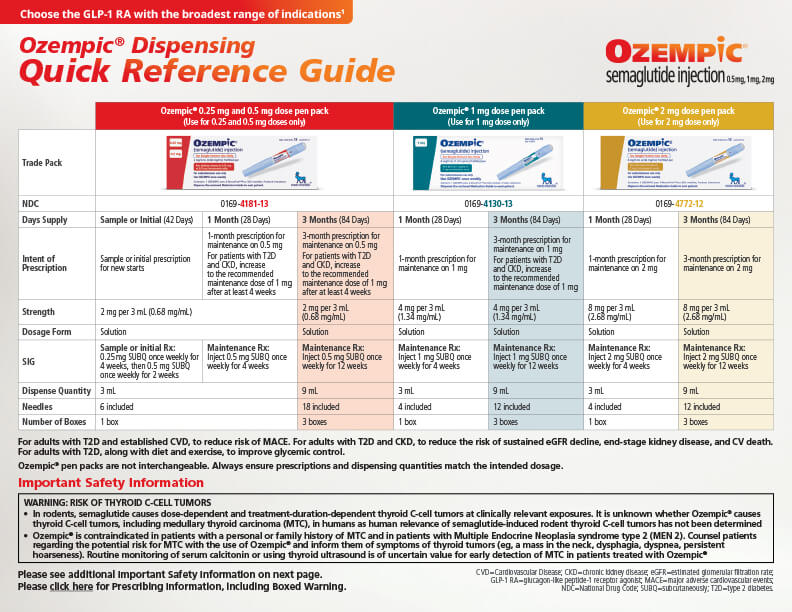
- Once-Weekly Dosing: The convenience of a once-weekly injection regimen is a significant advantage for many patients, improving adherence and reducing the burden of daily medication. This logistical aspect is a key part of its market appeal.
- Demonstrated Efficacy: Robust clinical data showcasing its ability to lower A1C levels and reduce cardiovascular risk has solidified its reputation as a highly effective treatment.
The brand has successfully positioned itself as a modern, innovative, and effective solution, contributing to its widespread adoption and, consequently, its significant market share.
Financial Implications and Accessibility of Ozempic
The widespread demand for Ozempic, particularly for its off-label use in weight loss, has brought significant financial implications to the forefront. The cost of prescription medications, especially novel therapies, can be a substantial barrier to access for many individuals.
The Cost of Innovation and Market Dynamics
Ozempic, like many advanced pharmaceutical products, carries a significant price tag. This cost is a reflection of the extensive research and development, clinical trials, manufacturing processes, and regulatory hurdles involved in bringing such a medication to market. The pharmaceutical industry operates within a complex financial ecosystem where profitability is essential for continued innovation and investment in new therapies.
The high cost of Ozempic has led to several financial considerations:
- Insurance Coverage and Reimbursement: For its approved indication of type 2 diabetes, insurance coverage varies widely. Patients and healthcare providers often navigate complex reimbursement policies, prior authorization requirements, and co-pays. For off-label uses, insurance coverage is typically non-existent, meaning patients bear the full cost.
- Market Demand and Supply Chain: The surge in demand, fueled by both approved and off-label uses, has put a strain on manufacturing and supply chains. This has, at times, led to shortages, further impacting accessibility and potentially driving up prices in unregulated markets.
- Economic Burden on Healthcare Systems: For individuals with type 2 diabetes, the long-term management of their condition is crucial. While Ozempic can lead to improved health outcomes and potentially reduce other healthcare costs associated with poorly controlled diabetes, its initial price point represents a significant expense for both individuals and healthcare systems.
The “Ozempic Economy” and Side Hustles
The intense public interest in Ozempic for weight loss has spawned what some refer to as the “Ozempic economy.” This term encompasses the various economic activities and opportunities that have arisen as a direct or indirect result of the drug’s popularity.
- The Rise of “Ozempic” as a Side Hustle: While not directly related to earning income from Ozempic itself, the drug’s perceived benefits have influenced certain consumer behaviors and marketing trends. For instance, the desire for rapid weight loss has fueled the popularity of fitness apps, diet plans, and wellness products that are often marketed in conjunction with or as alternatives to such medications. Individuals may find “side hustles” in areas that cater to this widespread desire for health and appearance optimization, indirectly benefiting from the broader conversation surrounding Ozempic.
- The Black Market and Counterfeit Drugs: Unfortunately, high demand and limited supply can also create opportunities for illicit markets. The prevalence of counterfeit Ozempic or the sale of the drug through unregulated channels poses significant health risks and represents an unfortunate financial consequence of its desirability.
Understanding the financial landscape of Ozempic is crucial for appreciating the broader societal implications of its accessibility. While it represents a technological triumph in treating a chronic disease, its economic impact is multifaceted, affecting individuals, healthcare systems, and market dynamics.
Conclusion: A Multifaceted Medication with Evolving Perceptions
Ozempic is a testament to modern pharmaceutical innovation, a GLP-1 receptor agonist that has revolutionized the management of type 2 diabetes. Its primary prescribed purpose is to improve glycemic control and reduce the risk of cardiovascular events in individuals with this chronic condition. The technology behind its development, involving the precise mimicry of natural hormones and sophisticated molecular design, has yielded significant therapeutic benefits.
However, the narrative surrounding Ozempic has evolved. Its prominent side effect of weight loss has propelled it into mainstream consciousness, leading to widespread off-label use and discussions that often overshadow its core medical indications. This shift in perception highlights the intricate interplay between medical necessity, public desire, and the powerful influence of branding and market dynamics.
The financial implications of Ozempic are considerable, from the cost of its development and manufacturing to its accessibility for patients. While it represents a valuable tool for managing type 2 diabetes, its high price point and the surge in demand for off-label use raise important questions about equity and affordability within healthcare systems.
As the conversation around Ozempic continues to evolve, it is essential to ground our understanding in its scientifically validated applications. While its role in weight management is a significant aspect of public discourse, its primary value lies in its proven ability to improve the lives of individuals living with type 2 diabetes, a testament to the power of targeted technological advancements in medicine.
aViewFromTheCave is a participant in the Amazon Services LLC Associates Program, an affiliate advertising program designed to provide a means for sites to earn advertising fees by advertising and linking to Amazon.com. Amazon, the Amazon logo, AmazonSupply, and the AmazonSupply logo are trademarks of Amazon.com, Inc. or its affiliates. As an Amazon Associate we earn affiliate commissions from qualifying purchases.