
Oxycodone is a potent opioid analgesic, meaning it’s a medication primarily used to relieve moderate to severe pain. It belongs to a class of drugs derived from the opium poppy, and its primary mechanism of action involves binding to opioid receptors in the brain and spinal cord. This binding alters the body’s perception of pain and can also induce feelings of euphoria. While undeniably effective for pain management, understanding its appropriate medical applications, potential risks, and the importance of responsible use is paramount. This article delves into the medical uses of oxycodone, its pharmacological profile, and the critical considerations surrounding its prescription and administration.
Understanding Oxycodone’s Role in Pain Management
Oxycodone’s efficacy in treating pain stems from its ability to interact with the central nervous system. It’s not a cure for underlying conditions but rather a tool to manage the symptom of pain, allowing patients to function and improve their quality of life. Its use is typically reserved for specific types of pain where other analgesics may be insufficient.
Acute Pain Management
One of the most common applications of oxycodone is in the management of acute pain. This type of pain is usually sudden in onset and temporary, often resulting from injury, surgery, or medical procedures. For instance, following surgical interventions like appendectomies, C-sections, or orthopedic procedures, patients often experience significant post-operative pain that requires strong analgesia. Oxycodone can be prescribed in immediate-release formulations to provide rapid relief, allowing patients to recover more comfortably and participate in essential physical therapy or rehabilitation.
The duration of oxycodone use for acute pain is generally short-term. The goal is to bridge the period of intense pain, gradually tapering off the medication as the underlying cause resolves or as the patient’s pain intensity decreases. It’s crucial that prescriptions for acute pain are closely monitored, and patients are educated on the risks of prolonged use, even in this context.
Chronic Pain Management
Oxycodone is also utilized in the management of chronic pain, which is defined as pain that persists for more than three to six months. This can encompass a wide range of conditions, including severe osteoarthritis, back pain, cancer-related pain, and neuropathic pain. In these cases, oxycodone is often prescribed in extended-release formulations, designed to provide a steady level of pain relief throughout the day and night. This sustained release mechanism aims to prevent the fluctuations in pain intensity that can occur with immediate-release medications and improve overall patient comfort and functionality.
The decision to prescribe oxycodone for chronic pain is a complex one, requiring a thorough evaluation of the patient’s medical history, the nature and severity of their pain, and the potential benefits versus risks. It is often part of a multimodal pain management strategy that may include other medications, physical therapy, and behavioral interventions. The long-term use of oxycodone for chronic pain necessitates ongoing monitoring for efficacy, side effects, and the development of tolerance or dependence.
Cancer-Related Pain
Cancer patients often experience severe pain due to the disease itself, its treatments (like chemotherapy or radiation), or surgical interventions. Oxycodone is frequently a cornerstone of pain management in oncology. Its potent analgesic properties can significantly improve the quality of life for individuals battling cancer, enabling them to engage in daily activities, spend time with loved ones, and achieve a greater sense of well-being despite their illness.
For cancer-related pain, oxycodone may be prescribed as needed for breakthrough pain (sudden, severe exacerbations of pain) in addition to a regular schedule for baseline pain control. The dosage and frequency are adjusted based on the patient’s individual response and pain levels. Oncologists and pain management specialists work closely with patients to ensure effective pain relief while minimizing side effects and managing potential risks associated with long-term opioid use in this vulnerable population.
The Pharmacological Profile of Oxycodone
Understanding how oxycodone works at a physiological level is essential to appreciating its therapeutic benefits and potential dangers. Its interaction with the body’s natural pain signaling pathways is key to its analgesic effects.
Mechanism of Action
Oxycodone exerts its pain-relieving effects by acting as an agonist at mu-opioid receptors, which are predominantly found in the brain, spinal cord, and gastrointestinal tract. When oxycodone binds to these receptors, it mimics the action of endogenous opioids (like endorphins), which are the body’s natural pain-relieving chemicals. This binding triggers a cascade of intracellular events that ultimately reduce the transmission of pain signals from the periphery to the brain.
In the brain, activation of mu-opioid receptors can also lead to the release of dopamine, a neurotransmitter associated with pleasure and reward. This can contribute to the euphoric effects of oxycodone, which also underlies its potential for misuse and addiction. Beyond pain modulation, opioid receptor activation can also lead to respiratory depression, constipation, and sedation, which are important side effects to consider.
Formulations and Administration
Oxycodone is available in various formulations to cater to different pain management needs. These include:

- Immediate-Release (IR) Formulations: These are typically in tablet or capsule form and are designed for rapid absorption, providing quick relief from acute pain. They are often prescribed for short-term use.
- Extended-Release (ER) Formulations: These formulations are designed to release oxycodone slowly over a prolonged period (e.g., 12 or 24 hours). They are used for managing chronic pain and require consistent dosing to maintain therapeutic levels. These formulations are generally not meant to be crushed or broken, as doing so can result in a dangerous, rapid release of the entire dose.
- Oral Solutions: Liquid formulations can be beneficial for patients who have difficulty swallowing pills, such as children or individuals with certain medical conditions.
- Combination Products: Oxycodone is sometimes combined with other non-opioid analgesics, such as acetaminophen or ibuprofen. These combination products can offer synergistic pain relief and may allow for lower doses of oxycodone, potentially reducing the risk of side effects.
The route of administration is typically oral, but in specific clinical settings, intravenous or intramuscular injections may be used for rapid pain control.
Considerations for Responsible Prescription and Use
The power of oxycodone to alleviate severe pain comes with significant responsibilities for both healthcare providers and patients. The opioid crisis has highlighted the critical need for careful prescribing practices, vigilant patient monitoring, and robust strategies to mitigate risks.
Risk Assessment and Patient Selection
Before prescribing oxycodone, healthcare providers must conduct a thorough risk assessment of the patient. This involves evaluating factors such as:
- History of substance abuse: Individuals with a history of addiction or substance abuse are at a higher risk of developing dependence and misusing opioid medications.
- Mental health conditions: Co-occurring mental health disorders, such as depression or anxiety, can increase the risk of opioid misuse and complicate pain management.
- Concurrent use of other sedating medications: Combining opioids with benzodiazepines, alcohol, or other central nervous system depressants can significantly increase the risk of respiratory depression and overdose.
- Age and comorbidities: Elderly patients and those with underlying organ dysfunction may be more susceptible to the adverse effects of opioids.
The “8 A’s” of opioid prescribing are often considered: Analgesia, Activity, Adverse effects, Affordability, Addiction, Area of pain, Assessment, and Agreement (with the patient). A comprehensive assessment of these factors guides the decision-making process.
Monitoring and Safety Precautions
Once oxycodone is prescribed, ongoing monitoring is crucial to ensure its effectiveness and safety. This includes:
- Regular follow-up appointments: Patients should have regular appointments with their prescribing physician to discuss their pain levels, functional status, and any side effects they are experiencing.
- Urine drug screening: In some cases, urine drug screening may be used to verify adherence to the prescription and detect the presence of illicit substances or non-prescribed opioids.
- Prescription drug monitoring programs (PDMPs): These state-run databases track controlled substance prescriptions, helping to identify patients who may be obtaining opioids from multiple prescribers or pharmacies, a potential indicator of misuse.
- Patient education: Patients must be thoroughly educated about the risks of oxycodone, including its potential for dependence and addiction, the importance of taking it exactly as prescribed, and the dangers of sharing their medication. They should also be instructed on proper storage and disposal of unused medication.
Potential for Misuse and Addiction
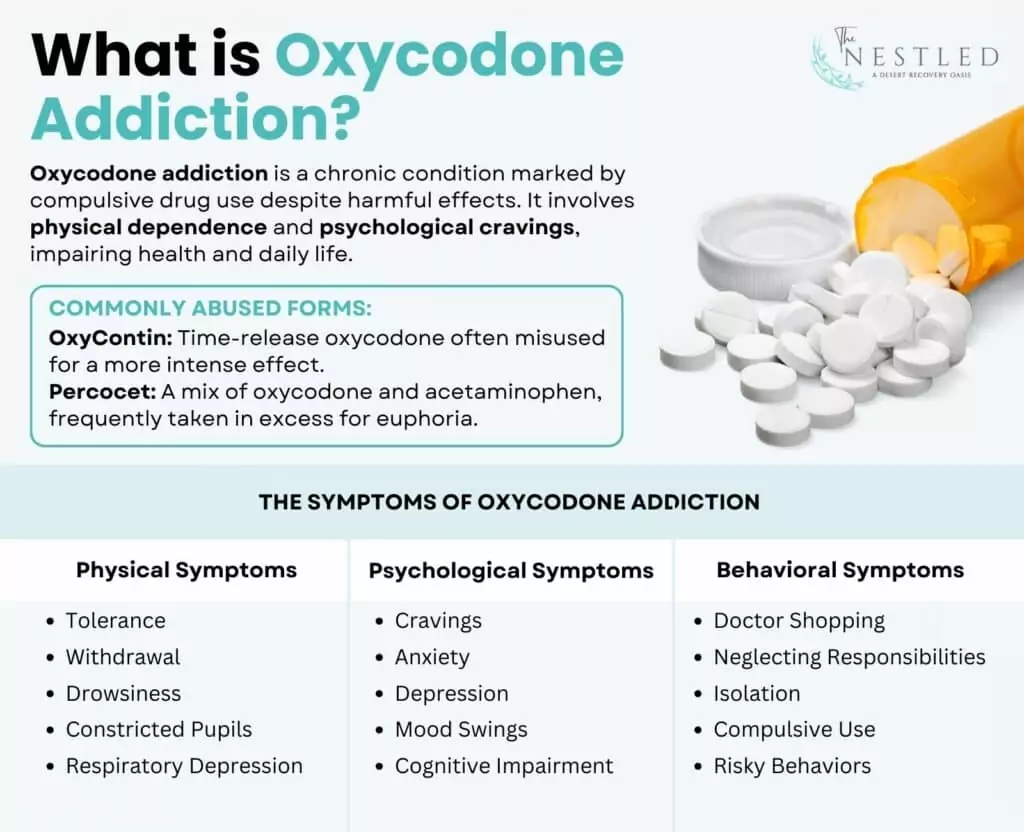
The euphoric effects associated with oxycodone, coupled with its potent analgesic properties, unfortunately, make it a target for misuse and addiction. Opioid Use Disorder (OUD) is a chronic, relapsing brain disease characterized by compulsive drug seeking and use, despite harmful consequences.
- Tolerance: With prolonged use, the body can develop tolerance to oxycodone, meaning higher doses are required to achieve the same level of pain relief.
- Physical Dependence: This occurs when the body becomes accustomed to the presence of the drug, leading to withdrawal symptoms if the medication is stopped abruptly. Physical dependence is not the same as addiction, but it can contribute to continued use to avoid withdrawal.
- Addiction: This is a more complex condition involving compulsive drug-seeking behavior, loss of control over drug use, and continued use despite negative consequences.
The Centers for Disease Control and Prevention (CDC) has issued guidelines for prescribing opioids for chronic pain to help reduce the risks associated with these medications. These guidelines emphasize starting with non-opioid therapies, using the lowest effective dose of opioids, and limiting the duration of opioid treatment.

Alternatives and Adjunct Therapies
Given the risks associated with oxycodone, exploring alternative pain management strategies and adjunct therapies is a critical aspect of comprehensive pain care. These may include:
- Non-opioid analgesics: Over-the-counter medications like acetaminophen and non-steroidal anti-inflammatory drugs (NSAIDs) can be effective for mild to moderate pain.
- Physical therapy and exercise: Specific exercises and therapeutic interventions can improve strength, flexibility, and function, thereby reducing pain.
- Cognitive Behavioral Therapy (CBT): This type of therapy helps patients develop coping mechanisms for managing pain and address the psychological aspects of chronic pain.
- Other medications: For certain types of pain, medications like anticonvulsants (e.g., gabapentin, pregabalin) or antidepressants may be effective.
- Interventional pain management: Procedures like nerve blocks or spinal cord stimulation can provide targeted pain relief for specific conditions.
The optimal approach to pain management often involves a combination of these strategies, tailored to the individual patient’s needs and circumstances.
In conclusion, oxycodone is a powerful medication with a vital role in managing moderate to severe acute and chronic pain, particularly when other treatments are insufficient. However, its potent nature necessitates a cautious and informed approach. Understanding its pharmacological properties, the specific medical conditions it treats, and the inherent risks of misuse and addiction is crucial for healthcare professionals and patients alike. Responsible prescribing, vigilant monitoring, comprehensive patient education, and the exploration of alternative and adjunct therapies are all essential components of ensuring that oxycodone is used safely and effectively, prioritizing patient well-being while mitigating the potential for harm.
aViewFromTheCave is a participant in the Amazon Services LLC Associates Program, an affiliate advertising program designed to provide a means for sites to earn advertising fees by advertising and linking to Amazon.com. Amazon, the Amazon logo, AmazonSupply, and the AmazonSupply logo are trademarks of Amazon.com, Inc. or its affiliates. As an Amazon Associate we earn affiliate commissions from qualifying purchases.