
In the modern marketplace of ideas and belief systems, the concept of “Oriental Orthodox” represents one of the most enduring and distinct brand identities in human history. To understand what Oriental Orthodox is, one must look beyond the theological underpinnings and examine it through the lens of a global brand—a complex, multi-national identity that has maintained a consistent narrative for over fifteen centuries. While often confused with Eastern Orthodoxy by the casual observer, the Oriental Orthodox communion possesses a unique value proposition, a specific visual identity, and a strategic positioning that distinguishes it within the global religious landscape.
The Essence of the Brand: Defining Oriental Orthodoxy in the Global Landscape
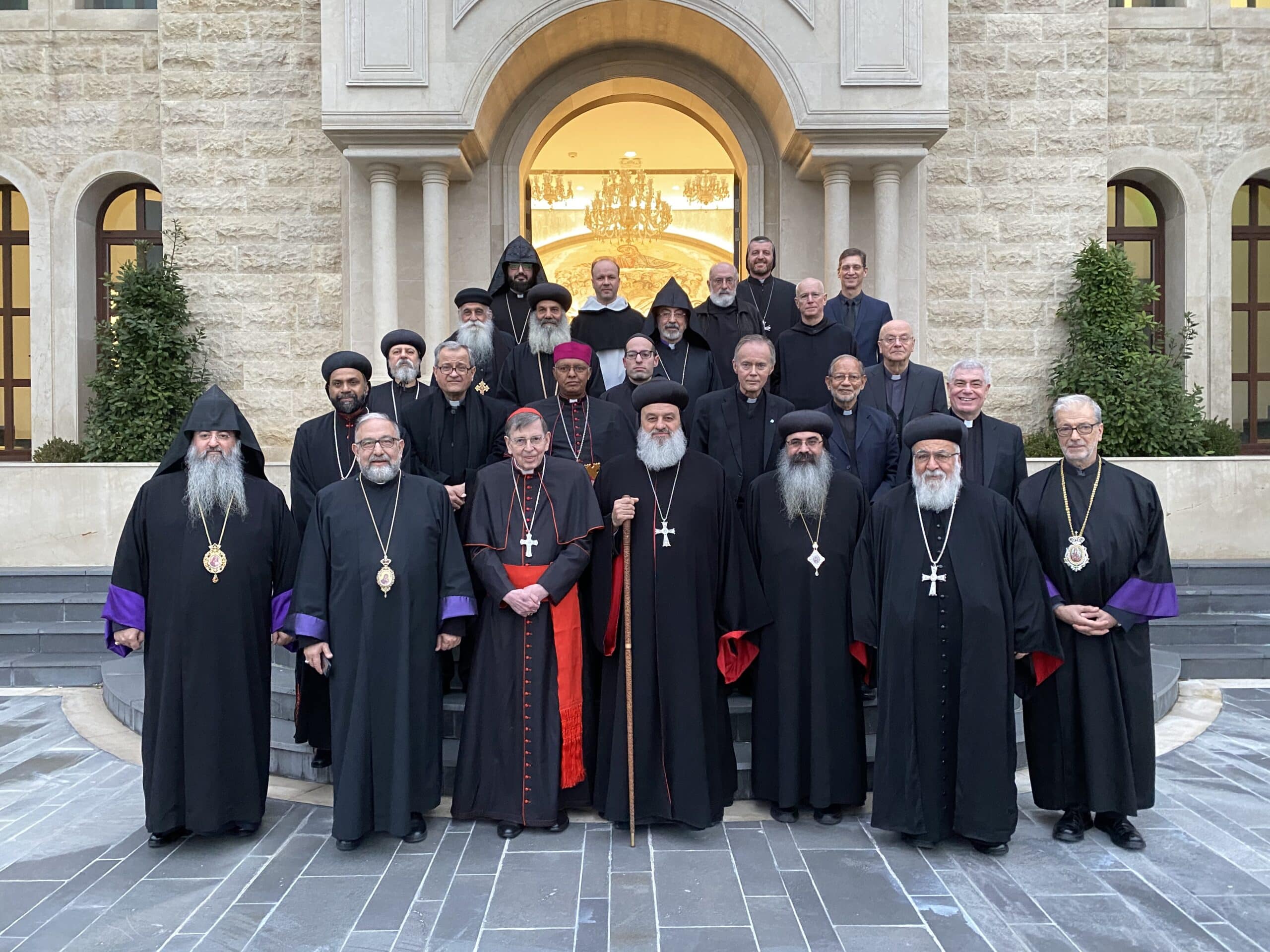
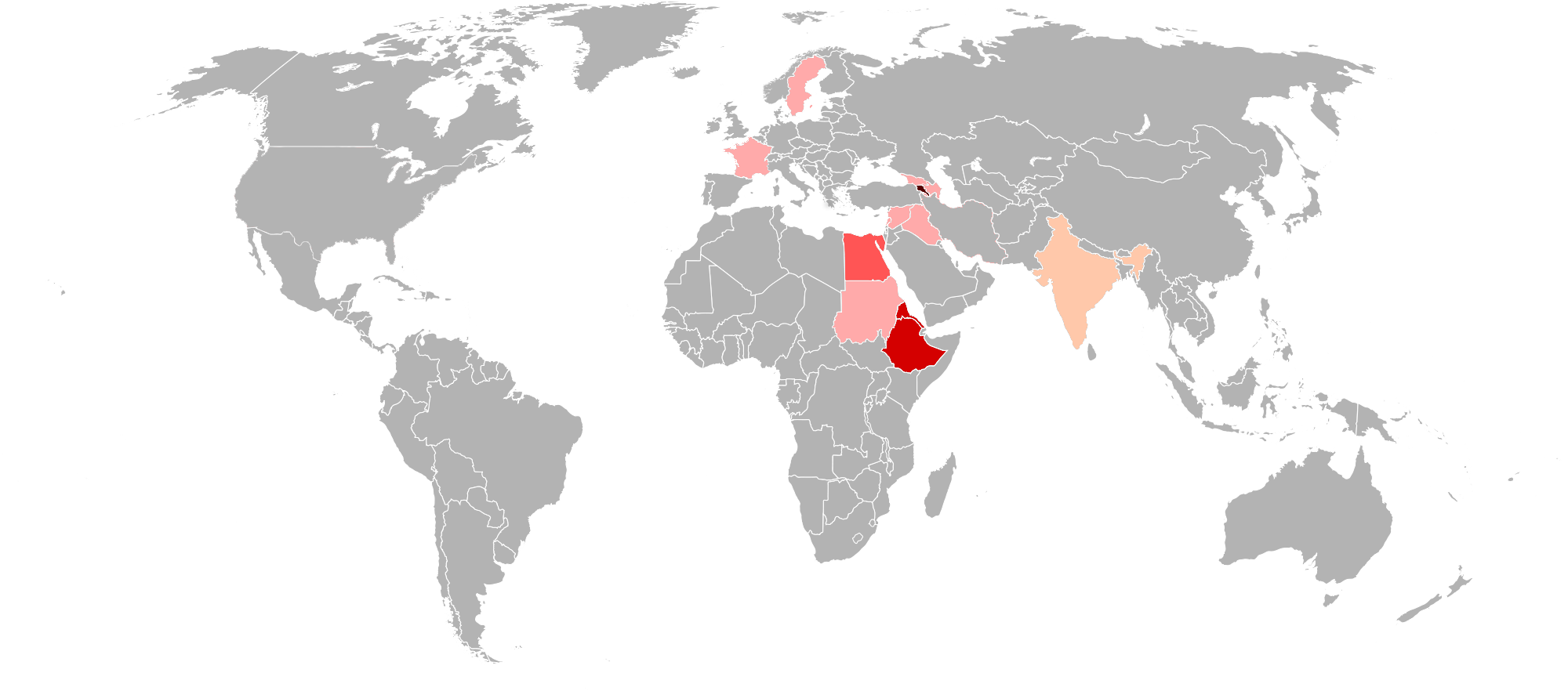
At its core, the Oriental Orthodox “brand” is defined by its commitment to a specific historical narrative and a refusal to conform to the shifts of the mainstream market of the fifth century. The communion comprises six autocephalous (self-governing) churches: the Coptic Orthodox, Armenian Apostolic, Syriac Orthodox, Ethiopian Orthodox Tewahedo, Eritrean Orthodox Tewahedo, and Malankara Orthodox Syrian Church of India.
Historical Roots as a Unique Value Proposition
Every successful brand relies on a compelling origin story, and for Oriental Orthodoxy, that story is rooted in the Council of Chalcedon in 451 AD. This was the moment of “brand divergence.” While the majority of the Christian world moved toward a specific linguistic and philosophical definition of the nature of Christ, the Oriental Orthodox churches maintained a “Miaphysite” position.
In modern strategic terms, this was a rejection of the “corporate merger” proposed by the Roman and Byzantine authorities. By sticking to their original “product formula”—the teachings of St. Cyril of Alexandria—these churches established a niche identity that emphasized continuity and resistance to external political pressure. This historical stubbornness has become a primary feature of their brand identity today, signaling authenticity, ancient roots, and an unyielding commitment to original principles.
The Distinction from Eastern Orthodoxy: Market Differentiation
Market differentiation is essential for any entity seeking to carve out space in a crowded field. The primary confusion arises between “Oriental Orthodox” and “Eastern Orthodox.” In the landscape of corporate identity, this is similar to the distinction between two high-end heritage brands that share a similar aesthetic but different core philosophies.
While Eastern Orthodoxy (including the Greek and Russian churches) accepted the Council of Chalcedon, the Oriental Orthodox remained independent. This differentiation is not merely academic; it informs the entire “customer experience” of the faith, from the language of the liturgy (Coptic, Ge’ez, Syriac, Armenian) to the specific calendar of fasts and feasts. By maintaining these distinctions, the Oriental Orthodox brand avoids the “homogenization” that often dilutes global organizations, allowing each regional branch to maintain a high degree of cultural specificity while remaining under the broader communion’s umbrella.
Visual Identity and Iconography: The Aesthetic Strategy
A brand is often only as strong as its visual communication. For the Oriental Orthodox communion, the “visual identity” is anchored in centuries of iconography and architecture that serve as a non-verbal narrative of their history and values. This aesthetic strategy is designed to create an immediate sense of “place” and “belonging,” regardless of where in the world a member might be.
The Language of Icons in Visual Communication
In branding, consistency is key. Oriental Orthodox icons are not merely art; they are a standardized visual language. Whether it is the distinctive “Coptic style” with its large, soulful eyes and simplified features, or the intricate, vibrant Ethiopian motifs, the iconography serves as a “logo” for the faith.
These visuals communicate the brand’s core values: timelessness, suffering and resilience, and the presence of the divine within the mundane. Unlike modern digital brands that change their logos every few years to stay “relevant,” the Oriental Orthodox brand derives its strength from visual stagnation—the idea that what you see today is exactly what your ancestors saw a millennium ago. This creates a deep sense of psychological security and brand loyalty among its followers.
Consistency Across Diverse Cultural Branches
One of the most impressive feats of the Oriental Orthodox brand strategy is its ability to maintain a unified identity across vastly different cultures. The Armenian Apostolic Church and the Malankara Orthodox Syrian Church in India share the same brand DNA, yet they express it through their own cultural “packaging.”

This is a masterclass in “Glocal” branding—thinking globally while acting locally. The overarching brand (Oriental Orthodoxy) provides the theological and liturgical framework, while the local branches adapt the language, music, and food to their specific markets. This flexibility has allowed the brand to survive in varied environments, from the highlands of Ethiopia to the suburbs of New Jersey, without losing its core identity.
Global Community and the Diaspora: Scaling the Narrative
In the 21st century, the Oriental Orthodox brand has faced the challenge of globalization. As large populations from Egypt, Ethiopia, and Armenia have migrated to the West, the brand has had to scale its narrative to reach a younger, more tech-savvy, and digitally connected audience.
Digital Branding and Modern Community Engagement
The transition from traditional village-based communities to a global diaspora requires a robust digital strategy. Oriental Orthodox churches have increasingly turned to social media, mobile apps, and live-streaming to maintain community cohesion.
Modern “brand ambassadors”—often young priests or influencers within the church—use platforms like YouTube and Instagram to explain ancient traditions in contemporary language. This is a critical pivot in brand management: translating the “heritage product” into a “lifestyle brand” for a younger generation. By leveraging digital tools, the Oriental Orthodox communion ensures that its ancient narrative remains accessible and engaging in a fast-paced digital economy.
Brand Loyalty Through Tradition and Liturgy
The “customer loyalty” within Oriental Orthodoxy is exceptionally high, largely due to the immersive nature of the liturgy. In branding terms, the liturgy is the “user experience” (UX). It is a multisensory event involving sight (icons, vestments), sound (chanting, bells), smell (incense), and touch.
This total immersion creates a powerful emotional bond between the individual and the brand. Because the “product” is so distinct from the secular world, it offers a form of “escapism” that is highly valued in a stressful, high-tech society. The brand positions itself as an oasis of permanence in a world of constant change, which is a powerful marketing angle for those seeking stability and deep roots.
Strategy for the Future: Maintaining Relevance in a Secular Age
As we look toward the future, the Oriental Orthodox brand must navigate the tension between maintaining its ancient identity and adapting to a rapidly changing global culture. This requires a sophisticated strategic approach that balances “innovation” with “preservation.”
Strategic Outreach and Brand Advocacy
For much of its history, the Oriental Orthodox brand was “inward-facing,” focusing on the survival of its own community under various political pressures. However, in recent decades, there has been a shift toward “outward-facing” brand advocacy. This includes increased participation in ecumenical dialogues and humanitarian efforts.
By positioning itself as a voice of ancient wisdom in modern social and ethical debates, the brand increases its “market share” of influence. This advocacy helps to dispel the “orientalist” myths that often surround these churches and repositions them as vibrant, modern players in the global religious landscape.
The Importance of Educational Initiatives
Education is the backbone of brand longevity. The Oriental Orthodox communion invests heavily in theological seminaries, Sunday schools, and youth programs. These initiatives are essentially “brand training” for the next generation.
By educating members on the history, language, and nuances of their specific tradition, the church ensures that the brand identity is not lost to the “white noise” of modern secularism. This focus on intellectual depth and historical literacy creates a sophisticated “consumer base” that is deeply invested in the brand’s continued success and expansion.
In conclusion, “Oriental Orthodox” is far more than a theological label. It is a robust, resilient brand identity that has successfully navigated centuries of change. Through a combination of historical differentiation, consistent visual identity, and a strategic embrace of the global diaspora, it remains one of the most significant and recognizable “heritage brands” in the world today. Its ability to provide a sense of timeless belonging in a fragmented modern world ensures that its narrative will continue to resonate for generations to come.
aViewFromTheCave is a participant in the Amazon Services LLC Associates Program, an affiliate advertising program designed to provide a means for sites to earn advertising fees by advertising and linking to Amazon.com. Amazon, the Amazon logo, AmazonSupply, and the AmazonSupply logo are trademarks of Amazon.com, Inc. or its affiliates. As an Amazon Associate we earn affiliate commissions from qualifying purchases.