
Orange Blossom Honey stands as a distinctive and highly valued commodity within the global honey market, celebrated not only for its unique sensory attributes but also for its significant economic potential. Far from being a mere sweetening agent, understanding “what is orange blossom honey” from a financial perspective reveals a nuanced ecosystem involving specialized production, strategic market positioning, and considerable opportunities for income generation and business growth. For entrepreneurs, investors, and individuals exploring side hustles, its specific characteristics translate directly into its market value, profitability, and overall financial viability.
The Niche Commodity: Understanding Orange Blossom Honey’s Economic Roots
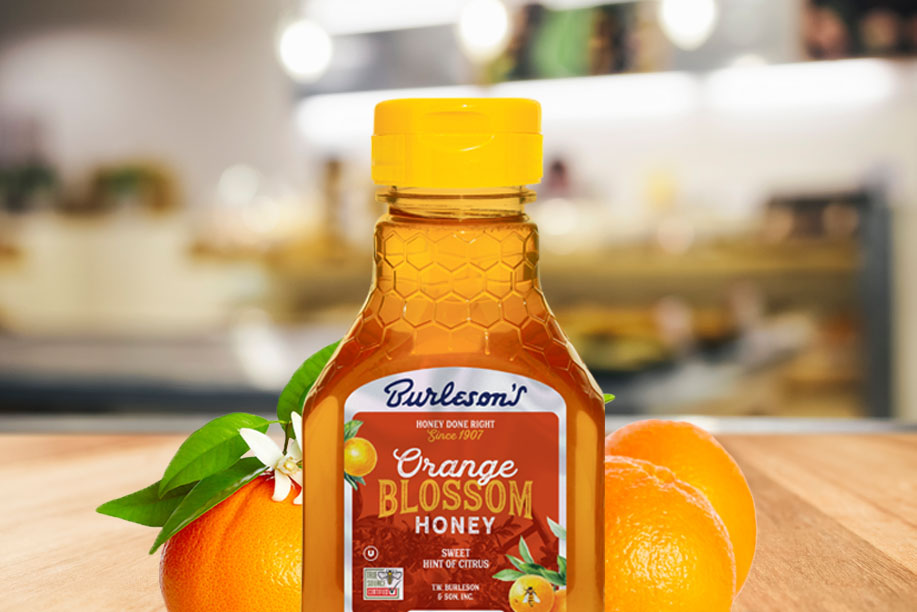
The economic story of orange blossom honey begins with its specialized botanical origin, which dictates both its production challenges and its premium market status. Unlike generic multifloral honeys, orange blossom honey derives predominantly from the nectar of citrus blossoms, primarily orange trees ( Citrus sinensis ). This specificity creates a set of unique financial implications from the outset.
Botanical Foundation and Production Investment
Producing authentic orange blossom honey requires beekeepers to strategically place their hives within or adjacent to vast citrus groves during the trees’ relatively short blooming period, typically in late winter to early spring. This geographical and temporal precision is a significant factor in the initial capital outlay and ongoing operational costs.
Initial investments for an aspiring orange blossom honey producer include:
- Apiary Setup: Purchasing healthy bee colonies, hives, frames, and essential beekeeping equipment (smokers, hive tools, protective gear). The cost per hive can vary significantly, representing a substantial upfront expense.
- Land Access or Rental: While some beekeepers own land with citrus trees, many must secure agreements or pay rental fees to place their apiaries within commercial orange groves. These agreements often involve specific timing and placement protocols, adding to logistical complexities and costs.
- Transportation Logistics: Moving hives to and from citrus groves requires specialized equipment and labor, especially for larger operations. Fuel, vehicle maintenance, and driver wages are notable recurring expenses.
- Certification and Compliance: For producers aiming for premium markets, organic certification or specific regional appellations can add value but require investments in audits, adherence to strict agricultural practices, and record-keeping, all of which contribute to the overall cost basis.
The commitment to a single floral source inherently limits production windows and requires precise management, contrasting with the more flexible production schedules of beekeepers whose bees forage on a wider variety of blooms. This specialization directly impacts the risk profile and potential returns of the enterprise.
Specialized Production Process and Costs
The unique nature of orange blossom honey extends to its harvesting and processing, which also carry distinct financial considerations.
- Timing and Purity: To ensure the honey is primarily from orange blossoms, beekeepers must manage their hives diligently to remove any prior nectar stores before the orange trees bloom and extract the honey promptly after the bloom concludes. This meticulous timing is crucial for maintaining the varietal purity that commands higher prices. Contamination with other floral sources can diminish its market value.
- Extraction and Processing Equipment: Investing in efficient extraction equipment (extractors, uncapping knives/machines, settling tanks, filters) and bottling lines is essential for commercial viability. While smaller operations might start with manual tools, scaling up necessitates significant capital expenditure on automated or semi-automated machinery to handle larger volumes and maintain hygiene standards.
- Quality Control and Testing: To authenticate the floral source and ensure purity, producers often incur costs for laboratory testing. These tests verify pollen content, moisture levels, and absence of contaminants, crucial for upholding product claims and consumer trust, which in turn supports premium pricing.
- Labor Costs: Skilled labor is required for hive management, harvesting, extraction, and packaging. The seasonal nature of orange blossom honey production can lead to fluctuating labor demands, requiring careful financial planning for staffing.
These specialized requirements mean that the per-unit cost of producing orange blossom honey is often higher than that of more common varieties, necessitating a robust understanding of market demand and pricing strategies to ensure profitability.
Market Dynamics: Valuation and Profitability in the Specialty Honey Sector
The distinct characteristics of orange blossom honey translate directly into its market valuation and the potential for profitability within the specialty food sector. Its unique appeal allows producers to command premium prices, but navigating the market requires strategic foresight.
Defining Market Value: Factors Influencing Price
The market value of orange blossom honey is driven by a combination of its inherent qualities and consumer perception.
- Sensory Attributes: Consumers value orange blossom honey for its light, golden color, mild sweetness, delicate citrus aroma, and subtle fruity finish. These distinct organoleptic properties differentiate it from other honeys and justify a higher price point. Blind taste tests often confirm its preference among discerning consumers.
- Purity and Authenticity: The assurance that the honey is genuinely from orange blossoms, free from adulteration, is a critical value driver. Certifications, clear labeling, and a transparent production process build consumer trust and willingness to pay a premium.
- Limited Availability: Given its specific geographical and temporal production requirements, orange blossom honey is often produced in more limited quantities than multifloral honeys. This scarcity can drive up demand and price, adhering to basic economic principles of supply and demand.
- Health and Wellness Perception: While not unique to orange blossom honey, the general consumer perception of honey as a natural, healthy sweetener, combined with its specific floral source, can further enhance its appeal and market value, particularly in health-conscious segments.
Compared to generic clover or wildflower honey, orange blossom honey typically fetches a price premium of 20-50% or even more, depending on factors like organic certification, regional branding, and distribution channels.
Supply Chain and Distribution Economics
Producers face crucial decisions regarding their supply chain and distribution strategies, each with different margin implications.
- Bulk Sales to Wholesalers: Selling in large drums to food manufacturers, packers, or other wholesalers often offers lower per-unit margins but ensures large volume sales and reduced marketing/distribution efforts for the producer. This is a common strategy for large-scale operations.
- Direct-to-Consumer (DTC): Selling directly to consumers via farmers’ markets, online stores, or roadside stands allows producers to capture a significantly higher margin by bypassing intermediaries. This strategy requires investment in marketing, customer service, and logistics but offers the highest potential for per-unit profit.
- Wholesale to Specialty Retailers: Supplying smaller quantities to gourmet food stores, health food shops, or local delis offers better margins than bulk sales but still involves a cut for the retailer. It can be an effective way to reach a targeted premium audience.
- Private Labeling: Producing orange blossom honey for other brands to sell under their label can offer consistent volume but often at a negotiated price that may be lower than direct sales, trading margin for ease of distribution and reduced branding effort.
Each distribution model requires a different financial investment in packaging, marketing, sales infrastructure, and logistics, necessitating a careful cost-benefit analysis.
Price Elasticity and Consumer Perception
The demand for orange blossom honey can be considered somewhat inelastic for its dedicated customer base, meaning that price changes may not drastically alter purchase decisions among those who specifically seek its unique flavor profile. However, this elasticity varies:
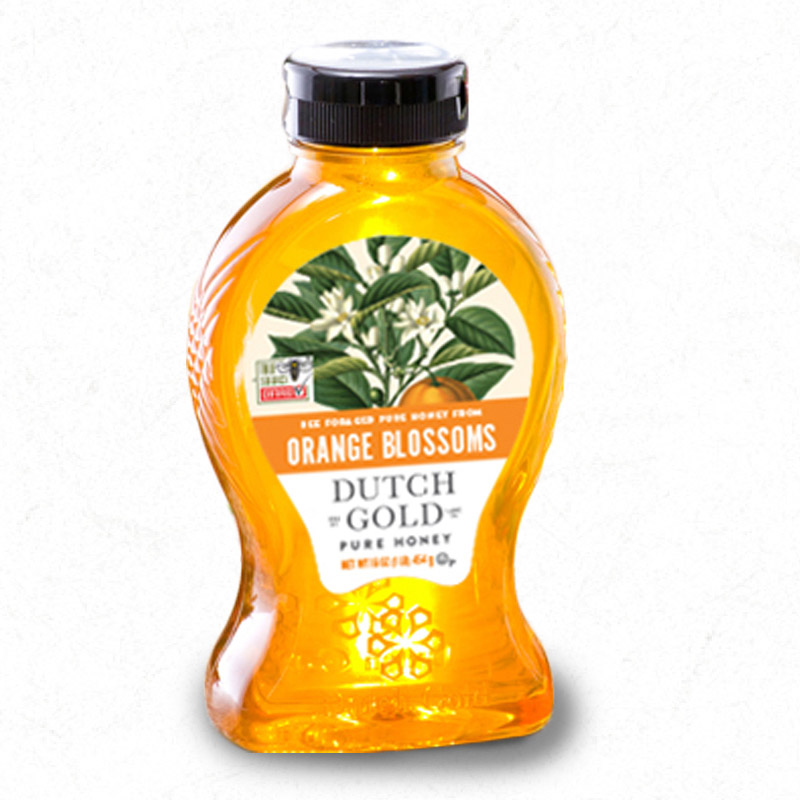
- Premium Positioning: Effective branding, packaging, and storytelling can reinforce the perceived value, allowing producers to justify and maintain higher prices. For example, highlighting the honey’s origin from heritage groves or sustainable beekeeping practices can enhance its appeal.
- Economic Sensitivity: In times of economic downturn, even premium products can face pressure, leading to some consumers opting for more affordable alternatives. Producers must monitor market trends and consumer purchasing power.
- Competitive Landscape: The presence of other specialty honeys (e.g., lavender, tupelo, manuka) means that orange blossom honey must continually demonstrate its unique value proposition to maintain its competitive edge and price point.
Strategic pricing, informed by production costs, market demand, and competitor analysis, is paramount for sustainable profitability.
Monetizing the Nectar: Orange Blossom Honey as an Income Stream
Beyond its inherent value, orange blossom honey presents diverse avenues for generating income, from large-scale commercial operations to small-scale side hustles. The key lies in identifying the most suitable market and leveraging its unique appeal.
Direct-to-Consumer Sales: Building an Online Honey Business
For entrepreneurs, direct-to-consumer (DTC) sales offer the highest profit margins.
- E-commerce Platforms: Setting up an online store (e.g., Shopify, Etsy) allows producers to reach a global audience. Investing in high-quality product photography, engaging product descriptions, and an intuitive user experience is crucial.
- Digital Marketing: Utilizing social media, email marketing, and search engine optimization (SEO) to target food enthusiasts, health-conscious consumers, and those seeking unique gifts can drive sales. Content marketing showcasing the beekeeping process or recipes using the honey can build brand loyalty.
- Farmers’ Markets and Local Events: These provide direct interaction with customers, allowing producers to tell their story, offer samples, and build a local following. They are also excellent testing grounds for new products and pricing strategies.
- Subscription Boxes: Offering recurring deliveries of orange blossom honey can create a steady revenue stream and foster customer loyalty.
Side Hustle Potential: Small-Scale Production and Value-Added Products
For individuals passionate about beekeeping, orange blossom honey can become a rewarding side hustle.
- Micro-Apiaries: Even a few hives strategically placed near citrus trees can yield enough honey for local sales. The initial investment is lower, and management can be part-time.
- Value-Added Products: Extending beyond raw honey, producers can create infused honeys (e.g., with vanilla, cinnamon), honey-based cosmetics (soaps, lotions), or culinary products (honey cakes, glazes). These items can command higher prices per ounce and diversify revenue streams.
- Honeycomb and Specialty Packaging: Selling sections of pure honeycomb, or packaging honey in unique, gift-worthy containers, can also enhance perceived value and open up new market segments.
Wholesale and Niche Market Penetration
For those looking to scale, targeting specific wholesale and niche markets can be lucrative.
- Specialty Food Stores: Many independent gourmet shops and health food stores actively seek unique, high-quality local or regional products like orange blossom honey. Building relationships with buyers and offering attractive wholesale terms are essential.
- Restaurants and Bakeries: High-end eateries and bakeries often feature unique ingredients. Pitching orange blossom honey to chefs for use in desserts, glazes, dressings, or even craft cocktails can lead to consistent orders.
- Corporate Gifting: Custom-packaged orange blossom honey can be an attractive option for corporate gifts, especially for companies seeking unique, high-quality, and locally sourced items.
Financial Considerations for Aspiring Honey Entrepreneurs
Embarking on an orange blossom honey venture requires a solid financial plan, encompassing initial investments, ongoing operational costs, and risk mitigation strategies.
Startup Capital and Operational Expenses
A detailed financial model is crucial.
- Startup Costs: This includes purchasing bees, hives, beekeeping equipment, initial processing tools, and potentially land access or rental fees. Marketing materials, website development, and initial inventory also fall under startup.
- Operational Expenses: Recurring costs include bee feed (sugar syrup), pest and disease control, protective gear replacement, packaging materials, bottling supplies, labor wages, vehicle fuel, insurance, and marketing spend. Regular hive maintenance, including replacing old frames or queens, also represents an ongoing cost.
- Contingency Fund: Allocating a portion of capital for unforeseen events like significant weather impacts, bee health issues, or market fluctuations is vital for business resilience.
Risk Management and Sustainability
The honey industry, particularly one reliant on a specific floral source, is subject to various risks.
- Environmental Risks: Weather extremes (droughts, freezes), pesticide drift from agricultural neighbors, and environmental degradation can significantly impact bee health and nectar availability. Diversifying apiary locations can mitigate some of these risks.
- Colony Health: Pests (Varroa mites), diseases (American foulbrood), and Colony Collapse Disorder (CCD) pose ongoing threats to bee populations. Investing in bee health management, including regular inspections and treatments, is critical.
- Market Volatility: Fluctuations in consumer demand, competition from imported honeys, and changes in agricultural policies can affect profitability. Diversifying product offerings and building a strong brand can help insulate against such volatility.
- Sustainable Practices: Adopting sustainable beekeeping practices not only contributes to ecological well-being but also enhances brand reputation and can attract environmentally conscious consumers, ensuring long-term viability.

Scaling Up and Investment Opportunities
For those looking to grow beyond a side hustle, strategic planning for expansion is key.
- Expanding Apiaries: Gradually increasing the number of hives and securing additional locations for apiaries near citrus groves. This requires further capital investment in bees and equipment.
- Automating Processes: Investing in more advanced extraction and bottling equipment can increase efficiency, reduce labor costs, and handle larger volumes, allowing for economies of scale.
- Product Diversification: Exploring new value-added products, such as honey-based condiments, mead, or even pollination services, can open new revenue streams.
- Seeking Investment: For significant expansion, attracting investors or securing business loans may be necessary. A robust business plan detailing market analysis, financial projections, and competitive advantages will be crucial for securing funding.
Orange blossom honey is more than just a sweet treat; it represents a tangible asset with significant economic implications. Its specialized nature, premium market positioning, and diverse income-generating avenues make it an attractive prospect for financially savvy individuals and businesses within the broader “money” ecosystem. Understanding its nuances, from botanical origins to market dynamics, is the first step toward unlocking its full financial potential.
aViewFromTheCave is a participant in the Amazon Services LLC Associates Program, an affiliate advertising program designed to provide a means for sites to earn advertising fees by advertising and linking to Amazon.com. Amazon, the Amazon logo, AmazonSupply, and the AmazonSupply logo are trademarks of Amazon.com, Inc. or its affiliates. As an Amazon Associate we earn affiliate commissions from qualifying purchases.