
In the intricate world of business finance, understanding the various cost components is paramount to assessing a company’s health, profitability, and future potential. Among these, operating expenses stand out as a critical category, representing the everyday costs incurred to keep a business running. Often referred to as OPEX, these expenses are the engine room of an enterprise, without which goods cannot be produced, services cannot be delivered, and customers cannot be reached. For entrepreneurs, investors, and finance professionals alike, a clear grasp of what constitutes an operating expense, its impact, and its management is not just beneficial—it’s absolutely essential.
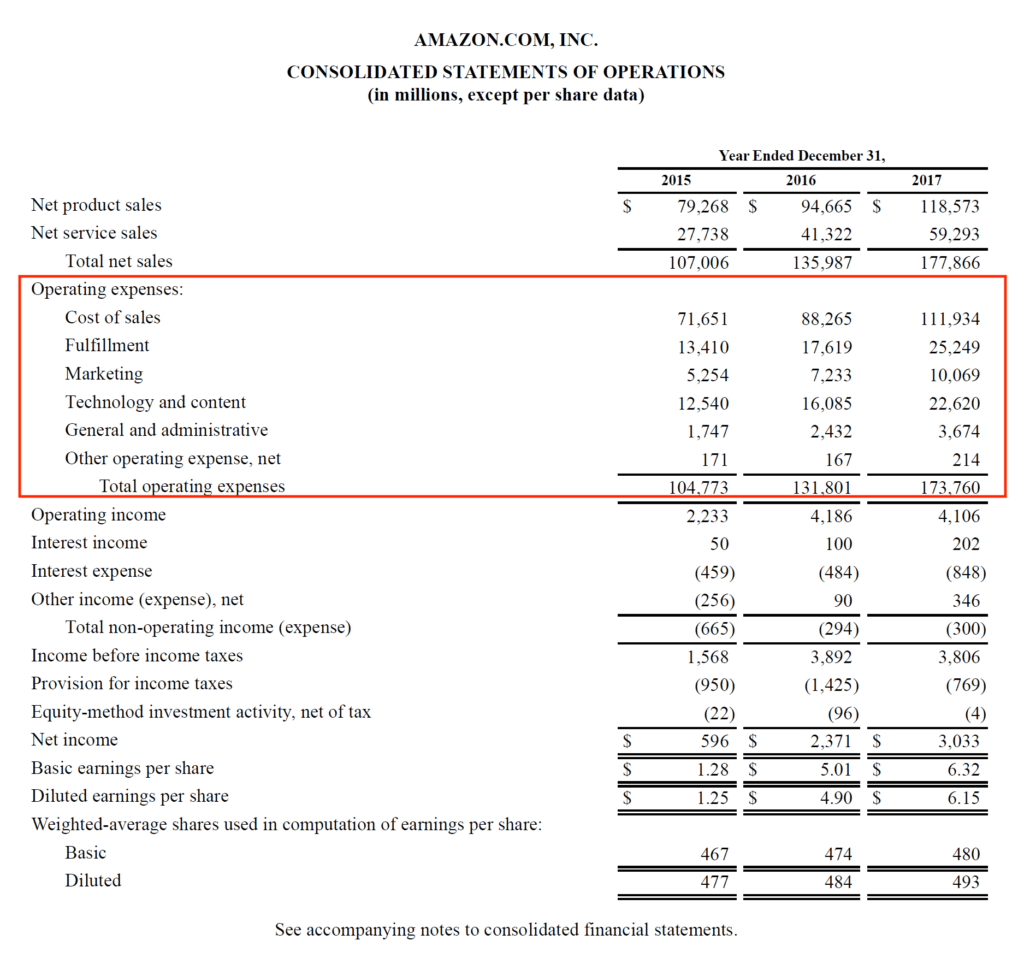
Defining Operating Expenses: The Lifeblood of Business Operations
At its core, an operating expense is a cost that a business incurs through its normal operations. These are the expenses necessary to convert raw materials into finished goods, or to provide services, and to market and sell those offerings to customers. They are recurrent, generally predictable, and directly tied to the core activities that generate revenue.
The Core Definition
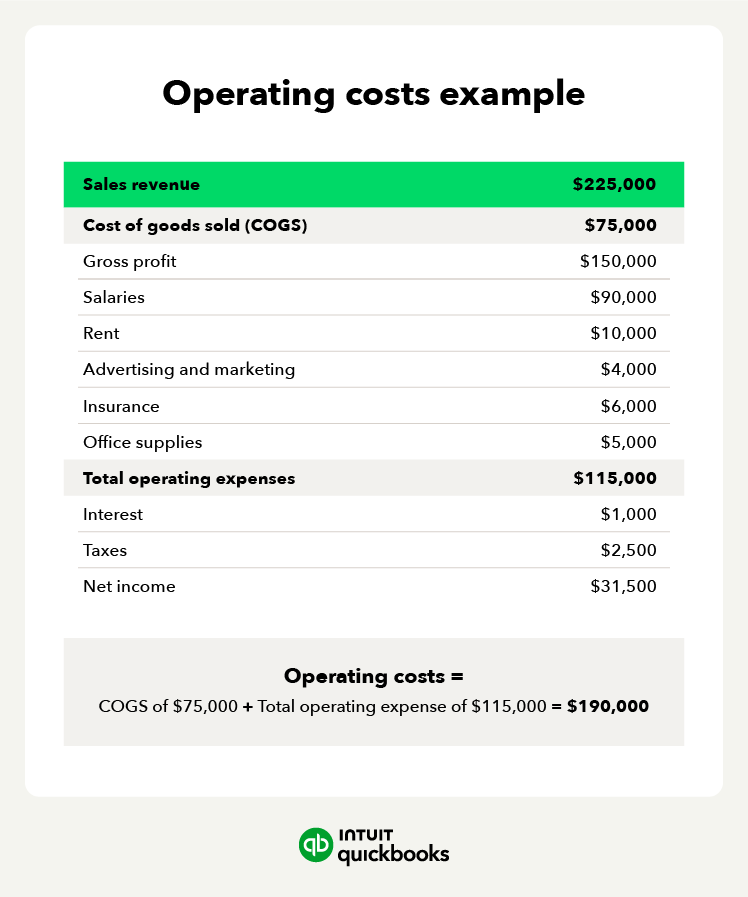
Operating expenses are the costs associated with a company’s day-to-day operations but do not include the cost of goods sold (COGS), which are direct costs attributable to the production of the goods or services sold by the company. Instead, OPEX covers the expenses incurred after production, in the process of running the business, selling, and general administration. Think of them as the overheads that allow the company to function and compete in the market. They are reported on a company’s income statement, typically below the “gross profit” line and above “earnings before interest and taxes (EBIT).”
Differentiating from Non-Operating and Capital Expenses
To fully appreciate operating expenses, it’s vital to distinguish them from other types of expenditures:
-
Cost of Goods Sold (COGS): While crucial for revenue generation, COGS includes direct costs like raw materials, direct labor, and manufacturing overhead. Operating expenses come after gross profit (Revenue – COGS).
-
Non-Operating Expenses: These are costs not directly related to a company’s core business activities. Examples include interest payments on loans, losses from investments, or one-time charges from legal settlements. While they affect net income, they don’t reflect the efficiency of the core business operations.
-
Capital Expenses (CAPEX): These are funds used by a company to acquire, upgrade, and maintain physical assets such as property, industrial buildings, or equipment. CAPEX is a long-term investment that provides future economic benefits and is expensed over time through depreciation, whereas OPEX is expensed in the period it’s incurred. For instance, buying a new delivery truck is CAPEX, but the fuel, maintenance, and driver’s salary for that truck are OPEX.
Why Operating Expenses Matter
Understanding OPEX is crucial for several reasons. Firstly, it provides insights into the operational efficiency of a company. A business with well-managed operating expenses can achieve higher profitability even with similar revenue levels compared to a competitor. Secondly, analysts and investors use OPEX to gauge a company’s ability to generate earnings from its core activities before considering financial structure (interest) and taxes. Thirdly, for business owners, controlling and optimizing OPEX is a direct path to improving cash flow and sustainable growth.
Common Categories of Operating Expenses
Operating expenses are broad and encompass a wide range of costs. While the specifics can vary by industry and business model, several common categories are almost universally present.
Selling, General, and Administrative (SG&A) Expenses
This is the largest and most encompassing category of operating expenses, often grouped together on financial statements. SG&A includes virtually all expenses incurred in the selling of products or services and the general administration of the company.
-
Salaries and Wages: Compensation for administrative staff, sales teams, marketing personnel, and management. This is often the largest component of SG&A for many businesses.
-
Rent and Utilities: Costs associated with office space, retail outlets, warehouses, and the essential utilities (electricity, water, internet) required to operate these facilities.
-
Marketing and Advertising: Expenses for promoting products or services, including advertising campaigns, public relations, market research, and sales promotions.
-
Office Supplies and Equipment Maintenance: Day-to-day items like stationery, software licenses, as well as maintenance and repair costs for non-production equipment (e.g., computers, copiers).
-
Insurance: Premiums for business liability, property, and other forms of insurance necessary to protect the company’s assets and operations.
-
Professional Fees: Payments to external consultants, legal advisors, accountants, and auditors for services rendered.
Research and Development (R&D)
For many companies, especially in technology, pharmaceuticals, and manufacturing, R&D expenses are a significant operating cost. These are expenditures incurred in the process of innovating, developing new products, or improving existing ones. While forward-looking, R&D costs are typically expensed as they occur because the future benefits are uncertain.
Depreciation and Amortization
While technically non-cash expenses, depreciation (for tangible assets like machinery) and amortization (for intangible assets like patents or goodwill) are often considered operating expenses. They represent the systematic allocation of the cost of a long-lived asset over its useful life, reflecting the asset’s wear and tear or obsolescence over time. Although they don’t involve an immediate cash outflow, they reduce a company’s taxable income and are crucial for accurately depicting the cost of using capital assets in operations.
The Impact of Operating Expenses on Business Performance
The way a business manages its operating expenses directly correlates with its financial health and operational viability. These costs have a pervasive influence across various aspects of a company’s performance.
Profitability and Net Income
The most direct impact of operating expenses is on a company’s profitability. After deducting COGS from revenue to arrive at gross profit, operating expenses are subtracted to calculate operating income (or EBIT). A higher operating income indicates better core business efficiency. Ultimately, higher OPEX, if not offset by increased revenue or gross profit, will lead to lower net income, reducing retained earnings and potential dividends for shareholders.
Cash Flow Implications
While some operating expenses like depreciation are non-cash, the vast majority involve actual cash outflows. Effective management of OPEX directly impacts a company’s operational cash flow. High, uncontrolled operating expenses can drain cash reserves, even if the company is technically profitable on paper due to non-cash revenues or favorable credit terms. Healthy operating cash flow is essential for day-to-day liquidity, reinvestment, and debt servicing.
Operational Efficiency and Scalability
Analyzing operating expenses provides a window into a company’s operational efficiency. Are administrative costs disproportionately high? Is the sales force generating enough revenue to justify its expense? By optimizing OPEX, businesses can achieve more output with less input. Furthermore, understanding the fixed versus variable components of operating expenses is crucial for scalability. Businesses with a higher proportion of variable operating expenses can often scale more easily, as costs increase in line with revenue, rather than requiring significant upfront investment.
Valuations and Investor Perception
Investors pay close attention to operating expenses. A company that demonstrates consistent control and optimization of its OPEX is often seen as well-managed and financially disciplined. Lower OPEX, relative to revenue, can translate into higher operating margins, which are a key metric for investor confidence and contribute positively to a company’s valuation. Conversely, spiraling operating costs can signal inefficiencies or a lack of strategic cost control, potentially deterring investors.
Strategies for Managing and Optimizing Operating Expenses
Effective management of operating expenses is not about indiscriminate cost-cutting; it’s about strategic optimization—finding the right balance between necessary expenditures and maximum efficiency.
Budgeting and Forecasting
The foundation of OPEX management lies in robust budgeting and accurate forecasting. Businesses should develop detailed annual operating budgets, breaking down expenses by category and department. Regular reviews against actual expenditures help identify variances, pinpoint areas of overspending, and inform future budget adjustments. Forecasting helps anticipate future cost trends and plan for potential increases or decreases.
Cost Reduction Techniques
Numerous strategies can be employed to reduce operating expenses without compromising quality or growth.
-
Negotiating with Suppliers: Regularly review contracts with vendors and suppliers. Bulk purchasing, long-term agreements, or seeking competitive bids can often lead to significant savings on materials, services, and utilities.
-
Automating Processes: Investing in technology to automate repetitive administrative tasks (e.g., invoicing, payroll, customer service) can reduce labor costs and improve efficiency in the long run.
-
Outsourcing Non-Core Functions: For tasks not central to the company’s competitive advantage (e.g., IT support, certain HR functions, cleaning services), outsourcing can often be more cost-effective than maintaining in-house departments.
-
Energy Efficiency Measures: Implementing energy-saving technologies and practices can reduce utility bills, a significant operating expense for many businesses.
-
Lean Operations: Adopting lean principles to eliminate waste in all business processes, from administrative workflows to supply chain logistics.
Investing in Productivity
Sometimes, an increase in certain operating expenses can lead to greater overall efficiency and reduced costs elsewhere. Investing in employee training, advanced software, or better tools can improve productivity, reduce errors, and ultimately lower the cost per unit of output, offsetting the initial expense.
The Balance Between Cost-Cutting and Growth
A crucial consideration in OPEX management is finding the right balance. Aggressive cost-cutting can sometimes stifle innovation, reduce service quality, demotivate employees, or impair a company’s ability to grow. For instance, cutting too deeply into marketing budgets might save money in the short term but severely impact future revenue generation. The goal is to optimize, not just minimize, ensuring that every expense contributes to the company’s strategic objectives.
Operating Expenses in Different Business Contexts
The interpretation and management of operating expenses can vary significantly based on the size and nature of the business.
Small Businesses vs. Large Corporations
For small businesses, operating expenses often represent a larger proportion of total costs relative to revenue, and managing them can be a matter of survival. Every dollar saved on rent, utilities, or supplies directly impacts the owner’s take-home pay or the business’s ability to reinvest. Large corporations, with economies of scale, may have lower per-unit operating costs, but the sheer volume means that even small percentage changes can translate into millions of dollars. They also have dedicated finance teams to meticulously manage and report OPEX.
Service-Based vs. Product-Based Businesses
Service-based businesses (e.g., consulting, software development) typically have higher SG&A expenses, particularly for salaries, benefits, and professional development, as their “product” is human expertise. Their COGS might be minimal. Product-based businesses (e.g., manufacturing, retail) will have significant COGS, but also substantial operating expenses for sales, marketing, and distribution networks. Their OPEX can include costs like warehouse rentals, logistics software, and a larger sales force.

Personal Finance Parallels
While primarily a business finance concept, the idea of operating expenses has a parallel in personal finance. Our “operating expenses” are our recurring household bills and daily living costs—rent/mortgage, utilities, groceries, transportation, insurance, and subscriptions. Just as businesses track and manage OPEX to ensure profitability, individuals manage their living expenses to ensure financial stability, savings, and investment capacity. Understanding the business concept can even inform personal budgeting strategies.
In conclusion, operating expense is far more than just a line item on an income statement. It is a dynamic measure of a company’s day-to-day financial commitments, a critical indicator of its operational efficiency, and a key lever for profitability. Mastering the definition, categories, impact, and management of operating expenses empowers business leaders to make informed decisions, drive sustainable growth, and build resilient financial foundations.
aViewFromTheCave is a participant in the Amazon Services LLC Associates Program, an affiliate advertising program designed to provide a means for sites to earn advertising fees by advertising and linking to Amazon.com. Amazon, the Amazon logo, AmazonSupply, and the AmazonSupply logo are trademarks of Amazon.com, Inc. or its affiliates. As an Amazon Associate we earn affiliate commissions from qualifying purchases.