
In the world of finance, capital is often discussed in broad strokes—venture capital, equity, or debt. However, for the business owner, the investor, or the financial analyst, the most critical metric for day-to-day survival is operating capital. Often used interchangeably with “working capital,” operating capital represents the liquid funds a company uses to conduct its primary business activities. It is the lifeblood that keeps the lights on, ensures employees are paid, and allows for the purchase of raw materials before a finished product is ever sold.
Understanding operating capital is not just a matter of accounting; it is a strategic imperative. A company can be profitable on its income statement while simultaneously sliding toward bankruptcy if its operating capital is mismanaged. Conversely, a business with a lean, efficient operating capital structure can outpace competitors, weather economic downturns, and seize growth opportunities that others must pass by.
Understanding Operating Capital: The Fundamental Framework
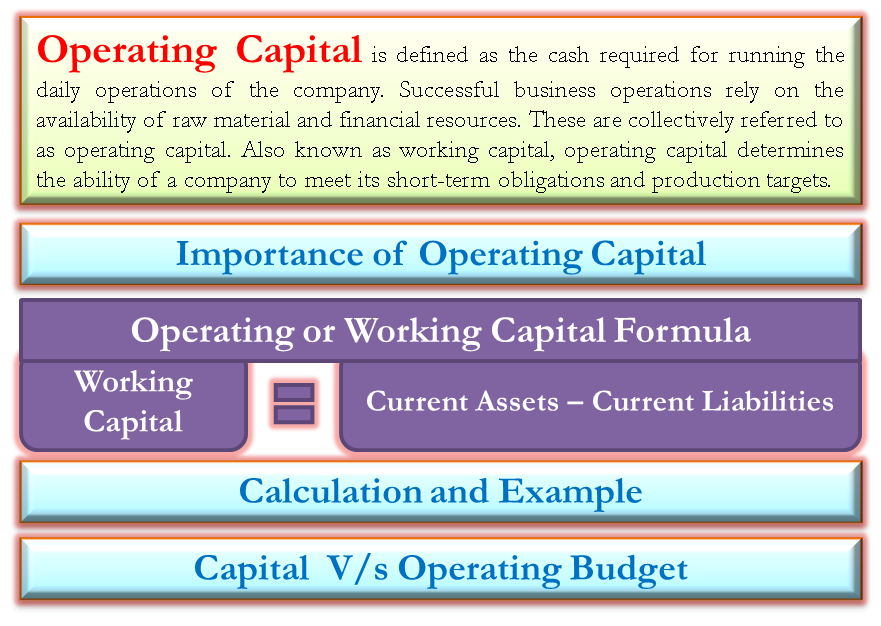
At its core, operating capital is the difference between a company’s current assets and its current liabilities. However, to understand its true function, one must look beyond the balance sheet and into the operational cycle of the business. It is the bridge between the moment a company spends money on production and the moment it receives cash from a customer.
The Fundamental Formula
The traditional calculation for operating capital is:
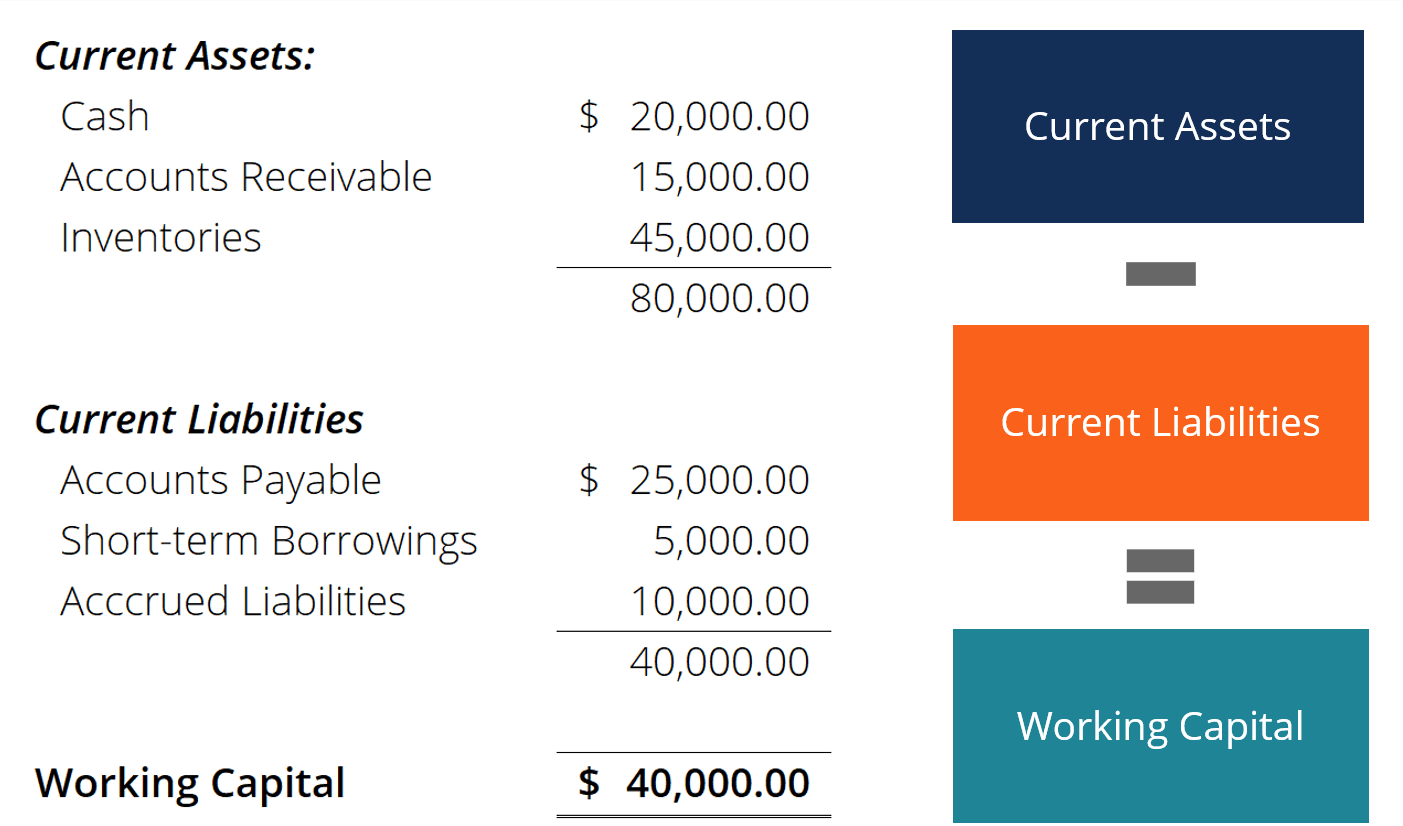
Operating Capital = Current Assets – Current Liabilities
Current assets include cash, accounts receivable (money owed by customers), and inventory. Current liabilities include accounts payable (money owed to suppliers), accrued expenses (like wages and taxes), and any short-term debt due within one year.
A positive operating capital figure indicates that a company has enough liquid assets to cover its short-term obligations. A negative figure suggests a potential liquidity crisis, where the company may struggle to pay its bills as they fall due. However, the “ideal” amount of operating capital varies wildly by industry. A software company with high margins and no physical inventory requires far less operating capital than a manufacturing firm or a retail giant that must stock thousands of products.
Operating Capital vs. Total Capital
It is essential to distinguish operating capital from the total capital structure of a firm. Total capital includes long-term debt and equity used to purchase fixed assets like machinery, real estate, and intellectual property. Operating capital, by contrast, is strictly focused on the “now.” It does not concern itself with the mortgage on the factory, but rather the cash needed to buy the steel to run the machines today.
The Vital Components of Operating Capital
To manage operating capital effectively, one must break it down into its constituent parts. Each component represents a lever that management can pull to increase efficiency or reduce risk.
Accounts Receivable: The Promise of Cash
Accounts receivable (AR) represents the sales a company has made but for which it has not yet received payment. In many B2B industries, offering credit terms (e.g., Net-30 or Net-60) is a standard practice to remain competitive.
While high AR looks good on the revenue line, it is essentially an interest-free loan the business is granting to its customers. If AR grows too large or stays on the books too long (a high “Days Sales Outstanding”), it ties up capital that could be used elsewhere. Efficient operating capital management involves a rigorous collection process and careful vetting of customer creditworthiness.
Inventory: The Weighted Asset
For retail and manufacturing businesses, inventory is often the largest component of current assets. Inventory includes raw materials, work-in-progress, and finished goods ready for sale.
The challenge with inventory is the “carrying cost.” Every dollar sitting in a warehouse is a dollar not earning interest or being reinvested. Furthermore, inventory carries the risk of obsolescence, theft, or damage. Modern financial management emphasizes “just-in-time” (JIT) inventory systems to keep operating capital requirements as low as possible without risking stockouts.
Accounts Payable: Strategic Leverage
On the liability side, accounts payable (AP) is the money a company owes to its vendors. While it may seem counterintuitive, increasing your accounts payable (within agreed-upon terms) is a valid way to improve your operating capital position.
By negotiating longer payment terms with suppliers, a business effectively uses the supplier’s capital to fund its own operations. However, this must be balanced against the need to maintain strong vendor relationships and the potential loss of early-payment discounts, which can sometimes offer a better return than keeping the cash.
Why Operating Capital Matters for Financial Stability
Operating capital is the primary indicator of a company’s short-term financial health. Even the most innovative product cannot save a company if it runs out of cash before that product hits the shelves.
Managing Cash Flow Cycles
The central problem operating capital solves is the timing mismatch. Most businesses must pay for labor, rent, and materials long before the customer pays for the final product. This “cash gap” is funded by operating capital.
Consider a construction firm. They must buy materials and pay workers for months before a project is completed and the final invoice is paid. Without sufficient operating capital, the firm would be forced to halt work mid-project, leading to liquidated damages and reputational ruin.
Short-Term Solvency and Risk Mitigation
Operating capital acts as a financial shock absorber. Economic cycles are unpredictable; a sudden drop in demand or a delay from a major client can strain a company’s resources. A healthy operating capital reserve allows a business to maintain operations during these lean periods without resorting to high-interest emergency loans or diluting equity through desperate fundraising.
Fueling Growth and Scalability
Growth is capital-intensive. When a business scales, it must often increase its inventory and hire more staff before the revenue from that growth is realized. This is why many fast-growing startups experience “growth pains” or even failure despite high sales; they simply outgrow their operating capital. Understanding your operating capital requirements is a prerequisite for any sustainable expansion strategy.
Measuring Efficiency: Ratios and Metrics
In business finance, you cannot manage what you do not measure. Several key metrics allow investors and managers to assess how effectively a company is utilizing its operating capital.
The Cash Conversion Cycle (CCC)
The most comprehensive metric for operating capital efficiency is the Cash Conversion Cycle. It measures the time (in days) it takes for a company to convert its investments in inventory and other resources into cash flows from sales.
The formula is:
CCC = Days Inventory Outstanding (DIO) + Days Sales Outstanding (DSO) – Days Payable Outstanding (DPO)
A shorter CCC is always better. It means the company is cycling its cash quickly, requiring less external financing to maintain its operations. Some world-class companies, such as Amazon or Dell, have achieved a “negative” cash conversion cycle, meaning they receive payment from customers before they have to pay their suppliers.
Liquidity Ratios: Current and Quick
The Current Ratio (Current Assets / Current Liabilities) provides a snapshot of whether a company can cover its short-term debts. A ratio of 1.5 to 2.0 is generally considered healthy, though this varies by industry.
The Quick Ratio (or Acid-Test Ratio) is a more conservative measure. It excludes inventory from current assets, focusing only on cash and receivables. This is a vital metric for businesses where inventory might be difficult to liquidate quickly in a crisis.
Strategies to Optimize Operating Capital
Optimization does not always mean having more capital; it means having the right amount of capital. Excessive operating capital can be a sign of inefficiency—money “sitting idle” that could be better spent on R&D or returned to shareholders.
Accelerating the Receivables Process
To free up capital, businesses should aim to shorten their collection cycle. This can be achieved through:
- Offering small discounts (e.g., 2/10 Net 30) for early payment.
- Automating invoicing to reduce administrative delays.
- Implementing stricter credit checks to avoid “bad debt.”
Inventory Refinement
Optimizing inventory requires a data-driven approach. Businesses should identify “dead stock” (items that don’t sell) and liquidate them to recover cash. Advanced forecasting tools can help match production levels more closely with consumer demand, reducing the amount of capital tied up in warehouses.

Renegotiating Payables
Stronger companies can use their market position to negotiate better terms with suppliers. Moving from 30-day terms to 45- or 60-day terms provides a significant boost to operating capital. However, this must be done ethically and strategically; bankrupting your suppliers by withholding payment is a short-sighted strategy that destroys the supply chain.
Operating capital is much more than a line item on a balance sheet; it is a dynamic reflection of a company’s operational excellence. By mastering the balance between assets and liabilities, businesses can ensure they have the liquidity to survive the present and the flexibility to invest in the future. Whether you are a small business owner or a seasoned investor, a keen eye on operating capital is the surest way to gauge the true resilience of an enterprise.
aViewFromTheCave is a participant in the Amazon Services LLC Associates Program, an affiliate advertising program designed to provide a means for sites to earn advertising fees by advertising and linking to Amazon.com. Amazon, the Amazon logo, AmazonSupply, and the AmazonSupply logo are trademarks of Amazon.com, Inc. or its affiliates. As an Amazon Associate we earn affiliate commissions from qualifying purchases.