
In the landscape of modern technology, the most successful products are those that do more than just provide utility; they shape behavior. From the “pull-to-refresh” mechanism on social media feeds to the satisfying chime of a completed task in a project management tool, the digital world is built upon the psychological framework of operant conditioning. Originally pioneered by B.F. Skinner, operant conditioning is a method of learning that occurs through rewards and punishments for behavior. In a tech context, it is the invisible hand that guides user engagement, retention, and habit formation.
Understanding operant conditioning is essential for developers, UI/UX designers, and software engineers who aim to create intuitive and “sticky” digital experiences. By analyzing how reinforcement and punishment are applied in apps and AI, we can better understand the symbiotic relationship between human psychology and digital architecture.
The Core Mechanisms: Reinforcement and Punishment in UI/UX
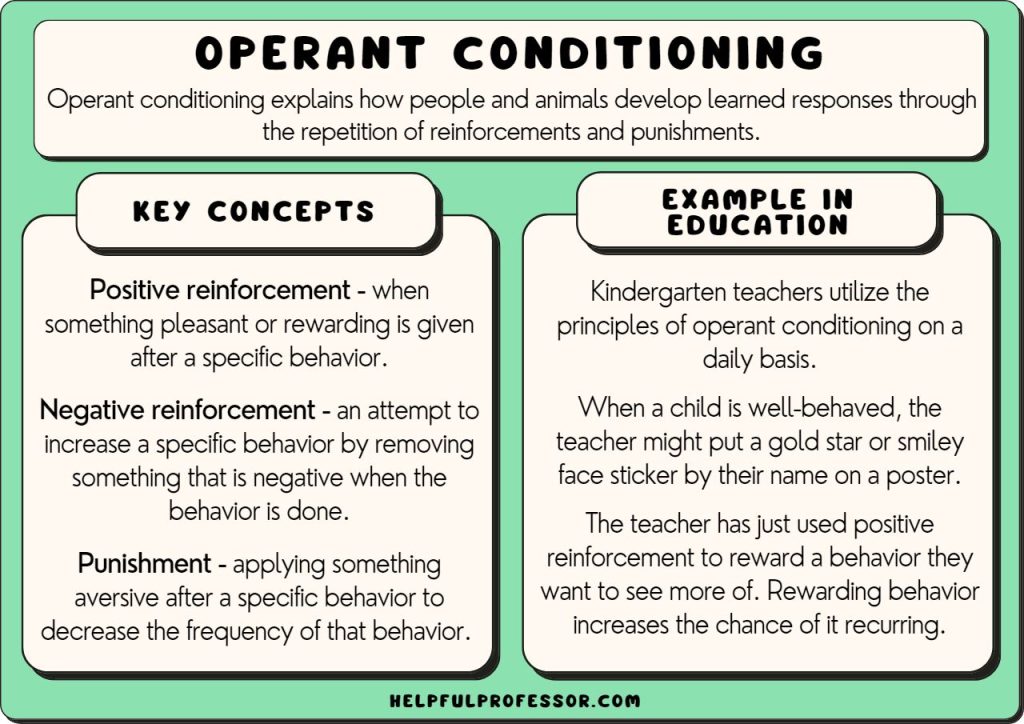
At its heart, operant conditioning relies on four quadrants: positive reinforcement, negative reinforcement, positive punishment, and negative punishment. In technology, these are translated into feedback loops that inform the user whether an action was successful, desirable, or incorrect.
Positive Reinforcement: The Reward System
Positive reinforcement involves adding a desirable stimulus after a behavior to increase the likelihood of that behavior being repeated. This is the most prevalent form of conditioning in tech.
- Micro-animations: When a user “likes” a post on Instagram, the heart doesn’t just change color; it often pulses or explodes in a tiny animation. This visual reward reinforces the act of engaging with content.
- Haptic Feedback: On smartphones, a subtle vibration (haptic feedback) when a user types or completes a transaction provides a tactile reward that signals success.
- Gamification Elements: Badges, levels, and “streaks” in apps like Duolingo or Fitbit serve as digital trophies, encouraging users to return daily to maintain their progress.
Negative Reinforcement: Removing Friction
Negative reinforcement increases a behavior by removing an unpleasant stimulus. In software design, this often takes the form of “friction reduction.”
- Dismissing Notifications: If a persistent notification badge (the “red dot”) bothers a user, they will open the app to make it disappear. The removal of the “annoyance” reinforces the behavior of checking the app.
- Ad-Free Subscriptions: Premium versions of apps (like YouTube Premium or Spotify) remove the “punishment” of interrupted listening. The user pays to remove a negative stimulus, reinforcing the behavior of subscribing.
Punishment in Digital Interfaces
While less common because it can lead to user churn, punishment is used to decrease undesirable behaviors.
- Error Sounds and Visuals: A jarring sound or a red shaking text box when a password is typed incorrectly acts as a “positive punishment” (adding an unpleasant stimulus) to stop the user from continuing with wrong data.
- Account Throttling: When a platform temporarily locks a user out for too many failed login attempts, it serves as a “negative punishment” (removing access) to discourage brute-force attempts and improve security.
The Variable Ratio Schedule: Why We Can’t Stop Scrolling
One of the most powerful concepts within operant conditioning is the “schedule of reinforcement.” Skinner discovered that behaviors are most resistant to extinction—meaning they are most likely to persist—when rewards are delivered on a variable ratio schedule. This means the reward is not guaranteed every time, but occurs at unpredictable intervals.
The Slot Machine Effect
The most famous example of this in technology is the “infinite scroll” and the “pull-to-refresh” gesture. When you refresh a social media feed, you don’t know if you will see a boring ad, an old post, or a viral video that gives you a hit of dopamine. Because the “reward” (the high-quality content) is unpredictable, the user continues to pull the lever, much like a gambler at a slot machine.
Algorithmic Content Delivery
Modern AI-driven recommendation engines, such as those used by TikTok and YouTube, are masterclasses in variable ratio reinforcement. By mixing “safe” content with “high-value” surprises, these algorithms keep users in a state of constant anticipation. The psychological drive to find the next “big hit” of content keeps users engaged for hours, as the brain is wired to seek out the reward that might be just one more swipe away.
Gamification: Turning Utility into a Habit

Gamification is the strategic application of operant conditioning to non-game environments, such as productivity software, health apps, and fintech platforms. By introducing game-like mechanics, developers can transform mundane tasks into engaging experiences.
Progress Bars and Completionism
Human beings have a natural psychological drive toward “closure.” Project management tools like Asana or Trello use progress bars and “celebration” animations (like a unicorn flying across the screen when a task is finished) to provide immediate positive reinforcement. The completion of the bar itself acts as a secondary reinforcer, satisfying the user’s need for order and accomplishment.
Social Proof as Reinforcement
In the tech world, social validation is one of the strongest reinforcers. Leaderboards in fitness apps like Strava or Peloton use the competitive urge to drive behavior. Seeing your name move up a list provides a status-based reward, while falling behind acts as a subtle nudge (negative reinforcement or mild punishment) to work harder.
The Power of Streaks
The “streak” is perhaps the most effective retention tool in modern software. By quantifying the number of consecutive days a user has performed a task, apps create a powerful psychological “sunk cost.” The fear of losing a 100-day streak in a language-learning app or a fitness tracker becomes a form of negative reinforcement; the user performs the task not just for the reward of learning, but to avoid the “punishment” of seeing the counter return to zero.
Reinforcement Learning: Operant Conditioning in Artificial Intelligence
The principles of operant conditioning are not limited to human users; they are the literal foundation of Reinforcement Learning (RL), a subset of Machine Learning. In RL, an AI “agent” learns how to behave in an environment by performing actions and receiving rewards or penalties.
The Reward Function
In AI development, engineers define a “reward function.” For example, an AI learning to play a video game receives points (positive reinforcement) for staying alive and losing points (punishment) for crashing. Through millions of iterations, the AI “learns” the optimal sequence of actions to maximize its total reward. This is operant conditioning at a computational scale.
Real-World AI Examples
- Autonomous Vehicles: Self-driving cars use reinforcement learning to navigate traffic. Successfully staying in a lane and reaching a destination safely results in a positive weight in the neural network, while erratic braking or deviations result in negative weights.
- Dynamic Pricing: E-commerce and ride-sharing platforms use AI to adjust prices. The algorithm is “rewarded” when it finds the price point that maximizes both volume and profit, effectively “learning” consumer behavior through trial and error.
- Chatbots and LLMs: Large Language Models are often refined through Reinforcement Learning from Human Feedback (RLHF). When a human trainer marks a response as “helpful,” the model is reinforced to produce similar outputs in the future.
Ethical Considerations and Digital Well-being
While operant conditioning is a neutral psychological tool, its application in technology carries significant ethical weight. The line between “engagement” and “addiction” is often thin, and the tech industry is increasingly under scrutiny for how it uses these behavioral loops.
The “Dark Patterns” of Design
Some developers use “dark patterns”—UI choices designed to trick users into doing things they didn’t intend to do, such as signing up for a recurring subscription or sharing more data than necessary. These are often rooted in manipulative reinforcement schedules that exploit cognitive biases.
Designing for Humane Technology
As the conversation around digital well-being grows, a new movement of “Humane Design” is emerging. This approach uses operant conditioning for positive outcomes, such as:
- Focus Modes: Rewarding users for staying off their phones during deep work.
- Time Limits: Implementing “soft punishments” (like graying out the screen) when a user exceeds a healthy amount of screen time.
- Mindful Notifications: Batching notifications to reduce the frequency of triggers, thereby breaking the constant cycle of reinforcement.
Conclusion
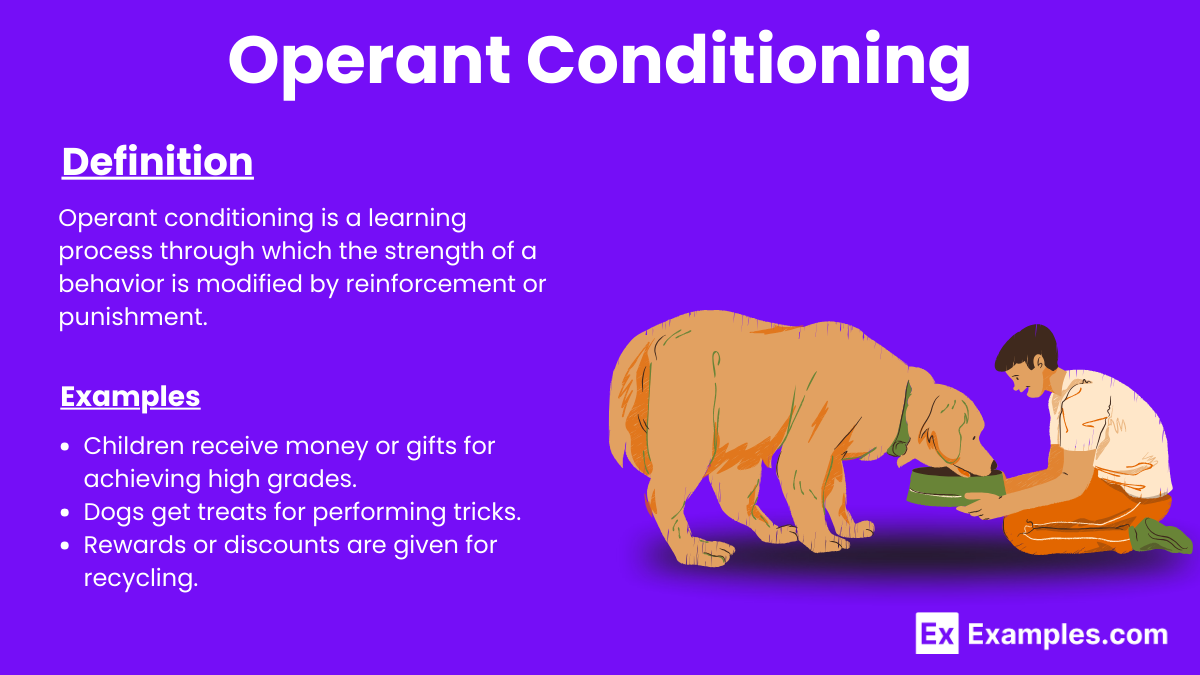
Operant conditioning is the invisible engine driving the modern digital experience. By understanding how rewards, punishments, and reinforcement schedules operate within software, we gain insight into why we interact with technology the way we do. For developers and tech innovators, these principles offer a blueprint for building products that are not only functional but deeply resonant with human psychology. As we move forward into an era of more advanced AI and immersive digital environments, the challenge lies in using these powerful psychological tools to empower users rather than merely capture their attention.
aViewFromTheCave is a participant in the Amazon Services LLC Associates Program, an affiliate advertising program designed to provide a means for sites to earn advertising fees by advertising and linking to Amazon.com. Amazon, the Amazon logo, AmazonSupply, and the AmazonSupply logo are trademarks of Amazon.com, Inc. or its affiliates. As an Amazon Associate we earn affiliate commissions from qualifying purchases.