
Juneteenth, officially recognized as a federal holiday in 2021, commemorates the emancipation of enslaved African Americans. Its observance across the United States brings with it not only a time for reflection, education, and celebration but also significant shifts in the operational schedules of various institutions and businesses. For individuals, entrepreneurs, and investors alike, understanding “what is open on Juneteenth” is crucial for managing personal finances, conducting business, and making informed economic decisions. This article delves into the financial landscape of Juneteenth, exploring the operational status of key sectors and highlighting the monetary considerations and opportunities that arise during this important day.

The shift to a federal holiday status means that many institutions, particularly those linked to federal operations, will observe a day of closure or modified services. This directly impacts everything from banking transactions and stock market trading to government benefit disbursements and retail spending patterns. Navigating this landscape effectively requires foresight and an understanding of how these changes can affect one’s financial well-being and business operations.
Financial Institutions and Market Operations on Juneteenth
The cornerstone of modern finance relies heavily on the consistent operation of banks, credit unions, and stock exchanges. A federal holiday often means a widespread closure for these entities, carrying specific implications for financial transactions and investment activities.
Banks and Credit Unions: Closures and Digital Access
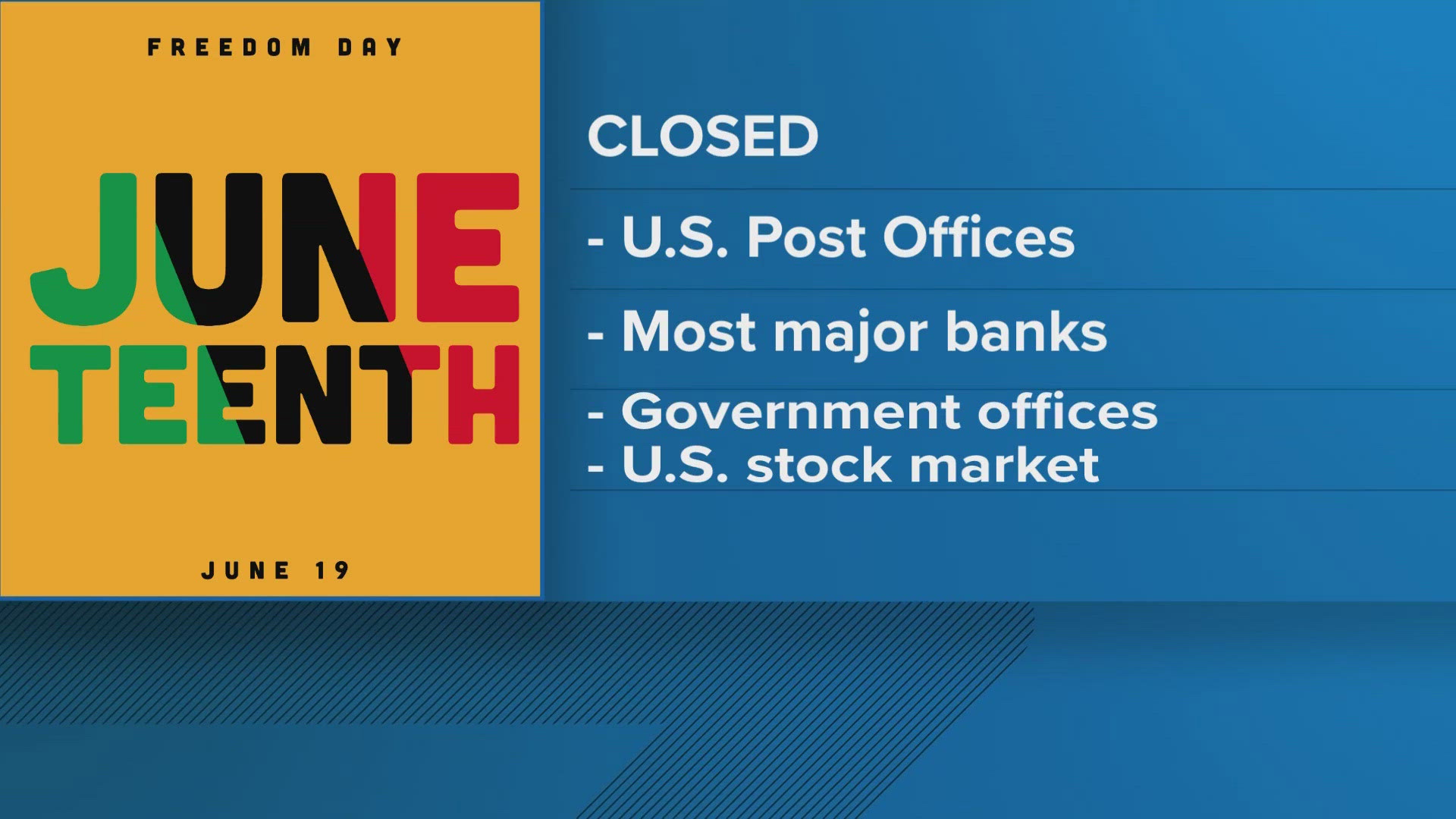
On Juneteenth, most federally regulated banks and credit unions will be closed. This includes major national banks and local community institutions. Customers should anticipate that physical branches will not be open for in-person services such as deposits, withdrawals, loan applications, or consultations.
However, the digital age offers a seamless workaround for many routine financial tasks. Online banking platforms and mobile banking apps will remain fully operational 24/7. This means you can still check account balances, transfer funds between accounts, pay bills, and even deposit checks remotely using mobile deposit features. ATMs will also be accessible for cash withdrawals and basic transactions. It is important to remember that while transactions can be initiated digitally, they may not process until the next business day, depending on the institution’s specific cut-off times and holiday processing schedules. For critical transactions or urgent cash needs, planning ahead is paramount.
Stock Markets and Federal Reserve: A Day of Rest
For investors, Juneteenth means a halt in trading. The New York Stock Exchange (NYSE) and NASDAQ, the two primary stock exchanges in the U.S., will be closed in observance of the federal holiday. This means no trading of stocks, bonds, or other securities will occur on this day. Similarly, bond markets will also be closed.
The Federal Reserve System, which plays a pivotal role in the nation’s financial infrastructure, will also be closed. This impacts interbank transfers and other essential services that support the broader financial system. Businesses relying on same-day wire transfers or specific federal banking services should account for this closure in their cash flow management and operational planning. The closure of these financial pillars underscores the federal holiday’s broad economic impact, providing a pause in the rapid pace of financial markets.
Retail, Consumer Spending, and Business Operations
While financial institutions typically shut down, the retail sector often operates differently on federal holidays, presenting a mixed bag for consumers and businesses. Understanding these patterns is key for budgeting, planning purchases, and assessing business opportunities.
Major Retailers and Essential Services: Generally Open
Most major retail chains, including department stores, electronics retailers, and apparel shops, typically remain open on Juneteenth. These businesses often view federal holidays as opportunities for increased foot traffic and sales, potentially running special promotions or extended hours. For consumers, this means Juneteenth can be a good day for shopping, particularly for non-essential items.
Grocery stores and pharmacies, considered essential services, are almost universally open on Juneteenth, usually operating on their standard or slightly modified Sunday hours. This ensures that households can still access necessary food, medications, and household supplies. Convenience stores and gas stations also typically maintain their regular operating schedules.
Restaurants, Entertainment, and Local Businesses: Varied Schedules
The hospitality and entertainment sectors, including restaurants, cafes, movie theaters, and other leisure venues, generally remain open. Many might even see an uptick in business as people have the day off from work or school. However, it’s always advisable to check specific establishments’ hours in advance, as some smaller or locally owned businesses might opt to close or operate with reduced hours, reflecting individual owner discretion or staffing considerations.
Small businesses face a more complex decision. While remaining open can capture holiday spending, it also entails increased labor costs (due to holiday pay) and potentially lighter foot traffic depending on the business’s location and customer base. For many small business owners, the decision to open or close is a careful balance between potential revenue and operational expenses. Supporting local, and especially Black-owned, businesses on Juneteenth can have a significant positive economic impact on communities, channeling consumer spending directly into local economies.
Government Services and Public Utilities
The designation of Juneteenth as a federal holiday has a direct and significant impact on government services at all levels, as well as on public utilities. This affects everything from mail delivery to access to administrative offices.
Postal Services and Government Offices: Widespread Closures
The United States Postal Service (USPS) observes all federal holidays, meaning post offices will be closed, and there will be no regular mail delivery or collection on Juneteenth. This includes express mail services. Those expecting important documents or packages should factor this delay into their planning. Private shipping carriers like FedEx and UPS may operate on modified schedules, with some services potentially available, though ground services are often curtailed.
Federal, state, and local government offices will largely be closed. This includes administrative offices for motor vehicles, social security, tax departments, and other public services. Individuals needing to conduct official business should plan to do so before or after the holiday. Online government portals may remain accessible for informational purposes, but direct service requests or inquiries requiring human intervention will likely be delayed until the next business day.
Public Transportation and Utility Services: Modified Operations
Public transportation services, such as city buses, subways, and commuter trains, typically operate on a holiday or Sunday schedule. This means reduced frequency and potentially altered routes. Commuters and travelers should consult their local transit authority’s schedule in advance to avoid delays. For those traveling by air, airports and airlines will operate as usual, though increased holiday travel volume might lead to congestion.
Utility companies (electricity, water, gas, internet) usually maintain their critical operations 24/7, even on federal holidays. This means emergency services for outages or service disruptions will remain active. However, customer service lines for non-emergency inquiries, billing questions, or new service installations might be closed or operate with limited staff, leading to longer wait times. It’s best to handle routine utility-related matters on a regular business day.
Personal Finance Planning and Economic Opportunities on Juneteenth
Beyond understanding what’s open, Juneteenth presents an opportunity for individuals to refine their personal finance strategies and for businesses to recognize unique economic opportunities. Thoughtful planning can mitigate disruptions and leverage the holiday’s specific context.
Budgeting for Holiday Spending and Financial Deadlines
For many, a holiday means a day off, which can lead to increased spending on leisure, dining, or shopping. It’s crucial to factor this into your monthly budget. Conscious spending can align with the holiday’s spirit, such as choosing to support Black-owned businesses, which can have a multiplier effect on local economies and community wealth-building initiatives.
Furthermore, awareness of financial deadlines is key. If you have bills due on Juneteenth or need to make time-sensitive payments that rely on bank processing, ensure these are scheduled to account for bank closures. Leveraging automated payments or scheduling transactions a few days in advance can prevent late fees or missed payments. Regularly checking your financial calendar for federal holidays throughout the year can help avoid these common pitfalls.
Harnessing Digital Tools and Exploring Side Hustles
The closures on Juneteenth highlight the invaluable role of digital financial tools. From online banking and investment apps to budgeting software and payment platforms, these technologies ensure continuity in managing personal finances. Individuals can continue to monitor their portfolios, track expenses, and execute transactions even when physical institutions are closed.
For those engaged in the gig economy or operating side hustles, Juneteenth can present both challenges and opportunities. While some traditional services might be less available, there could be increased demand for specific services, especially if more people are enjoying leisure activities. Online businesses, freelancers, and delivery services may experience normal or even increased activity, depending on their offerings. This underscores the resilience and adaptability of modern income streams in the face of traditional holiday closures.
Economic Impact and Supporting Black-Owned Businesses
Juneteenth is more than just a day off; it’s a significant cultural and economic moment. The conscious decision by consumers to patronize Black-owned businesses on this day and throughout the year can contribute significantly to closing wealth gaps and fostering economic empowerment within Black communities. This form of ethical consumerism directs financial resources to entrepreneurs and businesses that may have historically faced systemic disadvantages.
From a broader economic perspective, the federal holiday status can also stimulate local economies through increased tourism and spending on cultural events. Cities and towns hosting Juneteenth celebrations often see a boost in local commerce, impacting small businesses, food vendors, and service providers. Recognizing and participating in these economic flows can be a meaningful way to observe the holiday while contributing to community development.
Conclusion
Understanding “what is open on Juneteenth” extends beyond mere logistics; it’s about navigating the financial implications of a significant federal holiday. From the closure of banks and stock markets to the varied operations of retail and government services, the day demands a proactive approach to personal and business finance. By leveraging digital tools, planning for financial deadlines, and making informed spending decisions—especially those that support local and Black-owned businesses—individuals and communities can ensure financial stability while honoring the profound historical significance of Juneteenth. This holiday serves as a powerful reminder of the intersection between history, culture, and economics, encouraging us to reflect on our past while making financially astute choices for our future.
aViewFromTheCave is a participant in the Amazon Services LLC Associates Program, an affiliate advertising program designed to provide a means for sites to earn advertising fees by advertising and linking to Amazon.com. Amazon, the Amazon logo, AmazonSupply, and the AmazonSupply logo are trademarks of Amazon.com, Inc. or its affiliates. As an Amazon Associate we earn affiliate commissions from qualifying purchases.