
Wall Street, often perceived as a monolithic entity, is far more than just a physical street in Lower Manhattan. It is the symbolic and functional epicenter of the American financial system, a dynamic ecosystem where capital is raised, invested, and traded, impacting economies worldwide and the personal finances of millions. To understand “what is on Wall Street” is to grasp the intricate mechanisms of global finance, from the world’s largest stock exchanges to the sophisticated strategies of investment banking and asset management.
The Historical Heart of American Finance
The story of Wall Street begins not with skyscrapers and digital screens, but with a humble buttonwood tree and a gentleman’s agreement. Its evolution reflects the growth and increasing complexity of the American economy.
From Buttonwood to Global Hub
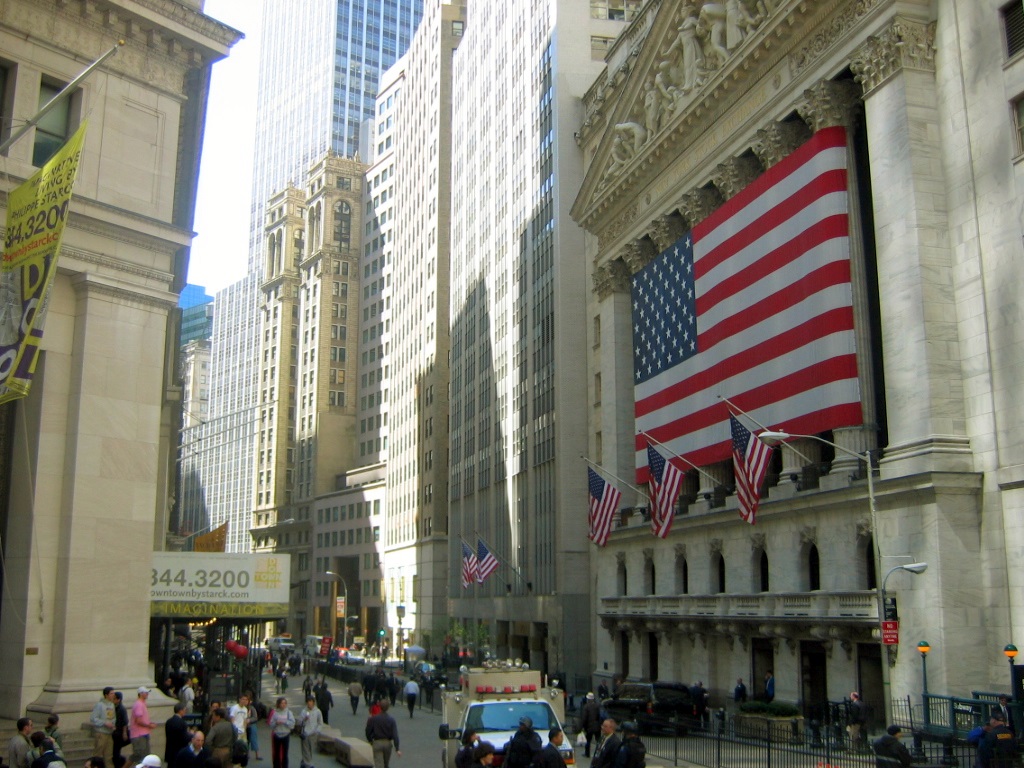
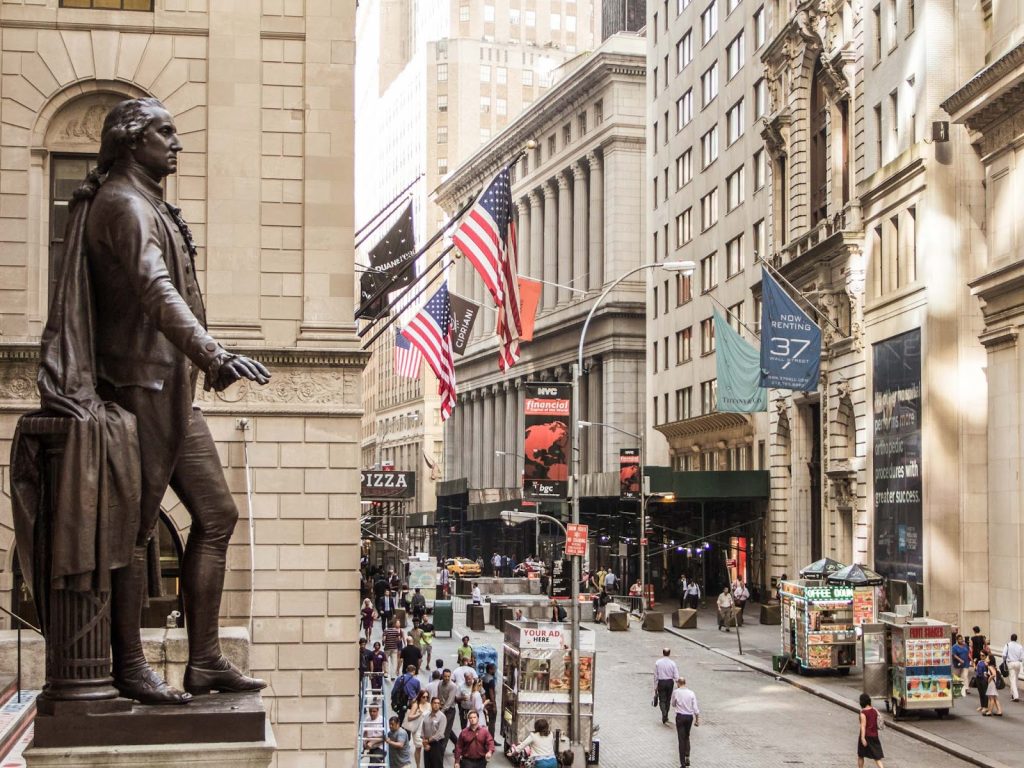
The origins of modern Wall Street date back to 1792, when 24 stockbrokers and merchants signed the Buttonwood Agreement. This accord, made under a buttonwood tree at what is now 68 Wall Street, laid the groundwork for the organized trading of securities in the United States. It established rules for commissions and prioritized dealing among signatories, creating the embryonic stages of what would become the New York Stock Exchange. The street itself was named for a defensive wall built by Dutch settlers in the 17th century. Over centuries, this small stretch of land has transformed into a global financial powerhouse, attracting capital, talent, and innovation from across the globe, becoming synonymous with American financial prowess and economic influence.
The New York Stock Exchange (NYSE)
Central to Wall Street’s identity is the New York Stock Exchange (NYSE), often referred to as “The Big Board.” Located at 11 Wall Street, the NYSE is the world’s largest stock exchange by market capitalization, home to many of the most recognizable global corporations. It functions as a primary marketplace where public companies raise capital by issuing shares (equities) to investors, and where those shares are subsequently traded among investors in the secondary market. While the iconic trading floor with its bustling specialists and brokers remains a powerful symbol, much of the NYSE’s trading activity today is electronic, driven by sophisticated algorithms and high-speed networks. Listing on the NYSE is a hallmark of corporate achievement, subjecting companies to rigorous regulatory scrutiny and offering unparalleled access to global capital. The daily opening and closing bell ceremonies remain powerful rituals, marking the rhythm of the financial world.
Key Players and Institutions
Wall Street is populated by a diverse array of institutions and professionals, each playing a critical role in the flow of capital and the functioning of markets. Understanding these players is essential to comprehending the financial landscape.
Investment Banks and Brokerage Firms
Investment banks are the architects of large-scale financial transactions. They primarily serve corporations, governments, and institutional investors, assisting them in raising capital through the issuance of securities (such. as Initial Public Offerings, or IPOs, and bond offerings), and advising on mergers, acquisitions, and corporate restructuring. Firms like Goldman Sachs, Morgan Stanley, and JPMorgan Chase are prominent examples, offering a vast array of services from underwriting to sales and trading of various financial instruments. Brokerage firms, on the other hand, facilitate the buying and selling of securities for individual and institutional clients. They provide access to markets, offer research, and may provide financial advice. The rise of online brokerages has significantly lowered barriers to entry for individual investors, democratizing access to financial markets.
Hedge Funds and Private Equity
Beyond traditional banks, Wall Street houses sophisticated alternative investment vehicles. Hedge funds are privately managed investment funds that employ aggressive strategies — including short selling, leverage, and derivatives — to generate high returns, regardless of market direction. They typically cater to accredited investors and institutions, charging both a management fee and a performance fee. Private equity firms, in contrast, invest directly into private companies or engage in buyouts of public companies, taking them private. They often aim to improve the operational efficiency and profitability of these companies over several years before selling them or taking them public again. Venture capital, a subset of private equity, focuses on funding early-stage, high-growth companies. These funds play a crucial role in providing capital for innovation and corporate restructuring, driving significant economic change.
Regulatory Bodies and Government Influence
The sheer scale and complexity of Wall Street necessitate robust oversight to maintain market integrity, prevent fraud, and protect investors. Key regulatory bodies include the Securities and Exchange Commission (SEC), which enforces federal securities laws, and the Financial Industry Regulatory Authority (FINRA), which oversees broker-dealers. The Federal Reserve, the U.S. central bank, plays a pivotal role in maintaining financial stability and influencing economic activity through monetary policy, such as setting interest rates. Government policies, including taxation, fiscal spending, and trade agreements, also exert a profound influence on market sentiment and the profitability of Wall Street firms, underscoring the interconnectedness of finance and public policy.
The Markets: Beyond Stocks
While stocks capture much of the public imagination, Wall Street encompasses a far broader spectrum of financial markets, each serving distinct purposes and catering to different investment objectives and risk profiles.
Equities and Public Companies
Equity markets, where shares of public companies are traded, represent ownership stakes in businesses. When you buy a stock, you become a part-owner of that company. The value of these shares fluctuates based on company performance, industry trends, economic outlook, and investor sentiment. Major stock market indices like the S&P 500, Dow Jones Industrial Average, and Nasdaq Composite serve as vital barometers of the overall health of the U.S. economy and specific sectors, providing benchmarks for investor performance and guiding economic analysis.
Bonds and Fixed Income
Bonds are essentially loans made by investors to governments or corporations. When you buy a bond, you are lending money to the issuer, who promises to pay you back the principal amount at maturity and regular interest payments along the way. Bonds are considered “fixed income” instruments because their returns are typically fixed and predictable. They are crucial for funding government operations, infrastructure projects, and corporate expansion. The bond market is vast and diverse, encompassing U.S. Treasury bonds, municipal bonds, corporate bonds, and many other types, offering varying levels of risk and return.
Commodities and Derivatives
Commodity markets deal with raw materials such as crude oil, natural gas, gold, silver, wheat, and corn. These markets are essential for industries that rely on these inputs, providing mechanisms for price discovery, hedging against price fluctuations, and speculative trading. Derivatives, such as futures and options, are financial contracts whose value is derived from an underlying asset (which could be a stock, bond, commodity, or currency). They are powerful tools used for both risk management (hedging) and speculation, allowing investors to manage exposure to price movements without owning the underlying asset directly.
Foreign Exchange (Forex)
The foreign exchange market, or Forex, is the largest and most liquid financial market in the world, where currencies are traded. It is a decentralized global market where individuals, companies, and central banks exchange currencies. Forex trading is crucial for international trade and investment, enabling businesses to convert currencies for transactions and investors to capitalize on exchange rate fluctuations. The value of a currency against another is influenced by a myriad of factors, including interest rates, economic growth, geopolitical events, and trade balances.
The Impact of Wall Street on Everyday Life
The activities on Wall Street, though often seemingly distant, profoundly influence the financial well-being and economic opportunities of individuals and businesses far beyond Lower Manhattan.
Capital Formation and Economic Growth
Wall Street is a critical engine of capital formation, facilitating the flow of money from savers to businesses that need funding for expansion, innovation, and job creation. Companies raise capital through stock sales and bond issuances, which allows them to invest in new technologies, build factories, hire employees, and develop new products and services. This process is fundamental to economic growth, productivity enhancements, and overall prosperity. Without efficient capital markets, economic development would be severely hampered, limiting opportunities for businesses and individuals alike.
Retirement Savings and Investment Opportunities
For many individuals, Wall Street is the gateway to long-term financial security. Pensions, 401(k)s, IRAs, and other retirement vehicles channel billions of dollars into the markets through mutual funds, exchange-traded funds (ETFs), and individual securities. Wall Street provides the infrastructure and products that enable individuals to invest for their future, grow their wealth, and achieve financial goals such like homeownership, education funding, and a comfortable retirement. Understanding how these investments work, and the importance of diversification and long-term planning, is crucial for personal financial management.
Market Volatility and Risk
While Wall Street offers immense opportunities, it is also a realm of inherent risk and volatility. Economic recessions, geopolitical crises, technological disruptions, and speculative bubbles can trigger sharp market downturns, impacting investment portfolios and economic confidence. Events like the 2008 financial crisis or the dot-com bubble burst serve as stark reminders of the interconnectedness of global finance and the potential for widespread economic fallout. For individual investors, managing risk through diversification, informed decision-making, and a long-term perspective is paramount to navigating market fluctuations.
Modern Wall Street: Technology and Evolution
The traditional image of a bustling trading floor, while still iconic, increasingly gives way to a technologically driven landscape. Modern Wall Street is continuously evolving, shaped by innovation and global connectivity.
Algorithmic Trading and Fintech
Technology has revolutionized trading, moving much of the action from physical floors to vast data centers. Algorithmic trading, including high-frequency trading (HFT), uses complex computer programs to execute trades at lightning speeds, capitalizing on minute price discrepancies. Quantitative analysis, driven by powerful computing, now informs a significant portion of investment decisions. The broader rise of financial technology (Fintech) has further democratized access to financial services, offering innovations like mobile banking, robo-advisors for automated investment management, peer-to-peer lending platforms, and digital payment solutions. These advancements are making financial services more accessible, efficient, and personalized for a wider audience.
Decentralization and Digital Assets
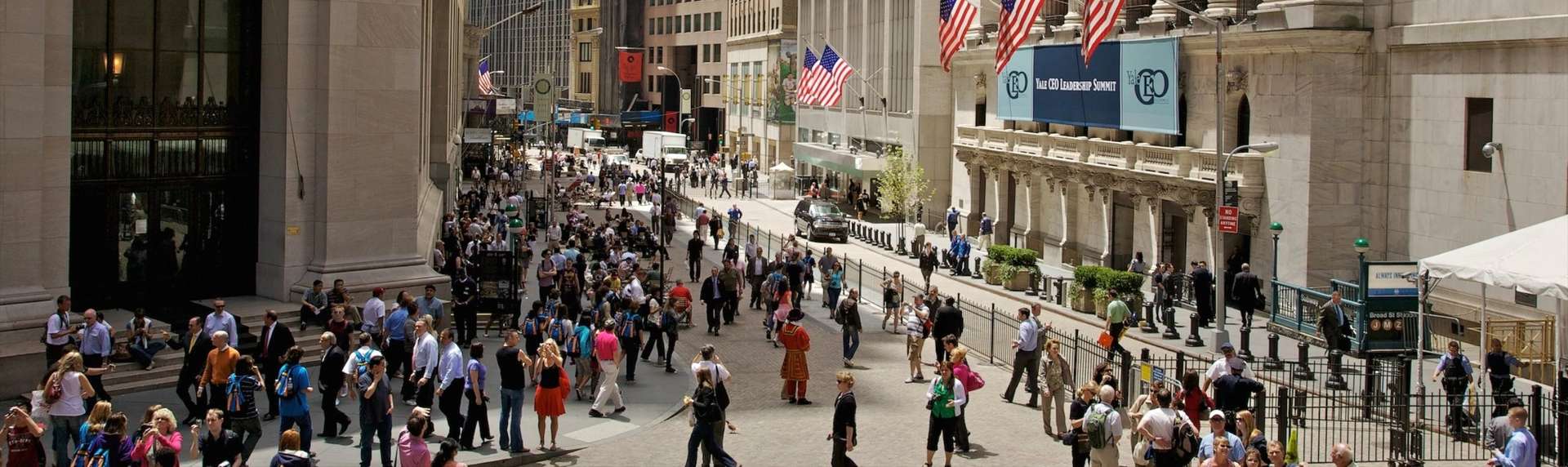
A newer, yet rapidly growing, frontier for Wall Street involves blockchain technology, cryptocurrencies, and decentralized finance (DeFi). Digital assets like Bitcoin and Ethereum are challenging traditional financial paradigms by offering decentralized, transparent, and immutable transaction systems. While highly volatile and still evolving, DeFi platforms aim to recreate traditional financial services—like lending, borrowing, and trading—without relying on central intermediaries. Wall Street institutions are increasingly exploring and integrating these technologies, recognizing their potential to reshape capital markets, enhance efficiency, and open new avenues for investment and financial innovation, potentially ushering in a new era for global finance.
aViewFromTheCave is a participant in the Amazon Services LLC Associates Program, an affiliate advertising program designed to provide a means for sites to earn advertising fees by advertising and linking to Amazon.com. Amazon, the Amazon logo, AmazonSupply, and the AmazonSupply logo are trademarks of Amazon.com, Inc. or its affiliates. As an Amazon Associate we earn affiliate commissions from qualifying purchases.