
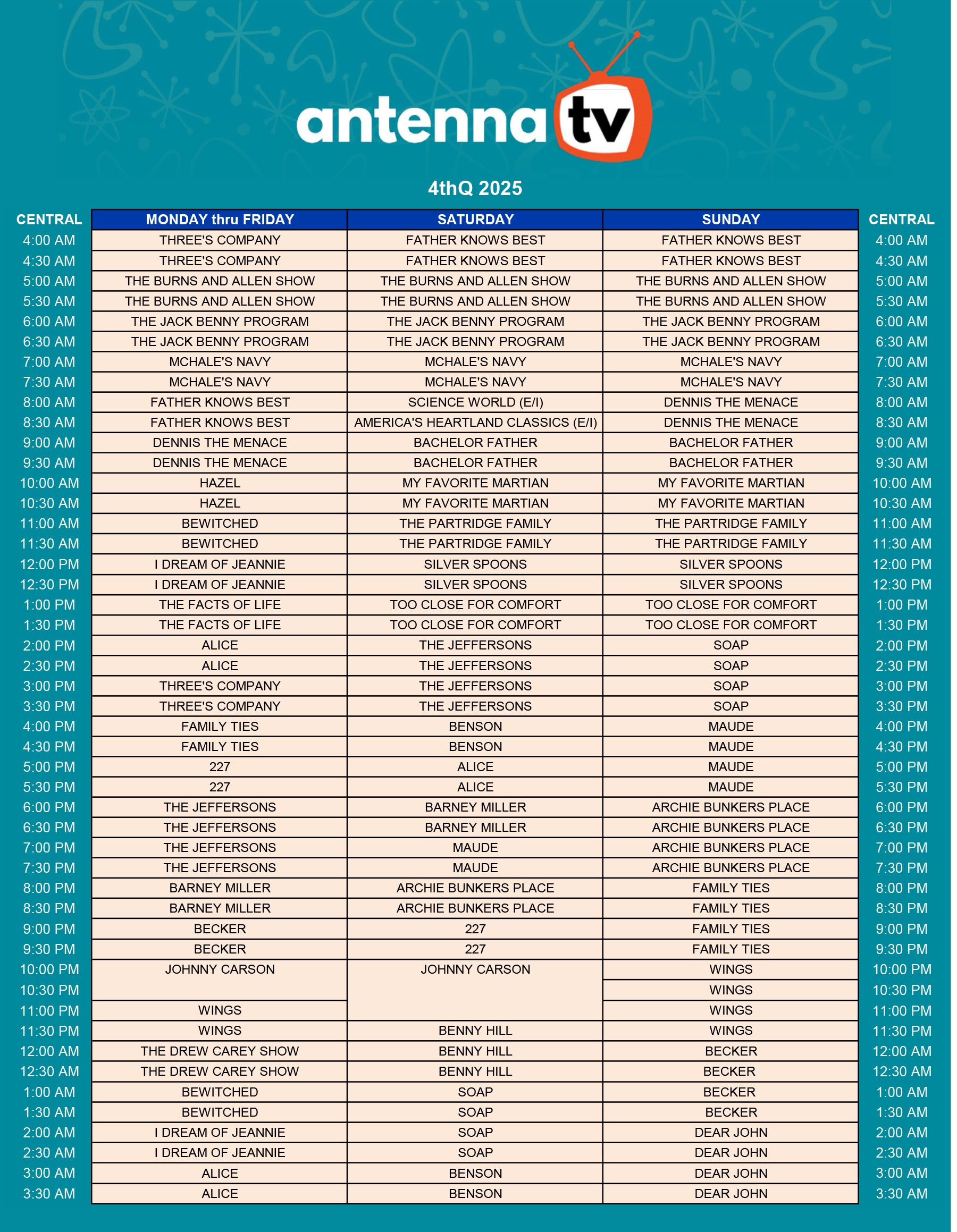
The simple, seemingly innocuous question, “What is on TV tonight?”, once posed with a casual flick through a printed guide or a hopeful channel surf, has evolved dramatically in the digital age. Today, it’s a question that unlocks a universe of technological innovation, a complex web of software, AI, apps, and gadgets designed to help us navigate an almost infinite ocean of content. Far from being a mere query about scheduling, “What is on TV tonight?” has become a touchstone for understanding how technology is redefining media consumption, offering unprecedented choice while simultaneously presenting the challenge of discovery. This article delves into the technological underpinnings that empower our evening viewing decisions, exploring the tools, trends, and systems that transform a simple question into an engaging, personalized entertainment experience.

The Evolution of TV Discovery: From Listings to Algorithms
The journey of finding something to watch on television is a fascinating chronicle of technological progress. What began as a passive reception of scheduled broadcasts has transformed into an active, on-demand quest powered by sophisticated digital tools. Understanding this evolution is key to appreciating the current state of entertainment technology.
The Analog Era: TV Guides and Channel Surfing
For decades, answering “What is on TV tonight?” involved tangible, often paper-based solutions. Printed TV guides, delivered weekly or found in daily newspapers, were the primary interface. These static schedules provided a linear list of programming across a limited number of channels. Discovery was a manual process of scanning grids, highlighting interesting shows, and meticulously noting start times. Complementing this was the classic act of “channel surfing” – using a remote control to flick through available channels, hoping to stumble upon something engaging. This era, while nostalgic, highlights the limitations of a broadcast-centric model, where viewer agency was minimal, and serendipitous discovery was the primary, often frustrating, method of finding content.
The Digital Shift: EPGs and Early Online Listings
The advent of digital television signaled a pivotal shift. Electronic Program Guides (EPGs) emerged as the digital successor to paper listings, integrating dynamic schedules directly into the television interface. EPGs offered real-time updates, genre filtering, and often a basic search function, providing a significant leap in convenience. Simultaneously, the internet began to host dedicated TV listing websites, offering more comprehensive schedules, show descriptions, and the ability to set reminders. While still largely tied to linear broadcast schedules, these early digital tools introduced the concepts of interactive navigation and centralized information, laying the groundwork for more advanced content discovery systems. The transition from analog to digital data fundamentally changed how information about television programming was stored, accessed, and presented, moving towards a more user-centric, albeit still schedule-bound, experience.
The Streaming Revolution: On-Demand and Personalization
The true paradigm shift arrived with the streaming revolution. Services like Netflix, Hulu, and later Disney+, Amazon Prime Video, and countless others, decoupled content from broadcast schedules entirely. “What is on TV tonight?” no longer meant “What is being broadcast tonight?” but rather “What content is available for me to watch right now?” This shift introduced the immense challenge of content discovery in an on-demand, vast library environment. Technology responded with sophisticated recommendation algorithms, personalized home screens, and genre-based categorizations. The emphasis moved from finding a specific time slot to finding specific content tailored to individual tastes. This era has fundamentally reshaped viewer expectations, making instant access and personalized suggestions the new standard for answering the eternal question of evening entertainment.
Essential Tech Tools for Tonight’s Viewing
Today, finding something to watch “tonight” is less about tuning in and more about logging in. A suite of integrated technologies works in concert to bring content to our screens, offering convenience and control unimaginable just a few decades ago. These tools are the backbone of modern content discovery.
Smart TVs and Integrated Platforms
At the heart of the modern living room is the Smart TV, a powerful computing device that goes far beyond simply displaying images. Smart TVs run dedicated operating systems (e.g., Roku TV, WebOS, Tizen, Android TV) that integrate internet connectivity, app stores, and intuitive user interfaces. These platforms serve as central hubs for content, allowing users to switch seamlessly between linear TV channels, myriad streaming applications, and even web browsing. Integrated search functions often allow users to search across multiple installed apps, pulling up relevant shows or movies regardless of their originating service. The evolution of Smart TV hardware, from processing power to display technologies (4K, OLED, Mini-LED), ensures that the viewing experience is not only accessible but also visually immersive, making the act of finding and watching content a unified, high-quality experience.
Streaming Aggregators and Universal Search
With the proliferation of streaming services, the “paradox of choice” became a real hurdle. Subscribing to multiple platforms meant juggling various apps, each with its own interface and content library. This led to the rise of streaming aggregators and universal search platforms. Devices like Roku, Amazon Fire TV, Apple TV, and Google Chromecast, alongside integrated Smart TV software, act as central portals. Their universal search capabilities allow users to type in a show title or actor, and the system will identify which subscribed services offer that content, along with pricing options for rental or purchase if it’s not included in a subscription. Furthermore, dedicated aggregator apps (e.g., Reelgood, JustWatch) compile content from virtually every major streaming service, offering personalized watchlists, availability alerts, and genre-specific browsing across the entire digital landscape. These tools are crucial for overcoming fragmentation and providing a unified answer to “What is on TV tonight?” across a multitude of sources.
Dedicated Apps for Broadcasters and OTT Services
While aggregators simplify discovery, the viewing itself typically happens within dedicated applications. Every major broadcaster, cable provider, and Over-The-Top (OTT) streaming service offers its own proprietary app (e.g., HBO Max, Peacock, Paramount+, BBC iPlayer, ESPN+). These apps are engineered for specific platforms (Smart TVs, mobile devices, gaming consoles) and are optimized for delivering high-quality video, managing user profiles, and integrating bespoke features like watchlists, download options for offline viewing, and live event access. The user experience within these apps is critical; intuitive navigation, robust search functionalities, and stable streaming performance are paramount. They represent the final technological layer that connects the discovered content to the act of consumption, ensuring that the journey from question to viewing is as smooth and high-fidelity as possible.
The Role of AI and Machine Learning in Content Curation
Beyond simple search and aggregation, Artificial Intelligence (AI) and Machine Learning (ML) have become indispensable in answering “What is on TV tonight?” These sophisticated technologies power the personalization engines that guide viewers through the overwhelming volume of available content, making discovery both efficient and eerily accurate.
Personalized Recommendations and Predictive Algorithms

The most prominent application of AI in content discovery is personalized recommendations. Algorithms analyze vast datasets, including a user’s viewing history, ratings, watch patterns (e.g., genres, actors, directors, completion rates), time of day watching, and even interactions with other users who share similar tastes (collaborative filtering). Based on this analysis, the algorithms predict what a user is most likely to enjoy, surfacing these suggestions on their home screen or in dedicated recommendation rows. These predictive algorithms continuously learn and adapt, refining their suggestions with every interaction. For a viewer asking “What is on TV tonight?”, this means a curated list of potential options is often waiting for them, minimizing browsing time and maximizing the likelihood of finding appealing content instantly. This transforms the discovery process from a hunt into a personalized showcase.
Voice Assistants and Natural Language Processing
Voice-activated assistants (e.g., Amazon Alexa, Google Assistant, Apple Siri, Bixby on Samsung TVs) have revolutionized interaction with entertainment systems. Powered by Natural Language Processing (NLP) and machine learning, these assistants allow users to simply speak their queries or commands. Instead of typing, one can ask, “Show me action movies with Denzel Washington,” or “Play the latest episode of [show name],” or directly, “What’s on TV tonight?” The NLP engine interprets these spoken commands, translating them into actionable searches across connected apps and services. This hands-free interaction reduces friction, makes content discovery more accessible, and provides an immediate, intuitive response to the desire for entertainment. The accuracy and responsiveness of these voice assistants are continually improving through ML, making them increasingly integral to the “tonight” viewing experience.
Beyond Simple Suggestions: Discovery Engines
Modern content platforms are moving beyond basic “you might also like” suggestions. Advanced discovery engines leverage AI to understand not just what a user watches, but why they watch it. This involves deeper semantic analysis of content, understanding narrative themes, emotional resonance, and even visual cues. Some systems utilize contextual data, such as trending topics, local events, or even time-of-day preferences, to offer highly relevant suggestions. For instance, an AI might suggest a feel-good comedy on a Friday night or a tense drama on a quiet Sunday afternoon, based on observed patterns. These engines are designed to break users out of “filter bubbles” by subtly introducing them to new genres or diverse content that aligns with deeper, less obvious aspects of their viewing profile, constantly enriching the answer to “What is on TV tonight?” with novel and compelling options.
Enhancing the “Tonight” Experience: Features and Future Trends
The quest for “what is on TV tonight” is not just about finding content, but about enjoying it fully. Technology continues to evolve, adding layers of convenience, interactivity, and immersion to the viewing experience, pushing the boundaries of what is possible in home entertainment.
Multi-Device Sync and Cross-Platform Continuity
Modern entertainment ecosystems prioritize seamless transitions across devices. Multi-device sync ensures that a user can start watching a movie on their Smart TV, pause it, and then pick up exactly where they left off on a tablet or smartphone, or even a laptop. This cross-platform continuity is powered by cloud-based user profiles that track viewing progress, preferences, and watchlists across all connected devices. This technological integration is crucial for the modern viewer who consumes content on the go and wants flexibility in their “tonight” viewing, whether they are at home or commuting. It represents a fundamental shift from a single-screen experience to a personalized, ubiquitous content journey.
Interactive Viewing and Social Integration
Beyond passive consumption, technology is enabling more interactive and social viewing experiences. Features like “watch parties” allow friends in different locations to sync their playback and chat in real-time. Second-screen experiences (using a tablet or phone alongside the TV) offer supplementary content, polls, trivia, or deeper dive information related to the show being watched. Social media integration allows viewers to share their reactions, reviews, and recommendations instantly. While still nascent for mainstream adoption, these features promise to transform the solitary act of watching TV into a more communal and engaging event, adding a new dimension to how we discover and discuss “what is on TV tonight.”
The Future of Content Discovery: Hyper-Personalization and Immersive Experiences
Looking ahead, the answer to “What is on TV tonight?” will become even more personalized and immersive. Hyper-personalization, driven by increasingly sophisticated AI, will anticipate viewing desires before they are even consciously formed, presenting content tailored to mood, context, and even biometric data. Augmented Reality (AR) and Virtual Reality (VR) could transform the viewing environment itself, allowing users to watch content within virtual cinemas, interact with characters, or experience stories in truly immersive ways. Imagine navigating a personalized content hub in 3D space or having an AI assistant suggest content based on your emotional state detected via wearables. These futuristic technologies promise to make content discovery not just efficient, but an experience in itself, blurring the lines between searching for content and becoming part of the narrative.
Digital Security and Privacy in the Smart TV Ecosystem
As technology makes finding “what is on TV tonight” easier and more personalized, it also introduces critical considerations around digital security and user privacy. Smart TVs and streaming platforms collect vast amounts of data, making robust security protocols and informed user practices essential.
Protecting Your Viewing Habits and Data
Smart TVs and streaming services operate by collecting data on user viewing habits, preferences, search queries, and even device usage. This data is invaluable for personalizing recommendations and delivering targeted advertising. However, it also raises privacy concerns. Unauthorized access to this data could reveal sensitive information about individuals’ entertainment choices, routines, and even household demographics. Furthermore, the increasing connectivity of Smart TVs means they are potential entry points for cyber threats. Vulnerabilities in software or network configurations could allow malicious actors to gain access to the device, potentially impacting other connected devices on the home network or compromising personal information stored within the TV’s apps.
Best Practices for Smart TV Security
To safeguard privacy and security in the modern TV ecosystem, users must adopt several best practices. Firstly, regularly update your Smart TV’s software and apps. Manufacturers frequently release patches to address newly discovered vulnerabilities. Secondly, use strong, unique passwords for your streaming accounts and Wi-Fi network. Avoid default passwords where possible. Thirdly, review and understand the privacy policies of your Smart TV manufacturer and streaming services. Adjust privacy settings to limit data collection where possible, opting out of targeted advertising if desired. Fourthly, be cautious about installing third-party apps from unverified sources, as these can harbor malware. Finally, consider segmenting your home network with a guest Wi-Fi network for smart devices, isolating them from your primary devices that hold more sensitive data. By taking proactive steps, users can enjoy the convenience of modern content discovery without unduly compromising their digital security and personal privacy.
Conclusion
The simple question, “What is on TV tonight?”, has become a profound gateway into understanding the intricate landscape of modern technology. From the archaic charm of paper guides to the sophisticated algorithms of AI-driven recommendation engines, technology has transformed not just how we find content, but how we interact with, consume, and even anticipate entertainment. Smart TVs, streaming aggregators, voice assistants, and the relentless march towards hyper-personalization are all dedicated to making the evening’s viewing decision effortless, engaging, and deeply personal. As the boundaries of content delivery and interaction continue to expand, powered by innovations in software, AI, and connectivity, the answer to “What is on TV tonight?” will only become richer, more immediate, and increasingly tailored to the individual. The future promises an entertainment experience so intuitive and immersive, that the question itself might one day become redundant, replaced by a seamless, technology-orchestrated flow of personalized stories waiting just for us.
aViewFromTheCave is a participant in the Amazon Services LLC Associates Program, an affiliate advertising program designed to provide a means for sites to earn advertising fees by advertising and linking to Amazon.com. Amazon, the Amazon logo, AmazonSupply, and the AmazonSupply logo are trademarks of Amazon.com, Inc. or its affiliates. As an Amazon Associate we earn affiliate commissions from qualifying purchases.