
In the modern marketplace, a brand is often reduced to a logo, a color palette, or a clever slogan. However, the most enduring brands are those that encompass an entire ecosystem of history, emotion, and physical experience. When we ask “What is Old San Juan?”, we are not merely asking for a geographical coordinate or a historical summary. From a brand strategy perspective, Old San Juan is one of the world’s most successful examples of destination branding—a masterclass in how a physical location can leverage cultural identity and heritage to create a globally recognized “premium” experience.

Old San Juan serves as the historic heartbeat of Puerto Rico, but for brand architects, it represents the pinnacle of “place branding.” It is a 500-year-old entity that has managed to maintain brand consistency while evolving to meet the demands of the digital-first, experience-driven economy. By analyzing the structural components of this “brand,” we can uncover deep insights into how legacy, aesthetics, and storytelling converge to create immense market value.
The Architecture of a Brand: Defining the Visual Identity of Old San Juan
Every successful brand requires a distinct visual language that is immediately recognizable and impossible to replicate. Old San Juan’s visual identity is its greatest asset, functioning as a silent ambassador for the Puerto Rican experience. Unlike modern urban centers that often prioritize functional minimalism, Old San Juan adheres to a strict aesthetic code that builds immense brand equity.
The Chromatic Palette and Aesthetic Consistency
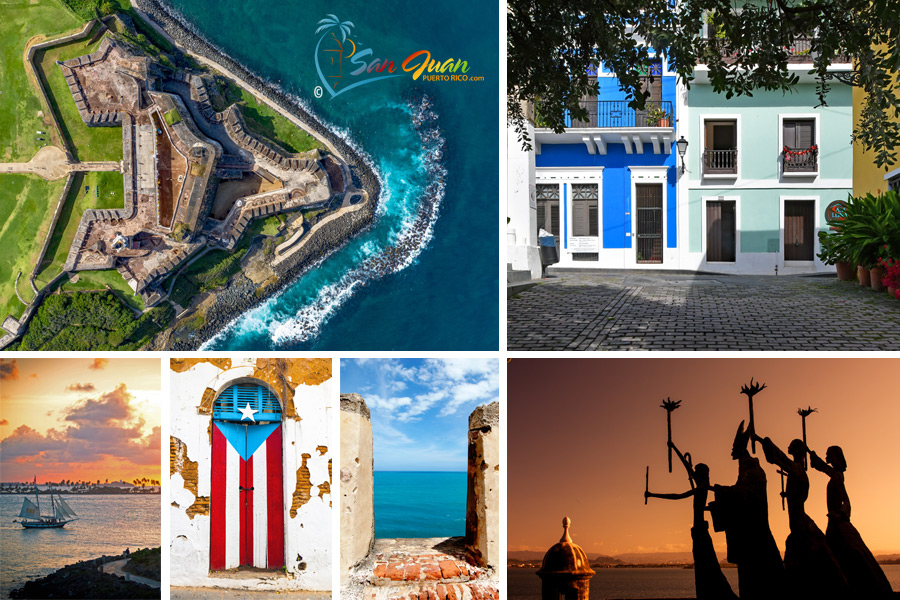
One of the core tenets of brand strategy is consistency. In Old San Juan, this is manifested through the vibrant, pastel-colored facades of its Spanish colonial buildings. This isn’t a random occurrence; it is a curated visual identity. The use of specific hues—terracotta, sky blue, seafoam green, and sun-washed yellow—creates a cohesive “brand kit” that spans dozens of city blocks.
This visual consistency does more than just look attractive; it creates a “sense of place” that is essential for differentiation. In a competitive global tourism market, where travelers have infinite choices, Old San Juan uses its color palette to establish a unique market position. When a consumer sees a photo of a blue cobblestone street lined with pastel balconies, they do not need a caption to know where it is. This is the ultimate goal of visual branding: instant recognition without the need for textual cues.
Historical Integrity as a Unique Selling Proposition (USP)
In the world of marketing, a Unique Selling Proposition (USP) is what sets a product apart from its competitors. Old San Juan’s USP is its authenticity. The blue cobblestones (adoquines), originally cast from furnace slag in Spain and brought over as ballast in ships, serve as a physical manifestation of the brand’s origin story.
By preserving these elements, the “brand managers” of the city—local government, historians, and residents—ensure that the product remains premium. In an era where “fast” and “disposable” are the norms, the enduring nature of Old San Juan’s fortifications, such as El Morro and San Cristóbal, provides a sense of permanence and reliability. This historical integrity attracts a high-value demographic looking for depth and narrative rather than just superficial entertainment.
Cultural Storytelling: Converting Heritage into Brand Equity
A brand without a story is just a commodity. Old San Juan transcends the status of a “tourist destination” by weaving a complex narrative of resilience, collision, and fusion. This storytelling is what allows the brand to command higher price points in hospitality and retail compared to generic beach resorts.
Leveraging Narrative to Drive Global Recognition
The story of Old San Juan is one of a “Walled City” that stood as the gateway to the New World. This narrative is strategically utilized in marketing campaigns to position the district as a site of historical gravity. By framing the city as a witness to centuries of global trade, naval warfare, and cultural evolution, the brand creates an emotional connection with its audience.
For brand strategists, this is known as “Heritage Branding.” It is the same principle used by luxury watchmakers or heritage automotive brands. By emphasizing the “since 1521” aspect of the identity, Old San Juan establishes a level of authority that younger destinations cannot compete with. This narrative of longevity builds trust and prestige, allowing the brand to withstand economic fluctuations and shifts in travel trends.
The Intersection of Tradition and Modernity
A common pitfall for legacy brands is the failure to stay relevant. Old San Juan avoids this by acting as a living laboratory where tradition meets modern lifestyle branding. The district is not a museum; it is a functioning commercial hub. This “lived-in” quality is crucial for its brand health.
The presence of world-class mixology bars, artisan coffee shops, and contemporary art galleries within 16th-century structures creates a “tension” that modern consumers find compelling. This is the “Heritage-Modernity” bridge. It allows the brand to appeal to multiple segments: the history buff, the luxury traveler, and the “digital nomad” seeking an authentic backdrop for their work-life balance. By successfully blending these two worlds, Old San Juan maintains its status as a dynamic, evolving brand rather than a stagnant relic.
The Strategic Impact of Preservation on Market Positioning
In corporate branding, “protection” usually refers to trademarks and patents. In destination branding, protection takes the form of historic preservation. The decision to maintain the structural integrity of Old San Juan is a strategic business move that ensures the long-term viability of its market position.
Sustainable Growth through Cultural Conservation
From a business finance perspective, preservation is an investment in capital assets. The designation of Old San Juan as a UNESCO World Heritage site is equivalent to receiving a global “seal of quality.” This endorsement reduces the perceived risk for investors and increases the value of the surrounding real estate.
By strictly regulating what can be built or changed within the district, the brand ensures that it will not be “diluted.” We see many global destinations lose their brand value when over-development leads to a loss of character. Old San Juan’s commitment to its original “design specs” ensures that the product remains scarce and, therefore, valuable. This scarcity drives demand, allowing the local economy to sustain high-end boutique hotels and exclusive retail experiences.
Differentiation in a Competitive Tourism Market
The Caribbean market is highly saturated with sun-and-sand offerings. To compete, a brand must offer something that cannot be easily replicated. A new resort can build a better pool or a bigger spa, but it cannot manufacture 500 years of history.
Old San Juan uses this inherent differentiation to position itself as a “cultural capital.” This shift in positioning allows for a more diversified revenue stream. Instead of relying solely on seasonal beach tourism, the brand attracts cruise passengers, corporate conventions, and cultural pilgrims year-round. This multi-channel approach to brand exposure creates a more resilient economic foundation for the city.
Digital Ecosystem and the Evolution of the Old San Juan Experience
In the 21st century, a brand’s physical presence must be matched by a robust digital footprint. Old San Juan has become one of the most “Instagrammable” locations in the Western Hemisphere, a development that has fundamentally changed its marketing funnel.
Social Proof and the Power of User-Generated Content
Modern brand strategy relies heavily on “social proof”—the idea that consumers trust other consumers more than they trust advertisements. The aesthetic density of Old San Juan (the umbrellas on Fortaleza Street, the colorful doors, the expansive views from the fort walls) makes it a factory for user-generated content (UGC).
Every photo shared on social media acts as a micro-endorsement of the brand. This organic reach provides millions of dollars in “earned media” value every year. The brand does not need to spend heavily on traditional billboard advertising when its customers are actively creating high-quality promotional content for free. This digital resonance keeps the brand top-of-mind for global travelers and ensures a constant influx of new “leads” into the destination’s ecosystem.
Adapting Legacy Brands for the Digital Age
While the physical “product” of Old San Juan is centuries old, its marketing is increasingly high-tech. From augmented reality tours of the forts to the integration of seamless digital payments in local shops, the brand is adapting to the expectations of a tech-savvy audience.
For a brand strategist, this is the “Customer Journey” optimization. The goal is to make the transition from the digital discovery phase to the physical experience as frictionless as possible. Old San Juan’s ability to remain “old-world” while supporting a modern digital infrastructure is a key component of its continued success. It proves that a brand does not need to sacrifice its soul to be functional in a digital world.

Lessons for Modern Brand Architects
What can corporate leaders and brand strategists learn from Old San Juan? The primary takeaway is the power of “Authentic Identity.” In a world increasingly filled with synthetic experiences and AI-generated content, the “real” has become the ultimate luxury.
Old San Juan teaches us that:
- Consistency is King: A unified visual and narrative theme creates lasting recognition.
- Legacy is an Asset: History should not be hidden; it should be leveraged as a premium differentiator.
- The Experience is the Product: A brand is not what you say it is; it is how the consumer feels when they are inside its ecosystem.
- Adaptation is Mandatory: To stay relevant, a brand must find ways to integrate modern technology and consumer habits without losing its core identity.
In conclusion, Old San Juan is far more than a neighborhood. It is a powerful, multi-dimensional brand that exemplifies how culture and history can be curated into a world-class economic engine. It stands as a testament to the idea that when you protect your identity, you protect your value. For anyone interested in the intersection of branding, culture, and business, Old San Juan provides a blueprint for building something that truly lasts.
aViewFromTheCave is a participant in the Amazon Services LLC Associates Program, an affiliate advertising program designed to provide a means for sites to earn advertising fees by advertising and linking to Amazon.com. Amazon, the Amazon logo, AmazonSupply, and the AmazonSupply logo are trademarks of Amazon.com, Inc. or its affiliates. As an Amazon Associate we earn affiliate commissions from qualifying purchases.