
In the modern technological landscape, the lifecycle of an employee is often defined by two critical bookends: onboarding and offboarding. While onboarding focuses on the integration of talent and the provisioning of tools, offboarding is the strategic, technical, and security-focused process of transitioning an employee out of an organization. In a world dominated by cloud computing, remote work, and a proliferation of Software-as-a-Service (SaaS) platforms, offboarding has shifted from a mere HR formality to a critical pillar of IT operations and digital security.
Technically speaking, offboarding is the systematic deactivation of access, the retrieval of assets, and the securing of proprietary data. It is a complex workflow designed to ensure that when a professional relationship ends, the organization’s digital perimeter remains unbreached and its operational continuity remains intact.
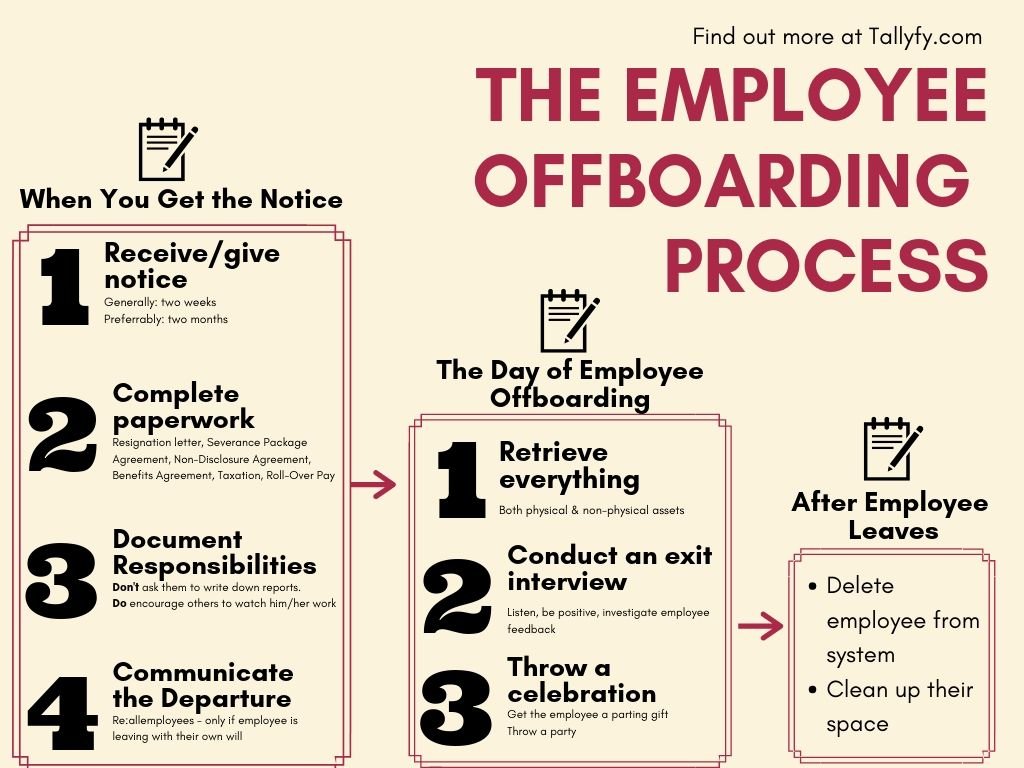
The Digital Infrastructure of Offboarding: Securing the Perimeter
At its core, tech-centric offboarding is about identity and access management (IAM). When an employee leaves, they leave behind a “digital footprint” spread across dozens, if not hundreds, of applications. Failure to manage this footprint creates significant vulnerabilities.
Revoking Access to SaaS and Cloud Environments
The modern tech stack is fragmented. From Project Management tools like Jira and Asana to communication hubs like Slack and Microsoft Teams, an average employee may have credentials for upwards of 20 different applications. Offboarding requires a meticulous “de-provisioning” process. This isn’t just about changing a password; it’s about ensuring that the user’s identity is completely severed from the enterprise environment. In cloud-native companies, this also extends to infrastructure access, such as AWS consoles or GitHub repositories, where leftover access could lead to catastrophic code leaks or unauthorized server configurations.
Multi-Factor Authentication (MFA) and Single Sign-On (SSO) Management
One of the most effective ways tech teams manage offboarding is through Single Sign-On (SSO) solutions like Okta or Microsoft Entra ID (formerly Azure AD). By utilizing a centralized identity provider, IT managers can theoretically “kill” all access with a single click. However, the offboarding process must also account for Multi-Factor Authentication (MFA). If an employee’s personal device was used as a second factor for corporate logins, that link must be formally broken and redirected to a corporate-controlled recovery method to prevent the “locked-out” scenario for shared administrative accounts.
Hardware Recovery and Data Governance in a Remote World
Offboarding is not limited to the cloud; it has a significant physical component. As remote and hybrid work models become the standard, the management of hardware—laptops, tablets, and specialized peripherals—presents a logistical and technical challenge.
Asset Management: From Laptops to Mobile Devices
The physical retrieval of hardware is the first step in protecting a company’s capital and data. Organizations often employ Mobile Device Management (MDM) software, such as Jamf or Kandji, to manage these assets. During offboarding, IT can use these tools to remotely lock a device the moment an employee departs, rendering it a “brick” until it is returned and wiped. This prevents the unauthorized removal of local data and ensures that the hardware can be refurbished and redeployed for the next hire, maximizing the ROI of the tech investment.
Data Integrity and Knowledge Transfer
Beyond the hardware itself lies the data stored within it. Offboarding involves a high-stakes transition of digital knowledge. IT teams must ensure that “orphaned data”—files stored on local drives or private cloud folders—is migrated to a centralized repository before the account is deleted. This process includes the redirection of emails and the archival of Slack histories. Without a structured technical offboarding plan, companies risk losing years of institutional knowledge, project history, and critical client communications that exist solely within a departed user’s digital workspace.
Leveraging Automation in the Offboarding Workflow

As organizations scale, manual offboarding becomes an impossible task prone to human error. The “Tech” niche has responded by developing sophisticated automation tools that transform offboarding from a manual checklist into a programmed sequence.
Using IAM (Identity and Access Management) Tools for Automated Deprovisioning
The gold standard for modern offboarding is automated de-provisioning through IAM protocols. When an HRIS (Human Resources Information System) like Workday or BambooHR marks an employee as “terminated,” a trigger is sent to the IT system. This trigger can automatically kick off a series of events: revoking API tokens, deactivating licenses, and even wiping corporate partitions on personal mobile devices (BYOD). This automation ensures that the “access gap”—the time between an employee leaving and their access being revoked—is reduced to seconds, significantly lowering the risk of disgruntled data exfiltration.
Streamlining Communication via Collaboration Platforms
Automation also plays a role in the “soft” side of tech offboarding. Automated workflows can be set up to notify relevant stakeholders. For example, a bot might automatically post in a “Security-Ops” channel when a high-level admin is offboarded, or it might automatically trigger a ticket in Zendesk for the physical collection of hardware. By integrating these communications into the existing tech stack, the IT department ensures that no step in the offboarding protocol is missed, maintaining a high level of operational discipline.
Digital Security Risks: Avoiding the “Zombie Account” Trap
The greatest threat in the offboarding process is the “Zombie Account”—a dormant account that remains active after an employee has left. These accounts are a goldmine for cybercriminals, providing an unmonitored entry point into the corporate network.
The Danger of Leftover Credentials
Leftover credentials are a primary vector for ransomware and data breaches. If an IT team forgets to deactivate a VPN account or a legacy software login, that account essentially becomes a back door. Because these accounts are no longer tied to an active employee, suspicious activity often goes unnoticed by traditional monitoring systems. Robust offboarding processes include “account discovery” audits, where IT teams use specialized tools to scan for any lingering permissions associated with a departed user’s email address.
Compliance and Regulatory Standards (GDPR, SOC2)
For tech companies, offboarding is also a matter of legal compliance. Frameworks like SOC2, ISO 27001, and GDPR require strict controls over who has access to sensitive data. An auditor looking at a company’s security posture will specifically check offboarding logs to ensure that access was revoked in a timely manner. Failure to demonstrate a consistent, documented offboarding process can lead to failed audits, loss of certifications, and heavy fines. In this context, offboarding is not just a “good practice”—it is a regulatory mandate for any business operating in the digital economy.
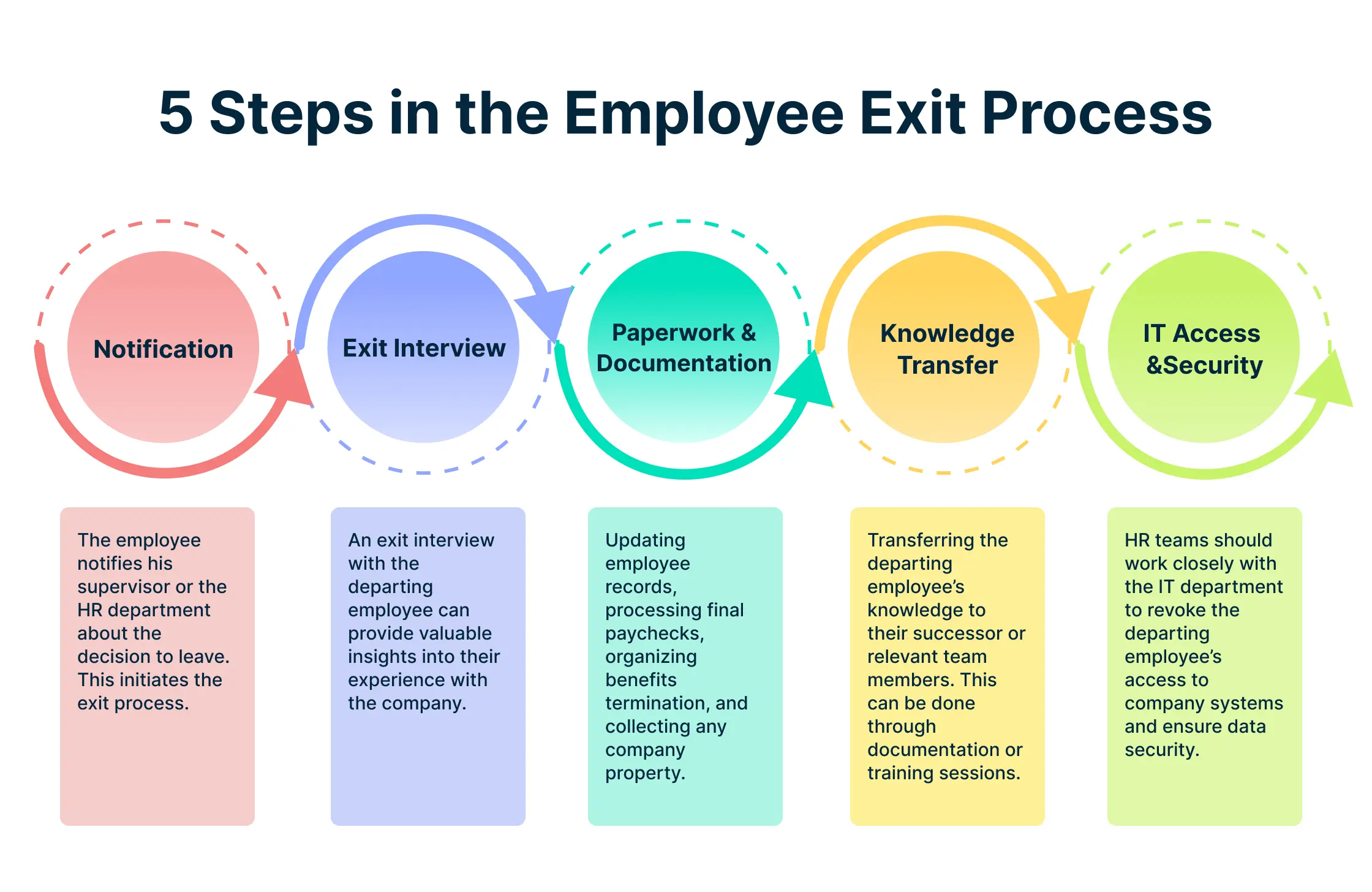
Building a Future-Proof IT Offboarding Checklist
To master the technical side of offboarding, organizations must move away from ad-hoc methods and toward a standardized, repeatable framework. A future-proof strategy considers the evolving nature of software and the increasing sophistication of cyber threats.
The checklist begins with the immediate revocation of administrative privileges. In any tech environment, those with “God-mode” access—system admins, developers with root access, and database managers—must be offboarded first and with the most scrutiny. The second phase involves license reclamation. SaaS licenses are expensive; offboarding provides an opportunity to “harvest” these licenses (e.g., a $60/month Salesforce seat) and reallocate them, directly impacting the company’s bottom line.
Finally, the process concludes with comprehensive logging. Every step of the digital offboarding process should be logged and timestamped. This creates an immutable audit trail that proves the organization took the necessary steps to secure its environment.
In conclusion, offboarding is the definitive “last mile” of the employee experience, but from a technical perspective, it is the first line of defense. By viewing offboarding through the lens of digital security, automation, and asset management, tech-forward companies can protect their most valuable assets: their data, their intellectual property, and their digital integrity. As the tools we use continue to evolve, the art of the “tech exit” will remain a vital competency for any resilient organization.
aViewFromTheCave is a participant in the Amazon Services LLC Associates Program, an affiliate advertising program designed to provide a means for sites to earn advertising fees by advertising and linking to Amazon.com. Amazon, the Amazon logo, AmazonSupply, and the AmazonSupply logo are trademarks of Amazon.com, Inc. or its affiliates. As an Amazon Associate we earn affiliate commissions from qualifying purchases.