
The term “ocular magnification” might sound like something confined to specialized scientific literature or complex optical engineering diagrams. However, its principles are fundamental to a vast array of technologies that we interact with daily, shaping how we perceive and engage with the digital and physical worlds. In the realm of technology, understanding ocular magnification is not just about comprehending how our eyes work, but more importantly, how the devices we use leverage optical principles to enhance our vision, improve user experience, and unlock new possibilities. This article will delve into the core concepts of ocular magnification within the technological context, exploring its applications in everything from everyday gadgets to sophisticated diagnostic tools.
The Fundamental Principles of Magnification in Optical Systems
At its heart, ocular magnification refers to the apparent increase in the size of an object when viewed through an optical system compared to viewing it with the naked eye. This phenomenon is achieved by manipulating light rays.
How Lenses Create Magnified Images
The primary mechanism for achieving ocular magnification is through the use of lenses. Lenses are precisely shaped pieces of transparent material, typically glass or plastic, that refract (bend) light.
Convex Lenses and Magnification
Convex lenses, which are thicker in the middle than at the edges, converge parallel light rays to a focal point. When an object is placed within the focal length of a convex lens, the lens creates a magnified, virtual image that appears larger and is located on the same side of the lens as the object. The degree of magnification depends on the lens’s curvature and the distance between the object and the lens. This principle is the bedrock of simple magnifiers, reading glasses, and the objective lenses in many optical instruments.
Concave Lenses and Their Role
While convex lenses are the workhorses for direct magnification, concave lenses (thinner in the middle than at the edges) diverge light rays. They are not directly used to create magnified images in the conventional sense but play crucial roles in complex optical systems, such as correcting refractive errors in eyeglasses or shaping the light path in telescopes and microscopes to achieve specific magnification and field of view characteristics.
Angular Magnification: The True Measure of Apparent Size
It’s important to distinguish between simple linear magnification and angular magnification. Linear magnification is the ratio of the image height to the object height. However, when we perceive size, especially at varying distances, it’s our angular perception that matters. Angular magnification, therefore, is the ratio of the angle subtended by the image at the eye to the angle subtended by the object at the unaided eye, when both are viewed from the same vantage point. This is the more relevant metric for understanding how optical devices alter our perception of size and detail.
Ocular Magnification in Everyday and Specialized Tech Devices
The abstract principles of ocular magnification are brought to life in a myriad of technological applications that enhance our interaction with information and the world around us.
Visual Augmentation in Personal Devices
From smartphones to virtual reality headsets, ocular magnification is a key enabler of modern personal technology.
Smartphone and Tablet Displays
While not always explicitly advertised as “magnification,” the small pixels and high resolution of modern smartphone and tablet displays, combined with their proximity to our eyes, effectively allow for a high density of visual information. When we zoom in on images or text, we are essentially employing a form of digital magnification, where software interpolates pixels to create a larger visual representation. This is enabled by the underlying optical properties of the device’s screen and the way our eyes perceive it.
Augmented Reality (AR) and Virtual Reality (VR) Headsets
AR and VR headsets are prime examples of technologies that rely heavily on sophisticated ocular magnification. These devices project digital imagery onto transparent displays (AR) or entirely replace the user’s visual field with digital content (VR). To achieve a convincing and immersive experience, they employ complex lens systems that magnify the displayed images, creating a sense of depth and scale. The magnification in these systems is carefully calibrated to match the user’s interpupillary distance and the desired field of view, ensuring a comfortable and engaging visual experience. The lenses in VR headsets, for instance, are typically convex and positioned to create a wide, immersive field of view with significant magnification.
Optical Instruments for Enhanced Vision
Beyond consumer electronics, ocular magnification is critical in instruments designed for detailed observation and analysis.
Microscopes: Unveiling the Microscopic World

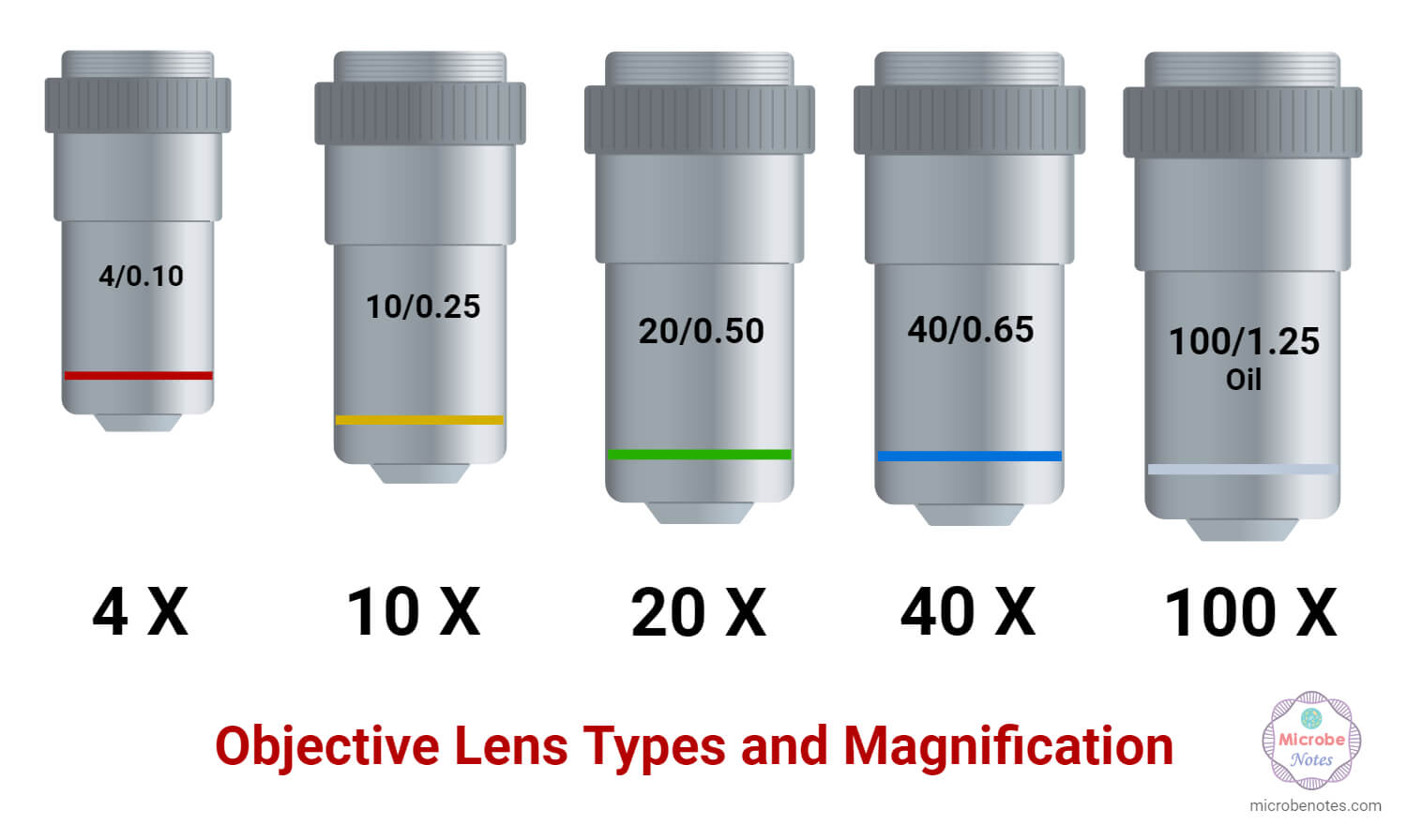
Microscopes are perhaps the most iconic devices that utilize ocular magnification. They employ a system of lenses – an objective lens and an eyepiece lens – to achieve extremely high levels of magnification, allowing us to see structures invisible to the naked eye. The objective lens provides an initial magnified image, which is then further magnified by the eyepiece lens (the lens we look through). The total magnification is the product of the magnifications of these two lenses. This technology is indispensable in fields like biology, medicine, and materials science.
Telescopes: Exploring the Cosmos and Distant Objects
Similar to microscopes, telescopes use objective lenses or mirrors to gather light from distant objects and form an initial image. This image is then magnified by an eyepiece to provide a closer view. Whether observing celestial bodies or terrestrial landscapes, the principle of ocular magnification allows us to overcome the limitations of distance and see details that would otherwise be imperceptible. The design of telescope eyepieces, in particular, is crucial for determining the final magnification and the quality of the observed image.
The Role of Magnification in Accessibility and Assistive Technologies
Ocular magnification is not just about enhancing vision for general use; it’s a vital component of technologies designed to assist individuals with visual impairments.
Digital Magnification Tools for Low Vision
Many operating systems and applications now include built-in magnification features. These software tools allow users to enlarge portions of their screen, making text, icons, and images easier to see. This digital magnification is a direct application of the concept, making digital content more accessible.
Screen Readers and Magnifiers
For individuals with significant visual impairments, specialized software combines screen reading capabilities (converting text to speech) with screen magnification. These tools enable users to navigate digital interfaces, read documents, and interact with applications by presenting magnified visual information and providing auditory feedback.
Advanced Optical Aids
Beyond digital solutions, traditional optical aids continue to evolve, incorporating principles of ocular magnification for improved visual function.
Magnifying Glasses and Loupes
Simple magnifying glasses, with their convex lenses, remain effective tools for close-up work. However, more advanced loupes, often used in fields like dentistry, jewelry making, and electronics repair, employ sophisticated lens designs to provide higher magnification with improved clarity and a wider field of view, minimizing eye strain.
Ophthalmic Lenses for Specific Conditions
Eyeglasses and contact lenses themselves are sophisticated optical instruments. While primarily designed to correct refractive errors like myopia and hyperopia, certain specialized ophthalmic lenses can also incorporate magnification elements to assist individuals with specific vision conditions, such as age-related macular degeneration, by bringing objects into sharper focus and increasing their apparent size.
Future Trends and Innovations in Ocular Magnification Technology
The continuous advancement in optical engineering and digital processing promises even more sophisticated and integrated applications of ocular magnification.
Micro-Optics and Miniaturization
The trend towards miniaturization in electronics is also impacting optical systems. The development of micro-lenses and advanced optical coatings allows for more compact and powerful magnification solutions, paving the way for new generations of wearable devices, embedded sensors, and advanced imaging systems.
AI-Powered Visual Enhancement
Artificial intelligence is beginning to play a role in visual perception. AI algorithms can analyze visual input and dynamically adjust magnification, contrast, and clarity in real-time, creating personalized visual experiences that adapt to the user’s needs and environmental conditions. This could lead to smarter AR/VR systems, more intuitive accessibility tools, and enhanced imaging for scientific research.

Integration with Haptic Feedback and Multisensory Experiences
Future technologies are likely to integrate ocular magnification with other sensory inputs. Imagine AR systems that not only magnify but also provide tactile feedback when interacting with virtual objects, or medical imaging devices that use magnification to highlight specific anatomical features and simultaneously provide auditory cues. This multisensory approach, underpinned by precise optical magnification, will offer richer and more informative user experiences. The ongoing research and development in optics, materials science, and artificial intelligence are continuously pushing the boundaries of what is possible, ensuring that ocular magnification will remain a pivotal concept in technological innovation for years to come.
aViewFromTheCave is a participant in the Amazon Services LLC Associates Program, an affiliate advertising program designed to provide a means for sites to earn advertising fees by advertising and linking to Amazon.com. Amazon, the Amazon logo, AmazonSupply, and the AmazonSupply logo are trademarks of Amazon.com, Inc. or its affiliates. As an Amazon Associate we earn affiliate commissions from qualifying purchases.