
In the contemporary beauty and personal care landscape, the relationship between a brand and its consumer has shifted from one of passive consumption to one of active interrogation. Where consumers once relied on evocative imagery and celebrity endorsements, they now scrutinize the back of the bottle. Among the complex strings of Latin names and chemical compounds, “Octyldodecanol” frequently appears. To the uninitiated, it is a daunting, multi-syllabic mystery. To a brand strategist, it represents a critical touchpoint in the narrative of transparency, efficacy, and scientific authority.
Octyldodecanol is a long-chain fatty alcohol used primarily as an emollient and solvent in cosmetic formulations. However, in the context of brand strategy, it is much more than a functional ingredient. It is a symbol of the “Skintellectual” movement—a market shift where chemical literacy becomes a form of social currency. Understanding what octyldodecanol is, and how a brand communicates its presence, reveals the underlying mechanics of modern corporate identity and marketing in the trillion-dollar beauty industry.

The Rise of the “Skintellectual” and Ingredient-First Branding
The emergence of the “Skintellectual” has forced a radical evolution in brand strategy. This demographic consists of highly informed consumers who use digital tools, databases, and community forums to deconstruct product formulas. For these consumers, a brand’s value is not found in the logo, but in the INCI (International Nomenclature Cosmetic Ingredient) list.
From Back-of-Label to Center Stage
Historically, ingredients like octyldodecanol were hidden in fine print, considered “trade secrets” or simply necessary industrial components that consumers needn’t worry about. Modern brand strategy has flipped this script. Companies like The Ordinary (DECIEM) and Paula’s Choice pioneered a “clinical” aesthetic that placed the ingredient at the very center of the brand’s identity. When a brand explains octyldodecanol—detailing its role as a clear, odorless liquid that gives lipsticks their smooth glide or ensures creams don’t separate—they are performing an act of radical transparency. This builds a “logic-based” brand loyalty that is far more resilient than the “emotion-based” loyalty of previous decades.
Demystifying Complex Terminology for Consumers
The word “alcohol” often carries negative connotations in skincare, associated with drying ethanol or isopropyl alcohol. Octyldodecanol, being a fatty alcohol, provides the opposite effect—it is moisturizing and skin-conditioning. A brand that takes the time to educate its audience on this distinction is utilizing an “educational marketing” strategy. By demystifying the complex terminology, the brand positions itself as a mentor and an authority. This educational approach transforms a potential deterrent (a chemical-sounding name) into a selling point of sophisticated formulation.
Octyldodecanol in the Context of Brand Identity
Brand identity is the sum of a company’s visual, tactile, and philosophical elements. While we often think of branding as colors and fonts, the physical “sensory profile” of a product is a core pillar of corporate identity. Octyldodecanol plays a pivotal role in creating this profile.
The Functionality Behind the Name
Octyldodecanol is a stable, branched-chain fatty alcohol. Its primary function is as an emollient, meaning it helps to soften and soothe the skin. It also acts as a solvent, helping to dissolve other ingredients, and as a stabilizer in emulsions. From a branding perspective, this functionality translates to “User Experience” (UX). If a high-end moisturizer feels greasy or leaves a white cast, the brand’s promise of “luxury” is broken. Octyldodecanol ensures a light, non-greasy feel and high spreadability. In this sense, the chemical is a silent ambassador for the brand’s quality assurance.
Building Trust Through Scientific Authority
In a marketplace crowded with “clean beauty” claims and “all-natural” marketing, brands are increasingly leaning into “science-backed” identities to differentiate themselves. Utilizing ingredients like octyldodecanol allows a brand to lean into the “Doctor-Brand” or “Laboratory-Born” archetype. By highlighting the specific molecular benefits of octyldodecanol—such as its resistance to hydrolysis and its ability to function across a wide pH range—a brand signals to the consumer that their product is the result of rigorous engineering rather than mere kitchen-table alchemy. This builds a brand equity rooted in reliability and performance.
Case Studies: Brands Winning with Ingredient Transparency

To understand the strategic importance of octyldodecanol, one must look at the brands that have successfully integrated ingredient education into their market positioning. These companies do not just sell products; they sell a philosophy of informed consumption.
The Deciem Revolution
Deciem, often called “The Abnormal Beauty Company,” changed the industry by naming products after their active ingredients. While they might not name a product “Octyldodecanol 10%,” their commitment to explaining the “alphabet soup” of cosmetic chemistry paved the way for other brands. Their strategy was to treat the consumer as an equal, providing technical data sheets and detailed explanations of why specific emollients were chosen over cheaper alternatives. This created a cult-like following because the brand identity was built on the premise of “no marketing fluff.”
Clean Beauty and the Narrative of Safety
The “Clean Beauty” movement, spearheaded by brands like Sephora (via their “Clean at Sephora” seal) and retailers like Credo, has created a new set of brand guidelines. In this niche, ingredients are often marketed by what they are not (e.g., “paraben-free”). However, the brands that thrive are those that also explain what ingredients are. Octyldodecanol is a prime candidate for this. Because it is a synthetic ingredient that is often derived from vegetable oils, it fits perfectly into the “Safe Synthetic” or “Naturally Derived” brand narrative. Brands that use octyldodecanol to replace more controversial ingredients like phthalates or certain silicones use this substitution as a key pillar of their ethical brand strategy.
Marketing the Invisible: How Brands Leverage Formulation Science
Marketing an ingredient like octyldodecanol requires a sophisticated content strategy. It is an “invisible” benefit—the consumer doesn’t see the octyldodecanol, they only see the results. Therefore, the marketing must bridge the gap between the molecular and the experiential.
Differentiation in a Crowded Marketplace
With thousands of new beauty brands launching every year, differentiation is the primary challenge. A brand that focuses on “Formulation Excellence” uses ingredients like octyldodecanol to justify a higher price point. They can argue that while a competitor uses cheap mineral oil, they use high-purity octyldodecanol to ensure better skin compatibility and a more refined finish. This “ingredient-led premiumization” is a powerful tool for brands looking to move up-market.
Content Strategy and Educational Marketing
The most successful modern brands are effectively media companies that happen to sell products. Their blogs, TikToks, and Instagram Reels are filled with “Ingredient Spotlights.” A 60-second video explaining why octyldodecanol is the secret to a lipstick that doesn’t feather can garner millions of views. This strategy does two things: it provides value to the consumer (education) and it subtly reinforces the brand’s expertise. When the consumer is at the point of purchase, they remember the brand that taught them something new, creating a psychological bond of gratitude and trust.
The Future of Brand Strategy in the Cosmetic Industry
As we look toward the future, the role of ingredients in brand strategy will only deepen. We are entering an era of “Radical Traceability,” where consumers want to know not just what an ingredient is, but where it came from and how it was made.
Sustainability and Sourcing as Brand Values
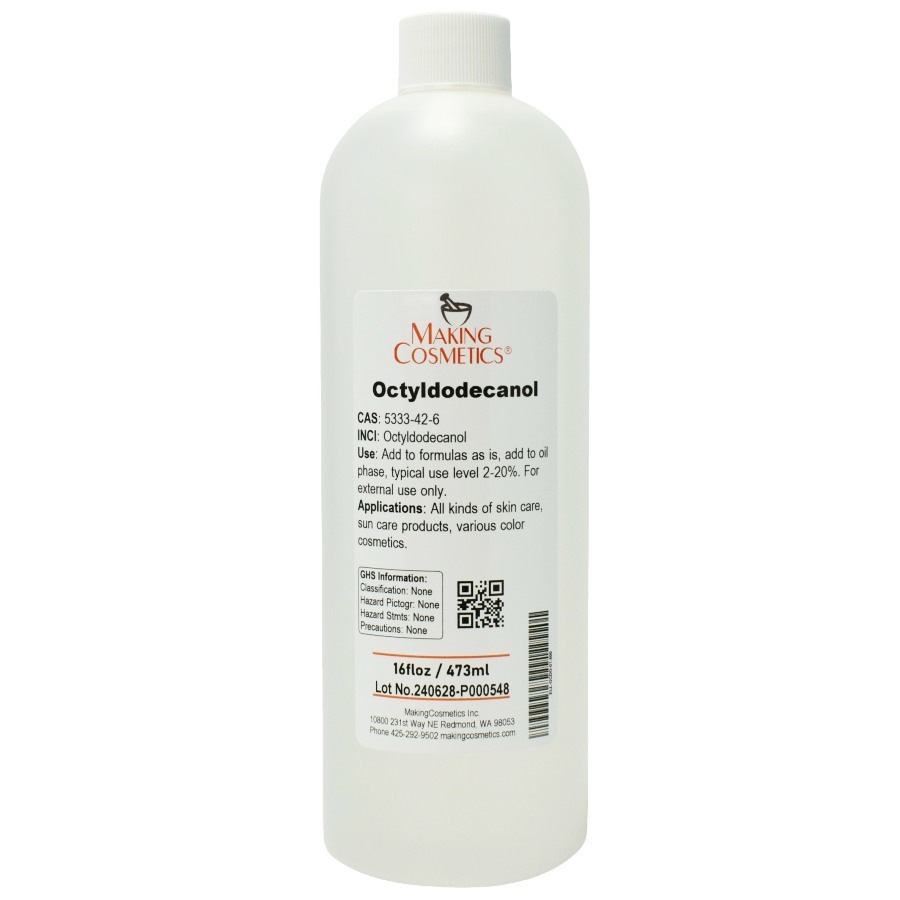
Octyldodecanol can be produced through various methods. Forward-thinking brands are beginning to highlight the sustainability of their sourcing. If a brand uses octyldodecanol derived from RSPO-certified (Roundtable on Sustainable Palm Oil) sources, that becomes a significant part of their ESG (Environmental, Social, and Governance) narrative. The ingredient ceases to be just a solvent and becomes a testament to the brand’s commitment to the planet. This level of detail in brand storytelling is what will separate the winners from the losers in the next decade.
Technology and Personalization
We are also seeing the rise of AI-driven skincare and personalized beauty. In these business models, the “brand” is a service that analyzes a customer’s skin and recommends specific ingredients. A brand might tell a customer, “Based on your dry skin profile, we have increased the percentage of octyldodecanol in your custom formula to improve barrier function.” This uses the ingredient as a tool for hyper-personalization, making the brand feel like a bespoke laboratory tailored to the individual.
In conclusion, “What is octyldodecanol?” is a question that leads directly to the heart of modern brand strategy. It is no longer enough to have a beautiful package and a famous face. In the age of information, the “brand” is the formula, the transparency of the supply chain, and the ability to educate the consumer. Octyldodecanol is a vital link in that chain, proving that in the world of high-stakes marketing, the most powerful stories are often written in the language of science.
aViewFromTheCave is a participant in the Amazon Services LLC Associates Program, an affiliate advertising program designed to provide a means for sites to earn advertising fees by advertising and linking to Amazon.com. Amazon, the Amazon logo, AmazonSupply, and the AmazonSupply logo are trademarks of Amazon.com, Inc. or its affiliates. As an Amazon Associate we earn affiliate commissions from qualifying purchases.