
NVIDIA Corporation, often referred to by its stock ticker NVDA, has emerged as a titan in the technology sector, fundamentally reshaping industries from gaming and professional visualization to artificial intelligence and data centers. Its market capitalization, a critical metric for investors and market observers, has not only soared to unprecedented heights but also become a symbol of the profound economic shifts driven by advanced computing. Understanding NVIDIA’s market cap requires delving beyond a mere numerical value; it involves appreciating the company’s historical journey, its strategic pivots, the underlying technological innovations, and the broader market dynamics that have propelled it into the exclusive club of the world’s most valuable companies.
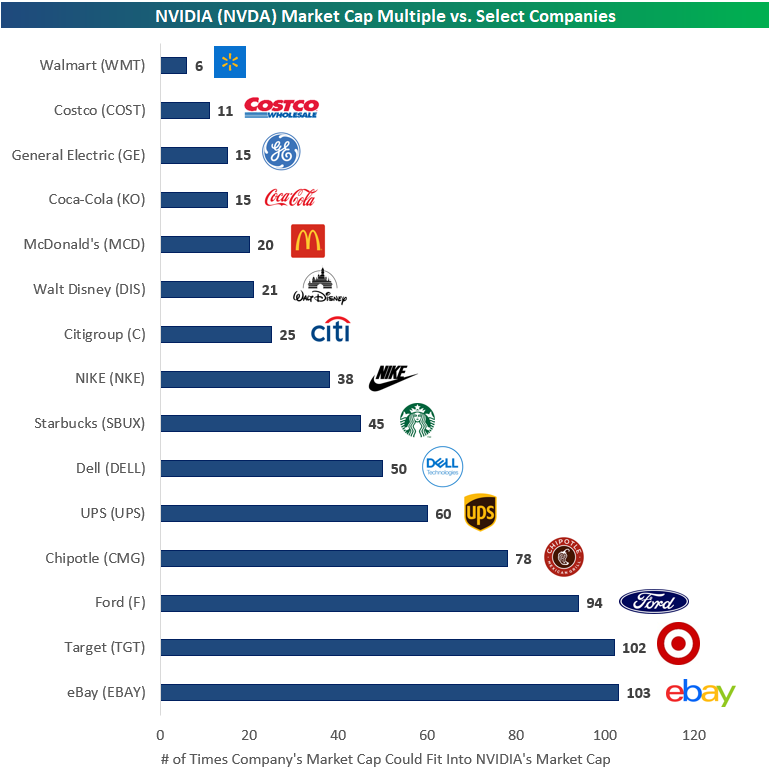
At its core, market capitalization, or “market cap,” represents the total dollar value of a company’s outstanding shares of stock. It is calculated by multiplying the current share price by the total number of shares outstanding. For NVIDIA, this figure has not just grown; it has exploded, especially in recent years, making it a focal point for discussions about technological innovation, investor sentiment, and the future of the global economy. This article will dissect NVIDIA’s market cap, exploring its significance, the factors driving its stratospheric rise, and what it implies for the company, its investors, and the broader financial landscape.
Understanding Market Capitalization: A Key Financial Metric
Market capitalization serves as more than just a large number; it is a fundamental indicator used by investors to gauge a company’s size, influence, and perceived value in the stock market. It offers a snapshot of how the market currently values a company’s future earnings potential and its strategic positioning.
The Calculation and Its Significance
The formula for market capitalization is straightforward: Market Cap = Current Share Price × Shares Outstanding. However, its implications are far-reaching. A high market cap often signifies a company that is well-established, financially robust, and holds a dominant position within its industry. It’s a barometer of investor confidence and the collective expectation of future growth and profitability. Unlike revenue or assets, which are historical figures, market cap is a forward-looking valuation, reflecting what investors are willing to pay today for a share of the company’s future. For NVIDIA, a rapidly appreciating share price combined with a substantial number of shares outstanding has translated into a market cap that frequently places it among the top five most valuable public companies globally.
Market Cap vs. Other Valuation Metrics
It’s crucial to differentiate market cap from other financial metrics. While revenue indicates sales volume and net income reflects profitability, market cap represents the market’s valuation of the entire enterprise. A company can have high revenues but a modest market cap if its growth prospects are dim or its profitability is low. Conversely, a company like NVIDIA, with its perceived strong growth trajectory and innovative edge, can command a market cap that far exceeds its current revenues, implying high price-to-earnings (P/E) multiples. Furthermore, enterprise value (EV), which includes market cap plus debt minus cash, provides a more comprehensive view by accounting for a company’s entire capital structure, including both equity and debt financing. However, market cap remains the most commonly cited figure for instantly assessing a company’s perceived scale and influence.
Investor Categories Based on Market Cap
Market capitalization also helps categorize companies for investment purposes. Traditionally, companies are grouped into:
-
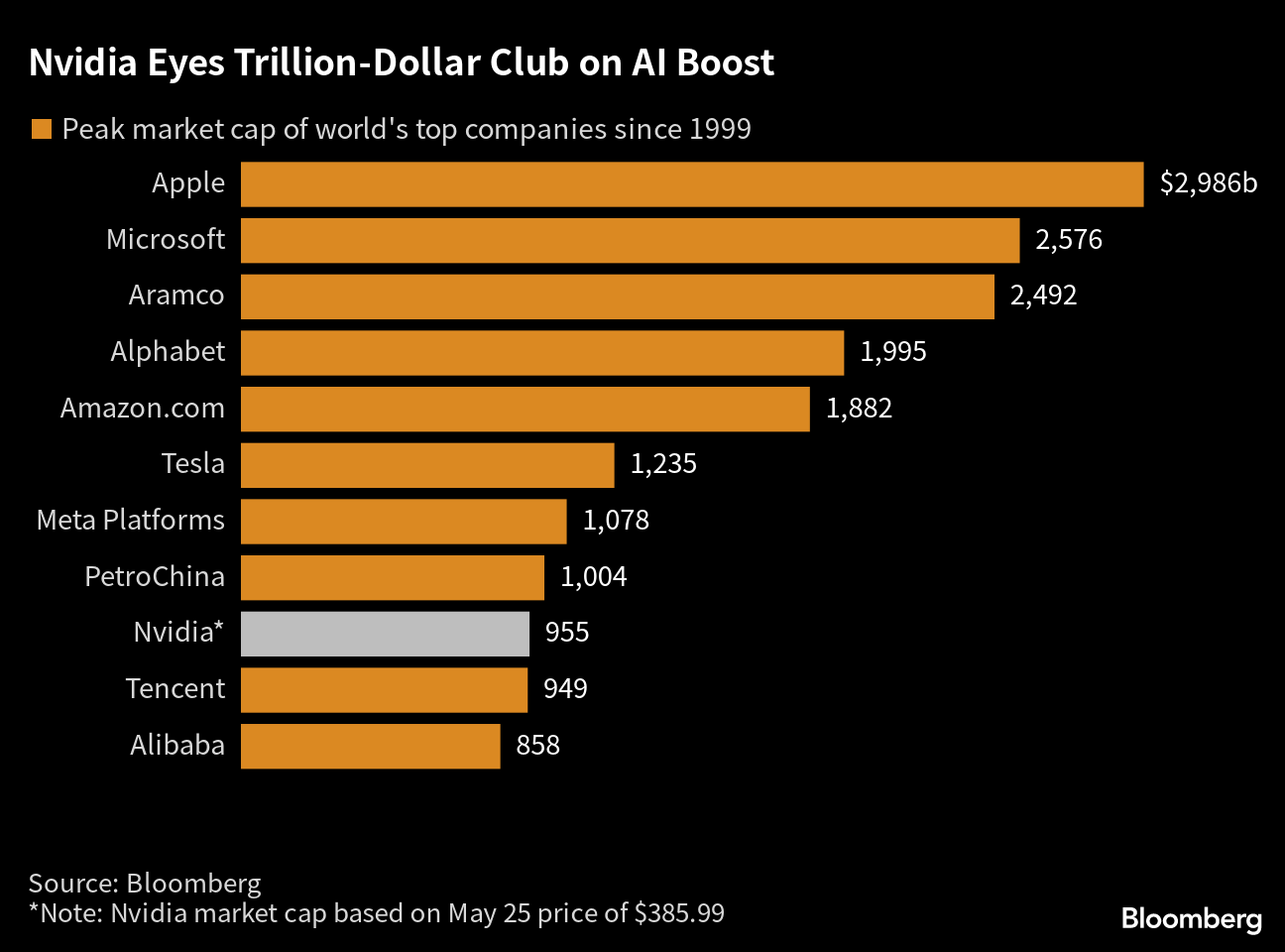
Large-cap: Typically over $10 billion (NVIDIA firmly resides here, often in the “mega-cap” category, exceeding $200 billion or even $1 trillion).
-
Mid-cap: Between $2 billion and $10 billion.
-
Small-cap: Under $2 billion.
Each category carries different risk-reward profiles and attracts different types of investors. Large-cap companies like NVIDIA are often seen as more stable, less volatile investments, though their growth potential might be perceived as slower compared to nimble small-caps. However, NVIDIA has defied this stereotype, combining mega-cap stability with hyper-growth.
NVIDIA’s Ascent: From Gaming Chips to AI Powerhouse
NVIDIA’s journey to becoming a trillion-dollar market cap company is a testament to its visionary leadership, relentless innovation, and strategic adaptation to evolving technological landscapes. Founded in 1993, the company initially made its name in the competitive graphics card market, laying the groundwork for its future dominance.
The Gaming Genesis: Revolutionizing Graphics Processing
NVIDIA’s early success was predicated on its groundbreaking Graphics Processing Units (GPUs). By specializing in rendering 3D graphics, NVIDIA’s GeForce line of GPUs became indispensable for PC gamers, transforming immersive digital experiences. This early focus not only built a strong brand but also established the fundamental architecture (parallel processing) that would later become critical for entirely different applications. The gaming division remains a significant revenue stream, providing a stable foundation for the company’s more ambitious ventures. This segment’s consistent performance has contributed a steady baseline to NVIDIA’s valuation over the years.
The AI Pivot: Unlocking New Frontiers
The true inflection point for NVIDIA’s market cap came with its strategic pivot into artificial intelligence (AI) and data centers. Researchers discovered that the parallel processing capabilities of GPUs, originally designed for graphics, were exceptionally well-suited for the intensive computations required by AI algorithms, particularly deep learning. NVIDIA’s CUDA platform, a parallel computing platform and programming model, became the de facto standard for AI development, creating a powerful ecosystem that locked in developers and researchers.
This foresight positioned NVIDIA at the epicenter of the AI revolution. As AI models grew in complexity and demand for computational power surged across industries—from autonomous vehicles and scientific research to cloud computing and enterprise applications—NVIDIA’s data center business exploded. This segment quickly surpassed gaming as the primary driver of revenue growth, commanding premium valuations due to its critical role in the burgeoning AI economy. The market began to price in not just NVIDIA’s current profitability but its indispensable position in the future of technology, directly impacting its market cap.
Key Milestones and Growth Catalysts
Several factors have fueled NVIDIA’s exponential market cap growth:
-
Dominance in AI Hardware: NVIDIA’s A100 and H100 GPU accelerators are indispensable for training large language models (LLMs) and other complex AI algorithms.
-
CUDA Ecosystem: The proprietary software platform creates a high barrier to entry for competitors.
-
Strategic Partnerships: Collaborations with major cloud providers (AWS, Microsoft Azure, Google Cloud) and leading AI companies.
-
Expansion into New Verticals: Significant investments in automotive (self-driving cars with NVIDIA DRIVE), professional visualization (Omniverse for digital twins and metaverse applications), and medical imaging.
-
Consistent Financial Performance: Strong revenue growth, high-profit margins, and positive future guidance have consistently reassured investors and driven up share price.
These milestones collectively painted a picture of a company not just riding a technological wave but actively creating and shaping it, leading to a profound re-rating of its market cap by the investment community.
Factors Influencing NVIDIA’s Market Cap
NVIDIA’s market capitalization is a dynamic figure, constantly influenced by a complex interplay of internal strengths, external market forces, and macroeconomic trends. Understanding these factors is crucial for appreciating the volatility and potential of its valuation.
Technological Leadership and Innovation
At the heart of NVIDIA’s valuation lies its undisputed technological leadership. The company’s relentless pace of innovation in GPU architecture, specialized AI chips (like its Grace Hopper Superchip), and its comprehensive software stack (CUDA, cuDNN) provides a significant competitive moat. This allows NVIDIA to command premium pricing for its products, sustain high-profit margins, and continually open up new markets. Investors reward companies with such durable competitive advantages, leading to higher valuations. Any perceived threat to this leadership, or conversely, a significant breakthrough, can have an immediate and substantial impact on its market cap.
Market Demand and Industry Trends
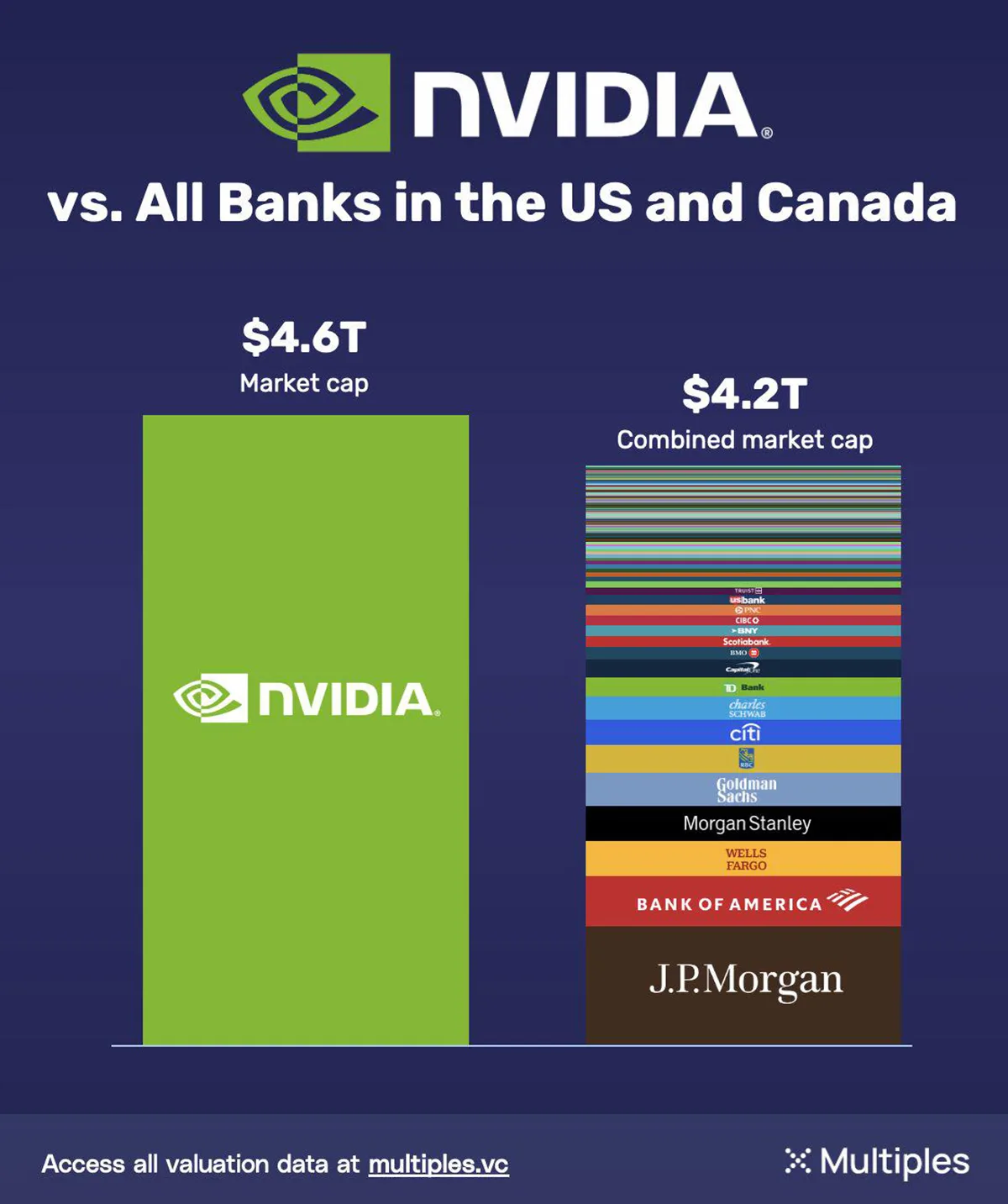
NVIDIA operates at the confluence of several mega-trends, each of which contributes significantly to the demand for its products and, consequently, its market cap:
-
Artificial Intelligence Boom: The explosion of generative AI, large language models, and AI adoption across industries has created unprecedented demand for NVIDIA’s high-performance computing solutions.
-
Data Center Expansion: Cloud computing growth and the increasing need for high-throughput data processing fuel the market for NVIDIA’s data center GPUs.
-
Gaming Resilience: Despite the rise of other segments, gaming remains a robust market, providing a consistent revenue base.
-
Emerging Technologies: The development of the metaverse, autonomous vehicles, robotics, and industrial digital twins (via NVIDIA Omniverse) represent future growth avenues that are already being priced into the stock.
When these trends are strong and accelerating, investor optimism swells, pushing NVIDIA’s share price and market cap higher. Conversely, slowdowns in these sectors could exert downward pressure.
Financial Performance and Investor Confidence
Ultimately, NVIDIA’s market cap is a reflection of its financial health and the market’s confidence in its future earnings power. Consistent revenue growth, strong profitability, positive free cash flow, and robust guidance from management are key drivers. Analysts closely scrutinize earnings reports, looking for signs of sustained momentum or potential headwinds. When NVIDIA consistently exceeds expectations, it reinforces investor confidence, often leading to upward revisions in price targets and an increase in its market cap. Conversely, missed earnings or a cautious outlook can trigger significant sell-offs.
Macroeconomic Factors and Competitive Landscape
Broader economic conditions also play a role. Interest rates, inflation, geopolitical stability, and overall market sentiment can influence investor appetite for growth stocks like NVIDIA. During periods of economic uncertainty, investors might shift towards “safer” assets, potentially impacting NVIDIA’s valuation.
Furthermore, while NVIDIA enjoys a dominant position, it faces competition. AMD offers competing GPUs, Intel is developing its own AI accelerators, and major tech companies like Google (TPUs) and Amazon (Inferentia/Trainium) are designing custom chips for their own AI workloads. Any significant competitive threat, or a substantial technological leap by a rival, could temper NVIDIA’s growth expectations and impact its market cap. Supply chain issues, such as those seen during the pandemic, can also constrain production and thus sales, indirectly affecting market cap.
Implications of a High Market Cap
NVIDIA’s colossal market capitalization carries significant implications, not only for the company itself but also for the broader financial markets and the technology industry.
Enhanced Financial Power and Strategic Flexibility
A high market cap provides NVIDIA with immense financial muscle. It makes it easier and cheaper to raise capital through equity offerings if needed, as investors are eager to participate in its growth story. This financial strength facilitates strategic acquisitions, allowing NVIDIA to absorb promising startups or technologies that complement its existing portfolio, further solidifying its market position. The ability to outbid competitors for talent, research, and development resources is another crucial advantage derived from its high valuation.
Market Influence and Industry Leadership
As one of the most valuable companies, NVIDIA exerts considerable influence over the technology sector. Its product roadmaps and strategic announcements can set industry standards, influence research directions, and even dictate supply chain dynamics. This leadership position attracts top talent, solidifies partnerships, and allows NVIDIA to shape the future of AI and high-performance computing, reinforcing its market cap through a virtuous cycle. Its performance also significantly impacts technology-focused ETFs and mutual funds, given its heavy weighting in major indices.
Increased Scrutiny and Volatility
With great market cap comes great scrutiny. NVIDIA is constantly under the microscope of analysts, investors, regulators, and the media. Every earnings report, product launch, and strategic decision is dissected for its potential impact. This heightened attention can lead to significant stock price volatility; even minor news or shifts in sentiment can trigger substantial swings. Furthermore, being a dominant player can attract antitrust scrutiny and regulatory challenges, which could pose long-term risks to its market cap. High valuations also inherently carry higher expectations; failure to meet these can lead to steeper corrections.
Impact on Investment Portfolios and Indices
NVIDIA’s substantial market cap means it holds a significant weighting in major stock market indices like the S&P 500 and Nasdaq 100. This has implications for passive investing, as index funds must allocate a larger portion of their assets to NVDA. Its performance can therefore disproportionately affect the overall returns of these indices and the portfolios of millions of investors worldwide. This “index effect” can further amplify buying pressure during bull markets and selling pressure during bear markets.
Looking Ahead: The Future of NVIDIA’s Valuation
The trajectory of NVIDIA’s market cap is intrinsically linked to the ongoing evolution of technology and its ability to maintain its innovative edge in a rapidly changing landscape. While its past performance has been extraordinary, the future holds both immense opportunities and significant challenges.
Sustaining Innovation and Expanding into New Markets
NVIDIA’s continued growth and market cap appreciation will depend on its ability to sustain its innovation pipeline, not just in hardware but also in its crucial software ecosystem. The company is actively investing in new frontiers, including:
-
Omniverse: A platform for creating and operating metaverse applications and digital twins for industrial simulation and design.
-
Autonomous Driving: Through its DRIVE platform, NVIDIA aims to be a foundational technology provider for self-driving vehicles.
-
Robotics: Extending its AI expertise to power intelligent robots for various applications.
-
Healthcare and Life Sciences: Applying AI to drug discovery, medical imaging, and genomics.
Success in these emerging markets could unlock new revenue streams and further solidify its long-term growth story, providing additional tailwinds for its market cap.
Navigating Competition and Geopolitical Landscape
Despite its dominance, NVIDIA faces an increasingly competitive landscape. While direct GPU competitors like AMD are present, the rise of custom AI chips from large tech companies and specialized AI silicon startups poses a persistent threat. NVIDIA must continue to innovate faster and build stronger ecosystems to maintain its lead.
Geopolitical tensions, particularly concerning semiconductor supply chains and technological export controls (especially between the U.S. and China), represent significant external risks. Restrictions on selling advanced AI chips to certain markets could impact NVIDIA’s revenue and, consequently, its market cap. The company’s ability to diversify its manufacturing footprint and navigate these complex geopolitical waters will be critical.
Maintaining Financial Discipline and Investor Trust
Ultimately, NVIDIA’s market cap will be a reflection of its continued financial performance and its ability to execute on its ambitious vision. Maintaining high-profit margins, effectively managing research and development investments, and consistently delivering strong revenue growth will be paramount. Transparent communication with investors, prudent capital allocation, and a focus on long-term value creation will be essential to sustain the market’s trust and support its premium valuation.
In conclusion, NVIDIA’s market cap is far more than a number; it is a dynamic indicator of its technological prowess, strategic foresight, and the immense value the market places on its role in shaping the future of computing. As the company continues to push the boundaries of AI and high-performance computing, its market capitalization will remain a closely watched metric, reflecting its ongoing journey as a pivotal player in the global economy.
aViewFromTheCave is a participant in the Amazon Services LLC Associates Program, an affiliate advertising program designed to provide a means for sites to earn advertising fees by advertising and linking to Amazon.com. Amazon, the Amazon logo, AmazonSupply, and the AmazonSupply logo are trademarks of Amazon.com, Inc. or its affiliates. As an Amazon Associate we earn affiliate commissions from qualifying purchases.