
In the traditional classroom, “number sense” refers to a student’s fluidity and flexibility with numbers. It is the ability to understand what numbers mean, improving one’s performative math skills by grasping the relationships between quantities. However, in the world of personal finance, investing, and business management, number sense takes on a much more significant, high-stakes role. It becomes the difference between a person who merely tracks their spending and an individual who intuitively understands how to build a legacy of wealth.
Financial number sense is the ability to look at a balance sheet, a stock chart, or a high-interest debt offer and immediately “feel” the implications. It is about moving beyond rote calculations and developing a qualitative understanding of quantitative data. In this article, we will explore why number sense is the most critical psychological tool in your financial arsenal and how you can cultivate it to make smarter, faster, and more profitable decisions.
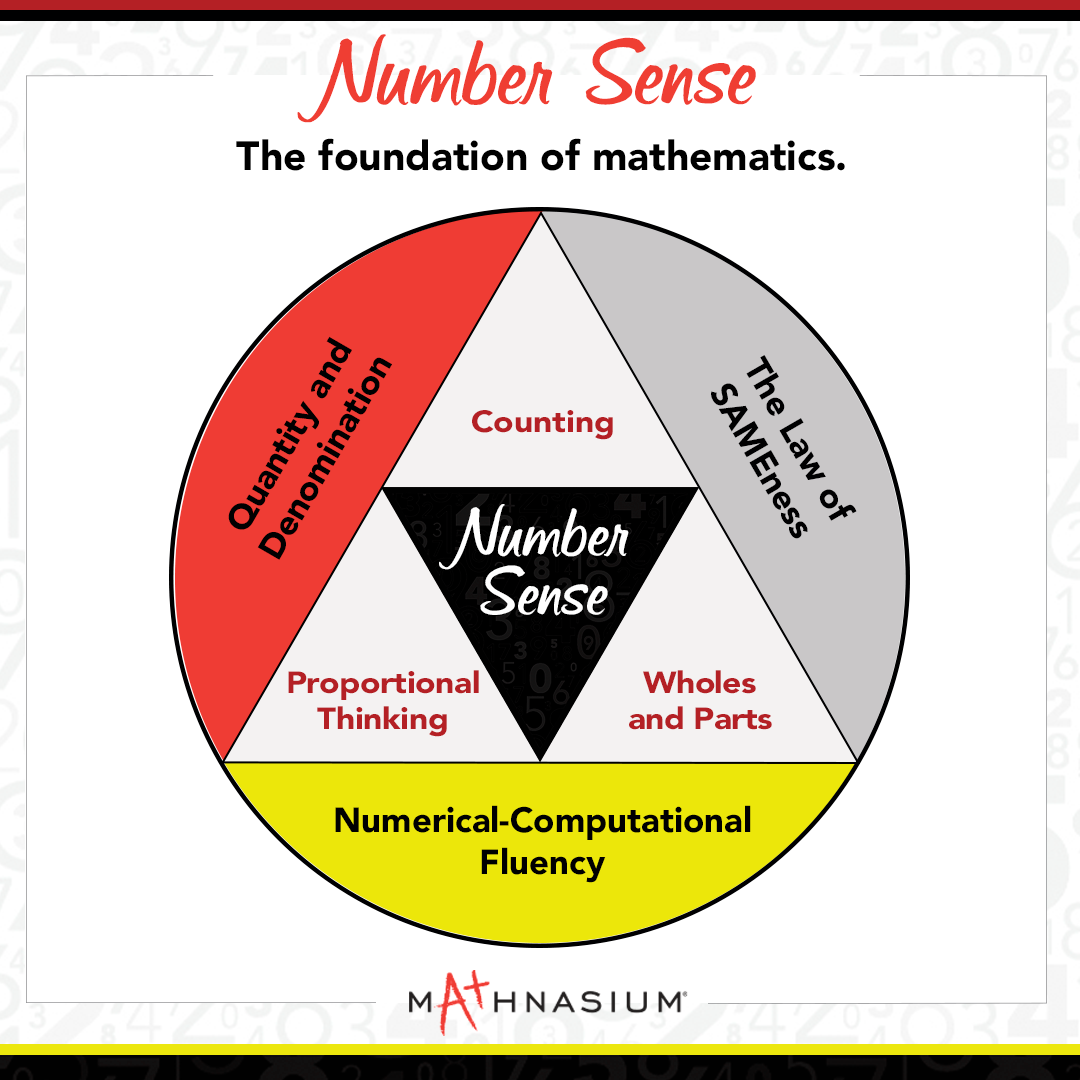
Decoding Number Sense in a Financial Context
To master your money, you must first recognize that numbers are not just cold facts; they are a language that tells a story about your past, present, and future. People with a strong financial number sense don’t just see a “7% interest rate”; they see the velocity at which their capital is eroding or accumulating.
From Arithmetic to Intuition
Basic arithmetic is the ability to add, subtract, multiply, and divide. While necessary, it is insufficient for wealth creation. Number sense is the layer of intuition that sits on top of basic math. For example, if you are offered a “buy one, get one 50% off” deal versus a “25% discount on both items,” a person with high number sense recognizes instantly that the mathematical outcome is identical, but the psychological framing is different. In investing, this intuition allows you to spot anomalies—like a dividend yield that is “too high to be true”—before you even open a spreadsheet.
Why Ratios Matter More Than Raw Data
In finance, raw numbers are often misleading. Having $100,000 in the bank sounds impressive, but without the context of your liabilities and the current inflation rate, that number is meaningless. Number sense forces us to think in ratios and percentages.
A sophisticated investor looks at the Price-to-Earnings (P/E) ratio or the Debt-to-Equity ratio rather than the stock price alone. Understanding the relationship between these numbers allows you to compare a small-cap tech firm with a blue-chip industrial giant on a level playing field. It transforms data into actionable intelligence.
The Role of Number Sense in Personal Finance
Most people struggle with budgeting not because they lack the math skills, but because they lack the number sense required to understand the long-term impact of small, daily decisions. Improving your financial number sense changes how you view every dollar that passes through your hands.
Budgeting with Flexibility, Not Just Fractions
Rigid budgets often fail because they don’t account for the fluid nature of life. A person with high number sense utilizes “mental accounting” more effectively. They understand the concept of opportunity cost—the idea that spending $1,000 on a vacation today isn’t just a $1,000 loss; it is a loss of the $10,000 that money could have become if invested over twenty years. This sense of “future value” acts as a natural deterrent to impulsive spending, making the discipline of budgeting feel less like a chore and more like a strategic game.
The “Magic” of Compounding and Exponential Growth
The human brain is evolutionarily wired for linear thinking, but wealth is built through exponential growth. This is where number sense becomes a superpower. Understanding the “Rule of 72” is a hallmark of financial number sense. By dividing 72 by your annual rate of return, you can estimate how many years it will take for your money to double.
When you internalize the fact that a 10% return doubles your money every seven years, your perspective on long-term investing shifts. You stop looking for “get-rich-quick” schemes and start focusing on the consistency of your “number.” This intuitive grasp of compounding allows you to stay calm during market volatility, knowing that time is the most powerful variable in the wealth equation.
Strategic Number Sense in the World of Investing
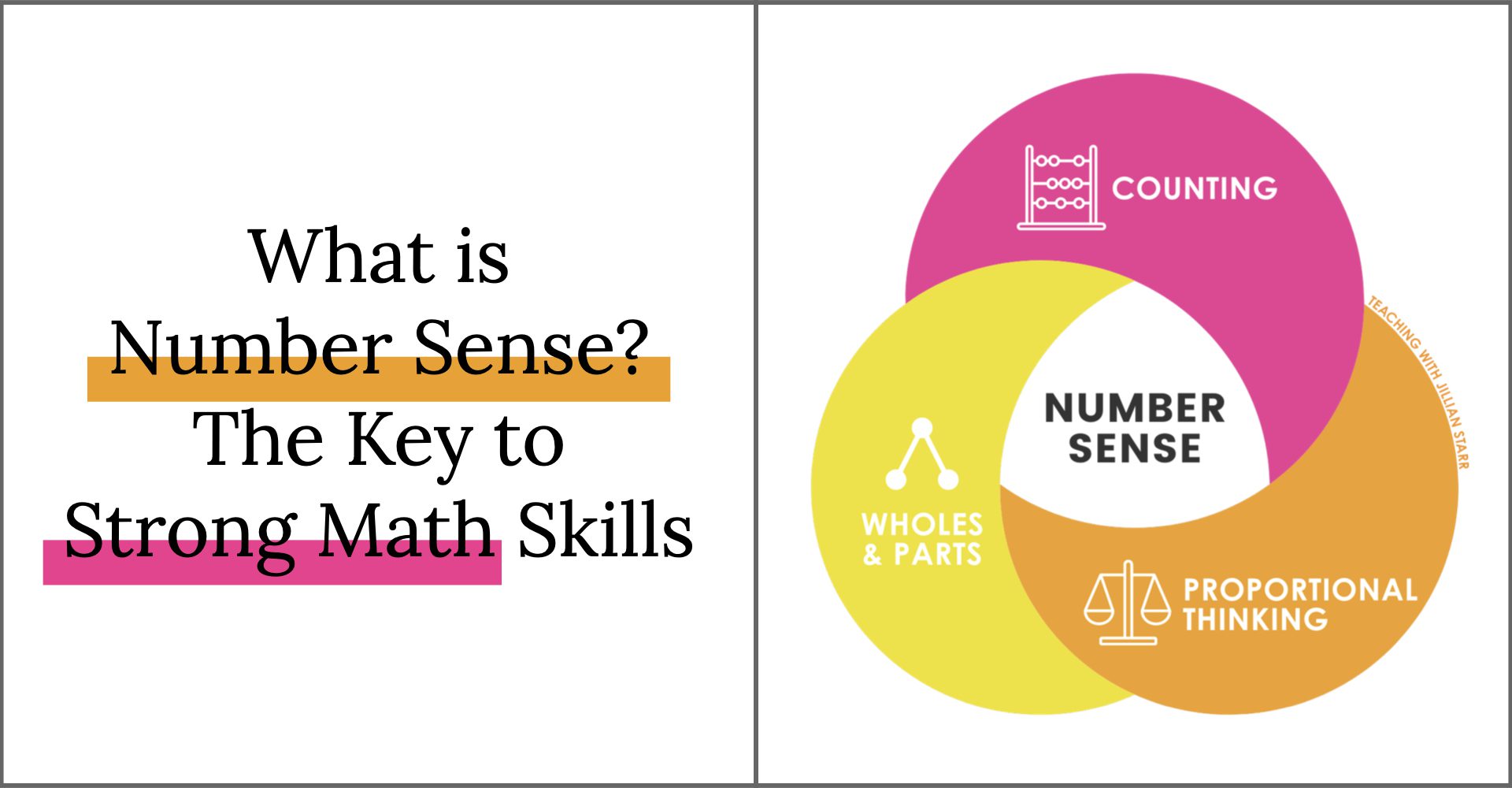
In the markets, number sense serves as a filter. Every day, investors are bombarded with data points, news cycles, and ticker symbols. Without a framework to process these numbers, “analysis paralysis” sets in.
Valuation Metrics and Market Sentiment
Professional traders and value investors use number sense to determine “intrinsic value.” This involves looking at a company’s cash flow and discounting it back to the present day. While this involves complex formulas, the core of the practice is number sense: Does this company’s current price reflect its future earning potential?
Developing this sense helps you avoid “value traps”—stocks that look cheap based on one metric but are actually failing. By cross-referencing multiple data points (like revenue growth vs. profit margins), you develop a holistic view of a company’s health that a simple algorithm might miss.
Assessing Risk through Probability, Not Guesswork
Risk is the most misunderstood concept in finance. Most people equate risk with the “possibility of losing money,” but those with strong number sense view risk as a probability distribution. They understand that a high-risk investment with a massive potential upside might actually be a safer “bet” in a diversified portfolio than a low-risk investment with no growth potential.
This probabilistic thinking is what allows successful investors to manage their “Position Sizing.” They don’t just ask “Will this stock go up?” They ask, “What is the mathematical impact on my total net worth if this stock goes to zero?” This shift from emotional reacting to mathematical assessing is the pinnacle of financial number sense.
Tools and Habits to Enhance Your Financial Number Sense
The good news is that number sense is not an innate talent; it is a skill that can be developed through practice and the right tools. By exposing yourself to financial data regularly, you can train your brain to recognize patterns and anomalies.
Leveraging Fintech for Data Visualization
We live in an era of unprecedented access to financial tools. Apps like Empower, Robinhood, or specialized SaaS platforms for business finance offer data visualization that can help bridge the gap between raw numbers and intuition.
Don’t just look at your bank balance; look at the charts of your spending categories over six months. Seeing a visual representation of your “burn rate” helps you internalize your financial habits far more effectively than looking at a list of transactions. When you see your “Savings Rate” as a moving line graph, your number sense begins to optimize for growth.
The Daily Practice of Mental Benchmarking
To sharpen your number sense, get into the habit of “mental benchmarking.” When you see a news headline stating that a company made $1 billion in profit, don’t take it at face value. Compare it to their previous year, or to their competitors. Is $1 billion a lot for them, or is it a sign of a decline?
In your personal life, benchmark your expenses against your income in real-time. If you are buying a car, don’t just look at the monthly payment; calculate the total cost of ownership (insurance, maintenance, fuel, and depreciation) as a percentage of your take-home pay. This habit of constant, comparative math builds a mental framework that makes you nearly immune to marketing gimmicks and predatory lending.
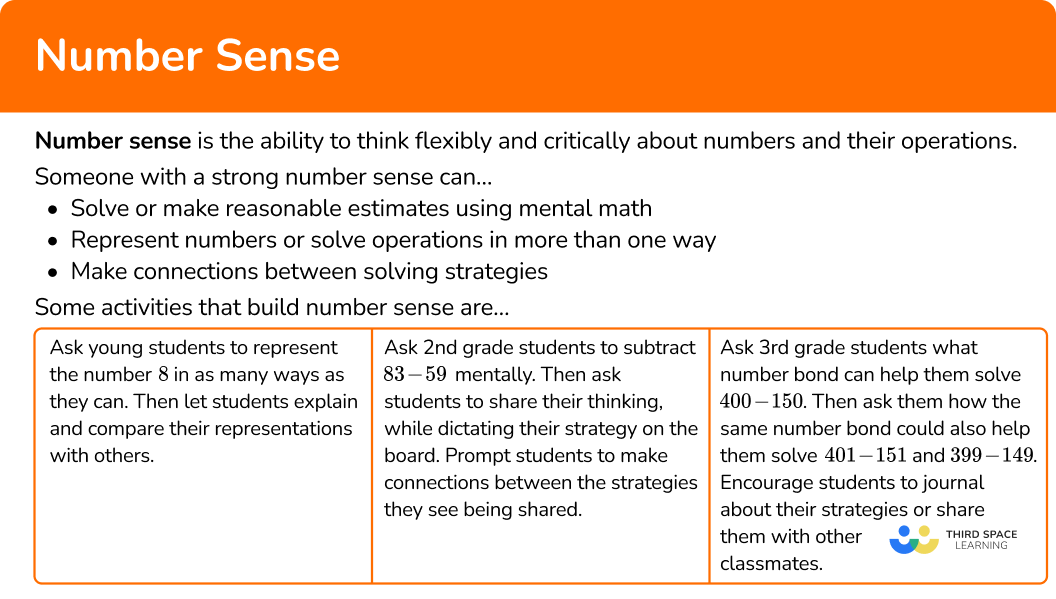
Conclusion: The Wealth Gap is a Literacy Gap
Ultimately, “what is number sense in math” becomes “what is financial literacy in life.” The wealth gap in modern society is often a reflection of a gap in numerical intuition. Those who understand the relationship between interest, inflation, and time are the ones who accumulate assets, while those who see numbers as mere symbols to be shuffled around often find themselves stuck in cycles of debt.
By cultivating your financial number sense, you move from being a passive observer of your bank account to being the active architect of your financial future. You begin to see opportunities where others see risks, and you see traps where others see bargains. In the high-stakes game of money, your number sense is the most valuable asset you own—one that pays dividends for a lifetime.
aViewFromTheCave is a participant in the Amazon Services LLC Associates Program, an affiliate advertising program designed to provide a means for sites to earn advertising fees by advertising and linking to Amazon.com. Amazon, the Amazon logo, AmazonSupply, and the AmazonSupply logo are trademarks of Amazon.com, Inc. or its affiliates. As an Amazon Associate we earn affiliate commissions from qualifying purchases.