
At the heart of every atom lies a dense, positively charged core – the nucleus. Far from being a mere passive component, this microscopic entity is a powerhouse of fundamental forces and a wellspring of technological innovation. From the colossal energy output of nuclear power plants to the intricate computations of quantum computers and the precision of medical diagnostics, understanding “what is nuclei” is not just an exercise in basic physics; it’s a deep dive into the foundational principles that drive much of modern technology.
In an era defined by rapid advancements in fields like artificial intelligence, advanced materials, and sustainable energy, the study and manipulation of atomic nuclei are more relevant than ever. This article will explore the nature of nuclei, their historical discovery, and their profound impact across various technological domains, revealing why these subatomic structures are critical to our present and future technological landscape.
The Fundamental Building Blocks of the Universe and Tech
To appreciate the technological implications of nuclei, one must first grasp their fundamental nature. The journey of understanding the atomic nucleus is a testament to scientific curiosity and the iterative process of discovery that underpins all technological progress.
Defining the Atomic Nucleus
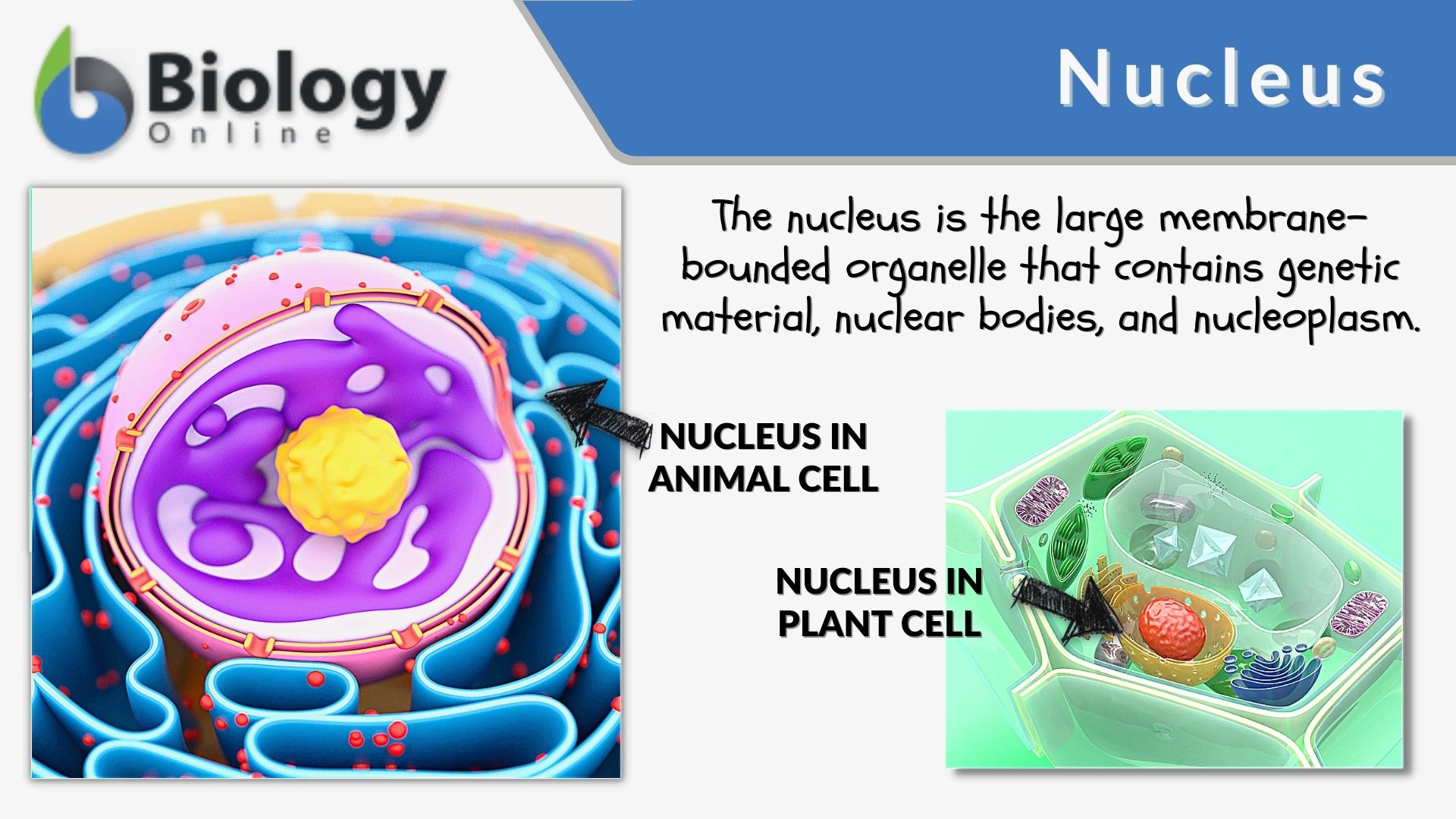
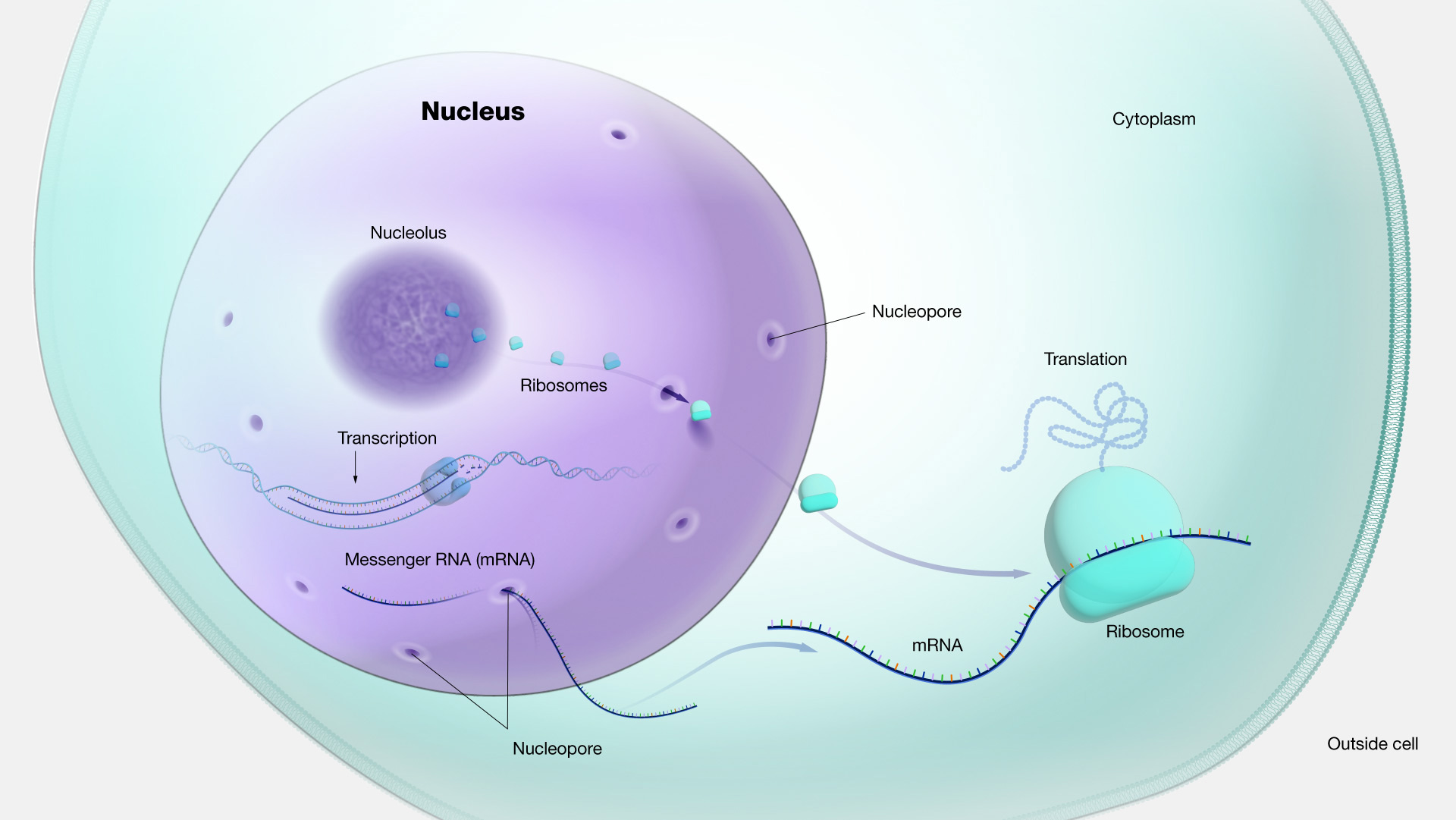
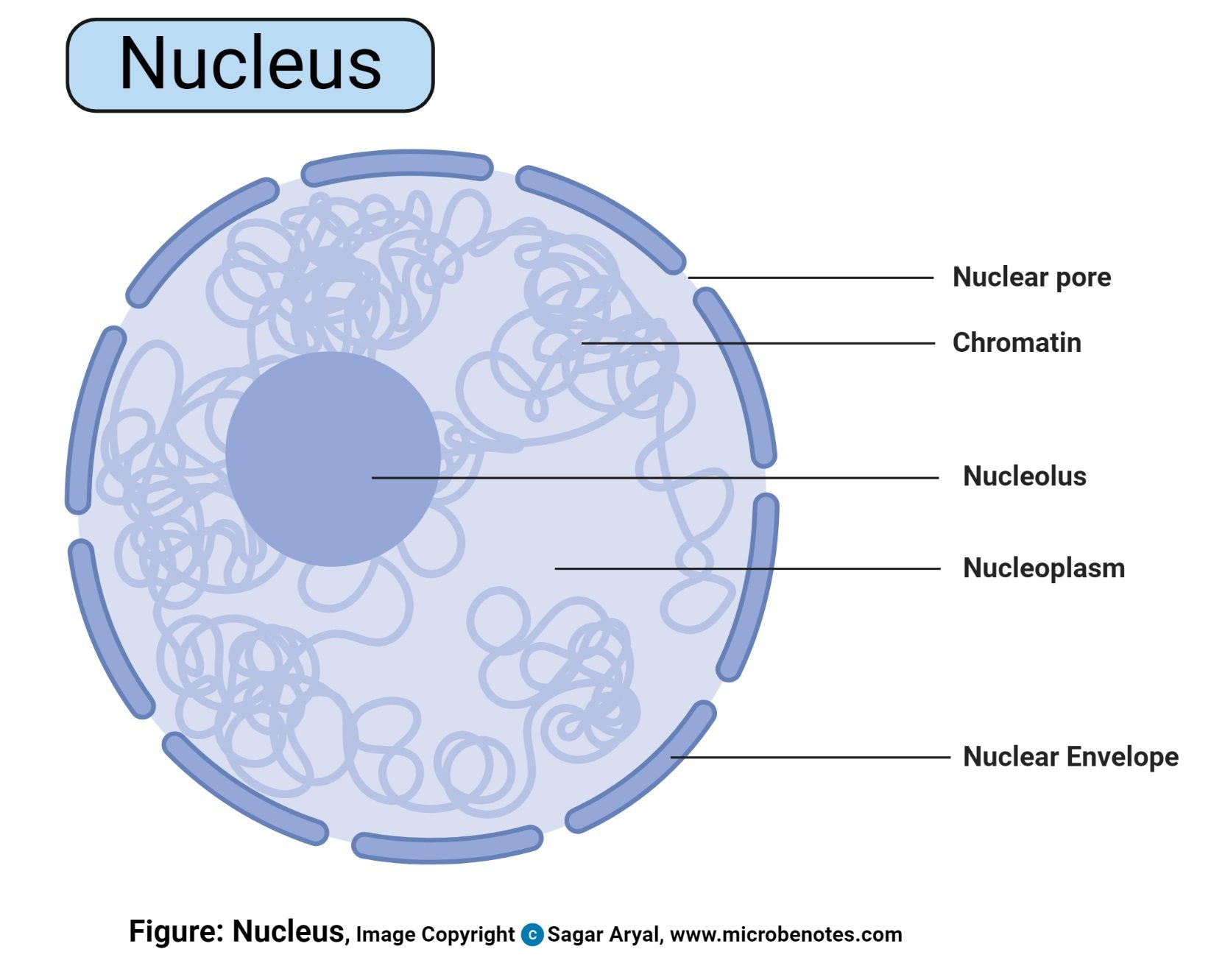
An atomic nucleus is the small, dense region consisting of protons and neutrons at the center of an atom. Protons carry a positive electrical charge, while neutrons are electrically neutral. Despite their minuscule size – typically less than one-hundred-thousandth the diameter of the atom itself – nuclei contain virtually all of the atom’s mass. The number of protons defines an element (its atomic number), while the combined number of protons and neutrons (its mass number) determines the specific isotope of that element.
The forces at play within the nucleus are extraordinary. The strong nuclear force, one of the four fundamental forces of nature, binds protons and neutrons together, overcoming the immense electromagnetic repulsion between the positively charged protons. This force is short-ranged but incredibly powerful, holding the nucleus stable. Understanding these forces, and how they can be manipulated, is paramount for applications ranging from nuclear energy to medical isotopes.
Historical Understanding and Evolution
The concept of the nucleus emerged from a series of groundbreaking experiments in the early 20th century. Before this, atoms were often envisioned as indivisible spheres or, as in J.J. Thomson’s “plum pudding” model, a diffuse positive charge with electrons embedded within. The paradigm shifted dramatically in 1911 when Ernest Rutherford and his team, through their famous gold foil experiment, observed alpha particles scattering at large angles, some even bouncing back. This led Rutherford to postulate a tiny, dense, positively charged core – the nucleus – with electrons orbiting it.
Subsequent discoveries refined this model. James Chadwick’s identification of the neutron in 1932 provided the missing piece, explaining the mass deficit and isotopic variations. From these foundational discoveries, nuclear physics blossomed, leading directly to the understanding of nuclear reactions, radioactive decay, and ultimately, the ability to harness nuclear energy. Each step in this intellectual evolution laid the groundwork for the technological innovations we see today, moving from pure scientific inquiry to applied engineering with profound societal impact.
Nuclei in the Realm of Energy Innovation
Perhaps the most impactful technological application of atomic nuclei lies in energy production. The ability to tap into the immense forces binding the nucleus has revolutionized global energy landscapes, offering both immense power and significant challenges.
Nuclear Fission: Powering Our World
Nuclear fission is the process where a heavy atomic nucleus, typically uranium-235 or plutonium-239, splits into two or more smaller nuclei, releasing a tremendous amount of energy in the process. This energy release is governed by Einstein’s famous equation, E=mc², demonstrating how a tiny amount of mass loss translates into a vast amount of energy.
In nuclear power plants, this process is controlled in a reactor. Neutrons are used to initiate fission in fuel rods, and the fission products release more neutrons, leading to a self-sustaining chain reaction. Control rods absorb excess neutrons to regulate the reaction rate. The heat generated by fission boils water, producing steam that drives turbines to generate electricity. Nuclear fission power provides a carbon-free source of electricity, crucial for meeting global energy demands while mitigating climate change. Despite its benefits, challenges such as nuclear waste disposal and safety concerns necessitate ongoing technological advancements and stringent regulatory frameworks.
The Promise of Nuclear Fusion
While fission splits heavy nuclei, nuclear fusion combines light atomic nuclei, such as isotopes of hydrogen (deuterium and tritium), to form a heavier nucleus, again releasing a massive amount of energy. This is the process that powers the sun and other stars. The energy released by fusion is even greater than fission, and it holds the promise of an almost limitless, clean energy source, with fewer long-lived radioactive byproducts compared to fission.
However, achieving controlled nuclear fusion on Earth is one of the most significant engineering challenges of our time. It requires extremely high temperatures (millions of degrees Celsius) and pressures to overcome the electrostatic repulsion between positively charged nuclei, allowing them to fuse. Technologies like tokamaks (e.g., ITER project) and stellarators aim to confine the superheated plasma using powerful magnetic fields. Significant progress is being made, with breakthroughs in plasma confinement and heating techniques bringing the prospect of commercial fusion power closer, potentially transforming the global energy sector in the latter half of this century.
Isotope Technology in Energy Storage and Beyond
Beyond direct energy generation, the manipulation of nuclei yields valuable isotopes with diverse technological applications. Radioactive isotopes, produced by altering the nucleus of an atom, are critical in various sectors. For instance, in energy, radioisotope thermoelectric generators (RTGs) convert the heat from radioactive decay into electricity, powering spacecraft and remote terrestrial applications where solar power is impractical.
In other domains, stable isotopes are used as tracers in chemical and biological research, while medical isotopes are indispensable for diagnostic imaging (like PET scans using fluorine-18) and targeted radiation therapies for cancer. The ability to precisely engineer nuclei to produce specific isotopes, with tailored half-lives and decay modes, showcases the depth of technological control we’ve achieved over these fundamental atomic structures.
Advanced Materials and Nanotechnology: Engineering with Nuclei
The properties of materials – their strength, conductivity, magnetism, and optical characteristics – are fundamentally determined by the arrangement and interaction of their constituent atoms, which means their nuclei. Leveraging our understanding of nuclei allows for the development of advanced materials with tailored properties, a cornerstone of modern engineering and nanotechnology.
Tailoring Material Properties at the Atomic Level
Nuclear science provides tools and insights to modify and analyze materials at the atomic and subatomic scales. Ion implantation, for example, uses accelerators to bombard materials with specific atomic nuclei (ions), embedding them into the material’s surface. This process can significantly alter the material’s properties, such as increasing hardness, corrosion resistance, or changing electrical conductivity, crucial for semiconductors and wear-resistant coatings.
Neutron scattering techniques, which utilize beams of neutrons (components of nuclei), allow scientists to probe the internal structure and dynamics of materials without destroying them. This provides invaluable information about crystal structures, magnetic properties, and molecular vibrations, essential for designing new alloys, polymers, and ceramics for applications ranging from aerospace to medical implants.
Nuclear Techniques for Material Analysis
Beyond modification, nuclei are instrumental in advanced material analysis. Techniques like Rutherford Backscattering Spectrometry (RBS) and Particle-Induced X-ray Emission (PIXE) use accelerated ions to bombard a sample, and by analyzing the scattered ions or emitted X-rays, scientists can determine the elemental composition, thickness, and even depth profiles of thin films and surfaces with incredible precision.
These analytical tools are indispensable in semiconductor manufacturing for quality control, in forensic science for identifying trace elements, and in cultural heritage for authenticating artifacts. They provide a non-destructive way to peek into the atomic makeup of materials, ensuring optimal performance and safety across a myriad of technological products.
Nanomaterials and Quantum Dots
At the nanoscale, the properties of materials can differ dramatically from their bulk counterparts due to quantum mechanical effects. Nanomaterials often derive their unique characteristics from their extremely small size, where surface area to volume ratio increases dramatically, and quantum phenomena become dominant. Understanding how nuclei interact and form these tiny structures is vital.
Quantum dots, for instance, are semiconductor nanocrystals whose electronic properties are dictated by their size and shape. The ability to precisely synthesize these materials, where each “dot” contains hundreds or thousands of atoms (and thus nuclei), allows for fine-tuning their optical and electronic behavior. They are used in advanced displays (QLED TVs), solar cells, biological imaging, and potentially in quantum computing, showcasing how manipulation at the nuclear-atomic level can lead to macroscopic technological benefits.
The Quantum Frontier: Nuclei in Computation and Sensing
The peculiar rules of quantum mechanics, governing the behavior of matter at the atomic and subatomic scales, open up entirely new paradigms for computation and ultra-precise sensing. Atomic nuclei, with their intrinsic spin and electromagnetic properties, are at the forefront of this quantum revolution.
Quantum Computing’s Atomic Foundations
Quantum computers leverage the principles of quantum mechanics – superposition and entanglement – to perform computations that are intractable for classical computers. One of the leading approaches to building quantum bits, or qubits, involves using the nuclear spins of individual atoms or ions. The spin of a nucleus, like a tiny magnet, can exist in a superposition of states (both 0 and 1 simultaneously), which is the fundamental building block of a quantum computer.
Trapped ion quantum computers, for example, use lasers to cool and hold individual atomic ions (each with a nucleus that serves as a qubit) in a vacuum. Microwaves or other lasers then manipulate the nuclear spins to perform quantum operations. This field is incredibly complex, but the nucleus’s inherent quantum properties make it an ideal, stable platform for encoding and processing quantum information, promising breakthroughs in drug discovery, materials science, and cryptography.
Nuclear Magnetic Resonance (NMR) in Medical Imaging and Research
Nuclear Magnetic Resonance (NMR) is a powerful analytical technique that exploits the magnetic properties of certain atomic nuclei (like hydrogen-1, carbon-13, and phosphorus-31) when placed in a strong magnetic field. When these nuclei are exposed to radio waves at specific frequencies, they absorb and re-emit energy, providing detailed information about their molecular environment.
The most widely known application of NMR is Magnetic Resonance Imaging (MRI) in medicine. MRI uses the magnetic properties of hydrogen nuclei (protons) in water molecules within the body to create highly detailed images of soft tissues, organs, and bones, without using ionizing radiation. Beyond clinical diagnostics, NMR spectroscopy is a cornerstone of chemical and biological research, used to determine the structure of molecules, study protein folding, and understand metabolic pathways, driving innovation in pharmaceuticals and biotechnology.
Atomic Clocks and Precision Timing
Atomic clocks are the most accurate timekeeping devices known, and their incredible precision stems directly from the quantum properties of atomic nuclei and electrons. These clocks measure time by counting the oscillations of electromagnetic radiation emitted or absorbed by atoms (often caesium or rubidium) as their electrons transition between different energy levels. While it’s the electron transitions that are primarily measured, the stability and energy levels are fundamentally influenced by the nucleus and its interaction with the electrons.
Modern optical atomic clocks, pushing the boundaries of precision, use laser-cooled atoms and measure transitions in the optical frequency range, achieving stability and accuracy orders of magnitude better than previous microwave-based clocks. This extreme precision is vital for global positioning systems (GPS), high-speed data communication, fundamental physics experiments, and defining international time standards, underpinning the synchronization of countless technological systems worldwide.
Ethical Considerations and Future Horizons
As our mastery over the atomic nucleus continues to grow, so do the responsibilities associated with its application. The dual-use nature of nuclear technology, capable of both immense good and profound destruction, necessitates careful consideration of ethical implications and robust governance.
Responsible Development of Nuclear Technologies
The historical context of nuclear weapons casts a long shadow over the development of nuclear technologies. While the focus in this article is on beneficial applications, the imperative for non-proliferation, safe waste management, and stringent safety protocols in nuclear energy remains paramount. International cooperation and adherence to regulatory frameworks are crucial to ensure that the power derived from nuclei serves humanity constructively and sustainably. Innovating in areas like advanced reactor designs (e.g., small modular reactors – SMRs) and passive safety systems aims to enhance safety and reduce waste, promoting a more responsible and secure nuclear future.
The Interplay of Nuclei Across Scientific Disciplines
The study of nuclei is not confined to nuclear physics alone. It is a profoundly interdisciplinary field, bridging physics, chemistry, materials science, biology, and computer science. Advances in one area often spur breakthroughs in others. For instance, the understanding of nuclear reactions is vital for astrophysics, explaining the formation of elements in stars. Insights from nuclear medicine drive advancements in oncology. This cross-pollination of knowledge accelerates overall technological progress, highlighting the nucleus as a central concept connecting diverse scientific endeavors.
What’s Next for Nuclei in Tech?
The future of technology is inextricably linked to our continued exploration and manipulation of the atomic nucleus. We can anticipate further advancements in several key areas:
- Sustainable Fusion Energy: Continued investment and breakthroughs could bring commercial fusion power within reach, offering a virtually limitless, clean energy source.
- Next-Generation Quantum Computing: More stable and powerful qubits based on nuclear spins could unlock unprecedented computational capabilities.
- Precision Medical Therapies: Targeted alpha therapy (TAT) and other radioisotope-based treatments will become more refined, offering personalized cancer therapies with minimal side effects.
- Designer Materials: Deeper understanding of nuclear forces and interactions will lead to the creation of novel materials with bespoke properties for extreme environments, energy efficiency, and bio-integration.
- Enhanced Sensing and Imaging: Atomic and nuclear techniques will push the boundaries of resolution and sensitivity in imaging and sensing, impacting everything from environmental monitoring to fundamental scientific discovery.
In conclusion, “what is nuclei” is a question that leads to an understanding of the fundamental forces that shape our universe and, by extension, our technological capabilities. From powering cities and curing diseases to enabling quantum leaps in computing, the tiny, powerful nucleus stands as a testament to the profound impact of foundational science on the technological advancements that define and propel our modern world. Its study will undoubtedly continue to be a driving force for innovation and progress for centuries to come.
aViewFromTheCave is a participant in the Amazon Services LLC Associates Program, an affiliate advertising program designed to provide a means for sites to earn advertising fees by advertising and linking to Amazon.com. Amazon, the Amazon logo, AmazonSupply, and the AmazonSupply logo are trademarks of Amazon.com, Inc. or its affiliates. As an Amazon Associate we earn affiliate commissions from qualifying purchases.