
In the rapidly evolving landscape of medical diagnostics, a routine blood test is far from simple. It’s a sophisticated interplay of biological markers, intricate laboratory processes, and increasingly, cutting-edge technology. Among the myriad parameters assessed in a complete blood count (CBC), the presence of nucleated red blood cells (nRBCs) holds a unique significance. While traditionally a marker observed manually under a microscope, modern technology has not only automated its detection but also amplified its diagnostic utility, pushing the boundaries of what these tiny cellular anomalies can tell us about a patient’s health.
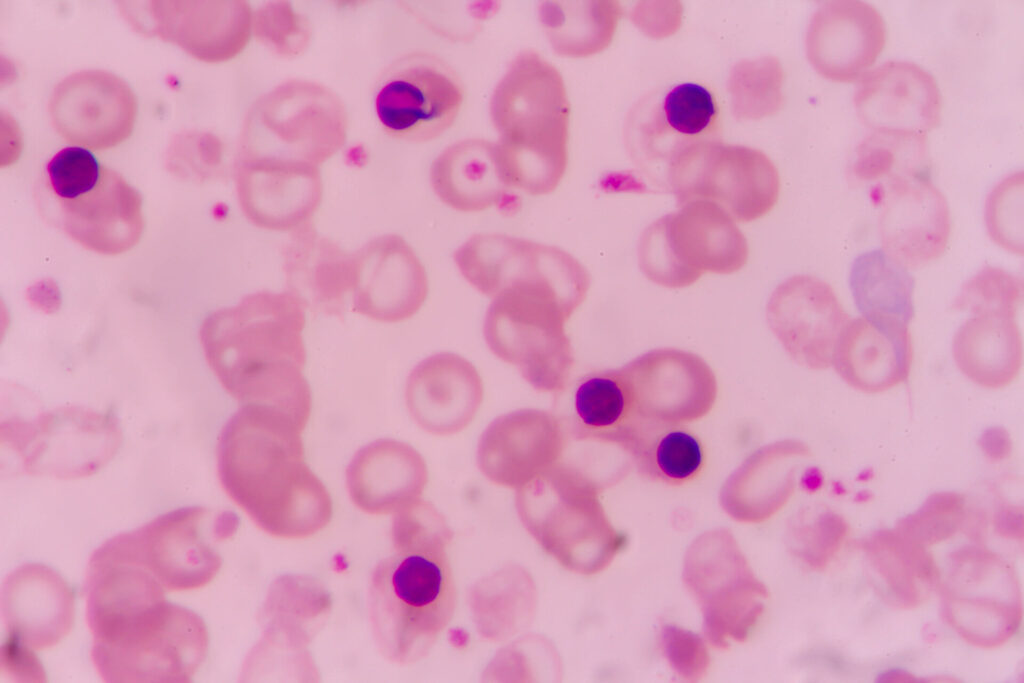
From automated hematology analyzers to advanced image recognition software and artificial intelligence, the journey of understanding nRBCs has become a testament to technological innovation in healthcare. This article delves into the technological underpinnings that allow us to accurately identify, quantify, and interpret nucleated RBCs in blood tests, transforming them from a mere observation into a powerful diagnostic indicator. We’ll explore how technology enhances accuracy, speeds up analysis, and opens new avenues for personalized medicine and predictive health.
The Technological Foundation of Blood Cell Analysis
The ability to detect and quantify nucleated RBCs efficiently and accurately is fundamentally rooted in the technological advancements that have revolutionized hematology laboratories. Gone are the days when every blood smear had to be painstakingly reviewed by a human eye. Today, sophisticated instruments perform most of this work, delivering precision and speed previously unimaginable.
Automated Hematology Analyzers: The Workhorses of the Lab
The cornerstone of modern blood cell analysis is the automated hematology analyzer. These high-throughput machines are marvels of engineering, integrating fluidics, optics, and computational power to process hundreds of blood samples per hour. When a blood sample is fed into these analyzers, it undergoes a series of precise steps:
- Dilution and Reagent Mixing: The sample is carefully diluted and mixed with specific reagents designed to differentiate various cell types.
- Cell Counting and Sizing: Using technologies like electrical impedance (Coulter principle) and flow cytometry, individual cells are passed through a narrow aperture or a laser beam.
- Electrical Impedance: Cells passing through an electric field cause a momentary change in impedance, which is proportional to their volume. This allows for counting and sizing.
- Flow Cytometry: Cells stained with fluorescent dyes flow single-file through a laser beam. The scattered light and emitted fluorescence signals are captured by detectors. Different cell types, including nRBCs, exhibit unique light scattering and fluorescence patterns due to their size, granularity, and internal complexity (e.g., the presence of a nucleus).
- nRBC Detection Algorithms: Modern analyzers are equipped with specific channels and algorithms designed to identify and count nRBCs. These algorithms differentiate nRBCs from other white blood cells (WBCs) – a common challenge due to their similar size and nuclear content. Advanced fluorescent dyes are often employed that specifically bind to nucleic acids, allowing the analyzer to flag cells with DNA (nuclei) that are otherwise red blood cell precursors.
The output from these analyzers provides not only a total nRBC count but also flags abnormal presence, prompting further review and contributing significantly to the diagnostic workflow. This automation reduces human error, improves turnaround times, and provides a standardized approach to cellular analysis.
Image Analysis and Digital Morphology
While automated analyzers provide quantitative data, the qualitative assessment of cell morphology remains crucial, especially for atypical findings. This is where digital imaging and advanced image analysis software come into play.
- Automated Blood Smear Review Systems: These systems automate the creation and scanning of blood smears. High-resolution digital images of stained blood cells are captured, allowing for virtual microscopy.
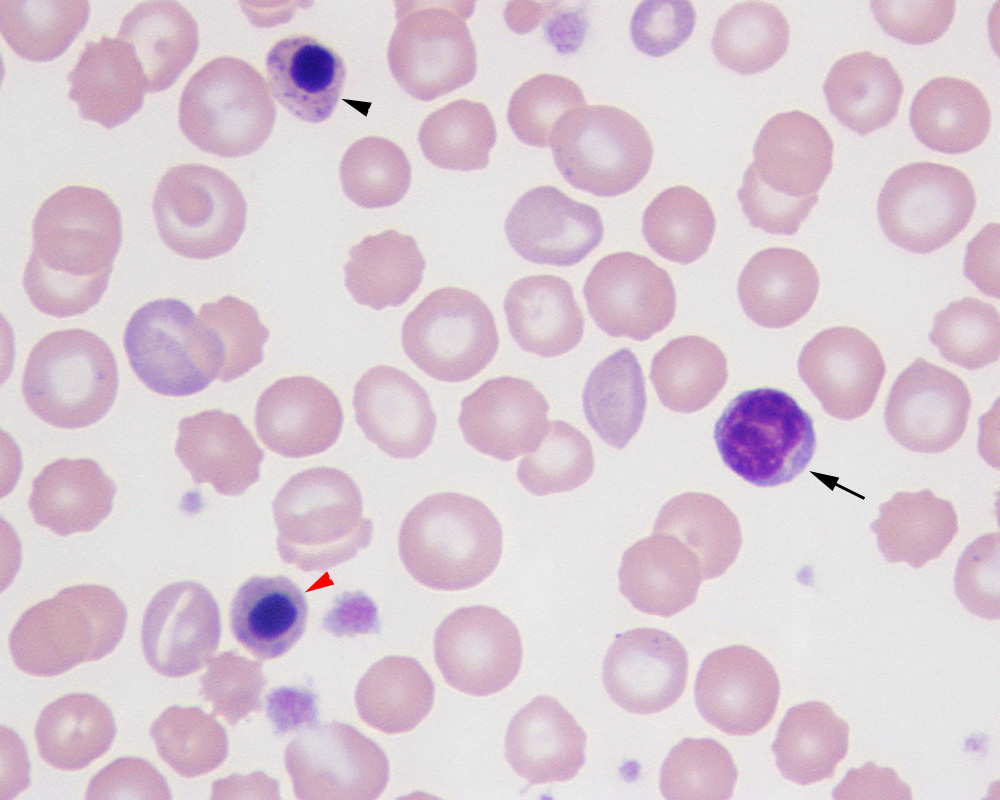
- Artificial Vision and Pattern Recognition: Specialized software, often powered by machine learning, is then used to analyze these digital images. It can identify and classify various cell types, including nRBCs, based on their size, shape, nuclear characteristics, and cytoplasm features. These systems can highlight abnormal cells, suggest classifications, and even measure specific cellular parameters that might be difficult to quantify manually.
- Remote Review and Consultation: Digital morphology systems enable hematologists to review blood smears remotely, facilitating expert consultation across different geographical locations. This not only enhances diagnostic accuracy but also optimizes resource allocation in clinical settings.
The integration of automated counting with sophisticated digital imaging ensures that while the bulk of the work is done by machines, the nuanced insights derived from visual inspection are not lost, but rather enhanced and made more accessible through technology.
Unpacking Nucleated RBCs Through a Data Lens
Beyond the mechanics of detection, the true power of understanding nucleated RBCs in a blood test emerges when we treat their presence as a valuable data point. Technology transforms these biological observations into actionable insights, enabling a deeper understanding of underlying physiological processes.
nRBCs as Biomarkers: More Than Just a Count
nRBCs are typically absent in the peripheral blood of healthy adults. Their presence usually indicates increased erythropoietic stress, bone marrow dysfunction, or severe acute conditions. From a data perspective, nRBC counts are not just a number; they are a potent biomarker.
- Quantitative Data for Risk Stratification: Automated analyzers provide precise nRBC counts (e.g., nRBCs per 100 WBCs or absolute nRBC count). This quantitative data is invaluable for risk stratification in various conditions such as sepsis, acute respiratory distress syndrome (ARDS), chronic hypoxia, and certain hematological malignancies. Machine learning models can ingest these counts, along with other CBC parameters, to predict patient outcomes or severity of disease with greater accuracy than traditional methods.
- Trend Analysis and Prognosis: Longitudinal tracking of nRBC counts over time, facilitated by digital health records, allows clinicians to monitor disease progression or response to treatment. AI-driven analytical tools can identify patterns and trends in these data sets, providing early warnings of deterioration or indicating effective therapeutic interventions. This moves beyond a single snapshot to a dynamic, predictive model of health.
- Integrated Diagnostics: The data from nRBC counts doesn’t exist in isolation. Modern laboratory information systems (LIS) integrate this data with other test results (e.g., inflammatory markers, organ function tests), patient demographics, and clinical history. Sophisticated algorithms can then analyze this multi-faceted data to provide a more holistic diagnostic picture, improving the precision of diagnosis and prognosis.
Data Standardization and Interoperability in Diagnostics
For nRBC data to be truly useful across different healthcare settings and for large-scale research, standardization and interoperability are paramount.
- Standardized Reporting: Technology facilitates the adoption of standardized units and reporting formats for nRBC counts, ensuring consistency across different laboratories and analyzer platforms. This is critical for comparative studies and for generating generalizable clinical guidelines.
- Interoperable Health Information Systems: Electronic Health Records (EHRs) and LIS play a crucial role in making nRBC data accessible and shareable. Secure, interoperable systems allow patient data to flow seamlessly between primary care, specialist clinics, and hospitals. This technological backbone ensures that a patient’s nRBC history is readily available to all care providers, preventing redundant testing and enabling informed clinical decisions.
- Big Data Analytics for Population Health: Aggregated, anonymized nRBC data from large patient populations can be analyzed using big data techniques to identify epidemiological trends, discover novel biomarkers, and refine diagnostic criteria. This goes beyond individual patient care, contributing to public health insights and the development of new diagnostic and therapeutic strategies.
AI and Machine Learning: Revolutionizing nRBC Detection and Interpretation
The most significant technological leap in recent years impacting cellular diagnostics, including nRBC analysis, has been the advent and rapid advancement of Artificial Intelligence (AI) and Machine Learning (ML). These technologies are not just automating existing processes; they are fundamentally changing how we perceive and utilize diagnostic information.
Enhancing Accuracy and Speed with AI Algorithms
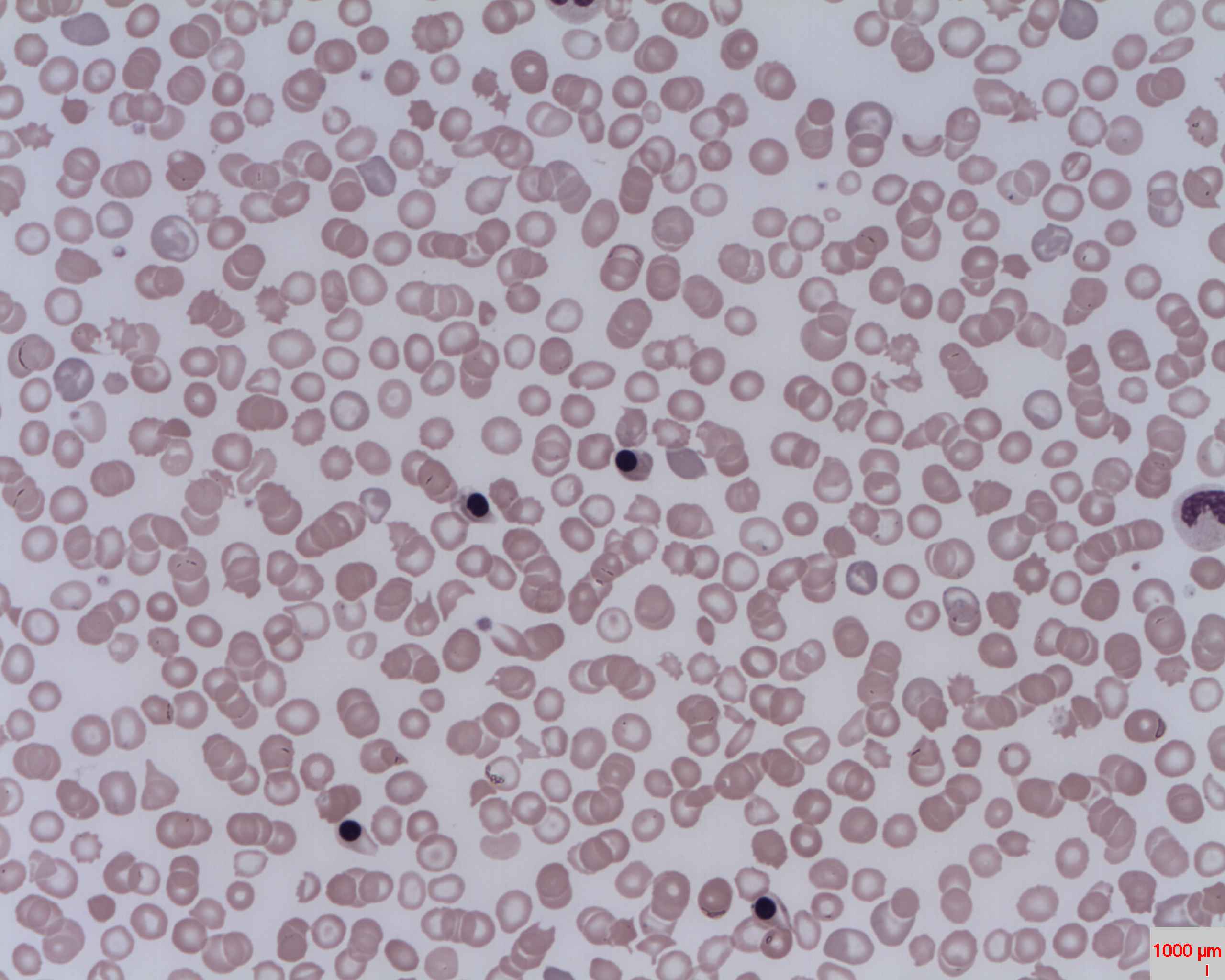
AI algorithms, particularly deep learning models, are now adept at tasks that were once exclusively human domains, such as intricate pattern recognition in complex biological samples.
- Automated Classification and Anomaly Detection: Trained on vast datasets of annotated blood cell images, AI models can achieve or even surpass human expert levels in identifying and classifying nRBCs, differentiating them from other cell types, and flagging morphological abnormalities. This significantly reduces the need for manual microscopic review, freeing up skilled hematologists for more complex cases.
- Reducing Inter-Observer Variability: Human interpretation of blood smears can be subjective. AI provides an objective, consistent assessment, drastically reducing inter-observer variability in nRBC counts and morphology. This standardization leads to more reliable and reproducible diagnostic results.
- Faster Turnaround Times: AI-powered digital morphology systems can analyze blood smears in a fraction of the time it takes a human. This speed is critical in acute care settings where rapid diagnosis of conditions associated with elevated nRBCs (e.g., sepsis) can directly impact patient outcomes.
Predictive Analytics and Early Disease Detection
Beyond simple classification, AI’s real power lies in its ability to uncover hidden patterns and make predictions.
- Prognostic Indicators: ML models can integrate nRBC counts with dozens of other clinical and laboratory parameters to build powerful predictive models for patient prognosis. For instance, in critical care, a rising nRBC count, combined with other markers, can predict mortality risk or the likelihood of organ failure, allowing for earlier, more aggressive interventions.
- Early Detection of Hematological Disorders: Subtle changes in nRBC morphology or counts, even those that might be overlooked by human review, can be detected by sensitive AI algorithms. These early signals could indicate the onset of conditions like myelodysplastic syndromes or certain anemias, enabling earlier intervention and potentially better outcomes.
- Personalized Risk Assessments: AI can analyze a patient’s unique profile, including genetic data, medical history, and real-time nRBC trends, to generate personalized risk assessments for specific diseases. This moves healthcare from a reactive model to a proactive, predictive, and personalized approach.
The Future of Diagnostic Technology and Personalized Health
The trajectory of technological advancement in nRBC analysis points towards a future of even greater precision, accessibility, and integration within a holistic view of patient health.
Point-of-Care Testing and Miniaturization
The drive towards decentralization of diagnostics means bringing sophisticated tests closer to the patient.
- Handheld Analyzers: Miniaturized flow cytometry and imaging technologies, potentially integrating microfluidics, are paving the way for handheld or cartridge-based devices that can detect nRBCs at the point of care (e.g., in remote clinics, ambulances, or even at home).
- Rapid, On-Demand Results: These devices will offer rapid results, crucial in emergencies or settings where immediate decisions are required, reducing the reliance on centralized laboratories for initial screening.
- Connectivity and Telemedicine: Future point-of-care devices will seamlessly connect to cloud-based platforms and telemedicine services, allowing real-time data transmission for expert review and remote patient monitoring, regardless of geographical barriers.
Integrating Multi-Omics Data for Holistic Insights
The ultimate frontier is the integration of nRBC data with other “omics” technologies (genomics, proteomics, metabolomics) to create a comprehensive biological profile.
- Systems Biology Approach: By correlating nRBC presence and characteristics with genetic predispositions, protein biomarkers, and metabolic profiles, researchers can gain an unprecedented understanding of disease mechanisms. For example, specific gene mutations might correlate with particular nRBC morphologies or counts, offering new diagnostic or prognostic markers.
- Precision Medicine: This integrated data will form the bedrock of true precision medicine, where treatments are tailored not just to a disease, but to an individual’s unique biological fingerprint, including how their body responds at a cellular level, indicated by markers like nRBCs.
- Drug Development and Research: The ability to analyze nRBCs in concert with a vast array of other biological data points will accelerate drug discovery and development, allowing for more targeted therapies and a deeper understanding of drug efficacy and side effects.
Navigating the Digital Security Landscape in Diagnostic Data
As diagnostic data, including sensitive nRBC findings, becomes increasingly digital, interconnected, and leveraged by AI, the imperative for robust digital security measures becomes paramount. This is a critical technological challenge that underpins all advancements in health tech.
Protecting Sensitive Patient Information
The highly personal nature of medical data necessitates state-of-the-art cybersecurity.
- Encryption and Anonymization: All diagnostic data, from acquisition by analyzers to storage in EHRs and transmission for AI analysis, must be encrypted. For research and big data analytics, de-identification and anonymization techniques are crucial to protect patient privacy while still allowing valuable insights to be extracted.
- Access Controls and Audit Trails: Strict access controls ensure that only authorized personnel can view or modify patient data. Comprehensive audit trails track every interaction with the data, providing accountability and detecting unauthorized activity.
- Secure Cloud Infrastructure: As more health data migrates to cloud platforms for scalability and accessibility, ensuring the security of these cloud environments, through robust firewalls, intrusion detection systems, and regular security audits, is vital.
Regulatory Compliance in Health Tech
The development and deployment of diagnostic technologies, especially those involving AI, are subject to stringent regulatory frameworks.
- Data Privacy Regulations: Compliance with global data privacy laws such as GDPR, HIPAA, and regional regulations is not merely a legal requirement but a fundamental ethical obligation for health tech companies handling patient data derived from blood tests.
- AI Algorithm Validation and Ethics: Regulatory bodies are increasingly focused on the validation of AI algorithms used in diagnostics, ensuring their accuracy, reliability, and fairness. Ethical guidelines for AI in healthcare address issues like algorithmic bias, transparency, and accountability, guaranteeing that technological advancements do not inadvertently lead to disparities or incorrect diagnoses.
- Cybersecurity Standards: Health tech providers must adhere to specific cybersecurity standards and certifications that are tailored for the healthcare industry, reflecting the high stakes involved in protecting patient information and ensuring the integrity of diagnostic results.
In conclusion, the simple question, “what is nucleated rbc in a blood test?” opens a gateway to a sophisticated world of technological innovation. From the automated precision of hematology analyzers and the nuanced insights of digital morphology to the transformative power of AI and the promise of integrated omics, technology is continually redefining our ability to understand these cellular markers. As we move forward, the emphasis will remain on leveraging these tools not just for detection, but for predictive, personalized, and proactive healthcare, always underpinned by a steadfast commitment to data security and ethical application.
aViewFromTheCave is a participant in the Amazon Services LLC Associates Program, an affiliate advertising program designed to provide a means for sites to earn advertising fees by advertising and linking to Amazon.com. Amazon, the Amazon logo, AmazonSupply, and the AmazonSupply logo are trademarks of Amazon.com, Inc. or its affiliates. As an Amazon Associate we earn affiliate commissions from qualifying purchases.