
While the human digestive system is a marvel of biological engineering, designed for the intricate processes of nutrient extraction and waste elimination, it’s crucial to understand its limitations. The popular imagination often imbues biological systems with capabilities they don’t possess, sometimes fueled by science fiction, pseudoscience, or simply a lack of detailed biological understanding. This article aims to clarify what falls outside the purview of the digestive system, focusing on functions that are commonly misunderstood or incorrectly attributed to it. We will explore areas that are distinct from digestion, highlighting the specialized roles of other physiological systems.

The Digestive System: Core Functions Defined
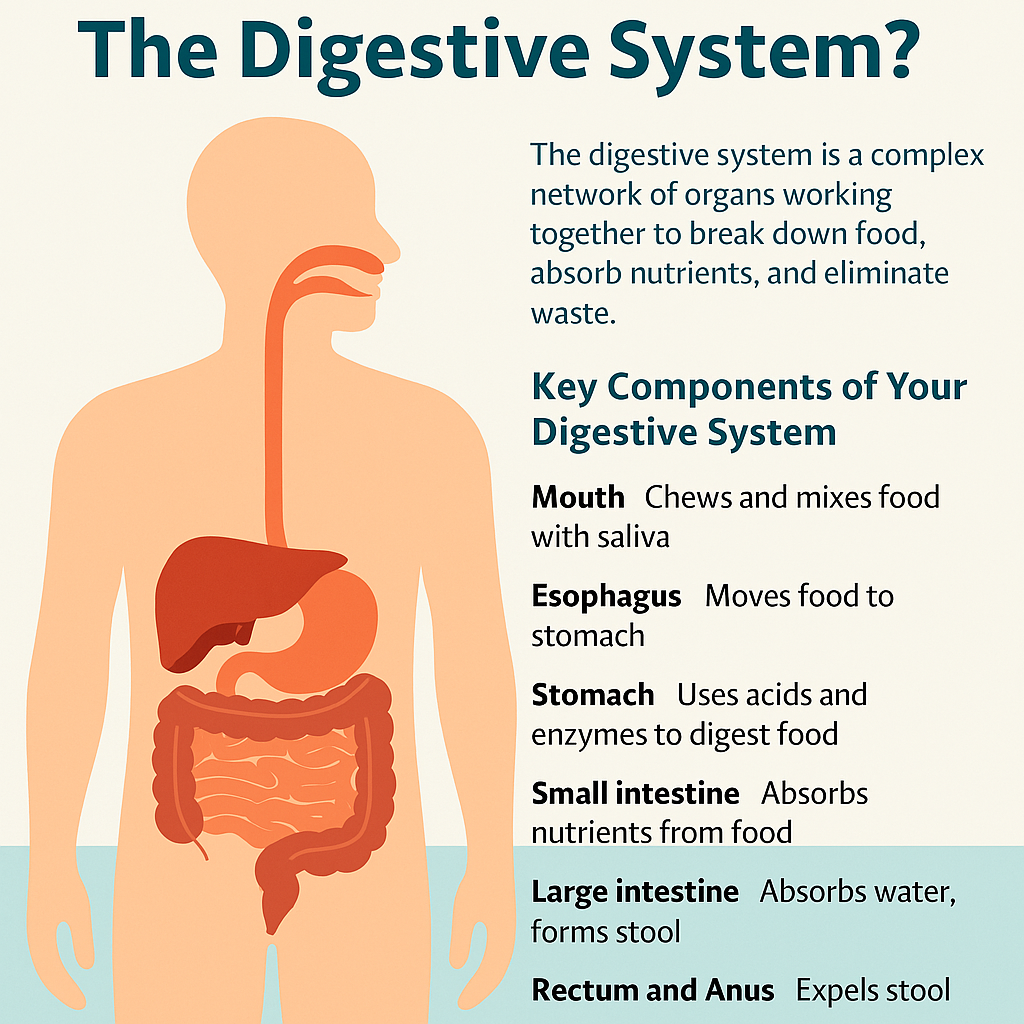
Before delving into what the digestive system doesn’t do, it’s essential to firmly establish its primary objectives. The digestive system’s overarching purpose is to break down food into molecules small enough for the body to absorb and utilize, and then to eliminate the unusable waste. This complex process involves a series of mechanical and chemical actions occurring throughout the gastrointestinal tract.
Ingestion and Propulsion: The Entry and Movement of Food
The journey of food begins with ingestion, the act of taking food into the body, typically through the mouth. This initial step is purely mechanical and facilitated by the teeth and tongue. Once in the esophagus, the process of propulsion takes over. This is primarily achieved through peristalsis, involuntary muscular contractions that push food down towards the stomach. While essential for digestion, ingestion and simple propulsion are initial steps, not the entirety of the digestive system’s work. They are the gateways, not the internal processing plants.
Mechanical and Chemical Digestion: Breaking Down the Food Matrix
This is the heart of the digestive process. Mechanical digestion involves the physical breakdown of food into smaller pieces, increasing the surface area for chemical digestion. This includes chewing in the mouth, churning in the stomach, and segmentation in the small intestine. Chemical digestion, on the other hand, relies on enzymes and acids to break down complex food molecules (carbohydrates, proteins, fats) into simpler absorbable units (sugars, amino acids, fatty acids, glycerol). This transformation is crucial and occurs in a highly regulated sequence within the stomach and the small intestine.
Absorption: Nutrient Uptake and Distribution
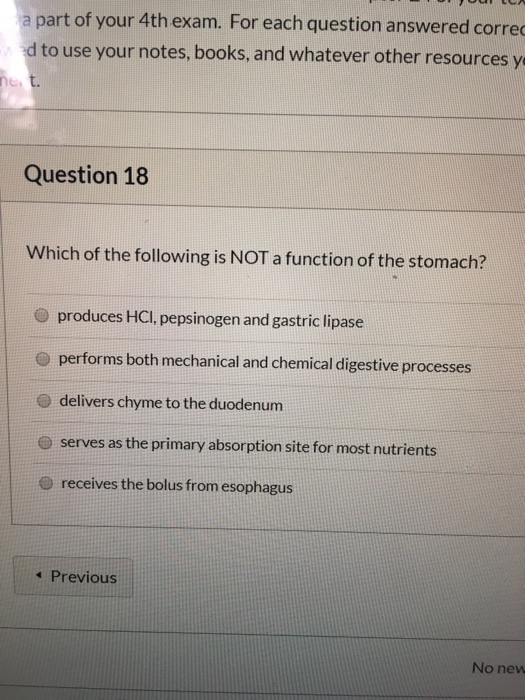
Following digestion, the resulting nutrient molecules must be absorbed into the bloodstream or lymphatic system. The vast majority of this absorption takes place in the small intestine, thanks to its specialized structures like villi and microvilli, which dramatically increase the absorptive surface area. From here, nutrients are transported to cells throughout the body to fuel metabolic processes, growth, and repair. While the digestive system facilitates this uptake, the subsequent distribution and utilization of these nutrients are the responsibilities of other systems, particularly the circulatory and cellular metabolic machinery.
Elimination: Waste Removal
The final key function of the digestive system is the elimination of undigested material, metabolic waste, and toxins from the body in the form of feces. This process, known as defecation, involves the movement of waste products from the large intestine, where water is absorbed and some vitamins are synthesized by gut bacteria, to the rectum for expulsion. This is a vital detoxification and waste management role, preventing the accumulation of harmful substances within the body.
Functions Misattributed to the Digestive System
Many vital bodily processes are often mistakenly associated with the digestive system due to their interconnectedness or the broad understanding of “digestion” as encompassing all internal processing. It is important to disentangle these roles to appreciate the specialized functions of other organ systems.
Energy Storage and Regulation Beyond Nutrient Absorption
While the digestive system is responsible for acquiring the building blocks for energy through nutrient absorption, the long-term storage and intricate regulation of energy reserves are not its primary functions. This role is predominantly handled by the endocrine system, particularly hormones like insulin and glucagon, and by specialized organs such as the liver and adipose tissue. The liver stores glucose as glycogen, and adipose tissue stores excess energy as fat. When the body needs energy between meals or during periods of fasting, these stored reserves are mobilized. The digestive system’s involvement ends with the delivery of absorbable fuel; the decision-making and execution of long-term energy management lie elsewhere.
Immune System Surveillance and Response
The gastrointestinal tract does house a significant portion of the body’s immune system, known as the gut-associated lymphoid tissue (GALT). This includes Peyer’s patches in the small intestine and immune cells scattered throughout the intestinal lining. These components play a crucial role in identifying and responding to pathogens that may be ingested with food. However, the GALT is just one part of a much larger, sophisticated, and distributed immune system. The digestive system does not generate antibodies, mount systemic inflammatory responses (beyond localized reactions), produce white blood cells, or orchestrate the memory of pathogens for future encounters. These are the domain of the broader immune system, involving organs like the spleen, lymph nodes, bone marrow, and circulating immune cells. The digestive system is a site where immune surveillance occurs, but it is not the central command for the entire immune defense.
Hormone Production and Systemic Regulation
While the digestive tract does produce some hormones (e.g., gastrin, secretin, cholecystokinin) that regulate digestive processes locally, it is not a primary endocrine organ responsible for systemic hormone production. Major endocrine glands like the pituitary, thyroid, adrenal glands, and pancreas (for insulin and glucagon) are the true architects of systemic hormonal regulation. These glands produce hormones that control metabolism, growth, mood, reproduction, and countless other bodily functions that extend far beyond the immediate needs of digestion. The digestive system’s hormonal contributions are largely localized and focused on optimizing its own operations, not on governing the body as a whole.
Respiration and Gas Exchange
This is perhaps one of the most fundamental distinctions. The digestive system’s role is to process ingested organic matter. Respiration, on the other hand, is the process of gas exchange, where the body takes in oxygen and expels carbon dioxide. This is the exclusive domain of the respiratory system, comprising the lungs, airways, and diaphragm. While oxygen is necessary for the cells of the digestive organs to function and for the metabolic processes that utilize absorbed nutrients, the digestive system itself plays no part in the mechanics of breathing or the exchange of gases between the air and the blood. Any confusion might arise from the proximity of these two systems within the torso, but their functions are entirely separate.
Nutrient Synthesis and Vitamin Production (Beyond Gut Microbiome)
The body’s ability to synthesize essential nutrients and vitamins is limited. While the liver can synthesize certain non-essential amino acids and convert glucose to fat, it cannot produce essential vitamins or fatty acids. The digestive system’s primary role is to absorb pre-formed vitamins and nutrients from food. A notable exception is the production of certain vitamins, like vitamin K and some B vitamins, by the gut microbiota within the large intestine. However, this synthesis is a function of the symbiotic bacteria, not the human cells of the digestive tract themselves. Furthermore, the body cannot synthesize essential amino acids or fatty acids; these must be obtained from the diet. Therefore, the digestive system’s function is largely about intake and absorption of pre-existing compounds, not the de novo synthesis of most vital nutrients.
The Mind-Body Connection and Digestive Well-being: A Distinct Domain
The influence of the brain on digestion (the “gut-brain axis”) and the impact of digestive health on mental state are well-established. However, the processing of thoughts, emotions, and consciousness is a function of the central nervous system, primarily the brain. The digestive system does not think, feel emotions, or process conscious experiences. While stress or anxiety (originating in the brain) can significantly impact digestive motility and secretion, and conversely, digestive discomfort can affect mood, these are influences and feedback loops, not inherent functions of the digestive organs themselves.
Cognitive Processes and Consciousness
Cognition, including learning, memory, problem-solving, and consciousness itself, are entirely separate from the digestive system’s repertoire. These complex mental processes are mediated by neurons, synapses, and intricate neural networks within the brain. The digestive system’s role is purely physiological and metabolic, focused on material processing. While nutrients absorbed by the digestive system are essential fuel for brain function, the brain’s operations are independent of the digestive tract’s physical actions.
Emotional Processing and Psychological States
The ability to experience and process emotions – joy, sadness, anger, fear – is a function of limbic system structures and other brain regions. While a “gut feeling” or “butterflies in the stomach” are common metaphors for how emotions manifest physically, the digestive system is not the source of these emotions. It is a recipient of signals from the brain that influence its activity. Conversely, chronic digestive issues can lead to discomfort, anxiety, and depression, but this is a consequence of physical distress impacting psychological well-being, not the digestive system generating the emotional state.
Conclusion: Appreciating Systemic Specialization
Understanding what the digestive system is not is as crucial as knowing what it does. By delineating its boundaries and recognizing the specialized roles of other physiological systems – the endocrine system for energy regulation, the immune system for defense, the respiratory system for gas exchange, and the nervous system for cognition and emotion – we gain a more profound appreciation for the complexity and efficiency of the human body. Each system operates with its unique set of functions, yet they are intricately interconnected, working in concert to maintain homeostasis and overall health. Misattributing functions can lead to misconceptions about health, disease, and biological processes. A clear understanding of these distinct roles allows for more accurate discussions about health and well-being.
aViewFromTheCave is a participant in the Amazon Services LLC Associates Program, an affiliate advertising program designed to provide a means for sites to earn advertising fees by advertising and linking to Amazon.com. Amazon, the Amazon logo, AmazonSupply, and the AmazonSupply logo are trademarks of Amazon.com, Inc. or its affiliates. As an Amazon Associate we earn affiliate commissions from qualifying purchases.