
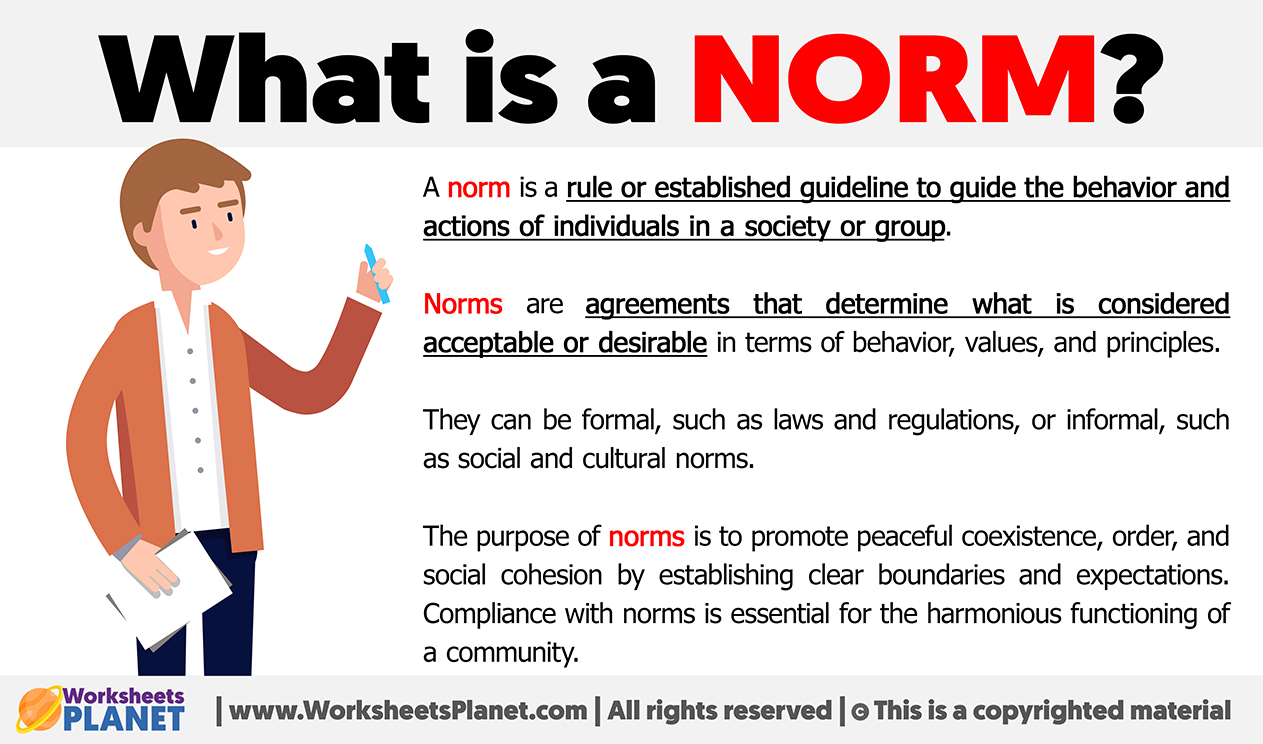
In an era defined by relentless technological advancement, the concept of “norm” might seem like an anachronism. How can anything be considered normal when innovation constantly shatters previous benchmarks? Yet, within the dynamic world of technology, norms are not rigid, static rules but rather crucial, constantly evolving baselines. They represent the established practices, expected standards, and acceptable conventions that govern how technology is developed, deployed, and experienced. Understanding what constitutes “norm” in tech is not just an academic exercise; it’s essential for developers, businesses, and users alike to navigate the complexities of digital transformation, ensure interoperability, foster trust, and ultimately, drive progress. These norms are the invisible scaffolding that supports the entire technological ecosystem, enabling complex systems to function, users to interact intuitively, and security to remain paramount amidst burgeoning threats. From the foundational protocols that power the internet to the nuanced expectations of user experience, norms dictate the unspoken rules of engagement in our digital lives.
The Indispensable Role of Norms in a Connected World
Norms serve as the bedrock upon which the vast and intricate edifice of modern technology is built. Without them, the digital landscape would be a chaotic, fragmented realm of incompatible systems and unpredictable user experiences. They provide a common language and a shared understanding, allowing diverse components and global stakeholders to interact seamlessly.
Establishing Stability and Interoperability
One of the primary functions of technological norms is to establish stability. Think of communication protocols like TCP/IP, HTTP, or Wi-Fi standards. These aren’t just technical specifications; they are widely accepted norms that ensure different devices, software, and networks can communicate with each other, regardless of their manufacturer or location. Without these standardized “norms,” the internet as we know it would cease to function, and the global flow of information would grind to a halt. They guarantee that a website built on one server can be accessed by a browser on any computer, fostering a level of interoperability that underpins our interconnected world. This stability is not about stagnation; rather, it’s about providing a reliable foundation upon which further innovation can safely occur. Developers can build new applications knowing that the underlying communication layers will function predictably, reducing complexity and accelerating development cycles.
Benchmarking Quality and Performance
Norms also act as critical benchmarks for quality and performance. When a user downloads an app, they subconsciously expect a certain level of responsiveness, intuitive navigation, and stability. These expectations are derived from prevailing norms in user interface (UI) and user experience (UX) design. Similarly, in hardware, performance metrics—like processor speed or battery life—are often compared against industry norms to evaluate a product’s competitiveness. For software, norms might dictate acceptable bug rates, security vulnerabilities, or uptime percentages. These benchmarks drive healthy competition, pushing creators to meet or exceed established standards, thereby elevating the overall quality of technology available to consumers. Companies that consistently fall below these expected norms risk losing market share and user trust, demonstrating the tangible impact of these often unwritten rules.
Fostering Trust and Security
Perhaps most critically, norms are indispensable in fostering trust and ensuring digital security. In an era of escalating cyber threats, norms around data encryption, privacy policies, and secure development practices are paramount. Users now expect their personal information to be handled with the utmost care, adhering to global data protection regulations like GDPR or CCPA, which themselves embody evolving societal norms around digital privacy. Companies that visibly adhere to these security norms, implementing multi-factor authentication, regular security audits, and transparent data handling, build credibility with their user base. Conversely, deviations from these norms can lead to catastrophic data breaches, reputational damage, and significant financial penalties. Security norms are not just about technical safeguards; they represent a social contract between technology providers and users, promising a baseline level of protection in the digital realm.
The Dynamic Nature of Technological Norms
Unlike the rigid customs of some traditional societies, technological norms are inherently fluid and subject to constant transformation. The rapid pace of innovation ensures that what is considered “normal” today may be outdated tomorrow, making adaptability a core necessity for anyone involved in technology.
The Velocity of Innovation and Obsolescence
Technology’s defining characteristic is its relentless drive for innovation. New hardware capabilities, programming paradigms, and artificial intelligence breakthroughs continuously emerge, rendering previous solutions obsolete or less efficient. This velocity directly impacts norms. For instance, dial-up internet was once the norm for home connectivity; today, fiber optics and 5G set the new standard for speed and bandwidth. Similarly, physical keyboards were once the norm for mobile interaction, only to be replaced by touchscreens. This constant cycle of innovation means that norms are not fixed destinations but rather moving targets. What was once cutting-edge becomes standard, then commonplace, and eventually, archaic, as new “norms” of performance, convenience, and capability take hold. Businesses and developers must continuously monitor these shifts, understanding when to abandon old norms and embrace new ones to remain relevant and competitive.
User Expectations as the Driving Force
Ultimately, many technological norms are shaped by user expectations. As users become more digitally literate and accustomed to sophisticated interfaces and seamless experiences, their tolerance for clunky software or slow services diminishes. The ubiquity of smartphones with intuitive touch interfaces has set a new norm for user experience across all digital platforms. Users now expect personalization, instant gratification, and cross-device compatibility as standard features, not luxuries. These heightened expectations force developers and designers to push boundaries, embedding advanced features and thoughtful design into their products as a baseline. Companies that fail to keep pace with these evolving user-driven norms risk alienating their audience and falling behind competitors who actively listen to and anticipate user needs. The collective voice of the user base acts as a powerful, decentralized force in shaping the “normal” in technology.
The Global Influence of Digitalization
The interconnected nature of the global digital landscape means that technological norms are no longer solely dictated by a handful of dominant players or specific regions. The widespread adoption of technology across diverse cultures and economies introduces new perspectives and demands that influence global norms. Open-source movements, international collaborations, and the viral spread of successful applications or design patterns contribute to a global homogenization, yet also a diversification, of norms. For example, accessibility standards, which ensure technology is usable by individuals with disabilities, have evolved into global norms, reflecting a broader societal recognition of inclusivity. The digital world transcends geographical borders, making the influence of users and developers from every corner of the planet equally impactful in defining what is considered a “normal” or acceptable technological practice.
Examining Norms Across Critical Tech Domains
To truly grasp the concept of “norm” in technology, it’s helpful to examine its manifestations within specific, critical domains where its impact is most profound and its evolution most visible.
User Experience (UX) and Interface (UI) Design Norms
In UX/UI, norms dictate how users expect to interact with digital products. Once, complex menus and hidden functionalities were common; today, the norm is simplicity, intuitiveness, and a minimalist aesthetic. Standardized icons (like the hamburger menu or the magnifying glass for search), familiar navigation patterns (e.g., top navigation bars, footer links), and predictable interaction models (e.g., tap, swipe, pinch-to-zoom) have become deeply ingrained norms. These established patterns reduce cognitive load for users, allowing them to instantly understand how to use a new application without a steep learning curve. The rise of mobile-first design has also set new norms for responsiveness and adaptability across different screen sizes. Any deviation from these generally accepted norms risks user frustration and rejection, underscoring their critical role in product success.

Data Privacy and Digital Security Norms
Perhaps no area has seen more rapid and impactful shifts in norms than data privacy and digital security. What was once considered acceptable data collection or sharing is now viewed with intense scrutiny. Regulations like GDPR, CCPA, and others have elevated user control over personal data from a niche concern to a global norm. Consent mechanisms, transparent privacy policies, the right to be forgotten, and robust data encryption are no longer optional extras; they are expected baselines for any reputable digital service. Similarly, security norms have evolved from basic password protection to multi-factor authentication, end-to-end encryption for messaging, and proactive threat detection. Companies that violate these privacy and security norms face not only legal repercussions but also severe damage to their brand reputation and user trust.
Artificial Intelligence and Ethical Norms
The emergence of artificial intelligence presents a fresh frontier for norm-setting. As AI becomes more integrated into daily life, ethical considerations are rapidly evolving into crucial norms. Questions around algorithmic bias, transparency in decision-making, accountability for AI errors, and the societal impact of automation are driving the development of new ethical guidelines and regulatory frameworks. Norms are being established around fairness in AI outputs, the need for human oversight, and the responsible deployment of powerful AI systems. Developers are increasingly expected to integrate “ethical AI” principles into their design and deployment processes, ensuring that these powerful tools serve humanity without perpetuating existing biases or creating new harms. This domain illustrates how norms can proactively shape an emerging technology rather than simply reacting to it.
Software Development and Operational Norms
Within the realm of software development, norms dictate efficient and effective practices. Agile methodologies, continuous integration/continuous deployment (CI/CD), version control systems like Git, and robust testing frameworks have become the operational norms for modern software teams. These norms emphasize collaboration, iterative development, and automated processes to deliver high-quality software faster. Similarly, in operations, cloud-native architectures, containerization (e.g., Docker, Kubernetes), and infrastructure as code (IaC) have become the norms for scalable, resilient, and cost-effective system management. Adherence to these development and operational norms ensures that software is not only functional but also maintainable, scalable, and secure over its lifecycle.
Strategies for Adopting and Shaping New Norms
In a constantly evolving technological landscape, passively observing norms is insufficient. Businesses and individuals must actively engage in strategies to adopt new norms and, where possible, contribute to shaping them.
Agile Adaptation and Continuous Learning
The most fundamental strategy for dealing with dynamic technological norms is to cultivate a culture of agile adaptation and continuous learning. This means embracing iterative processes, staying informed about emerging trends and best practices, and being willing to pivot quickly when a new norm takes hold. For development teams, it involves regular training, participation in industry forums, and a commitment to reviewing and updating tools and methodologies. For businesses, it means fostering an environment where experimentation is encouraged and failure is viewed as a learning opportunity. Sticking rigidly to outdated practices in the face of new norms can lead to technological debt, competitive disadvantage, and eventual obsolescence.
Embracing Open Standards and Collaboration
Many of the most impactful norms in technology have emerged from open standards and collaborative efforts. Participating in open-source projects, contributing to industry standard bodies, and collaborating with peers are excellent ways to both stay abreast of evolving norms and influence their direction. By embracing open standards, companies can ensure interoperability, reduce vendor lock-in, and contribute to a healthier, more transparent ecosystem. This collaborative approach not only helps shape the future of technology but also distributes the burden of defining and refining complex norms across a broader community of experts.
Leading Through Innovation and User-Centricity
While many norms are about following established paths, true leadership in technology often comes from setting new ones. Companies that innovate with a deep understanding of user needs and societal impact can redefine what is considered “normal.” Apple’s iPhone, for instance, didn’t just meet existing norms; it created entirely new ones for mobile interaction, design, and app ecosystems. This requires a profound user-centric approach, anticipating unmet needs, and daring to challenge conventions. By focusing on creating genuinely superior, intuitive, and ethical experiences, innovators can establish new benchmarks that others aspire to, thereby setting the next generation of technological norms.
The Imperative of Anticipation and Responsibility
The ongoing evolution of technological norms underscores an imperative for both anticipation and responsibility. As technology becomes more deeply interwoven with society, the norms governing its creation and use carry significant ethical weight and long-term consequences.
Future-Proofing Through Foresight
Anticipating future norms is a critical aspect of long-term success in technology. This involves not just observing current trends but engaging in strategic foresight—identifying nascent technologies, understanding their potential impact, and considering how they might redefine user expectations, security requirements, and ethical considerations. For instance, companies are now grappling with what “normal” connectivity will mean in an era of ubiquitous IoT devices, or what “normal” human-computer interaction will be with advanced AI assistants. Investing in research and development, engaging with futurists, and participating in cross-disciplinary discussions can help organizations “future-proof” their strategies by building solutions that are adaptable to tomorrow’s norms.
Ethical Considerations as Core Norms
Perhaps the most significant shift in recent years is the elevation of ethical considerations to core technological norms. The conversation has moved beyond mere functionality and efficiency to encompass fairness, transparency, accountability, and sustainability. Developers are increasingly expected to consider the societal impact of their creations, from algorithmic bias in AI to the environmental footprint of data centers. These ethical norms are not just compliance checkboxes but foundational principles that must guide every stage of technology development. Integrating ethical design thinking and impact assessments into standard operating procedures is becoming a non-negotiable norm for responsible technology creation.
The Human Element in Tech Norms
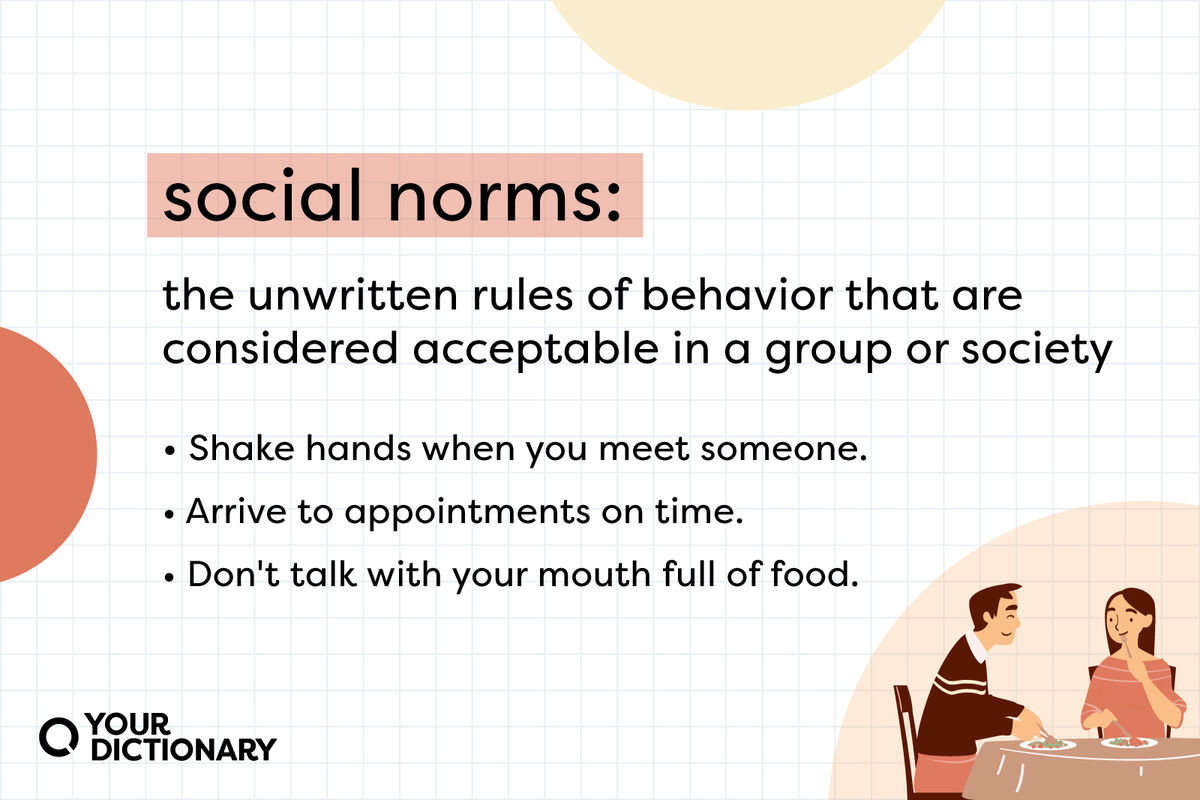
Ultimately, technological norms are not just about code, hardware, or algorithms; they are about people. They reflect our collective values, our changing needs, and our evolving relationship with the tools we create. The human element dictates what is convenient, what is secure, what is ethical, and what is ultimately adopted. As technology continues its relentless march forward, the norms that emerge will increasingly reflect a desire for technology that empowers, connects, and improves human lives, rather than merely automating tasks. Understanding this human-centric core of norms is key to building technology that is not only innovative but also meaningful and beneficial to society.
In conclusion, “norm” in technology is far from a static concept. It is a dynamic, living framework of expectations, standards, and practices that constantly adapts to the breathtaking pace of innovation. From ensuring interoperability and benchmarking quality to safeguarding privacy and guiding ethical AI development, these evolving baselines are indispensable. For businesses and individuals alike, recognizing, understanding, and proactively engaging with these technological norms is not just advantageous—it’s essential for thriving in the ever-shifting digital landscape. The ability to both adhere to and help shape these norms will define success in the technological future.
aViewFromTheCave is a participant in the Amazon Services LLC Associates Program, an affiliate advertising program designed to provide a means for sites to earn advertising fees by advertising and linking to Amazon.com. Amazon, the Amazon logo, AmazonSupply, and the AmazonSupply logo are trademarks of Amazon.com, Inc. or its affiliates. As an Amazon Associate we earn affiliate commissions from qualifying purchases.