
Nordstrom. The name alone evokes a particular sensibility: quality, luxury, impeccable service, and a curated shopping experience. But to truly understand “what is Nordstrom” goes beyond merely identifying it as a department store. It is to delve into the intricate tapestry of its brand identity – a carefully woven narrative of customer-centricity, aspirational merchandising, and strategic evolution that has positioned it as a stalwart in the competitive world of high-end retail. At its core, Nordstrom is a masterclass in brand building, a testament to how a consistent vision, deeply embedded values, and a willingness to adapt can forge an enduring legacy.

This article will explore Nordstrom not just as a business entity, but as a powerfully defined brand. We will dissect its origins, the foundational pillars of its identity, its strategic responses to market shifts, and the profound impact of its brand strategy on customer loyalty and market perception. Understanding Nordstrom is understanding a brand that has transcended mere commerce to become a cultural touchstone for discerning shoppers.
The Evolution of a Retail Icon: From Shoes to Lifestyle
Nordstrom’s brand story began humbly, a far cry from the multi-billion-dollar enterprise it is today. Its journey from a small shoe store to a multifaceted luxury lifestyle retailer is a compelling narrative of strategic expansion and an unwavering commitment to its core brand promises. This evolution is crucial to understanding the breadth and depth of the Nordstrom brand.
A Century of Service: Nordstrom’s Humble Beginnings and Growth
The year 1901 marked the opening of Wallin & Nordstrom, a modest shoe store in Seattle, Washington, founded by Swedish immigrant John W. Nordstrom. From its inception, the brand’s identity was inadvertently shaped by a simple yet revolutionary principle for its time: offer a wide selection of quality shoes and, more importantly, provide exceptional service. This wasn’t merely a business tactic; it was the genesis of the Nordstrom brand’s foundational ethos. Customers were paramount, and their satisfaction was the ultimate metric of success. This early focus on the customer experience and a robust product offering laid the groundwork for a brand reputation built on trust and reliability.
As the company grew, expanding to multiple shoe stores throughout the Pacific Northwest, it retained this core identity. The brand became synonymous with fitting families with the right shoes and ensuring every customer left satisfied. This grassroots brand building, focused on direct customer interaction and word-of-mouth reputation, proved incredibly powerful. It taught the Nordstrom family the value of a strong brand image cultivated through consistent positive experiences, long before “brand strategy” became a formal discipline.
Adapting to the Modern Shopper: Diversification and Omnichannel Presence
The pivotal shift for the Nordstrom brand came in 1960 when it ventured beyond shoes, introducing women’s apparel. This was a calculated risk that diversified its brand offering and opened up new avenues for growth. The brand wasn’t just about shoes anymore; it was about clothing, accessories, and ultimately, a complete lifestyle. This diversification continued throughout the decades, bringing in menswear, children’s wear, cosmetics, and home goods. Each expansion was carefully integrated to align with the overarching brand identity of quality, style, and aspirational luxury. The “Nordstrom” brand evolved from a specialized retailer to a comprehensive fashion destination.
In the digital age, Nordstrom has demonstrated remarkable agility in adapting its brand strategy to an omnichannel reality. Recognizing that the modern shopper interacts with brands across multiple touchpoints, Nordstrom invested heavily in its e-commerce platform, mobile apps, and digital marketing. However, crucially, it ensured that the online experience mirrored the high-touch, personalized service customers expected in-store. Features like online styling, robust product descriptions, and seamless returns were designed to extend the brand’s legendary service ethos into the digital realm. This strategic fusion of brick-and-mortar excellence with digital convenience solidified Nordstrom’s brand as both traditional and forward-thinking, a critical balancing act for any heritage brand in the 21st century.
The Nordstrom Brand Identity: Pillars of Distinction
A brand’s identity is its unique DNA, the set of values, aesthetics, and experiences that distinguish it from competitors. For Nordstrom, this identity is not merely a logo or a marketing campaign; it is deeply embedded in its operational philosophy and manifested in every customer interaction. Three pillars stand out as central to the Nordstrom brand identity.
Unwavering Commitment to Customer Service: The Nordstrom Standard
Perhaps the most legendary aspect of the Nordstrom brand is its unparalleled commitment to customer service. Stories abound of employees going to extraordinary lengths – warming up customers’ cars, accepting returns without a receipt years after purchase, or even wrapping competitors’ gifts. While some of these might be apocryphal, they illustrate a powerful brand narrative that Nordstrom has meticulously cultivated: the customer is always right, and their satisfaction is paramount. This ethos is reinforced through employee training, empowerment, and a culture that values initiative and problem-solving.
This “Nordstrom Standard” of service is not merely reactive; it’s proactive. Personal stylists and beauty advisors offer tailored advice and build lasting relationships, transforming a transactional exchange into a personalized, consultative experience. This level of personalized attention fosters deep brand loyalty, turning first-time shoppers into lifelong patrons who associate the Nordstrom brand with trust, care, and an elevated shopping journey that prioritizes their needs above all else. This intangible asset – the feeling of being genuinely valued – is a cornerstone of the Nordstrom brand.
Curated Merchandise and Quality Assurance: The Product Promise
Beyond service, the Nordstrom brand promise extends to its merchandise. Nordstrom has carved out a niche as a destination for carefully curated, high-quality fashion and lifestyle products. The brand’s buying strategy focuses on a blend of established luxury labels, emerging designers, and well-regarded contemporary brands, ensuring a diverse yet consistently elevated selection. This meticulous curation reflects the brand’s understanding of its target audience: discerning individuals who appreciate craftsmanship, style, and enduring value.
The Nordstrom brand implicitly guarantees a level of quality. Customers trust that items purchased from Nordstrom will meet certain standards, reducing the perceived risk of a high-value purchase. This product promise is vital for a luxury brand, as it reinforces its aspirational appeal and justifies its premium pricing. From the texture of a cashmere sweater to the cut of a designer dress, every item contributes to the overall brand perception of sophistication and superior taste. This careful balance of diverse offerings under a singular umbrella of quality makes Nordstrom a reliable guide in the often-overwhelming world of fashion.
The Art of In-Store Experience: Ambiance and Engagement
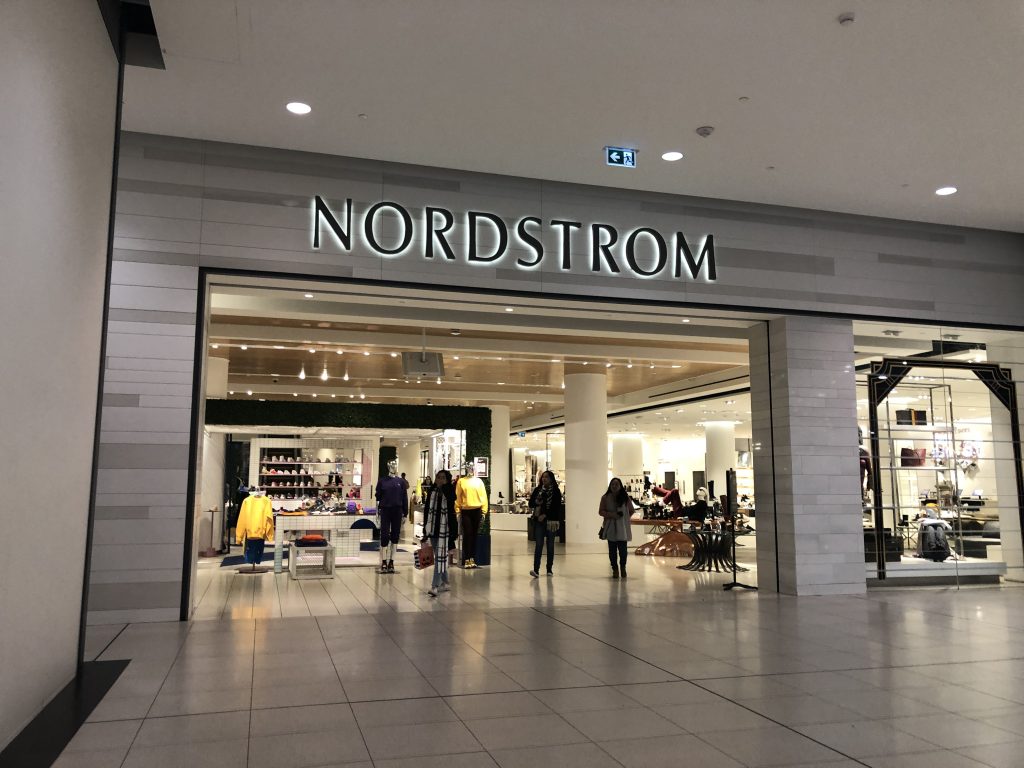
For a brand like Nordstrom, the physical retail space is a critical manifestation of its identity. Nordstrom stores are designed to be more than just places to shop; they are destinations. The ambiance is thoughtfully crafted – elegant décor, spacious layouts, strategic lighting, and often live piano music – all contribute to a sophisticated and comfortable atmosphere. This attention to sensory detail ensures that the in-store experience aligns perfectly with the brand’s luxury positioning.

Furthermore, Nordstrom excels at creating engaging in-store experiences. Pop-up shops, designer trunk shows, beauty events, and even in-store restaurants and bars transform shopping into a social and leisure activity. These experiential elements are crucial for a brand that seeks to connect with its customers on an emotional level. They foster a sense of community, discovery, and indulgence, reinforcing the idea that shopping at Nordstrom is not just about acquiring goods, but about enjoying a refined and pleasurable outing. This multi-sensory approach ensures that the Nordstrom brand is experienced holistically, leaving a lasting impression long after the shopping bag leaves the store.
Brand Strategy in a Dynamic Retail Landscape
The retail landscape is constantly shifting, marked by intense competition, evolving consumer behaviors, and technological disruption. For a heritage brand like Nordstrom, maintaining relevance and appeal requires a proactive and adaptable brand strategy. The company has skillfully navigated these challenges by leveraging its core strengths while embracing innovation.
Navigating Competitive Waters: Differentiation through Experience
In a market saturated with online retailers, discount stores, and other luxury department stores, Nordstrom’s brand strategy hinges on differentiation. Its primary differentiator remains the unparalleled customer experience. While competitors might offer similar products or price points, few can consistently deliver the personalized, high-touch service that Nordstrom is famous for. This focus on experiential differentiation allows Nordstrom to command customer loyalty and justify its premium positioning. The brand understands that in an age of abundant choice, a superior experience is often the ultimate deciding factor for discerning consumers.
This extends to its unique offerings like Nordstrom Local, smaller-format service hubs without traditional inventory, focused purely on styling, alterations, and online order pickup. This innovative concept further solidifies the brand’s commitment to convenience and personalized service, adapting its physical footprint to meet modern urban demands without sacrificing its brand essence.
Digital Transformation While Preserving Brand Essence
Nordstrom has not shied away from digital transformation, but its approach has always been rooted in preserving its core brand essence. Its robust e-commerce platform and mobile apps are designed to replicate the seamlessness and personalized touch of the in-store experience. Features like personalized recommendations, virtual styling sessions, and easy returns ensure that the digital interaction feels distinctly “Nordstrom.” The brand has invested heavily in data analytics to understand online customer behavior, allowing for more targeted marketing and a continuously refined digital experience.
Social media strategy also plays a vital role in extending the Nordstrom brand. The brand uses platforms like Instagram and Pinterest to showcase its curated merchandise, inspire fashion choices, and engage with customers in an aspirational yet approachable manner. By maintaining a consistent brand voice and aesthetic across all digital channels, Nordstrom ensures that its online presence strengthens rather than dilutes its established luxury identity, proving that a traditional brand can thrive in the digital age without sacrificing its soul.
Extending the Brand: Nordstrom Rack and New Formats
A significant aspect of Nordstrom’s brand strategy has been its successful extension into different market segments, notably with Nordstrom Rack. Nordstrom Rack operates as an off-price retailer, offering similar brands at discounted prices. This expansion allowed Nordstrom to tap into a broader customer base without diluting the core luxury appeal of the main Nordstrom brand. The strategy ensures that customers who might not typically shop at Nordstrom still have access to the “Nordstrom family” of brands, albeit at a different price point and with a slightly modified brand experience.
The key to this successful brand extension lies in maintaining a perceived connection to the parent brand’s quality and style, while clearly differentiating the service level and store environment. Nordstrom Rack benefits from the halo effect of the Nordstrom name, implying quality and value, while catering to a different shopping motivation. This strategic segmentation demonstrates a sophisticated understanding of brand architecture, allowing the company to capture a wider market share while carefully managing different brand perceptions under one corporate umbrella.
Nordstrom’s Brand Impact and Future Outlook
The sustained strength of the Nordstrom brand is evident in its consistent ability to attract and retain a loyal customer base, weathering economic downturns and industry shifts. Its brand impact extends beyond sales figures, touching on perceptions of luxury, service excellence, and aspirational living.
Cultivating Brand Loyalty and Community
Nordstrom’s relentless focus on the customer experience has naturally led to the cultivation of extraordinary brand loyalty. Its rewards program, Nordy Club, is designed to incentivize repeat purchases and deepen engagement by offering personalized benefits and exclusive access. But loyalty to Nordstrom is often more emotional than transactional; it’s built on trust, consistency, and a history of positive interactions. Customers feel a personal connection to the brand, viewing it as a reliable partner in their style journey.
Furthermore, Nordstrom has fostered a sense of community around its brand. Through events, personal styling, and consistent communication, it creates an environment where customers feel understood and celebrated. This community aspect is a powerful driver of repeat business and positive word-of-mouth, which remains one of the most effective forms of brand advocacy.
Challenges and Opportunities for Brand Reinvention
Despite its strong brand equity, Nordstrom faces ongoing challenges in a rapidly evolving retail landscape. The pressures of e-commerce giants, the rise of direct-to-consumer brands, and changing consumer preferences for sustainability and ethical sourcing demand continuous brand evolution. However, these challenges also present opportunities. Nordstrom’s inherent brand strength – its foundation of service and quality – provides a robust platform for reinvention.
The opportunity lies in leveraging its brand legacy to innovate. This could involve deeper dives into personalization through AI, expanding its resale and rental programs, or further integrating digital and physical experiences to create truly seamless shopping journeys. The brand’s ability to adapt while staying true to its core values will be critical. Nordstrom’s brand is not static; it is a living entity that must continue to evolve, demonstrating its relevance and appeal to new generations of shoppers while honoring its century-old commitment to excellence.
In conclusion, “what is Nordstrom” is to understand a brand that has meticulously built its identity on the bedrock of exceptional service, curated quality, and a deeply engaging customer experience. From its humble beginnings as a shoe store to its current status as a luxury retail powerhouse, Nordstrom has proven that a clear brand vision, consistently executed, can transcend market fluctuations and forge an enduring connection with its audience. It is a powerful case study in how brand strategy, when thoughtfully applied and continuously nurtured, can create not just a business, but a beloved institution.
aViewFromTheCave is a participant in the Amazon Services LLC Associates Program, an affiliate advertising program designed to provide a means for sites to earn advertising fees by advertising and linking to Amazon.com. Amazon, the Amazon logo, AmazonSupply, and the AmazonSupply logo are trademarks of Amazon.com, Inc. or its affiliates. As an Amazon Associate we earn affiliate commissions from qualifying purchases.