
In the competitive landscape of modern commerce, where digital disruption and artificial intelligence often lead to a sense of sterile perfection, a counter-movement has emerged. It is a movement rooted in heritage, warmth, and an uncompromising dedication to quality. We call this the “Nonna Factor.”
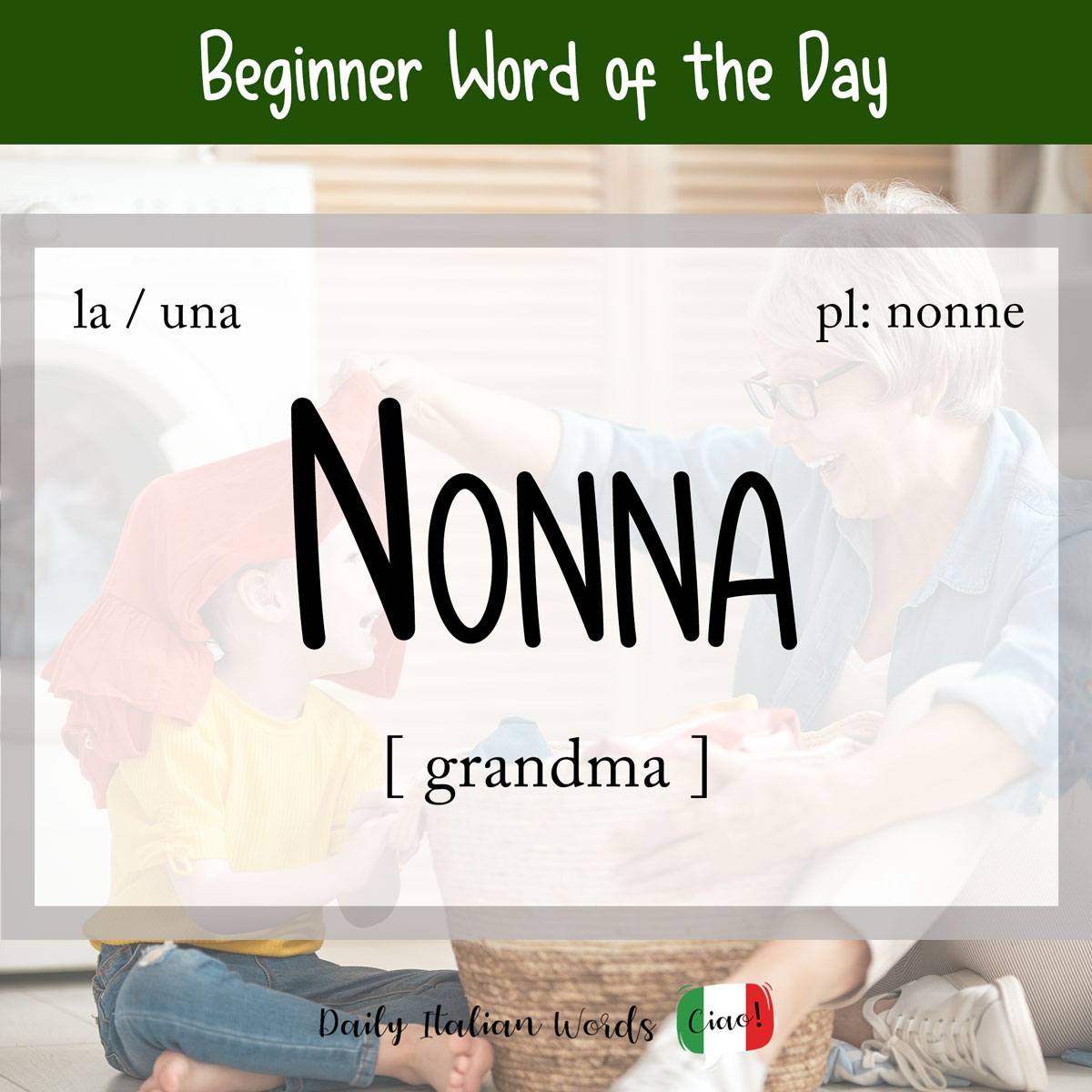
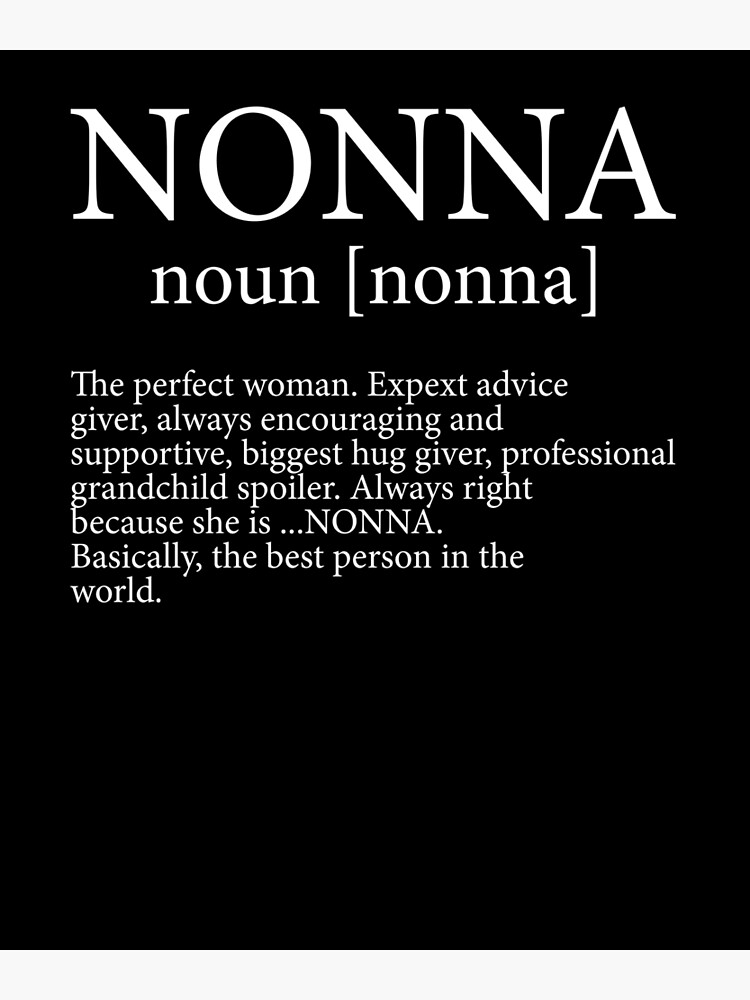
In its literal sense, “Nonna” is the Italian word for grandmother. However, in the world of brand strategy and corporate identity, “Nonna” represents far more than a familial role. It is a potent brand archetype—a blend of the Caregiver and the Sage—that leverages the psychology of nostalgia, the promise of artisanal mastery, and the trust of generational wisdom. To ask “What is Nonna?” is to investigate how brands can cultivate deep emotional resonance in an era of fleeting digital connections.

Defining the “Nonna” Brand Identity: Trust and Provenance
At its core, the Nonna identity is built on the foundation of provenance. In branding, provenance refers to the place of origin or the history of a product’s ownership. When a brand adopts a “Nonna” strategy, it is signaling to the consumer that the product is not the result of a nameless factory or a data-driven algorithm, but rather a legacy passed down through time.
Beyond the Kitchen: The Core Values of Heritage
While the term is frequently associated with the food and beverage industry, the values of Nonna branding transcend sector boundaries. Whether it is a luxury leather goods company in Florence or a boutique skincare line using ancestral botanical recipes, the core values remain the same: patience, tradition, and hand-crafted excellence.
This identity communicates that the brand value does not depreciate over time; rather, it matures. By positioning a brand around the matriarchal figure, companies tap into a universal symbol of unconditional care and high standards. A “Nonna” brand does not cut corners because doing so would be a betrayal of the family name.
Authenticity vs. Aesthetic Nostalgia
It is critical for brand strategists to distinguish between “Nonna” as a superficial aesthetic and “Nonna” as a core identity. Aesthetic nostalgia—using sepia tones and rustic fonts—is common, but true Nonna branding is about radical authenticity. It requires a brand to demonstrate a “backstory” that feels lived-in. This involves transparency regarding sourcing, the celebration of “imperfections” that prove a human hand was involved, and a marketing voice that speaks with the authority of experience rather than the desperation of a sales pitch.
Why “Nonna” Branding Succeeds in a Saturated Market
Consumer behavior has shifted dramatically over the last decade. There is a growing fatigue toward the “Silicon Valley” aesthetic—minimalism, sans-serif fonts, and clinical efficiency. In response, consumers are gravitating toward brands that feel human. This is where the Nonna archetype excels.
Building Emotional Capital through the Psychology of Nostalgia
Nostalgia is one of the most powerful tools in a brand strategist’s arsenal. Research in consumer psychology suggests that nostalgia can act as a “buffer” against modern anxieties, providing a sense of continuity and meaning.
When a brand identifies as a “Nonna,” it triggers a psychological response linked to safety and comfort. It reminds the consumer of a time when things were built to last and when ingredients were recognizable. By positioning a product within the context of a “grandmother’s wisdom,” a brand bypasses the cynical filters of the modern consumer and builds immediate emotional capital.
The Gatekeeper of Quality: The “Nonna” as a Vetting Mechanism
In a marketplace overwhelmed by choice, the consumer is often paralyzed by “decision fatigue.” The Nonna archetype serves as a vetting mechanism. The implicit promise is: “I have already done the work. I have selected the best ingredients and used the most reliable methods so that you don’t have to.”
This creates a shortcut to trust. While a tech-driven brand might try to earn trust through data and metrics, a Nonna brand earns it through the “Seal of Matriarchal Approval.” It suggests that the product is good enough for the family table, which, by extension, makes it good enough for the consumer.
Strategic Implementation: Applying the Nonna Framework
Implementing a Nonna strategy requires a delicate balance. It is not about being “old-fashioned”; it is about being “timeless.” For a brand to successfully adopt this identity, it must weave these elements into its corporate DNA.
Storytelling Through Ancestry and Narrative
The first step in Nonna branding is the development of a narrative arc. If the brand is a heritage brand, this involves excavating the true stories of its founders. If it is a new brand seeking to embody this archetype, it involves creating a “Foundational Myth” rooted in traditional values.
Effective storytelling in this niche avoids corporate jargon. Instead, it focuses on the “why”—why this recipe matters, why this specific wood is used, or why the process cannot be rushed. The narrative should position the consumer as a guest being welcomed into a private, storied world.
Quality Control as a Brand Promise
For a Nonna brand, quality control is not a department; it is a moral obligation. The marketing strategy must highlight the “slow” aspects of production. In a world of “Fast Fashion” and “Fast Food,” the Nonna brand wins by being “Slow Branding.”
This can be manifested through:
- Limited Batch Production: Signifying that quality is prioritized over mass-market saturation.
- Ingredient/Material Transparency: Showing the raw, unpolished origins of the product.
- The “Human Hand” Element: Marketing materials that feature the artisans, the creators, and the “faces” behind the brand.
Case Studies: Brands That Embody the Nonna Archetype
To understand “What is Nonna” in a commercial context, we must look at brands that have successfully scaled while maintaining the intimacy of a kitchen-table business.
Luxury and Legacy: From Dolce & Gabbana to Rao’s
Dolce & Gabbana is a prime example of a global luxury brand that consistently utilizes the Nonna archetype. Their marketing campaigns often feature large Italian families, elderly matriarchs in black lace, and scenes of communal celebration. They are not just selling clothes; they are selling the “Italian Soul” and the enduring power of the matriarchy. This grounds their high-fashion products in a sense of cultural weight.
On the consumer goods side, Rao’s Homemade (the pasta sauce brand) has become a multi-million dollar powerhouse by sticking to a “Nonna” script. Despite being owned by a large conglomerate, the brand identity remains focused on its origins in a legendary New York restaurant. The high price point is justified by the “Nonna Factor”—the idea that the sauce is made in small batches with no added sugar or preservatives, exactly how a grandmother would make it.
Modern Reinterpretation: DTC Brands and the “New Heritage”
We are also seeing a wave of Direct-to-Consumer (DTC) brands adopting “Nonna” strategies for a younger audience. Brands like Great Jones (cookware) or Brightland (olive oil) use vibrant, modern aesthetics but base their brand identity on the “New Nonna”—the idea of returning to the home, hosting friends, and valuing the provenance of household objects. They bridge the gap between traditional heritage and modern lifestyle, proving that the archetype is adaptable.
Avoiding the “Granny Trap”: Staying Relevant While Honoring the Past
The greatest risk in adopting a Nonna brand identity is becoming perceived as obsolete or out-of-touch. This is known as the “Granny Trap.” To avoid this, brand strategists must ensure the brand remains functional for the modern world.
Modernizing the Visual Language
A Nonna brand does not have to look like an antique shop. The most successful modern heritage brands use “New Nostalgia”—a design language that uses classic cues (like serif typography or heavy paper stock) but pairs them with clean layouts and modern digital experiences. The goal is to feel “venerable,” not “dusty.”
Ensuring Scalability Without Losing Soul
As a brand grows, the “Nonna” identity is often the first thing to be compromised in favor of efficiency. To prevent this, companies must institutionalize their values. This means hiring based on a commitment to the craft and ensuring that even as production scales, the “signature” of the brand—that specific detail that makes it feel handmade—remains untouched.
In conclusion, “Nonna” is much more than a term of endearment. It is a sophisticated branding framework that prioritizes human connection over digital coldness. In an increasingly automated world, the brands that can successfully channel the wisdom, warmth, and uncompromising quality of the “Nonna” will be the ones that build the most enduring legacies. By embracing the Nonna Factor, a brand stops being a mere commodity and starts becoming a part of the consumer’s family story.
aViewFromTheCave is a participant in the Amazon Services LLC Associates Program, an affiliate advertising program designed to provide a means for sites to earn advertising fees by advertising and linking to Amazon.com. Amazon, the Amazon logo, AmazonSupply, and the AmazonSupply logo are trademarks of Amazon.com, Inc. or its affiliates. As an Amazon Associate we earn affiliate commissions from qualifying purchases.