
In the high-stakes world of brand strategy and corporate identity, the way a company communicates its value is often more important than the value itself. Words are the architecture of perception. Among the most potent, yet frequently misunderstood, tools in a brand strategist’s toolkit is a linguistic process known as nominalisation.
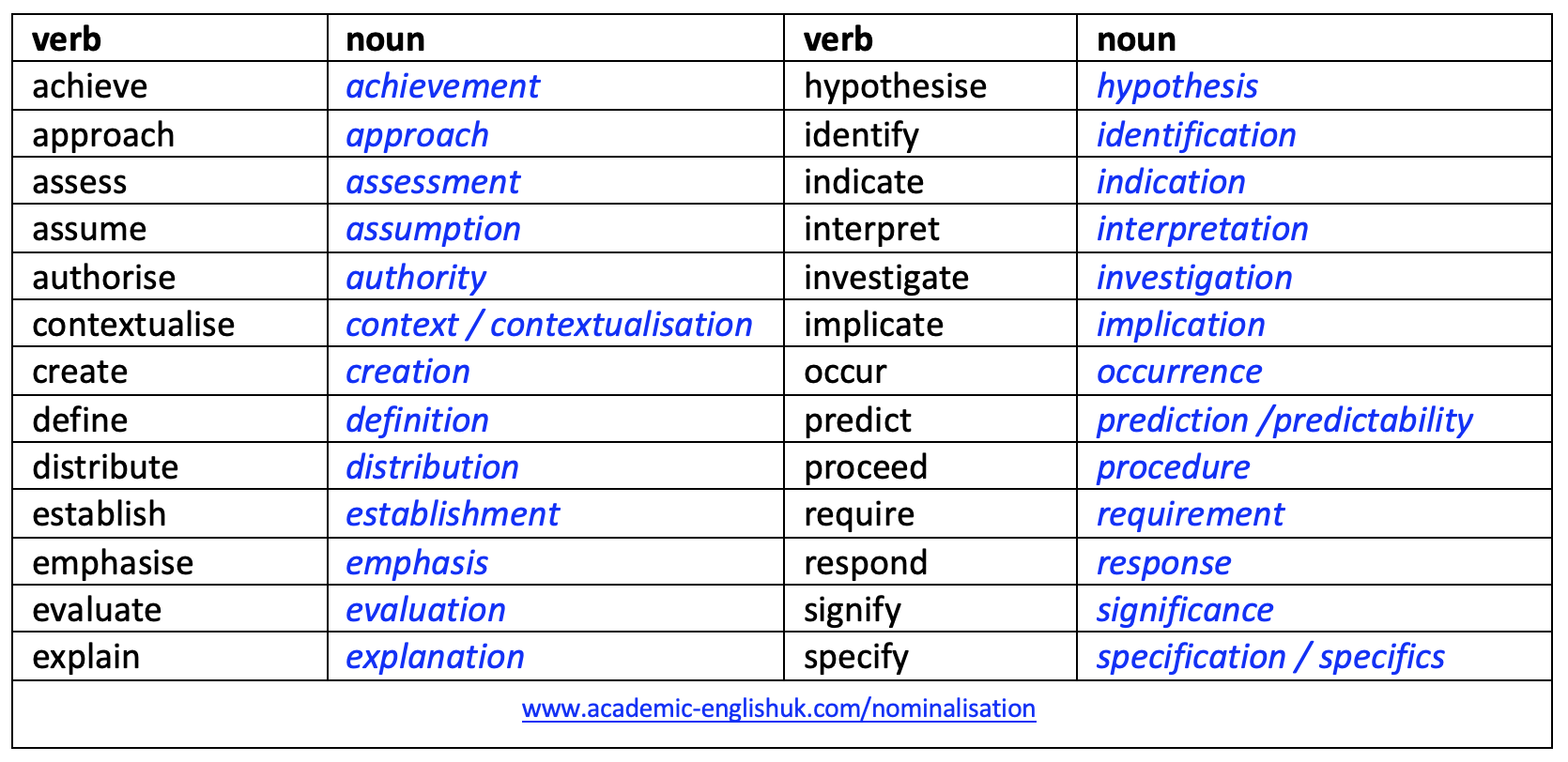
Nominalisation is the grammatical process of transforming verbs (actions) or adjectives (descriptors) into nouns (concepts or things). For example, the verb “to innovate” becomes the nominalised noun “innovation.” The adjective “reliable” becomes the concept of “reliability.” While this might seem like a minor grammatical shift, in the context of branding, it represents a fundamental change in how a brand positions itself in the market. It is the difference between telling a story of action and establishing a legacy of existence.
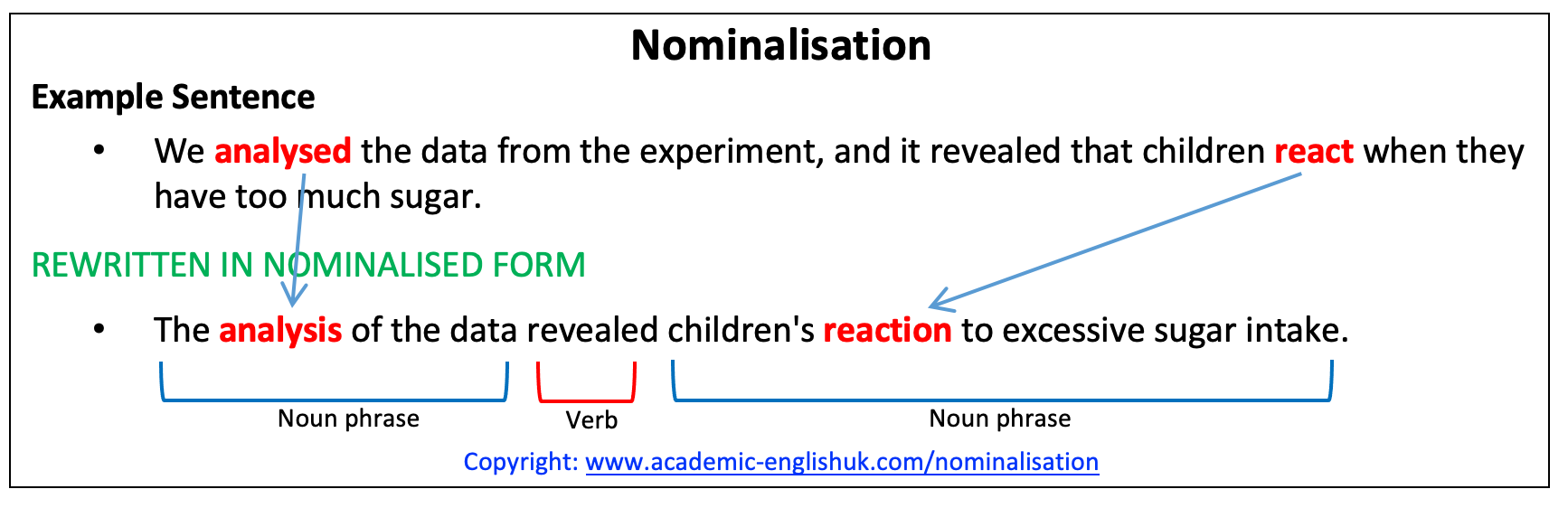
Understanding Nominalisation in a Branding Context
At its core, nominalisation is about “thing-ification.” It takes fluid, time-bound actions and freezes them into solid, permanent concepts. In brand strategy, this allows a company to move beyond what it does and start defining what it is.
The Linguistics of Turning Action into Identity
When a brand uses a verb, it describes a process. “We protect your data” is a functional statement. It requires a subject (we) and an object (your data). It implies an ongoing effort that could, theoretically, stop. However, when that brand shifts to the nominalised form—”Data Protection”—it creates a standalone entity. Protection is no longer just something the company does; it is a pillar of the brand’s identity.
For brand architects, nominalisation is a primary method for creating “abstracted value.” By turning actions into nouns, brands can claim ownership over entire categories of thought. Instead of saying “We help you connect with others,” a telecommunications giant sells “Connectivity.” This abstraction makes the benefit feel more substantial, more professional, and more permanent.
How Nominalisation Differs from Direct Communication
Direct, verb-driven communication is often associated with “Call to Action” (CTA) copy. It is energetic, immediate, and demanding. “Save money today” is a direct appeal to the consumer’s behavior. Conversely, a brand that focuses on “Financial Security” (the nominalisation of “securing your finances”) is playing a long-game brand strategy.
Nominalisation removes the “actor” from the sentence, which can lend an air of objective truth to a brand’s claims. “Our commitment to excellence” sounds like an immutable law of nature, whereas “We try to be excellent” sounds like a subjective, potentially fallible human effort. For corporate identities seeking to project stability and scale, the noun-heavy approach of nominalisation is indispensable.
The Strategic Impact on Brand Voice
The choice to use or avoid nominalisation dictates the “weight” of a brand’s voice. In brand strategy, voice is not just about what is said, but the perceived distance between the brand and the consumer.
Establishing Authority and Stability
High-end luxury brands, prestigious law firms, and global consultancy groups rely heavily on nominalisation to establish a sense of gravitas. When a brand speaks in nouns, it speaks from a position of established authority. Consider the difference between a brand that says “We provide solutions” and one that centers its identity on “The Solution.”
Nominalisation creates a “nominal group” that can act as a conceptual anchor. In corporate white papers and mission statements, nominalisations like “sustainability,” “transparency,” and “globalization” act as shorthand for complex sets of values. This allows the brand to project a sophisticated image that suggests they have mastered the complexities of their industry. They aren’t just performing tasks; they are stewards of “Strategic Implementation.”
Creating Concepts Out of Processes
One of the most powerful applications of nominalisation in branding is the creation of proprietary methodologies. By nominalising a process, a brand can trademark it and turn it into a marketable asset.
A fitness brand might “help people lose weight,” but a strategic brand creates “The Metabolic Transformation System.” By turning the actions (transforming metabolism) into a noun (The System), the brand creates something tangible that a consumer can purchase. This transition from “doing” to “being” is the essence of building brand equity. It moves the brand from the realm of service (which is often commoditized) into the realm of intellectual property and unique value.
When to Use (and Avoid) Nominalisation in Brand Copy
While nominalisation is a powerful tool for building authority, it is a double-edged sword. Used incorrectly, it can lead to what linguist Helen Sword calls “zombie nouns”—words that suck the life out of prose and make a brand sound bureaucratic, cold, and distant.
Crafting High-Level Value Propositions
Nominalisation is most effective at the highest levels of the brand hierarchy. In a brand’s “Vision Statement” or “Core Values,” nouns are king. These documents are meant to be timeless, and nominalisation provides that sense of permanence.
- Action-oriented: “We strive to make every customer happy through fast shipping and honest communication.”
- Nominalised (Strategic): “Our pillars are Customer Satisfaction, Logistic Efficiency, and Radical Transparency.”
The latter feels like a corporate identity that will survive the decades, while the former feels like a small business owner talking to a customer. When the goal is to attract investors, partners, or high-value clients, the nominalised approach signals that the company has a structured, professional framework.
The Pitfalls of “Bureaucratic” Branding
The danger of nominalisation occurs when it is used in UX writing, customer support, or digital interfaces where clarity and speed are paramount. Over-nominalisation can lead to “noun stacks” that confuse the reader. Phrases like “Information asset protection implementation strategy” are difficult to parse because they lack the “pulse” of a verb.
If a brand wants to sound “disruptive,” “youthful,” or “human,” it must limit nominalisation. A startup targeting Gen Z would likely avoid saying “Our mission is the facilitation of peer-to-peer asset exchange.” Instead, they would say “We help you trade stuff with your friends.” The key to modern brand strategy is knowing when to use nominalisation to build “The Brand” and when to use verbs to build “The Relationship.”
Case Studies: Brand Naming and Slogan Architecture
To see nominalisation in action, one only needs to look at the world’s most successful brands. The shift from a verb-led world to a noun-led world is often the catalyst for a brand’s transition from a local player to a global icon.
Transforming Verbs into Legacy Assets
Consider the evolution of Nike. While their famous slogan “Just Do It” is famously verb-driven, their brand strategy is built on nominalised concepts: Performance, Innovation, and Inspiration. Nike doesn’t just sell shoes that help you run; they sell “The Future of Flight” or “Elite Athleticism.”
By nominalising the benefits of their products, Nike moves from selling a tool (a shoe) to selling a state of being (Athleticism). This allows them to expand into apparel, digital apps, and even healthcare, because “Athleticism” is a concept that can be applied to many different products, whereas “running” is just a specific action.
Emotional Resonance vs. Technical Abstraction
In the tech industry, nominalisation is used to make complex software feel like a tangible benefit. Apple is a master of this. They rarely talk about the “process of encrypting your files.” Instead, they market “Privacy.” By turning a complex technical process (encrypting) into a nominalised concept (Privacy), they create an emotional hook.
“Privacy” is a noun that carries weight, legal standing, and personal significance. It feels like a right or a possession. By using nominalisation, Apple transforms a feature into a brand promise. This illustrates the core strategic advantage: nouns are easier to “own” in the mind of the consumer than verbs are.
Practical Application: Auditing Your Brand Identity
Understanding nominalisation allows brand managers to conduct a linguistic audit of their messaging. This audit can reveal whether a brand sounds too flighty and uncoordinated (too many verbs) or too stiff and robotic (too many nominalisations).
A Step-by-Step Guide to Refining Messaging
- Identify the “Action-to-Concept” Ratio: Review your website’s homepage. Count the number of active verbs versus the number of abstract nouns (ending in -ion, -ity, -ment, -ance). If you are a B2B enterprise and your ratio favors verbs, you may be lacking perceived authority. If you are a D2C lifestyle brand and your ratio favors nouns, you may be appearing unapproachable.
- Evaluate Your “Brand Pillars”: Are your core values verbs or nouns? “Innovate, Collaborate, Succeed” (Verbs) feels like a pep talk. “Innovation, Collaboration, Success” (Nouns) feels like a constitution. Choose the one that aligns with your strategic goals.
- Check for Readability: If you find phrases like “The optimization of user engagement via the utilization of data-driven insights,” convert them back into actions: “We use data to help you engage with your users.” This “de-nominalisation” is often necessary for modern, digital-first brand voices.
In conclusion, nominalisation is more than a grammatical curiosity; it is a fundamental pillar of brand strategy. By understanding how to turn actions into concepts, brands can craft identities that feel permanent, authoritative, and valuable. Whether it’s creating a proprietary “System” or claiming ownership of a concept like “Security” or “Joy,” the strategic use of the noun is what separates fleeting businesses from enduring brands. The goal is not to eliminate nominalisation, but to use it as a conscious choice—building a brand that isn’t just “doing” things, but is a “thing” in its own right.
aViewFromTheCave is a participant in the Amazon Services LLC Associates Program, an affiliate advertising program designed to provide a means for sites to earn advertising fees by advertising and linking to Amazon.com. Amazon, the Amazon logo, AmazonSupply, and the AmazonSupply logo are trademarks of Amazon.com, Inc. or its affiliates. As an Amazon Associate we earn affiliate commissions from qualifying purchases.