
The phrase “no tax on tips” often sparks curiosity, conjuring an appealing vision for millions of service industry workers. For many, a significant portion of their income is derived from gratuities, and the idea of keeping 100% of those earnings without a tax deduction is undoubtedly attractive. However, in the vast majority of developed economies, including the United States, tips are considered taxable income, subject to federal, state, and often local income taxes, as well as Social Security and Medicare taxes (FICA). Understanding the reality of tip taxation, and the discussions around potential exemptions, is crucial for financial planning and policy awareness.

The Reality of Tip Taxation: A Common Misconception
The fundamental premise that tips are tax-free is, in most practical scenarios, a misconception. From the perspective of tax authorities, a tip is a form of compensation for services rendered, and like wages, it contributes to an individual’s gross income. This principle applies regardless of whether the tip is received in cash, through a credit card transaction, or as part of a tip-pooling arrangement.
Tips Are Income: Understanding the Basics
The Internal Revenue Service (IRS) in the U.S. defines tips as discretionary payments that customers make to service providers. These are distinct from service charges, which are mandatory additions to a bill. Once received, tips become part of a worker’s taxable income. This means they contribute to the overall amount of income an individual reports for the tax year, influencing their tax bracket and ultimate tax liability. The “no tax” idea stems from a desire for greater net income, but legally, tips are treated much like any other earnings.
Federal, State, and FICA Obligations
For U.S. workers, tips are subject to several layers of taxation:
- Federal Income Tax: This is levied on all earned income, and tips are no exception. The amount withheld or owed depends on the worker’s total income, filing status, and deductions.
- State Income Tax: Most states also impose an income tax, and tips generally fall under these state tax requirements. A few states, however, do not have a state income tax.
- FICA Taxes (Social Security and Medicare): These federal taxes fund Social Security and Medicare programs. Both employees and employers contribute to FICA. Tips are subject to the employee’s share of FICA taxes, just like regular wages. Employers also have a matching share of FICA on reported tips.
The cumulative effect of these taxes can significantly reduce the take-home amount from tips, making the dream of “no tax on tips” particularly resonant for those heavily reliant on them.
Different Forms of Tips, Same Taxable Status
Whether a tip is handed directly to a server in cash, added to a credit card bill, or distributed through a restaurant’s tip pool, its taxable status remains consistent.
- Cash Tips: These are perhaps the easiest to overlook for reporting purposes, but legally, they must be reported to the employer (if they total $20 or more in a month) and to the IRS.
- Non-Cash Tips: Tips received via credit or debit card, or included in digital payment apps, are typically easier for employers to track and report.
- Tip Pooling/Sharing: When tips are pooled among employees, each employee is responsible for reporting their share of the distributed tips as income. The individual recipient of the tip is ultimately responsible for ensuring it is reported, even if the initial collection was by a colleague or employer.
The method of receipt does not alter the fundamental principle: if it’s a tip, it’s generally taxable.
Exploring the “No Tax” Idea: Proposals and Perspectives
While tips are generally taxable, the concept of “no tax on tips” isn’t entirely without discussion. It periodically emerges in policy debates, often driven by a desire to support low-wage workers or to stimulate specific industries. These discussions are less about current law and more about potential future policy changes.
Historical Context and Economic Arguments for Exemptions
The idea of making tips tax-free often stems from several arguments. Historically, tips were sometimes seen as voluntary gifts rather than structured income. In modern contexts, arguments often highlight the precarious nature of service industry work, where income can fluctuate wildly based on customer traffic and generosity. Proponents argue that exempting tips from taxation could:
- Increase Net Income for Workers: This would put more money directly into the pockets of often lower-wage workers, potentially improving their financial stability without requiring employers to raise base wages.
- Simplify Tax Compliance: For workers, particularly those juggling multiple jobs or irregular schedules, tracking and reporting cash tips can be complex. A tax exemption could simplify this aspect.
- Stimulate Local Economies: With more disposable income, workers might increase spending in their local communities, providing an economic boost.
Potential Benefits for Workers and Industries
For the service industry, which often operates on thin margins, a “no tax on tips” policy could offer significant relief. Workers would see an immediate increase in their effective hourly wage, making jobs in hospitality more attractive. This could help address labor shortages in sectors heavily reliant on tipped employees. Businesses might also benefit indirectly from a more stable and motivated workforce, potentially reducing turnover and improving service quality without directly incurring higher labor costs. From a worker’s perspective, the increased take-home pay could be life-changing, allowing for better budgeting, saving, or investing.
Challenges and Criticisms of Tax-Free Tips
Despite the attractive nature of the proposal, making tips tax-free presents significant challenges and criticisms:
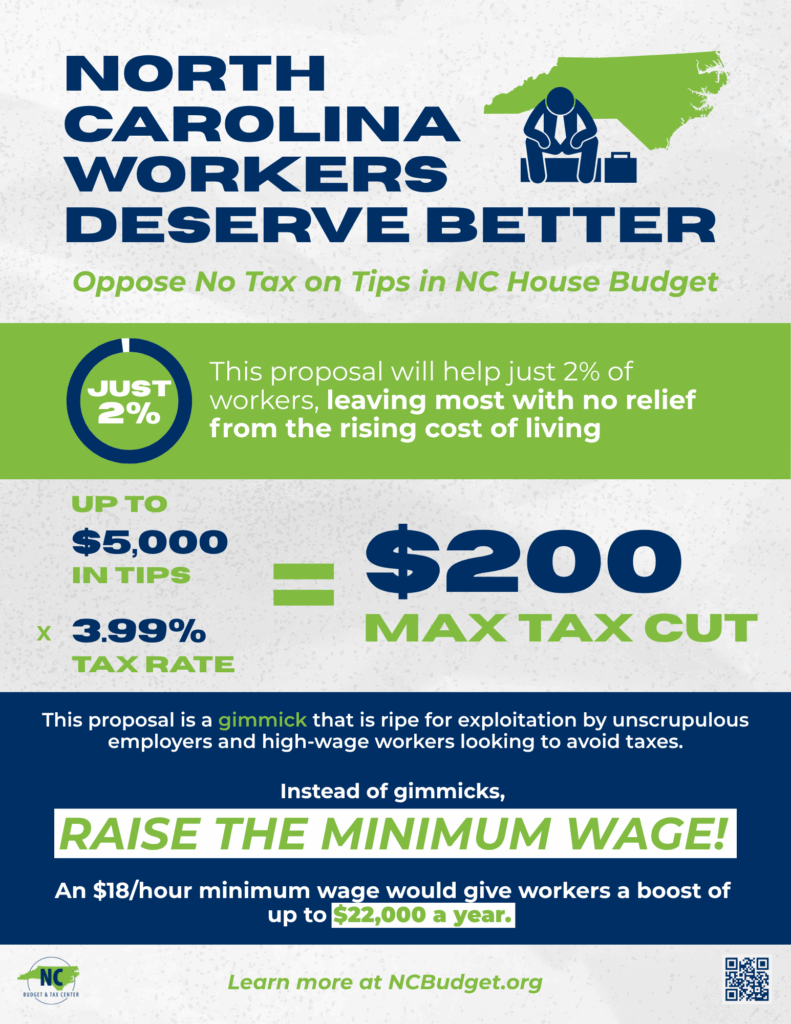
- Loss of Government Revenue: Taxes on tips contribute billions to federal and state coffers. Eliminating this revenue stream would require cuts to public services or increased taxes elsewhere.
- Fairness and Equity Concerns: Critics argue it could create an unfair advantage for tipped workers compared to non-tipped workers earning similar incomes. Why should a server’s $50,000 income be treated differently from a retail worker’s $50,000 income?
- Impact on Social Security and Medicare Funding: FICA taxes on tips contribute to the solvency of Social Security and Medicare. Exempting tips would reduce these contributions, potentially jeopardizing the long-term health of these critical programs.
- Complexity of Implementation: Distinguishing between what constitutes a “tip” versus a mandatory service charge, or how to handle situations where tips are pooled, could create new administrative burdens and opportunities for abuse.
- Potential for Abuse: A tax-free status might incentivize underreporting of other income or make it harder to verify income for loans or other financial services.
These complexities mean that while the “no tax on tips” idea is appealing on the surface, its practical implementation faces substantial hurdles and would necessitate careful consideration of its broader economic and social impacts.
Financial Planning for Tip Earners: Navigating Taxable Income
Since tips are indeed taxable, effective financial planning is paramount for individuals who rely on them. Proactive strategies can help manage tax obligations, avoid surprises, and ensure long-term financial stability.
Estimating and Setting Aside for Taxes
One of the biggest challenges for tip earners is the irregular nature of their income. Unlike salaried employees who have taxes automatically withheld, cash tips are received gross. It’s crucial for tip earners to estimate their weekly or monthly tax liability and set aside a portion of their tips specifically for taxes. Many financial experts recommend setting aside 15-30% of gross tips, depending on the individual’s overall income, filing status, and state tax rates. Utilizing a separate savings account for tax money can help prevent accidental spending.
Record-Keeping: Your Best Defense
Accurate and consistent record-keeping is the cornerstone of responsible tax management for tip earners.
- Daily Tip Log: Maintain a daily log of all tips received, including cash and non-cash tips. Many apps and simple notebooks can facilitate this.
- Employer Reports: Compare your personal records with the amounts your employer reports to you (e.g., on your W-2 at year-end).
- Mileage and Expenses: Keep records of any job-related expenses that might be deductible (though changes in tax law have limited many employee deductions).
Good records not only ensure accurate reporting but also provide essential documentation if your tax return is ever questioned by authorities.
Leveraging Deductions and Credits
While direct tax exemptions for tips are rare, tip earners can still reduce their overall tax burden by taking advantage of eligible deductions and tax credits.
- Standard Deduction vs. Itemized Deductions: Choose the option that provides the greater tax benefit.
- Tax Credits: Explore credits such as the Earned Income Tax Credit (EITC), Child Tax Credit, or education credits, for which you might qualify based on your income and family situation.
- Retirement Contributions: Contributing to a traditional IRA or 401(k) (if offered by an employer) can reduce taxable income.
Consulting with a tax professional experienced in service industry income can help identify all potential tax-saving opportunities.
The Impact on Budgeting and Future Financial Goals
The fluctuating nature of tip income necessitates careful budgeting. Without consistent earnings, managing expenses, saving for emergencies, and planning for larger financial goals like homeownership or retirement can be challenging.
- Build an Emergency Fund: Aim for 3-6 months of living expenses in a liquid savings account to buffer against slow periods.
- Financial Goals: Set realistic short-term and long-term financial goals and create a plan to contribute regularly, even if the amounts vary.
- Debt Management: Prioritize paying down high-interest debt, as irregular income can make managing debt particularly difficult.
Understanding that tips are taxable income, and proactively planning for it, empowers tip earners to take control of their financial future.
Employer Responsibilities and Compliance
Employers also play a critical role in the accurate reporting and taxation of tips. Their compliance ensures that workers’ tax obligations are properly handled and that the tax system functions as intended.
Reporting Requirements and Withholding
Employers have specific responsibilities regarding tips:
- Employee Reporting: Employees must report all cash tips amounting to $20 or more in a calendar month to their employer by the 10th day of the next month.
- Employer Reporting: Employers must report all received tips (both those reported by employees and non-cash tips processed through the business) on Form 8027, Employer’s Annual Information Return of Tip Income and Allocated Tips.
- Withholding: Employers are responsible for withholding federal income tax, state income tax (if applicable), and the employee’s share of FICA taxes from an employee’s regular wages to cover their tip income. If an employee’s regular wages aren’t enough to cover the FICA tax on reported tips, the employer should collect the shortfall from the employee.
- Allocated Tips: If the total tips reported by employees are less than 8% of the establishment’s gross receipts, the employer might have to “allocate” additional tips to employees to meet this threshold, a process that can complicate individual tax situations.
The Importance of Accurate Reporting for Both Parties
Accurate reporting benefits both employers and employees. For employers, compliance avoids penalties from tax authorities and fosters a transparent work environment. For employees, accurate reporting of tips:
- Ensures Proper Tax Payments: Prevents underpayment penalties and interest charges.
- Contributes to Social Security and Medicare Benefits: Reported tips count towards an individual’s earnings record, which determines eligibility and benefit amounts for retirement, disability, and survivor benefits.
- Verifies Income for Financial Purposes: Lenders, landlords, and other financial institutions rely on reported income to assess creditworthiness and ability to pay. Underreporting tips can make it difficult to qualify for loans, mortgages, or even rent apartments.
Ultimately, the integrity of the tax system relies on both parties fulfilling their reporting obligations.
The Broader Economic Debate: Fair Taxation vs. Worker Support
The discussion around tip taxation is a microcosm of a larger economic debate concerning fair taxation, worker support, and industry specific challenges. Striking a balance between government revenue needs and the financial well-being of a significant segment of the workforce is a continuous policy challenge.
The Role of Tips in the Service Economy
Tips are an integral part of the compensation structure in many service industries, particularly hospitality. They serve as an incentive for excellent service and often form the bulk of a worker’s take-home pay, particularly in roles with lower minimum wages for tipped employees. The system is designed to allow customers to reward performance directly, but this creates a unique income stream that differs from traditional hourly wages or salaries. The debate around “no tax on tips” highlights the complexities of integrating this unique income source into a conventional tax framework.

Policy Implications and Future Outlook
While current law firmly establishes tips as taxable income, the conversation around alternatives persists. Proposals range from full tax exemptions to partial credits or modified reporting requirements. Any significant policy change would require careful analysis of its fiscal impact, its effects on different income groups, and its administrative feasibility. As economies evolve and the nature of work shifts, discussions around how to fairly and efficiently tax various forms of income, including tips, are likely to continue, balancing the need for government revenue with the desire to support essential workers. For now, understanding and complying with existing tax laws remains the most prudent financial strategy for tip earners.
aViewFromTheCave is a participant in the Amazon Services LLC Associates Program, an affiliate advertising program designed to provide a means for sites to earn advertising fees by advertising and linking to Amazon.com. Amazon, the Amazon logo, AmazonSupply, and the AmazonSupply logo are trademarks of Amazon.com, Inc. or its affiliates. As an Amazon Associate we earn affiliate commissions from qualifying purchases.