
In the saturated world of personal care and beauty, few companies have managed to maintain a laser-focused identity as effectively as Nioxin. To ask “what is Nioxin” is to explore a masterclass in brand strategy—one that transitioned a niche product for thinning hair into a global powerhouse within the professional hair care industry. While many brands attempt to be everything to everyone, Nioxin’s success is rooted in its commitment to a singular problem-solving identity: scalp health as the foundation for thicker, fuller-looking hair.
This article examines Nioxin through the lens of brand strategy, corporate evolution, and market positioning, illustrating how a specialized focus can build a multi-million dollar legacy.
1. The Genesis of a Niche Brand: Finding the “White Space”
Every iconic brand begins by identifying a “white space”—a gap in the market where consumer needs are unmet. For Nioxin, this began in 1987 with its founder, Eva Graham. Following the hair loss she experienced after childbirth, Graham realized that the beauty industry was focused almost entirely on the hair fiber itself, ignoring the health of the scalp from which that fiber grew.
The Visionary Foundation
Graham’s brand strategy was revolutionary for its time. She applied the principles of skincare to the scalp. This wasn’t just a marketing gimmick; it was the foundation of the brand’s identity. By positioning the scalp as an extension of the facial skin, Nioxin created a new category: “Skincare for Hair.” This allowed the brand to differentiate itself from generic volumizing shampoos that relied on temporary coating agents, focusing instead on long-term scalp vitality.
Scientific Authority as a Brand Pillar
From its inception, Nioxin avoided the “fluff” associated with fashion-focused hair brands. Instead, it leaned into scientific authority. The brand’s identity was built on the concept of “Bionativ” technology and a deep understanding of histology. By prioritizing research and development, the brand established a level of trust with consumers who were dealing with a deeply emotional and personal issue: hair thinning. This scientific backing transformed Nioxin from a mere cosmetic choice into a credible, solution-oriented brand.
2. Strategic Market Positioning: The Power of “System” Branding
One of the most effective components of Nioxin’s brand strategy is its departure from the “single-product” purchase model. Nioxin does not just sell a shampoo; it sells a “System.” This approach is a cornerstone of its corporate identity and a driver of its significant market share.
The Three-Step Philosophy
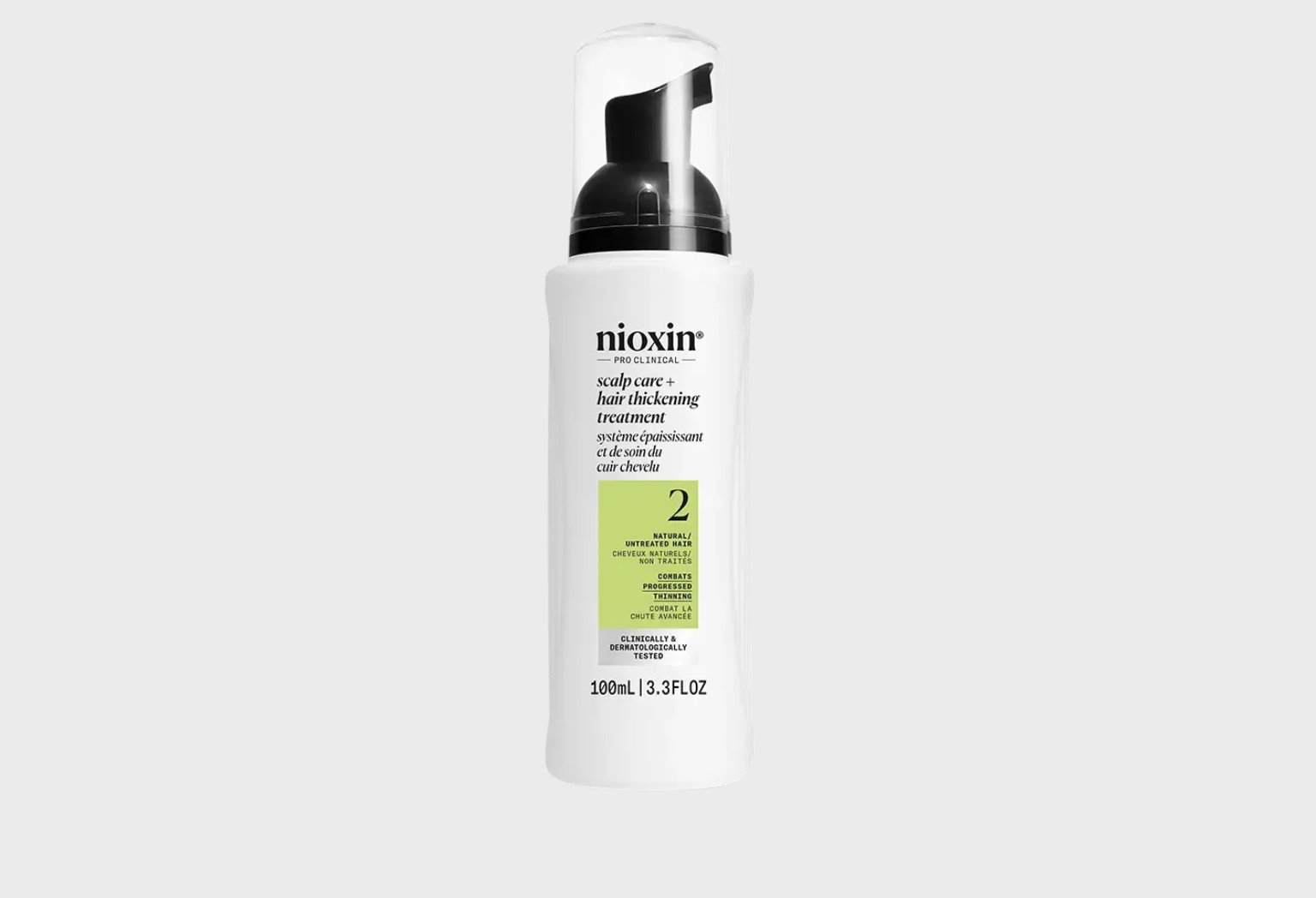
Nioxin’s primary product line is divided into numbered “Systems” (1 through 6), each tailored to specific hair types and levels of thinning. This categorization serves two strategic purposes. First, it simplifies the consumer journey by providing a clear roadmap for selection. Second, it encourages “basket growth” by convincing the consumer that the Cleanser, Scalp Therapy, and Treatment must be used in unison to achieve results. This “system-based” branding ensures customer retention and higher average order values.
The Professional Endorsement Model
Nioxin’s distribution strategy was historically rooted in the professional salon environment. Rather than launching immediately into mass-market retail, the brand focused on educating stylists. By turning hair professionals into brand ambassadors, Nioxin leveraged the “Expert-to-Consumer” model. When a stylist recommends a product for a sensitive issue like thinning hair, the conversion rate and brand loyalty are exponentially higher than those driven by traditional television advertising. This professional-only origin gave the brand an aura of exclusivity and efficacy that continues to benefit its reputation today.
3. Brand Evolution through Corporate Acquisitions
Nioxin’s journey from a family-owned business to a global entity is a fascinating case study in corporate identity and M&A (Mergers and Acquisitions). The brand has passed through the hands of several major conglomerates, each adding a layer to its global reach.

The Procter & Gamble Era
In 2008, the consumer goods giant Procter & Gamble (P&G) acquired Nioxin. At the time, P&G recognized that Nioxin held a unique “prestige” position that their mass-market brands, like Head & Shoulders or Pantene, did not possess. P&G’s strategy was to scale Nioxin’s distribution globally while maintaining its professional-grade image. This period saw Nioxin expand into dozens of international markets, utilizing P&G’s massive logistics network to solidify its place as the #1 recommended brand for thinning hair worldwide.
Transition to Coty and the Wella Company
In 2016, Nioxin was part of a multi-billion dollar divestiture from P&G to Coty Inc., and eventually, it became a cornerstone brand under the Wella Company umbrella (following Wella’s spin-off). Under Wella, Nioxin has returned to its roots as a professional-first brand. The corporate strategy shifted from mass-market saturation back toward salon-focused innovation. This move was crucial for protecting the brand’s “premium” status in an era where consumers are increasingly wary of “salon-quality” claims made by supermarket brands.
4. Emotional Branding and the Customer Journey
Nioxin’s brand strategy succeeds because it addresses the psychology of its target audience. Hair thinning is not just a physical change; for many, it is an identity crisis. Nioxin’s marketing communication reflects a deep understanding of this emotional pain point.
Solving the “Confidence Gap”
Nioxin’s messaging has shifted over the decades from “stopping hair loss” (a medical claim that is difficult to navigate legally) to “delivering thicker, fuller hair” and “restoring confidence.” This is a subtle but powerful shift in brand tone. By focusing on the positive outcome (confidence and thickness) rather than the negative problem (loss and thinning), the brand positions itself as an empowering partner in the consumer’s daily routine.
Digital Transformation and Personalization
In the modern era, Nioxin has successfully transitioned its brand identity into the digital space. One of their key digital tools is the “Online Consultation” or “Hair Quiz.” This interactive element mimics the professional salon experience. By asking users about their hair texture, chemical history, and thinning patterns, the brand provides a personalized recommendation. In terms of brand strategy, this creates a sense of “bespoke” service, increasing the likelihood of a purchase and reducing the friction of choice in an overwhelming digital marketplace.
5. Future Outlook: Sustaining Brand Equity in a Competitive Market
As the “skification of hair” becomes a mainstream trend—with brands like The Ordinary and Drunk Elephant entering the scalp-care space—Nioxin faces new challenges. However, its long-standing brand equity provides a significant “moat” against competitors.
Maintaining Heritage while Innovating
The challenge for any legacy brand is to stay relevant without alienating its core base. Nioxin has achieved this by expanding its product portfolio into styling products and intensive treatments (like the Night Density Rescue) while keeping its core “Systems” unchanged. This ensures that long-term users remain loyal while new, younger consumers—who are increasingly interested in preventative scalp care—are drawn in by modern, clinically-backed innovations.
Sustainability and Social Responsibility
Modern brand identity is increasingly tied to ESG (Environmental, Social, and Governance) values. As part of the Wella Company, Nioxin has begun to integrate more sustainable practices into its packaging and sourcing. For a brand built on the concept of “health” (scalp health), extending that definition to “environmental health” is a logical and necessary progression of its corporate identity.

Conclusion: The Legacy of a Specialized Identity
In conclusion, Nioxin is much more than a collection of shampoos and treatments; it is a meticulously crafted brand that has defined a category for over three decades. Its success serves as a blueprint for brand managers and entrepreneurs: by identifying a specific consumer struggle, applying a unique scientific philosophy (skincare for the scalp), and maintaining a consistent professional identity through various corporate transitions, Nioxin has secured its place as a market leader.
The brand’s ability to balance emotional resonance with clinical authority ensures that it remains the “gold standard” in a crowded field. As it continues to evolve under the Wella Company, Nioxin stands as a testament to the power of a clear, unwavering brand strategy in building a lasting corporate legacy. Whether through its strategic “system” packaging or its professional-first distribution model, Nioxin remains the definitive answer to the question of how to build a brand that truly “roots” itself in the consumer’s life.
aViewFromTheCave is a participant in the Amazon Services LLC Associates Program, an affiliate advertising program designed to provide a means for sites to earn advertising fees by advertising and linking to Amazon.com. Amazon, the Amazon logo, AmazonSupply, and the AmazonSupply logo are trademarks of Amazon.com, Inc. or its affiliates. As an Amazon Associate we earn affiliate commissions from qualifying purchases.