
In an increasingly digital world, the concept of ownership has undergone a profound transformation. While physical assets have always had clear mechanisms for proving ownership, the digital realm has historically struggled with true scarcity and verifiable provenance. This challenge has been largely addressed by a groundbreaking technological innovation: Non-Fungible Tokens, or NFTs. More than just a fleeting trend, NFTs represent a fundamental shift in how digital assets are created, owned, and exchanged, leveraging the power of blockchain technology to introduce unparalleled levels of uniqueness and security to the internet.
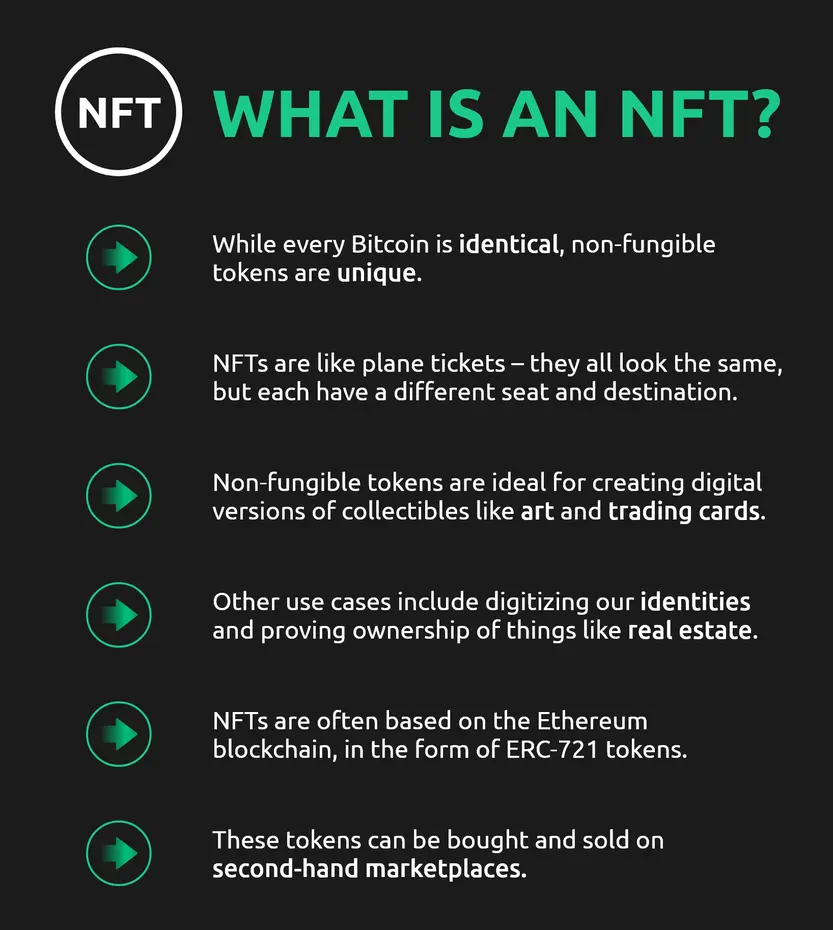
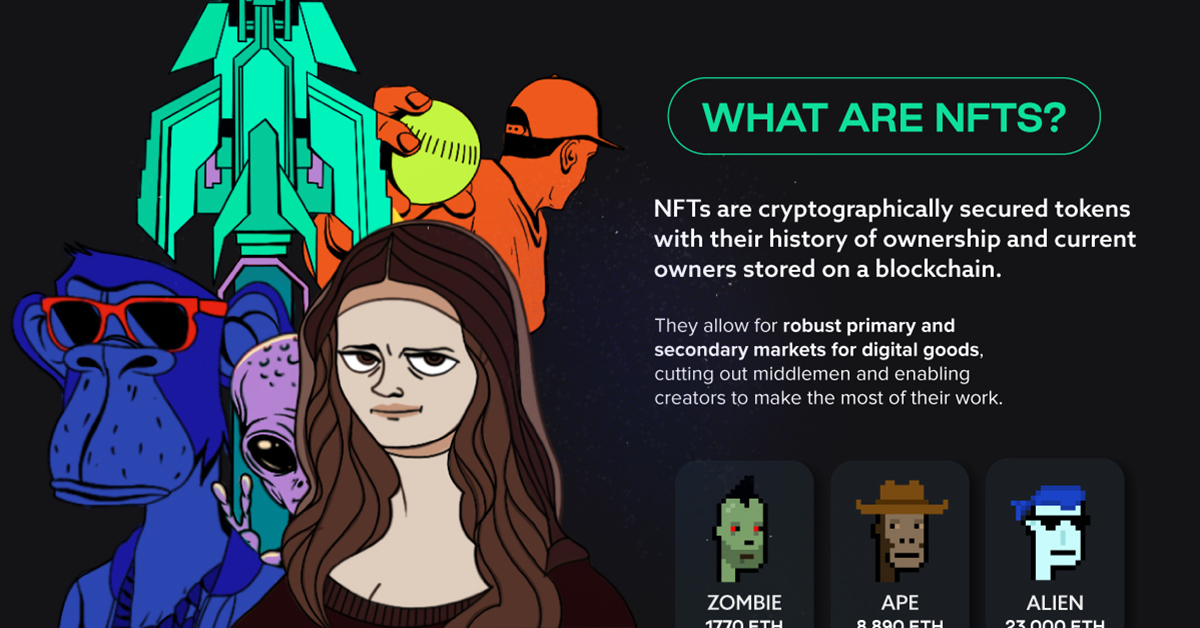
At its core, an NFT is a unique cryptographic token that exists on a blockchain and cannot be replicated. Unlike cryptocurrencies like Bitcoin or Ethereum, which are fungible (meaning each unit is identical and interchangeable), an NFT is one-of-a-kind. It serves as a verifiable proof of authenticity and ownership for a specific digital or physical asset. While initially gaining widespread attention for their application in digital art and collectibles, the underlying technology of NFTs has far-reaching implications across various sectors, promising to redefine our relationship with digital content, identity, and value. This article will delve into the technological underpinnings of NFTs, exploring how they work, their diverse applications, and the challenges and future prospects of this burgeoning digital frontier, strictly through a technological lens.
The Core Technology: Blockchain and Digital Scarcity
The existence and functionality of NFTs are inextricably linked to blockchain technology. Without a distributed, immutable ledger, the unique characteristics that define NFTs simply wouldn’t be possible. Understanding this foundational layer is crucial to grasping the essence of what NFTs truly represent.
Understanding Fungibility vs. Non-Fungibility
To appreciate the innovation of NFTs, it’s essential to differentiate between fungible and non-fungible assets. A fungible asset is something that can be readily interchanged with another asset of the same type and value. Think of a dollar bill: any one-dollar bill is essentially identical to another and holds the same value. You can swap one dollar for another, and nothing of intrinsic value is lost or gained. Similarly, one Bitcoin is interchangeable with any other Bitcoin.
A non-fungible asset, conversely, is unique and cannot be directly replaced by another identical item. A specific painting, a signed baseball card, or a unique piece of real estate are all non-fungible. While you might own another painting or another baseball card, they are not identical to the specific one you possess. NFTs bring this concept of unique, non-interchangeable value to the digital domain. An NFT represents a distinct digital item, making it impossible to swap it for another NFT and retain the exact same properties or history. This digital scarcity is the cornerstone of their value proposition.
Blockchain as the Foundation
The magic behind NFTs lies in their implementation on a blockchain, most notably Ethereum, although other blockchains like Solana, Flow, and Polygon also support NFTs. A blockchain is a decentralized, distributed ledger that records transactions across a network of computers. Each “block” in the chain contains a timestamped list of transactions, and once a block is added, it becomes extremely difficult to alter, ensuring data integrity and immutability.
For NFTs, the blockchain acts as the public record of ownership and authenticity. When an NFT is “minted,” a unique token is created on the blockchain. This token contains metadata (information about the asset it represents, such as a link to an image file or a video) and a unique identifier. Crucially, the blockchain records who owns this token and tracks its transfer history from one owner to another. This entire process is facilitated by smart contracts, self-executing contracts with the terms of the agreement directly written into lines of code. These contracts define the rules for creating, transferring, and managing NFTs, automating processes like royalty payments to original creators on secondary sales, ensuring that the terms are upheld without intermediaries. The decentralization of the blockchain means there’s no single point of failure or central authority that can unilaterally modify ownership records or create fake NFTs, providing an unprecedented level of trust and transparency.
The Role of Cryptography and Hashing
At a deeper technical level, NFTs leverage fundamental cryptographic principles. Each transaction on a blockchain, including the minting and transfer of an NFT, is secured using cryptography. This involves complex mathematical algorithms that encrypt and decrypt data, ensuring that only authorized parties can access or modify information.
Specifically, hashing plays a vital role. A cryptographic hash function takes an input (e.g., the NFT’s metadata and the associated digital file) and produces a fixed-size string of characters, known as a hash value or digest. Even a tiny change to the input will result in a completely different hash value. When an NFT is minted, a hash of its associated digital asset and metadata is often embedded within the token on the blockchain. This creates a secure, tamper-proof link between the unique token and the content it represents. Anyone can verify the integrity of the asset by re-calculating its hash and comparing it to the one stored on the blockchain. This cryptographic link reinforces the uniqueness and authenticity of each NFT, providing a robust mechanism against counterfeiting and unauthorized duplication of the digital representation itself.
How NFTs Work: Minting, Ownership, and Transactions
Having established the foundational technology, it’s important to understand the practical mechanics of how NFTs are brought into existence, how ownership is verified, and how they are bought and sold in the digital marketplace.
The Minting Process
“Minting” an NFT is the process of converting a digital file into a unique cryptographic asset on the blockchain. This is essentially the act of publishing a unique token on a blockchain that represents the digital item. The artist or creator typically uses a platform that supports NFT creation (an NFT marketplace or a dedicated minting service). During this process, the creator uploads their digital file (e.g., an image, video, audio, or 3D model) and provides metadata about it, such as its name, description, and any unique properties.
The minting software then interacts with the chosen blockchain’s smart contract. This smart contract takes the provided information, generates a unique token ID, and records this ID along with the metadata (often including a link to the digital file stored on decentralized storage like IPFS or Arweave, or directly on the blockchain for smaller files) into a new block. This transaction is then broadcasted across the network, validated by miners/validators, and added to the blockchain. Once confirmed, the NFT is officially “minted” and exists as a unique, traceable asset on the blockchain, ready to be owned and traded. The creator typically incurs a “gas fee” (a transaction fee paid to the blockchain network) for this operation.
Proving Digital Ownership
One of the most revolutionary aspects of NFTs is their ability to establish clear, verifiable digital ownership. When someone “owns” an NFT, they don’t necessarily own the copyright to the underlying digital asset (like an image or song). Instead, they own the unique token on the blockchain that points to that asset. The token itself is stored in their cryptocurrency wallet, which functions as a secure digital container for their blockchain assets.
The public ledger of the blockchain serves as an undeniable record of ownership. Every transaction, from the initial minting to subsequent sales, is recorded permanently and transparently. Anyone can inspect the blockchain to see who currently holds a specific NFT and trace its complete history. This immutability and transparency eliminate the need for third-party intermediaries (like art registries or centralized databases) to verify authenticity or ownership. This is a crucial distinction: while anyone can right-click and save an image associated with an NFT, only one person can truly “own” the authentic token linked to that image on the blockchain, making it a unique collectible or verifiable asset, much like owning an original signed print versus a generic copy.
NFT Marketplaces and Wallets
The ecosystem for buying, selling, and managing NFTs relies on specialized technological infrastructure. NFT marketplaces are online platforms (e.g., OpenSea, Rarible, Foundation) that serve as interfaces for users to browse, list, bid on, and purchase NFTs. These platforms connect to the underlying blockchain and leverage smart contracts to facilitate transactions. When a user buys an NFT on a marketplace, the platform initiates a transaction on the blockchain, transferring the NFT from the seller’s wallet to the buyer’s wallet, with the terms (price, royalties) encoded in the smart contract.
To interact with these marketplaces and store their NFTs, users need a digital wallet compatible with the blockchain on which the NFTs reside (e.g., MetaMask for Ethereum-based NFTs, Phantom for Solana). These wallets are software applications or hardware devices that securely store the cryptographic keys (public and private keys) that control access to a user’s blockchain assets. The private key proves ownership of the NFTs in that wallet, allowing the holder to authorize transactions, such as selling an NFT or transferring it to another wallet. This secure digital infrastructure is vital for the widespread adoption and safe handling of non-fungible digital assets.
Beyond Art: Diverse Applications of NFT Technology
While digital art captured initial headlines, the true power of NFT technology lies in its versatility and potential for applications far beyond aesthetic collectibles. The ability to uniquely identify, track, and prove ownership of any digital or physical item opens up a vast array of possibilities.
Digital Collectibles and Gaming
The most prominent early use case for NFTs was in digital collectibles and gaming. Projects like CryptoKitties demonstrated early on how NFTs could represent unique in-game assets, allowing players to truly own their digital cats, breed them, and trade them. This paradigm shifted the gaming experience from players merely “renting” in-game items from developers to truly owning them as verifiable digital property. Today, games built on “play-to-earn” (P2E) models leverage NFTs for everything from unique character skins and weapons to virtual land within metaverses. These NFTs can be bought, sold, and even used across different games or platforms, enabling a genuine digital economy where players have a financial stake in their in-game achievements and assets. This fundamentally changes the relationship between players and game developers, empowering players with digital property rights.
Identity and Digital Credentials
NFTs hold significant promise for revolutionizing digital identity and credentials. Imagine a future where your academic degrees, professional certifications, medical records, or even your government-issued ID are represented as unique, tamper-proof NFTs in your digital wallet. These NFT-based credentials could be instantly verifiable on the blockchain by any authorized party, eliminating the need for cumbersome paperwork, centralized databases prone to hacks, or time-consuming verification processes. For instance, a university could issue an NFT degree, which the graduate then owns and can present to potential employers for instant, verifiable proof of qualification. This technology could empower individuals with greater control over their personal data, allowing them to selectively disclose verifiable information without relying on third parties.
Real-World Asset Tokenization
One of the most exciting, albeit complex, applications of NFTs is the tokenization of real-world assets (RWAs). This involves creating a digital representation (an NFT) on the blockchain that is legally tied to a physical asset. Examples include tokenizing real estate, luxury goods (watches, jewelry), cars, or even intellectual property. The NFT acts as a digital deed or certificate of ownership for the physical item. This can streamline transactions, reduce fraud, lower administrative costs, and enable fractional ownership of expensive assets. For instance, a property deed could be an NFT, allowing for instant, transparent transfer of ownership without traditional escrow or legal intermediaries, provided the legal frameworks are established to recognize blockchain-based ownership. While legal and regulatory hurdles remain significant, the technological framework for RWA tokenization is already emerging.
Decentralized Autonomous Organizations (DAOs) and Governance
NFTs are also playing a crucial role in the evolution of Decentralized Autonomous Organizations (DAOs) and decentralized governance. In many DAOs, an NFT can represent membership, voting rights, or access to exclusive communities. Unlike fungible governance tokens, an NFT can signify a tiered membership, a specific role, or a unique contribution, making it a more nuanced representation of participation. For example, owning a particular “genesis” NFT might grant heightened voting power or access to private channels within a DAO, recognizing early supporters or key contributors. This allows for more complex and dynamic governance structures, enabling communities to coordinate and make decisions without a central authority, purely based on the rules encoded in smart contracts and the ownership of specific NFTs.
Technical Challenges and Future Evolution
Despite their revolutionary potential, NFTs, as a nascent technology, face significant technical challenges that need to be addressed for widespread, sustainable adoption. Understanding these hurdles is key to envisioning their future development.
Scalability and Environmental Concerns
Many early NFT projects were built on the Ethereum blockchain, which, until its transition to Proof-of-Stake (PoS) with “The Merge,” relied on a Proof-of-Work (PoW) consensus mechanism. PoW is computationally intensive and therefore energy-demanding, leading to concerns about the environmental impact of NFT transactions. While Ethereum’s shift to PoS significantly reduced its energy consumption, other PoW chains still exist. Furthermore, blockchain scalability remains a general challenge. High network traffic can lead to slow transaction speeds and exorbitant “gas fees,” making NFT interactions expensive and inconvenient. Solutions like Layer 2 scaling (e.g., Polygon, Arbitrum, Optimism) and alternative, more efficient blockchains (e.g., Solana, Avalanche, Flow) are continually being developed to address these issues, striving for faster, cheaper, and more energy-efficient NFT ecosystems.
Security Vulnerabilities and Interoperability
As with any emerging technology dealing with high-value digital assets, security is paramount. NFTs are susceptible to various threats, including smart contract bugs, phishing attacks targeting user wallets, and marketplace vulnerabilities. Flaws in a smart contract’s code can be exploited, leading to loss of assets or manipulation of ownership. User education around wallet security, robust smart contract auditing, and the development of secure hardware wallets are critical. Additionally, interoperability — the ability for NFTs to seamlessly move and be recognized across different blockchains — is a major technical hurdle. Currently, an NFT minted on Ethereum typically cannot be directly used or transferred to the Solana blockchain without complex bridging solutions, limiting their utility in a multi-chain world. Standardized protocols and cross-chain solutions are being developed to enable a more connected and fluid NFT landscape.
The Quest for Utility and Longevity
The initial speculative boom surrounding profile picture (PFP) NFTs has highlighted a crucial technical challenge: moving beyond novelty and pure speculation to demonstrate sustainable utility and longevity. For NFTs to become truly integral to the digital economy, they need to offer tangible, persistent value and functionality beyond just being a collectible. This involves developing robust use cases in areas like digital identity, verifiable credentials, gaming, and real-world asset tokenization, where the unique properties of NFTs solve real-world problems. The focus is shifting from “what can be sold as an NFT?” to “what problems can NFT technology solve?” and building the technical infrastructure to support these complex applications over the long term.
Web3 and the Metaverse Integration
Looking ahead, NFTs are poised to be foundational components of Web3 and the burgeoning metaverse. Web3 envisions a decentralized internet where users have greater control over their data and digital assets, and NFTs are the perfect mechanism for ownership within this framework. In the metaverse, NFTs will represent virtual land, avatars, digital fashion, unique items, and even experiences, allowing users to truly own their digital presence and possessions across interconnected virtual worlds. The technical challenge here lies in building the interoperable standards, rendering engines, and blockchain infrastructure capable of supporting vast, persistent, and immersive virtual environments where NFTs can flow seamlessly and function universally. This integration requires significant advancements in blockchain scalability, graphics rendering, and decentralized storage solutions to bring the full vision of a metaverse powered by NFTs to fruition.
Conclusion
NFTs represent a pivotal technological advancement in the ongoing evolution of the internet and digital ownership. By leveraging the immutable and decentralized nature of blockchain, they have introduced verifiable scarcity and unambiguous proof of authenticity to the digital realm, fundamentally altering how we perceive and interact with digital assets. From revolutionizing digital art and gaming to promising transformative applications in identity management, real-world asset tokenization, and decentralized governance, NFTs are far more than a passing trend.
While significant technical hurdles remain—including scalability, environmental impact, security, and interoperability—the rapid pace of innovation in the blockchain space suggests these challenges are actively being addressed. As the underlying technology matures and integrates more deeply with the vision of Web3 and the metaverse, NFTs are poised to become an indispensable component of our digital future. They empower creators, redefine ownership, and lay the groundwork for a more decentralized, transparent, and user-centric digital economy, solidifying their place as a cornerstone of the next generation of the internet.
aViewFromTheCave is a participant in the Amazon Services LLC Associates Program, an affiliate advertising program designed to provide a means for sites to earn advertising fees by advertising and linking to Amazon.com. Amazon, the Amazon logo, AmazonSupply, and the AmazonSupply logo are trademarks of Amazon.com, Inc. or its affiliates. As an Amazon Associate we earn affiliate commissions from qualifying purchases.