
In the intricate world of personal finance, certain numbers act as silent but indispensable guides, orchestrating the seamless flow of money. Among these, the routing number stands out as a critical identifier, a unique fingerprint for every financial institution. For members of the Navy Federal Credit Union (NFCU), understanding their specific routing number is not just a matter of trivia, but a fundamental aspect of managing their financial life effectively.
Navy Federal Credit Union, serving millions of military personnel, veterans, and their families, is one of the largest credit unions globally. Its members rely on its services for everything from daily transactions to long-term investments. At the heart of most electronic transfers and payments involving NFCU lies their distinct routing number. This article will demystify what an NFCU routing number is, why it’s so important, where to find it, and how to use it confidently for all your financial needs.
Understanding Routing Numbers: The DNA of Your Bank Account
Before diving into the specifics of NFCU, it’s crucial to grasp the general concept of a routing number. Think of it as a postal code for your financial institution, ensuring that your money reaches the correct bank or credit union during an electronic transaction.
What Exactly is a Routing Number?
A routing number, often referred to as an ABA (American Bankers Association) routing transit number, is a nine-digit code that identifies the financial institution in a transaction. It was established in 1910 by the ABA to facilitate the sorting and delivery of paper checks. Today, its primary role has evolved to underpin the vast majority of electronic financial transactions within the United States.
Each of the nine digits carries specific information. The first four digits identify the Federal Reserve routing symbol, indicating which Federal Reserve Bank processing center the institution uses. The next four digits identify the financial institution itself, and the final digit is a checksum digit used to validate the entire number, preventing errors. Without this unique identifier, direct deposits, automatic payments, and other electronic fund transfers would be impossible to process accurately, leading to delays and complications.
Why Do I Need an NFCU Routing Number?
For NFCU members, knowing their routing number is essential for a wide array of common financial activities. It’s not merely a piece of information you might occasionally look up; it’s a key ingredient for your financial health and convenience.
-
Direct Deposits: Whether it’s your paycheck, social security benefits, or tax refund, your employer or government agency will require your NFCU routing number (alongside your specific account number) to deposit funds directly into your account. This is perhaps the most frequent use case for most individuals.
-
Automatic Bill Payments: Setting up recurring payments for utilities, mortgage, car loans, or insurance often involves providing your bank’s routing number. This allows the biller to automatically withdraw funds from your NFCU account on scheduled dates, helping you avoid late fees and manage your budget effortlessly.
-
ACH Transfers: Automated Clearing House (ACH) transfers are electronic payments that move money between banks without using paper checks or wire networks. This includes sending money to friends or family (e.g., via your bank’s portal), making online purchases directly from your bank account, or transferring funds between your accounts at different institutions.
-
Wire Transfers: For larger or more urgent transfers, wire transfers are often used. Both domestic and international wire transfers require a routing number for the receiving institution. While the process for wire transfers can be more involved, the routing number remains a foundational piece of information.
-
Linking Third-Party Payment Apps: Services like Venmo, PayPal, Zelle, or investment platforms often require you to link your primary bank account using your routing and account numbers to facilitate transfers to and from these apps.
In essence, any time money needs to move electronically into or out of your NFCU account, the routing number acts as the crucial address label, ensuring your funds arrive safely and accurately at their intended destination.
Finding Your NFCU Routing Number: Quick and Easy Methods
Locating your NFCU routing number is straightforward, as financial institutions make this vital information readily accessible. There are several reliable methods you can use to find it quickly, ensuring you have it whenever you need it.
On Your Checks
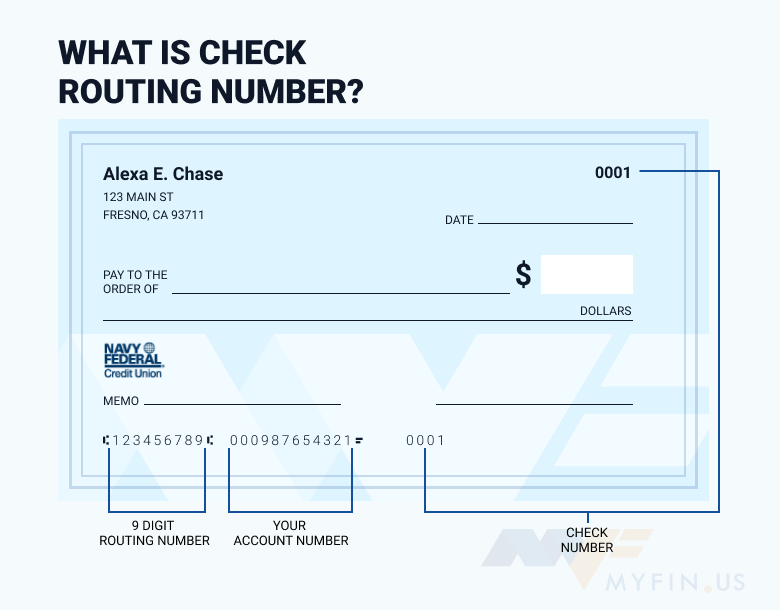
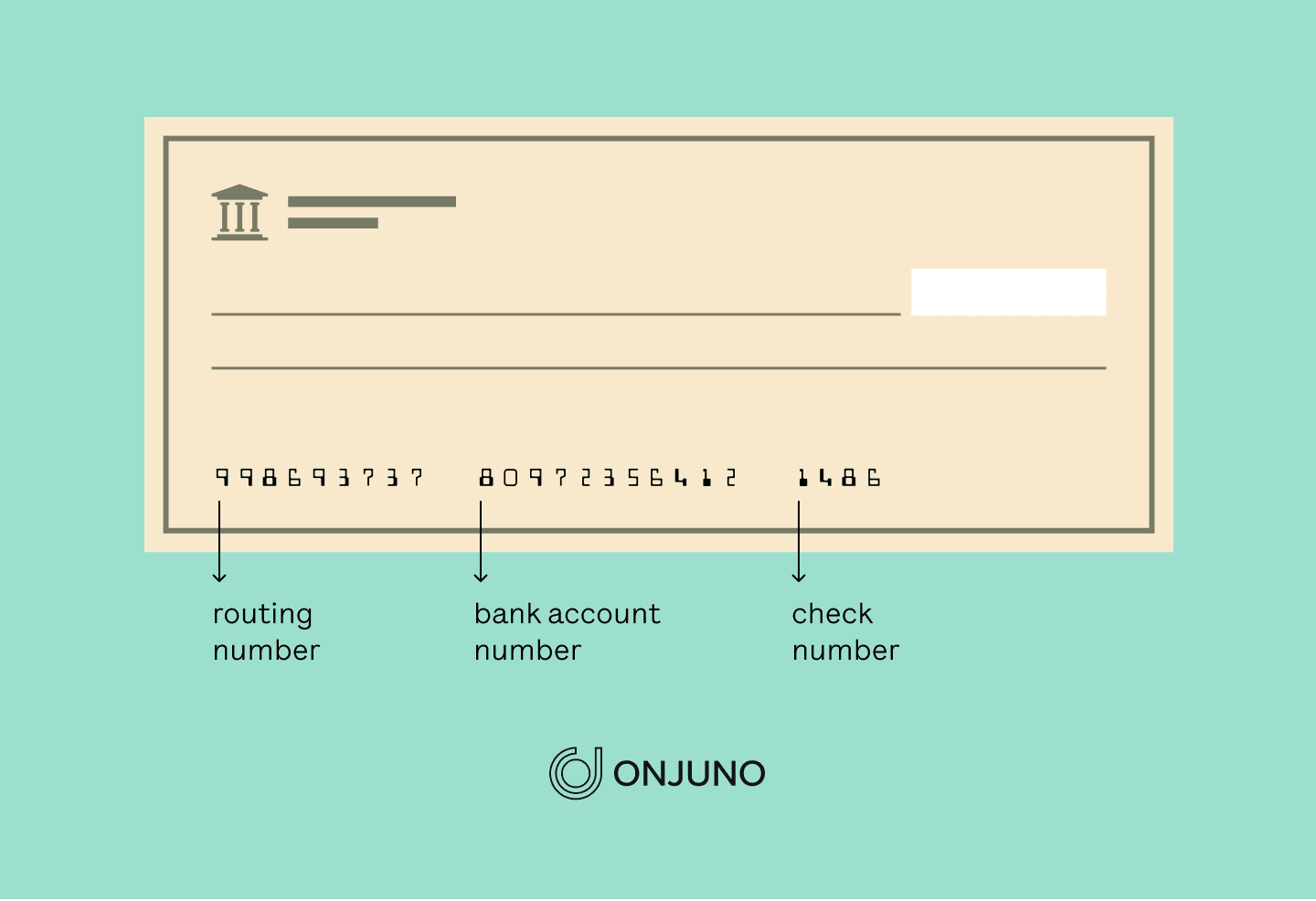
One of the most traditional and reliable places to find your routing number is on your personal checks. If you have an NFCU checking account, simply look at the bottom left-hand corner of any check. You will typically see three sets of numbers printed in a specific magnetic ink character recognition (MICR) font.
The routing number is the first set of nine digits on the left. It’s crucial to distinguish this from your individual account number, which is usually the middle set of numbers, and the check number, which is the last set on the right. Always double-check to ensure you’re using the correct nine-digit code.
Through Online Banking or Mobile App
In today’s digital age, your NFCU routing number is just a few clicks or taps away. Navy Federal’s robust online banking portal and mobile app provide instant access to your account details.
-
Online Banking: Log in to your NFCU online banking account from a desktop computer or laptop. Navigate to your account summary or details page. The routing number is typically displayed prominently alongside your account number and other essential information. Look for sections like “Account Details,” “Direct Deposit Information,” or “Statements & Documents.”
-
Mobile App: Open the Navy Federal Credit Union mobile app on your smartphone or tablet. After logging in, select the specific account you need the routing number for. Many apps have an “Account Details” or “Show More Info” option where the routing number will be listed. Some even have a dedicated “Direct Deposit Info” section that provides both the routing and account numbers.
These digital methods are not only convenient but also ensure you’re getting the most up-to-date and accurate information directly from NFCU.
On Your Monthly Statements
Whether you receive paper statements in the mail or access e-statements online, your monthly account statements are another dependable source for your NFCU routing number.
Paper statements usually display the routing number near the top of the statement, often close to your account number and personal details. For e-statements, you can log into online banking, navigate to the “Statements & Documents” section, and view or download a recent statement. The routing number will be found in a similar location on the digital document.
Contacting NFCU Directly
If for any reason you cannot locate the routing number through the methods above, or if you simply prefer to speak with a representative, contacting Navy Federal Credit Union directly is always an option.
-
Customer Service: Call NFCU’s member service line. A representative will be able to provide you with the correct routing number after verifying your identity.
-
Branch Visit: If you live near an NFCU branch, you can visit in person, and a teller or member service representative will assist you.
-
Official Website: The official Navy Federal Credit Union website often lists its routing number in a prominent location, such as a “Contact Us,” “FAQs,” or “About Us” section. You might also find it by using the website’s search function.
NFCU Routing Numbers: Specifics and Considerations
While many financial institutions might have multiple routing numbers depending on geographic location or specific types of transactions, Navy Federal Credit Union simplifies this for its members.
Is There Only One NFCU Routing Number?
For the vast majority of domestic electronic transactions, including direct deposits, ACH transfers, and even domestic wire transfers, Navy Federal Credit Union uses a single, universal routing number: 256074974.
This consistency across all branches and states is a significant convenience for NFCU members, eliminating confusion that might arise with banks that have different routing numbers for different regions or account types. When you need to provide your NFCU routing number for any standard transaction within the U.S., this is the nine-digit code you will use.
What About Wire Transfers?
While the routing number 256074974 is generally used for both ACH transfers and domestic wire transfers, it’s important to understand that the process for initiating or receiving a wire transfer is often more stringent and requires additional details.
For domestic wire transfers to your NFCU account, you will typically provide:
-
Your full name and address.
-
Your NFCU account number.
-
Navy Federal Credit Union’s routing number: 256074974.
-
Navy Federal Credit Union’s name: Navy Federal Credit Union.
For international wire transfers, the process is different. While the routing number is specific to U.S. domestic transactions, international wires typically require a SWIFT/BIC (Society for Worldwide Interbank Financial Telecommunication / Bank Identifier Code) code. NFCU’s SWIFT/BIC code is NFCUUS33. When receiving an international wire, you would provide this SWIFT code along with your account number and the credit union’s name and address. Always confirm these details with NFCU directly for international transfers, as intermediary bank information might also be required.
Routing Number vs. Account Number vs. Debit Card Number
It’s absolutely critical to understand the distinct purposes of these three numbers to ensure transaction accuracy and safeguard your financial information.
-
Routing Number (e.g., 256074974): Identifies your financial institution. It tells the payment system which bank to send the money to. It’s generally considered public information, as it’s printed on checks and often found on bank websites.
-
Account Number: Identifies your specific account at that financial institution. This number is unique to your checking, savings, or other account. Combined with a routing number, it directs funds precisely to your individual account. This is sensitive information that should be protected.
-
Debit Card Number: Identifies your debit card, a payment instrument linked to your checking account. This number, along with the expiration date and CVV, is used for point-of-sale transactions and online purchases. It should be treated with the highest level of security, never shared unless making a purchase.
Confusing these numbers can lead to misdirected funds, rejected payments, or even security risks. Always ensure you are providing the correct number for the specific transaction you intend to make.
Common Pitfalls and Best Practices
While finding and using your NFCU routing number is generally straightforward, being aware of common mistakes and adopting best practices can prevent unnecessary headaches.
Double-Checking is Key
The most frequent error in financial transactions involving routing numbers is simple human error. A single digit typed incorrectly can cause a transaction to fail or, worse, send funds to the wrong recipient (though this is less common with routing numbers alone due to the checksum digit and account number pairing).
-
Consequences of Incorrect Numbers: An incorrect routing number will typically result in a returned payment or a delayed transaction. This can lead to late fees on bills, missed direct deposits, or significant hold-ups in receiving funds. For critical transactions, such as a down payment on a house, such delays can have serious implications.
-
Always Verify: Before confirming any transaction that requires your routing number, take a moment to double-check the number. If you’re providing it to a third party (like an employer or utility company), verify it against your checks, online banking, or the official NFCU website. For large sums of money, consider doing a small test transaction first if possible.
Security Precautions
While your routing number itself is not as sensitive as your full account number or debit card details, it still plays a role in your financial security when combined with other information.
-
Phishing Scams: Be wary of unsolicited emails, text messages, or phone calls asking for your bank account information, including your routing number. NFCU will never ask for this information in an insecure manner. Always assume such requests are suspicious and verify directly with NFCU using official contact channels if you have any doubt.
-
Trusted Entities Only: Only provide your routing and account numbers to trusted entities that genuinely need them, such as your employer for direct deposit, legitimate billers for automatic payments, or secure financial platforms you use. Never provide this information over unsecured networks or to unverified individuals.
-
Monitor Your Accounts: Regularly review your NFCU account statements and transaction history for any unauthorized activity. Early detection of discrepancies can help prevent significant financial loss.
When in Doubt, Ask
Never guess your routing number. If you are unsure, even for a moment, use one of the reliable methods outlined above to confirm it. If you still have doubts or encounter an unusual request, contact Navy Federal Credit Union’s member service directly. Their representatives are equipped to provide accurate information and guide you through any complex transactions or security concerns.
In the digital age, being informed and proactive about your financial details is your best defense against errors and fraud.
Conclusion
The NFCU routing number, 256074974, is far more than just a nine-digit code; it’s a linchpin for your financial interactions with Navy Federal Credit Union. From ensuring your paycheck lands safely in your account to enabling seamless bill payments and money transfers, this number facilitates the smooth operation of your daily financial life.
Understanding what it is, where to find it through reliable sources like your checks, online banking, or statements, and how to use it correctly and securely empowers you to manage your finances with confidence and efficiency. By embracing best practices—like always double-checking the number and protecting your sensitive information—NFCU members can navigate the financial landscape effectively, ensuring their money moves precisely where and when it’s supposed to go. With this essential guide, you now have the knowledge to harness the power of your NFCU routing number for all your financial needs.
aViewFromTheCave is a participant in the Amazon Services LLC Associates Program, an affiliate advertising program designed to provide a means for sites to earn advertising fees by advertising and linking to Amazon.com. Amazon, the Amazon logo, AmazonSupply, and the AmazonSupply logo are trademarks of Amazon.com, Inc. or its affiliates. As an Amazon Associate we earn affiliate commissions from qualifying purchases.