
The perennial question, “What is the newest Star Wars movie?”, resonates far beyond mere curiosity about a release schedule. It’s a barometer for the health, direction, and strategic brilliance of one of the most powerful and enduring brands in global entertainment history. Star Wars is not merely a collection of films; it is a meticulously crafted universe, a cultural touchstone, and a masterclass in brand management. Every new installment, whether cinematic or streaming, is a deliberate brand extension, designed to engage an immense, multi-generational fanbase, attract new audiences, and solidify its place in the collective consciousness. This article delves into the “newest Star Wars movie” not just as a piece of content, but as a critical component in the ongoing brand strategy of Lucasfilm and its parent company, Disney.

Navigating the Brand Galaxy: The Current Star Wars Cinematic Landscape
For many, the definition of “newest Star Wars movie” has shifted in recent years. While the last theatrical release, Star Wars: The Rise of Skywalker, premiered in 2019, the brand has been anything but dormant. Disney’s acquisition of Lucasfilm ushered in an era of unprecedented content creation, fundamentally reshaping how the Star Wars narrative is delivered and consumed, and by extension, how the brand maintains its omnipresence.
The Evolving Canon and Release Strategy
Since 2019, the cinematic output for Star Wars has seen a deliberate pause, a strategic recalibration after the conclusion of the Skywalker Saga. This pause isn’t a vacuum; it’s a period of intense planning and development for the brand’s next theatrical chapter. Lucasfilm has officially announced several forthcoming films, which collectively represent the “newest Star Wars movies” in various stages of development. These include:
- A Rey-centric film: Directed by Sharmeen Obaid-Chinoy, set 15 years after The Rise of Skywalker, featuring Daisy Ridley reprising her role as Rey establishing a new Jedi Order. This project is a crucial brand move, signaling a continuation of beloved characters while moving into new narrative territory. It aims to bridge the past with a fresh future, a common brand strategy for long-running franchises.
- A “Dawn of the Jedi” film: Directed by James Mangold, this film will explore the ancient origins of the Jedi, pushing the timeline thousands of years into the past. This represents a bold brand expansion, venturing into untouched eras and appealing to fans interested in the foundational mythology.
- Dave Filoni’s “Mandalorian-era” culmination: This movie is set to tie together the interconnected storylines from The Mandalorian, Ahsoka, and other Disney+ series, offering a theatrical capstone to the “Mandoverse.” This exemplifies a sophisticated cross-platform brand strategy, where streaming series build anticipation and lore for a major cinematic event, leveraging existing fan investment.
These announced films highlight a brand strategy focused on diversification across timelines, creative voices, and narrative scope. The “newest movie” isn’t a singular event but a planned pipeline, each project strategically designed to serve different facets of the brand’s expansive universe and appeal to varied audience segments.
Beyond the Marquee: The Role of Streaming in Brand Extension
While the silver screen awaits its next Star Wars saga, Disney+ has become an indispensable pillar of the Star Wars brand, especially in defining “newest content.” Series like The Mandalorian, Andor, Obi-Wan Kenobi, and Ahsoka have not only filled the void between films but have expanded the universe, introduced beloved new characters (Grogu), deepened existing ones, and explored narratives with a maturity and nuance often difficult to achieve in a two-hour film.
The success of these streaming series demonstrates a masterful brand strategy:
- Maintaining Relevance: By providing a consistent stream of high-quality content, Disney+ ensures Star Wars remains in the cultural conversation year-round, preventing brand fatigue and keeping the IP fresh.
- World-Building: The series have allowed for deeper exploration of lore, planets, and cultures, enriching the overall brand tapestry. This continuous world-building adds significant value and depth to the Star Wars intellectual property.
- Targeted Storytelling: Streaming allows for different tones and genres, from the gritty espionage of Andor to the space western feel of The Mandalorian, appealing to diverse tastes within the broader Star Wars fandom. This segmentation helps capture and retain a wider audience base, showcasing the brand’s versatility.
For many fans, the “newest Star Wars” experience is found weekly on Disney+, a testament to how effectively streaming has been integrated into the overall brand ecosystem, arguably overshadowing the traditional cinematic release cycle in terms of immediate impact and ongoing engagement.
Brand Strategy in a Far, Far Away Galaxy: Maintaining Relevance and Legacy
The Star Wars brand thrives on a delicate balance between honoring its storied past and boldly venturing into new frontiers. This strategic tension is central to its enduring appeal and commercial success.
The Balancing Act: Innovation vs. Nostalgia
One of the greatest challenges for any long-running franchise is managing the weight of its own legacy. Star Wars, with its 40+ year history, iconic characters, and deeply embedded mythology, faces this challenge acutely. The brand strategy must continuously navigate the demands of nostalgia from legacy fans while simultaneously innovating to attract and retain new generations.
- Leveraging Nostalgia: Disney and Lucasfilm skillfully deploy callbacks, legacy characters, and familiar themes. The return of Luke Skywalker in The Mandalorian, Obi-Wan Kenobi’s standalone series, and the very concept of a Rey sequel film are powerful examples of leveraging nostalgic appeal. This connects existing fans to the brand emotionally, reinforcing loyalty.
- Embracing Innovation: Alongside nostalgia, the brand actively seeks new narratives, characters, and stylistic approaches. Projects like Andor, with its gritty realism and political intrigue, or The High Republic publishing initiative, which explores a previously unseen era, are crucial for demonstrating the brand’s capacity for growth and fresh storytelling. This innovation prevents the brand from feeling stale and broadens its creative horizons, ensuring its future viability.
The “newest Star Wars movie” (or series) is often evaluated on how well it strikes this balance. Too much nostalgia risks stagnation and alienating new viewers; too much innovation risks alienating the core fanbase. The successful brand continually walks this tightrope, ensuring each new piece of content feels both authentically “Star Wars” and refreshingly original.
Diversifying the Portfolio: Beyond Film and TV
The Star Wars brand extends far beyond the screen, manifesting across a vast ecosystem of products and experiences. This diversification is a key brand strategy, ensuring multiple touchpoints for consumers and cementing its status as a lifestyle brand, not just an entertainment one.
- Video Games: Titles like Star Wars Jedi: Fallen Order and Jedi: Survivor, along with upcoming releases like Star Wars Outlaws, are significant brand extensions. They offer immersive, interactive storytelling that complements the cinematic universe, allowing fans to live out their own Star Wars fantasies. These games not only generate revenue but deepen fan engagement and understanding of the lore.
- Theme Park Experiences: Star Wars: Galaxy’s Edge at Disney parks is a monumental achievement in experiential branding. It transports guests directly into the Star Wars universe, offering unparalleled immersion. This goes beyond passive consumption; it creates active participation in the brand, forging powerful emotional connections.
- Merchandise and Publishing: From action figures and LEGO sets to novels, comics, and collectibles, merchandise is a foundational element of the Star Wars brand. These products maintain brand visibility, allow for personal expression of fandom, and generate substantial revenue. The publishing arm, in particular, often serves as a proving ground for new concepts and characters, further enriching the canon.
Each of these diverse offerings reinforces the core brand identity, creating a multifaceted universe that caters to different forms of engagement. The “newest Star Wars movie” isn’t just a film; it’s a potential catalyst for new games, park attractions, and merchandise lines, illustrating the holistic nature of the brand’s expansive strategy.
Marketing the Millennium Falcon: Engaging a Global Fandom
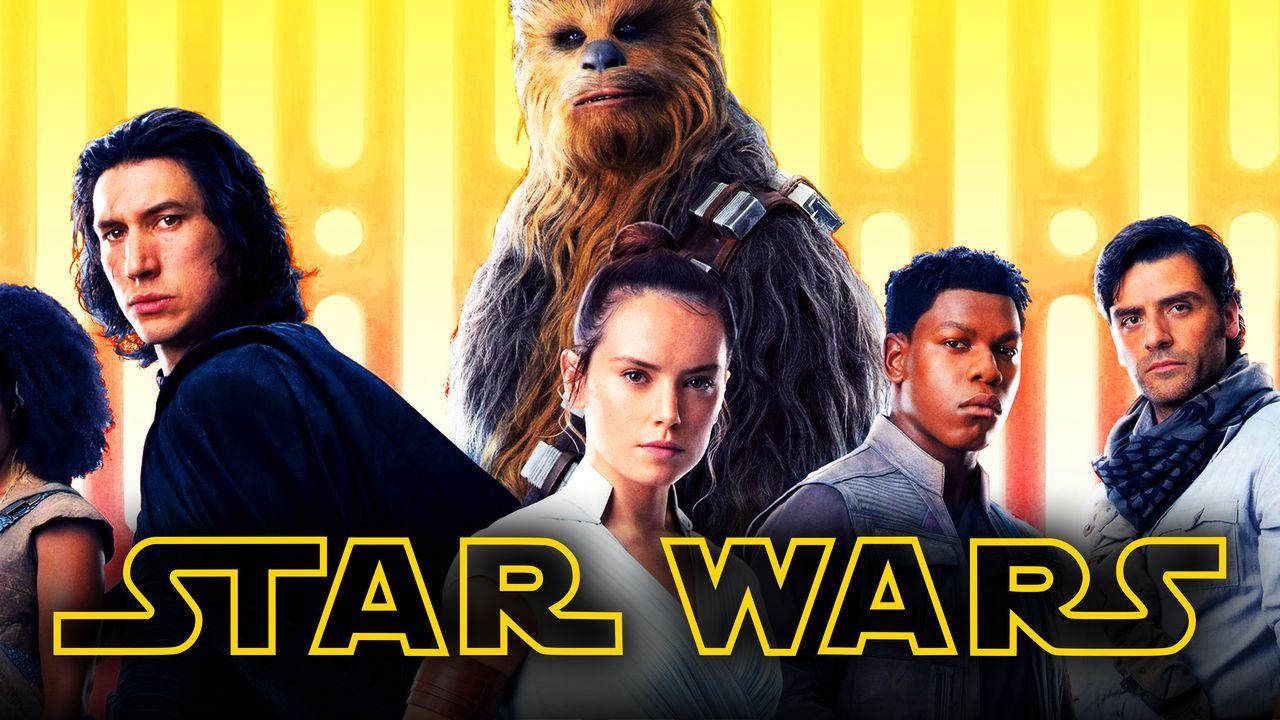
Marketing for Star Wars is less about selling a product and more about curating an experience and nurturing a community. The immense scale and passion of its global fanbase require sophisticated strategies for engagement and anticipation building.
Fan Engagement and Community Building
Star Wars boasts one of the most dedicated and vocal fanbases in the world. Recognizing this, the brand actively cultivates and engages with its community, understanding that fans are not just consumers, but vital ambassadors and co-creators of the brand’s legacy.
- Direct Communication: Lucasfilm and Disney utilize official channels like StarWars.com, social media platforms, and dedicated fan events (Star Wars Celebration) to directly communicate news, announcements, and behind-the-scenes content. This direct line fosters a sense of inclusion and transparency.
- Two-Way Dialogue: The brand pays attention to fan theories, discussions, and feedback, occasionally even incorporating fan-favorite concepts or characters into canon (e.g., Ahsoka Tano’s journey from animated series to live-action). This responsiveness makes fans feel valued and invested.
- Content Generation: Star Wars actively encourages fan-generated content, from fan films and cosplay to elaborate theories and analyses. This organic engagement amplifies the brand’s reach and vibrancy, turning fans into active participants in the narrative.
The “newest Star Wars movie” is often first revealed and discussed within these fan communities, creating an organic buzz that precedes mainstream marketing campaigns. This deep community integration is a hallmark of strong brand loyalty and sustained interest.
The Art of the Reveal: Teasers, Trailers, and Hyped Announcements
The marketing machinery behind new Star Wars content is a masterclass in building anticipation. Every announcement, from a cryptic logo reveal to a full-length trailer, is strategically orchestrated to maximize impact and generate global excitement.
- Phased Reveals: Information about “newest Star Wars movies” is often released in carefully calibrated phases. An initial announcement of a director or concept, followed by a title, then concept art, a teaser trailer, and finally a full trailer. This drip-feed strategy keeps the brand consistently in the news cycle.
- Iconic Imagery and Sound: Star Wars marketing leverages instantly recognizable iconography—the twin suns of Tatooine, the hum of a lightsaber, John Williams’ majestic scores—to evoke powerful emotional responses. These sensory cues are deeply ingrained in the brand identity and serve as potent triggers for fan engagement.
- Event-Level Marketing: The release of a new Star Wars movie trailer is an event in itself, often trending globally and sparking countless analyses and reactions. This elevates each release beyond mere entertainment, positioning it as a cultural phenomenon.
The marketing of the “newest Star Wars movie” is not just about showing what’s coming; it’s about selling the dream, the adventure, and the promise of another unforgettable journey within a beloved universe.
The Future of the Force: What’s Next for the Star Wars Brand?
The question of “what is the newest Star Wars movie” inherently points to the future. The brand is in a perpetual state of evolution, constantly seeking new ways to expand its narrative, engage its audience, and solidify its place as a multi-billion dollar entertainment juggernaut.
Strategic Direction and Creative Vision
The announced slate of upcoming films, coupled with the success of streaming series, provides insight into the strategic direction of the Star Wars brand. It suggests a multi-pronged approach:
- Anchoring to Legacy while Forging Ahead: The Rey film directly continues the Skywalker Saga’s timeline, offering continuity. Simultaneously, projects like “Dawn of the Jedi” showcase a willingness to explore entirely new eras and mythologies, preventing the brand from becoming overly reliant on past successes.
- Interconnectedness and Standalone Stories: While Dave Filoni’s film will serve as a culmination of interconnected streaming narratives, other projects might offer more standalone experiences. This strategy caters to different audience preferences, allowing for both deep dives into continuous arcs and accessible entry points for casual viewers.
- Diverse Creative Voices: Entrusting projects to a variety of directors and writers (Sharman Obaid-Chinoy, James Mangold, Dave Filoni, Taika Waititi, etc.) signals a commitment to creative diversity. This not only brings fresh perspectives but also ensures the brand can explore a wider range of themes and storytelling styles, keeping it dynamic and resilient.
The future of the Star Wars brand is clearly one of ambitious expansion, carefully managed by a strategic vision that values both its profound legacy and its potential for innovation.
Sustaining the Saga: Challenges and Opportunities
While the Star Wars brand is incredibly robust, it faces ongoing challenges and abundant opportunities that will shape the answer to “what is the newest Star Wars movie” for years to come.
-
Challenges:
- Fan Fatigue: Over-saturation of content, especially in the streaming era, risks diminishing the specialness of each new release.
- Managing Expectations: The passionate fanbase often comes with high and sometimes conflicting expectations, making it difficult to satisfy everyone.
- Creative Consistency: Maintaining a consistent level of quality across multiple films, series, games, and publications is a significant undertaking.
- Balancing Canon and Creativity: Integrating new stories into an established, complex canon without creating inconsistencies is a continuous struggle.
-
Opportunities:
- Untapped Eras and Genres: The vastness of the Star Wars universe offers endless possibilities for new stories, characters, and even genre explorations (e.g., horror, political thriller, romance within the Star Wars context).
- Technological Advancements: Innovations in virtual production (like The Volume) and CGI continue to push creative boundaries, allowing for even more immersive and visually stunning storytelling.
- Global Market Expansion: Further penetration into international markets, particularly in Asia, offers significant growth potential for the brand.
- Synergy with Disney’s Ecosystem: Leveraging Disney’s vast media and entertainment empire (parks, merchandise, other IPs) provides unparalleled opportunities for cross-promotion and brand reinforcement.
The “newest Star Wars movie” is always more than just a film; it’s a testament to how the brand navigates these challenges and seizes these opportunities, ensuring its enduring power across generations.
Conclusion
The question “what is the newest Star Wars movie” is an entry point into understanding the intricate, dynamic, and incredibly successful brand strategy behind one of the world’s most cherished intellectual properties. It reveals a brand that is constantly evolving, balancing reverence for its past with audacious leaps into the future. From strategically pausing theatrical releases to empower streaming content, to diversifying its portfolio across games and theme parks, and meticulously engaging its global fanbase, Star Wars stands as a paragon of modern brand management.
The “newest Star Wars movie” is currently a collection of highly anticipated, announced cinematic projects, each designed to push the boundaries of the saga while reinforcing its core identity. Whether set thousands of years in the past, or exploring the post-Skywalker era, these films, alongside the prolific output of Disney+ series, are integral to maintaining the brand’s relevance, nurturing its legacy, and ensuring the Force remains strong for generations to come. Star Wars isn’t just selling movies; it’s selling an entire galaxy, and with each new installment, it masterfully invites us to continue exploring it.
aViewFromTheCave is a participant in the Amazon Services LLC Associates Program, an affiliate advertising program designed to provide a means for sites to earn advertising fees by advertising and linking to Amazon.com. Amazon, the Amazon logo, AmazonSupply, and the AmazonSupply logo are trademarks of Amazon.com, Inc. or its affiliates. As an Amazon Associate we earn affiliate commissions from qualifying purchases.