
Purchasing a new car is a significant financial decision for many individuals and families. Beyond the sticker price of the vehicle, one of the most crucial elements that determines the total cost of your car and its impact on your monthly budget is the new car lending rate. This rate, often referred to as an interest rate or Annual Percentage Rate (APR), dictates how much extra you’ll pay the lender for the privilege of borrowing money. Understanding what these rates are, how they’re determined, and how to secure the most favorable terms is fundamental to making a smart financial choice. In a dynamic economic environment, with fluctuating interest rates and diverse lending options, navigating the world of auto loans requires careful consideration and a strategic approach.

Understanding New Car Lending Rates
At its core, a new car lending rate is the cost of borrowing money to finance the purchase of a brand-new vehicle. It’s expressed as a percentage of the loan amount and is charged by the lender (banks, credit unions, dealership finance departments) in exchange for providing the funds. This rate directly influences your monthly payment and, more importantly, the total amount you will pay over the life of the loan.
Defining the Annual Percentage Rate (APR)
When discussing auto loans, the term you’ll most frequently encounter is the Annual Percentage Rate (APR). The APR is a broader measure of the cost of borrowing money compared to a simple interest rate. It encompasses not just the interest rate itself but also any additional fees or charges associated with the loan, such as administrative fees, origination fees, or closing costs, expressed as an annualized percentage. By standardizing these costs into a single percentage, the APR allows consumers to compare the true cost of different loan offers more effectively. A lower APR always translates to lower borrowing costs over the loan term.
The Difference Between Interest Rate and APR
While often used interchangeably in casual conversation, there’s a distinct difference between an interest rate and the APR. The interest rate is solely the percentage charged on the principal amount borrowed. If you borrow $30,000 at a 5% interest rate, that 5% is the charge for using the $30,000. The APR, however, gives you the full picture. If that same loan at a 5% interest rate also includes a $250 origination fee and a $100 processing fee, these costs are factored into the APR calculation, resulting in an APR that is slightly higher than 5%. This means that while two lenders might offer seemingly similar interest rates, their APRs could differ significantly due to varying fees, making the one with the lower APR the more cost-effective choice. Always compare APRs when shopping for a loan.
Why Lending Rates Matter for Your Budget
The lending rate is arguably the single most impactful factor on the affordability of your new car purchase, second only to the vehicle’s price itself. Even a seemingly small difference in APR can translate into thousands of dollars over a multi-year loan term. For example, on a $30,000 car loan over five years, a 6% APR results in significantly higher total interest paid than a 4% APR. This difference directly impacts your monthly payment, potentially freeing up or tying down critical funds in your budget. A lower rate means lower monthly payments, more disposable income, and a reduced overall cost of ownership. Conversely, a high rate can strain your finances, making it harder to save or cover other essential expenses.
Key Factors Influencing Your Rate
New car lending rates are not one-size-fits-all. They are highly personalized and subject to a multitude of variables that lenders consider when assessing risk and profitability. Understanding these factors empowers you to take steps to improve your chances of securing the best possible rate.
Your Credit Score: The Cornerstone of Loan Eligibility
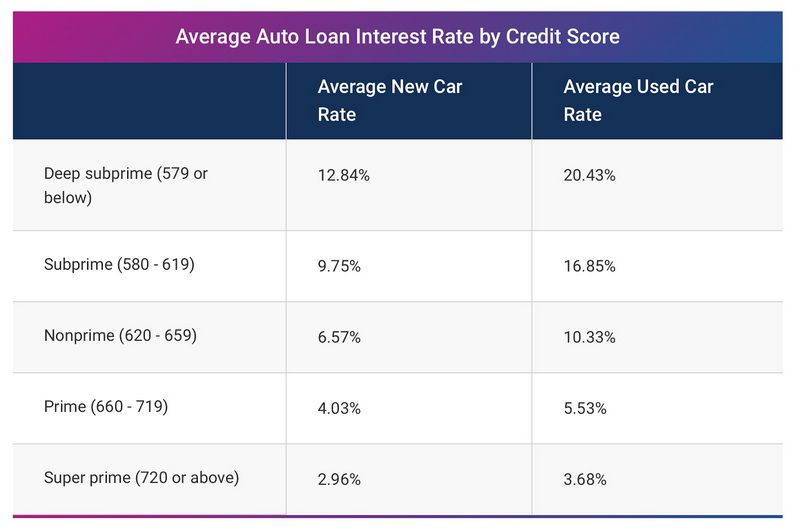
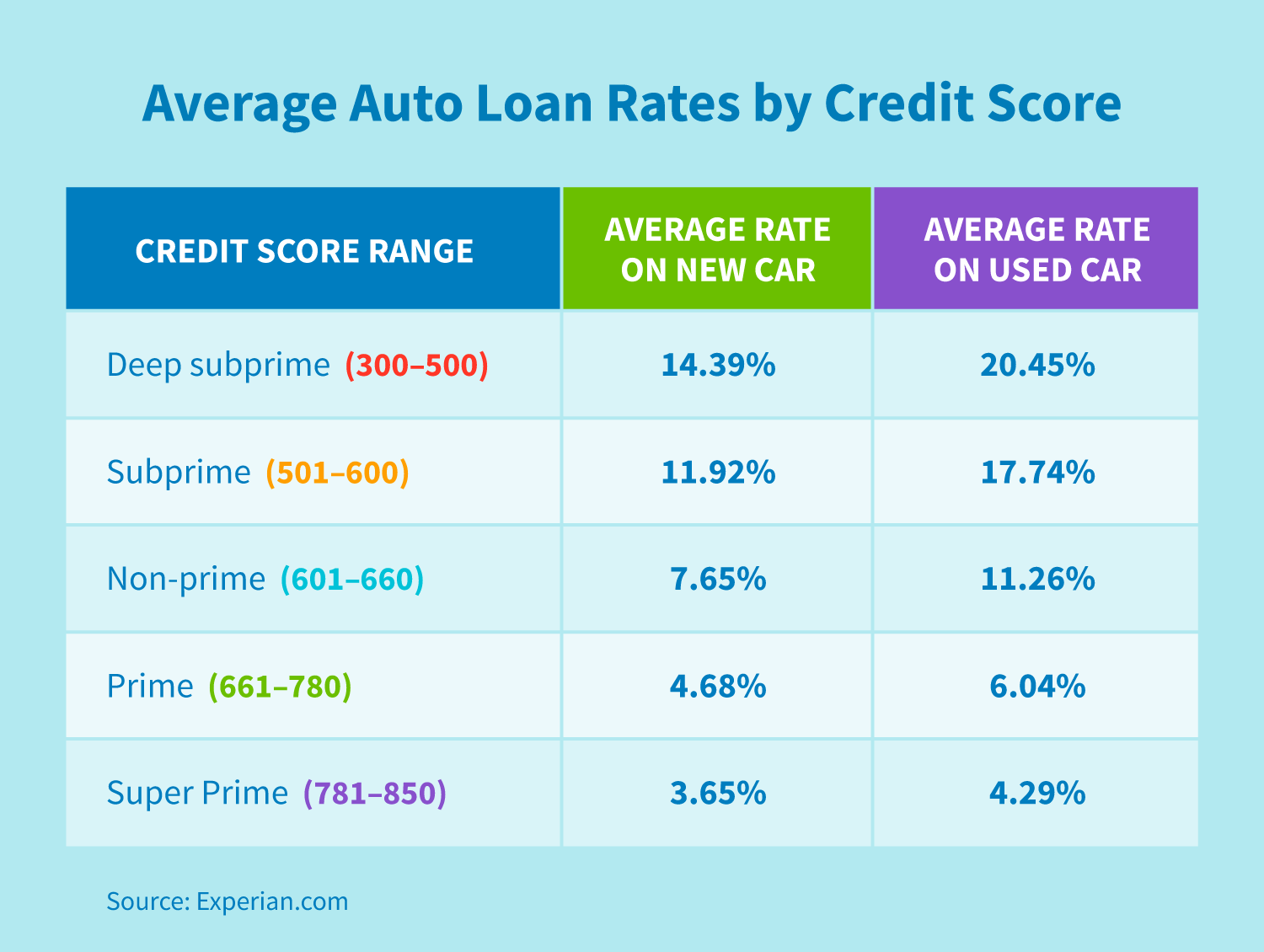
Foremost among these factors is your credit score. Lenders use credit scores (like FICO or VantageScore) as a quick indicator of your creditworthiness and your likelihood of repaying the loan. A higher credit score (generally 700+) signals to lenders that you are a responsible borrower with a history of timely payments, making you a low-risk candidate. This typically qualifies you for the lowest available interest rates. Conversely, a lower credit score indicates a higher risk, prompting lenders to offer higher rates to compensate for the perceived increased chance of default. It’s advisable to check your credit score and report well before applying for a car loan to identify and rectify any errors and understand where you stand.
Loan Term: Balancing Monthly Payments and Total Cost
The length of your loan, or the loan term, also plays a significant role. Common terms range from 36 months (3 years) to 84 months (7 years). Generally, longer loan terms result in lower monthly payments, as the principal amount is spread out over more months. However, this convenience comes at a cost: longer terms typically accrue more interest over the life of the loan, and lenders often charge a slightly higher APR for extended terms due due to increased risk over time. While a longer term might make a car seem more affordable on a monthly basis, it almost always means paying more overall. Shorter terms, conversely, feature higher monthly payments but result in less total interest paid and a quicker path to ownership.
Down Payment: Reducing Risk and Interest
The amount of money you put down upfront as a down payment directly affects the amount you need to borrow. A larger down payment reduces the loan principal, which in turn reduces the amount of interest you’ll pay over the loan’s life. From a lender’s perspective, a substantial down payment also signifies your financial commitment and reduces their risk, making them more inclined to offer a lower interest rate. Ideally, aiming for a down payment of at least 10-20% of the car’s purchase price can significantly improve your loan terms.
Vehicle Type and Value
The specific car you choose can also impact the lending rate. Newer, more expensive vehicles or those with a proven track record of holding their value well might qualify for slightly better rates, as they represent lower risk for the lender in case of repossession. Conversely, older models or those with a higher depreciation rate might command slightly higher interest rates. Lenders assess the car’s resale value and demand when determining the risk associated with financing it.
Economic Conditions and the Federal Reserve
Broader economic factors profoundly influence lending rates. The Federal Reserve’s monetary policy, particularly its setting of the federal funds rate, directly impacts the prime rate, which serves as a benchmark for consumer lending rates, including auto loans. When the Fed raises rates to combat inflation, borrowing costs across the board tend to increase. Conversely, a dovish Fed policy can lead to lower lending rates. These macroeconomic trends are largely out of individual control but underscore the importance of timing your car purchase if possible.
Lender Type and Their Policies
Different types of lenders have varying risk appetites, overheads, and target customer bases, which influence the rates they offer. Traditional banks, credit unions, online lenders, and dealership finance departments each have their own lending criteria and rate structures. Credit unions, for example, often offer highly competitive rates to their members, while online lenders might have streamlined processes and competitive rates for those with strong credit. Dealership financing can be convenient but may not always offer the absolute best rates unless there are special manufacturer incentives.
Strategies for Securing the Best Rate
Armed with an understanding of what drives lending rates, you can employ several strategies to position yourself favorably and secure the most advantageous financing for your new car.
Researching and Comparing Lenders
One of the most effective strategies is to cast a wide net when seeking financing. Don’t simply accept the first offer you receive, especially from a dealership. Research and compare offers from at least three to five different lenders, including national banks, local credit unions, and reputable online auto loan providers. Each lender will assess your creditworthiness and other factors differently, potentially resulting in varying APRs. Take note of all fees involved, not just the interest rate, to ensure you’re comparing true APRs.
The Power of Pre-Approval
Getting pre-approved for a car loan before you even set foot in a dealership is a powerful tool. Pre-approval involves applying for a loan with a lender, who then provides you with a conditional loan offer, including an interest rate and maximum loan amount. This not only gives you a firm budget but also transforms you into a cash buyer at the dealership. With a pre-approval in hand, you can negotiate the car’s price more effectively, as you won’t be solely reliant on the dealership’s financing options. If the dealership can beat your pre-approved rate, that’s a bonus; if not, you already have a strong alternative.
Improving Your Credit Score Before Applying
Given the monumental impact of your credit score, taking proactive steps to improve it before applying for a loan can save you significant money. This includes paying down existing debts, especially credit card balances, making all payments on time, and avoiding opening new credit accounts in the months leading up to your car purchase. Regularly monitoring your credit report for inaccuracies and disputing them can also boost your score. Even a slight improvement in your credit tier can unlock lower APRs.
Negotiating with Dealerships vs. External Lenders
When you’re at the dealership, remember that their finance department makes money on financing. They might try to upsell you on a higher interest rate or additional products. Having a pre-approval from an external lender provides you with leverage. You can present your pre-approval offer and challenge the dealership to beat it. This competition often encourages them to find better terms for you, or at the very least, confirms that your external offer is competitive. Be wary of “bundled” deals where they offer a great price on the car but a higher rate on the loan, or vice-versa. Always assess the total package.
Understanding Loan Incentives and Special Offers
Automakers and dealerships often run special promotions, offering low APR financing (sometimes 0%) for qualified buyers on specific models. While these can be excellent deals, they typically require impeccable credit and might be offered in lieu of other incentives, such as cash rebates. It’s crucial to compare whether taking the low APR offer or opting for a cash rebate (and financing through an external lender) saves you more money overall. Do the math for both scenarios.
The Broader Impact of Lending Rates on Your Car Purchase
Beyond the immediate monthly payment, the lending rate has far-reaching implications for your overall financial health and the long-term cost of vehicle ownership.
Calculating Your Total Cost of Ownership
The lending rate is a major component of your car’s total cost of ownership (TCO). While the sticker price and maintenance are obvious factors, the interest paid over the life of the loan can add thousands to the TCO. A higher interest rate inflates this cost, meaning you’re paying more for the same vehicle over time. Understanding this helps you make a more informed decision, not just about which car to buy, but how to finance it responsibly. Factor in depreciation, insurance, fuel, maintenance, and the total interest paid to get a true picture of ownership costs.
Monthly Payment Affordability and Budgeting
Your monthly car payment is a fixed expense that directly impacts your household budget. A high lending rate can push this payment to a level that strains your finances, leaving less room for savings, emergencies, or other discretionary spending. Conversely, a lower rate makes the car more genuinely affordable, ensuring that your transportation doesn’t become a financial burden. It’s essential to create a realistic budget and determine a comfortable monthly payment before you start car shopping, ensuring that any loan you take out aligns with your financial capacity.
The Opportunity Cost of High-Interest Loans
Every dollar spent on high interest is a dollar that could have been saved, invested, or used to pay down other high-interest debt. This is the concept of opportunity cost. When you commit to a high-interest car loan, you lose the opportunity to allocate those funds to wealth-building activities or other financial goals. Over the course of several years, this can represent a substantial missed opportunity for financial growth. Securing a low lending rate minimizes this opportunity cost, freeing up more of your money to work for you.
Resale Value Considerations
While not directly tied to the lending rate, the total cost of your loan can indirectly affect your financial position when it comes time to sell or trade in your vehicle. If you’ve paid excessive interest on a depreciating asset, you might find yourself “underwater” on the loan, meaning you owe more than the car is worth. This can make it difficult to sell or trade in your car without incurring a financial loss, impacting your ability to upgrade to your next vehicle. A lower lending rate helps you build equity faster, reducing the risk of being underwater.
Navigating the Evolving Landscape of Auto Loans
The auto lending market is continually evolving, influenced by technological advancements, economic shifts, and changing consumer behaviors. Staying informed about these trends can give you an edge.
The Rise of Online Lenders and Fintech
The digital age has ushered in a new era of auto lending, with online lenders and fintech companies offering increasingly competitive rates and streamlined application processes. These platforms often boast lower overheads than traditional banks and can quickly pre-approve applicants. Their speed and efficiency make them an attractive option for many consumers, and they contribute to a more competitive marketplace, pushing traditional lenders to offer better terms. Exploring these digital avenues is now a critical step in finding the best rates.
Impact of Electric Vehicles (EVs) on Lending
As electric vehicles (EVs) gain popularity, their unique characteristics are beginning to influence lending. EVs often come with higher sticker prices but also potential government incentives and lower operating costs. Lenders are adapting by developing specific financing products for EVs, potentially factoring in residual values and charging infrastructure costs. The growing market for used EVs will also impact future lending considerations, as lenders refine their understanding of their depreciation curves.
Economic Forecasts and Future Rate Movements
Keeping an eye on broader economic forecasts, particularly inflation trends and central bank announcements, can help you anticipate future interest rate movements. If rates are projected to rise, it might be advantageous to secure financing sooner rather than later. Conversely, if a downturn is expected, waiting might yield lower rates. While timing the market perfectly is difficult, being aware of the general economic trajectory can inform your decision-making process.
Staying Informed and Agile
The best defense against unfavorable lending terms is knowledge and flexibility. Continuously educate yourself about personal finance, monitor your credit health, and be prepared to compare multiple offers. The auto lending market is dynamic, and being an agile consumer who adapts to new information and options will always put you in the strongest negotiating position.
In conclusion, understanding what constitutes a new car lending rate, how it’s calculated, and the myriad factors influencing it is paramount to a financially sound car purchase. By proactively managing your credit, comparing lenders, and staying informed about market trends, you can significantly reduce the total cost of your vehicle and ensure your new car is a source of joy, not financial stress.
aViewFromTheCave is a participant in the Amazon Services LLC Associates Program, an affiliate advertising program designed to provide a means for sites to earn advertising fees by advertising and linking to Amazon.com. Amazon, the Amazon logo, AmazonSupply, and the AmazonSupply logo are trademarks of Amazon.com, Inc. or its affiliates. As an Amazon Associate we earn affiliate commissions from qualifying purchases.