
In an increasingly interconnected digital world, where data breaches and cyber threats are a constant menace, the imperative to protect sensitive information has never been more critical. Traditional security measures, while essential, often fall short of providing comprehensive protection against sophisticated attacks. This challenge has driven the evolution of more advanced data security paradigms, among which “network tokenization” stands out as a powerful and strategic approach. At its core, network tokenization is a security process that replaces sensitive data with a unique, non-sensitive identifier called a token. This token, which bears no mathematical or algorithmic relationship to the original data, can be used in subsequent transactions or processes, effectively isolating the sensitive data in a highly secure environment – a “token vault.” Far from being a mere buzzword, network tokenization represents a fundamental shift in how organizations manage and protect their most vulnerable assets across their digital networks. It is a critical layer of defense that redefines the perimeter of data security, moving beyond simple encryption to a model of data minimization and isolation, thereby significantly reducing the attack surface and mitigating the catastrophic impact of a potential breach.

The Fundamentals of Network Tokenization
Understanding network tokenization requires a grasp of its core mechanics and the underlying principles that make it an effective security strategy. It’s not just about obfuscating data; it’s about making the data inaccessible to unauthorized parties, even if they manage to infiltrate other parts of a system.
Defining Tokenization in the Digital Realm
At its essence, tokenization is the process of replacing an original data element, such as a credit card number, a social security number, or any other personally identifiable information (PII), with a surrogate value (the token). This token is a randomly generated alphanumeric string that looks and feels like the original data in terms of format but holds no intrinsic value or meaning on its own. Crucially, there is no mathematical derivation or cryptographic link between the token and the original data, making the token irreversible without access to the secure tokenization system.
This differs significantly from encryption. While encryption scrambles data into an unreadable format using an algorithm and a key, encrypted data still retains its original information structure, just in a different state. If the encryption key is compromised, the original data can be recovered. With tokenization, the token itself is simply a reference point. If a token is stolen, it’s akin to stealing a library card without access to the library’s catalog; it offers no pathway back to the original sensitive data. The true value lies in the complete removal of sensitive data from systems that don’t absolutely require it for processing.
How Network Tokenization Works
The operational flow of network tokenization typically involves several key steps:
- Data Ingestion: Sensitive data enters the network through various points – a payment gateway, a customer signup form, an IoT device, etc.
- Tokenization Request: As soon as the sensitive data is received, it’s immediately sent to a secure tokenization server or engine.
- Token Generation: The tokenization engine generates a unique, non-sensitive token for that specific piece of data. This token is often a random string of characters that matches the format of the original data (e.g., a 16-digit token for a 16-digit credit card number).
- Data Vaulting: The original sensitive data is then securely stored in a highly protected, isolated database known as a “token vault” or “data vault.” This vault is architecturally segregated from the rest of the network and employs the strongest security controls available, including encryption at rest, strict access controls, and auditing.
- Token Replacement: The original sensitive data is replaced throughout the organization’s less secure systems and databases with its corresponding token.
- Token Usage: Subsequent processes, applications, and network components interact only with the token. When the original data is occasionally needed (e.g., for reporting or reconciliation), the token is sent back to the tokenization engine, which then retrieves the original data from the vault for authorized use, typically within a secure, controlled environment, and then re-tokenizes it or securely disposes of it.
This process ensures that sensitive data spends minimal time in vulnerable systems and is primarily handled by the ultra-secure token vault.
Key Components of a Tokenization System
A robust network tokenization solution relies on several interconnected components:
- Tokenization Engine/Server: This is the core processing unit responsible for generating tokens and managing the mapping between tokens and original data. It must be highly secure, resilient, and performant.
- Token Vault/Secure Data Repository: The most critical component, this highly fortified database stores the original sensitive data. It must be isolated, encrypted, and subject to stringent access controls, auditing, and monitoring.
- API/Integration Points: These allow other applications and systems within the network (e.g., payment gateways, CRM systems, analytics platforms) to send data for tokenization and retrieve original data when authorized, all while maintaining the security posture.
- Key Management System (KMS): Essential for managing the cryptographic keys used to encrypt data within the token vault, ensuring their secure generation, storage, and rotation.
Why Network Tokenization is Critical for Cybersecurity
Network tokenization is not merely an optional security enhancement; it is becoming a foundational strategy in the face of escalating cyber threats and increasingly stringent regulatory demands. Its benefits extend across compliance, breach mitigation, and data privacy.
Reducing the Scope of PCI DSS and Other Compliance Burdens
One of the most compelling drivers for adopting network tokenization, particularly in the financial sector, is its ability to simplify regulatory compliance. Standards such as the Payment Card Industry Data Security Standard (PCI DSS) impose rigorous requirements on any entity that stores, processes, or transmits cardholder data. By tokenizing credit card numbers, organizations can effectively remove sensitive card data from their internal networks, applications, and databases. When only tokens are present, the scope of the PCI DSS audit for those systems significantly shrinks, reducing the complexity, cost, and effort associated with achieving and maintaining compliance. Similarly, for regulations like HIPAA (healthcare data), GDPR (general data protection), or CCPA (consumer privacy), tokenization minimizes the direct exposure of PII, making it easier to demonstrate compliance with data protection principles and reducing the penalties for non-compliance.
Mitigating Data Breaches and Cyberattacks
The primary purpose of tokenization is to render sensitive data useless to an attacker, even if a breach occurs. If a hacker infiltrates a system that holds only tokens, they gain access to meaningless strings of characters. They cannot reverse-engineer these tokens to uncover the original sensitive data because there is no mathematical relationship. The critical data resides in the highly secure, isolated token vault, which is designed with layers of security far exceeding the typical operational systems. This drastically reduces the potential impact and cost of a data breach, transforming what could be a catastrophic event into a manageable incident. It shifts the “crown jewels” of data away from accessible systems, making them an extremely difficult target.
Enhancing Data Privacy and Trust
Beyond compliance and breach mitigation, network tokenization plays a pivotal role in strengthening data privacy. By replacing PII with non-identifiable tokens, organizations can process and analyze vast amounts of data without directly exposing individual identities. This allows for applications like fraud detection, analytics, and personalization to function effectively while upholding user privacy. When customers know that their sensitive information is being handled with such a high degree of protection, it fosters greater trust in the organization, which can be a significant competitive advantage in today’s privacy-conscious market.
Common Applications and Use Cases
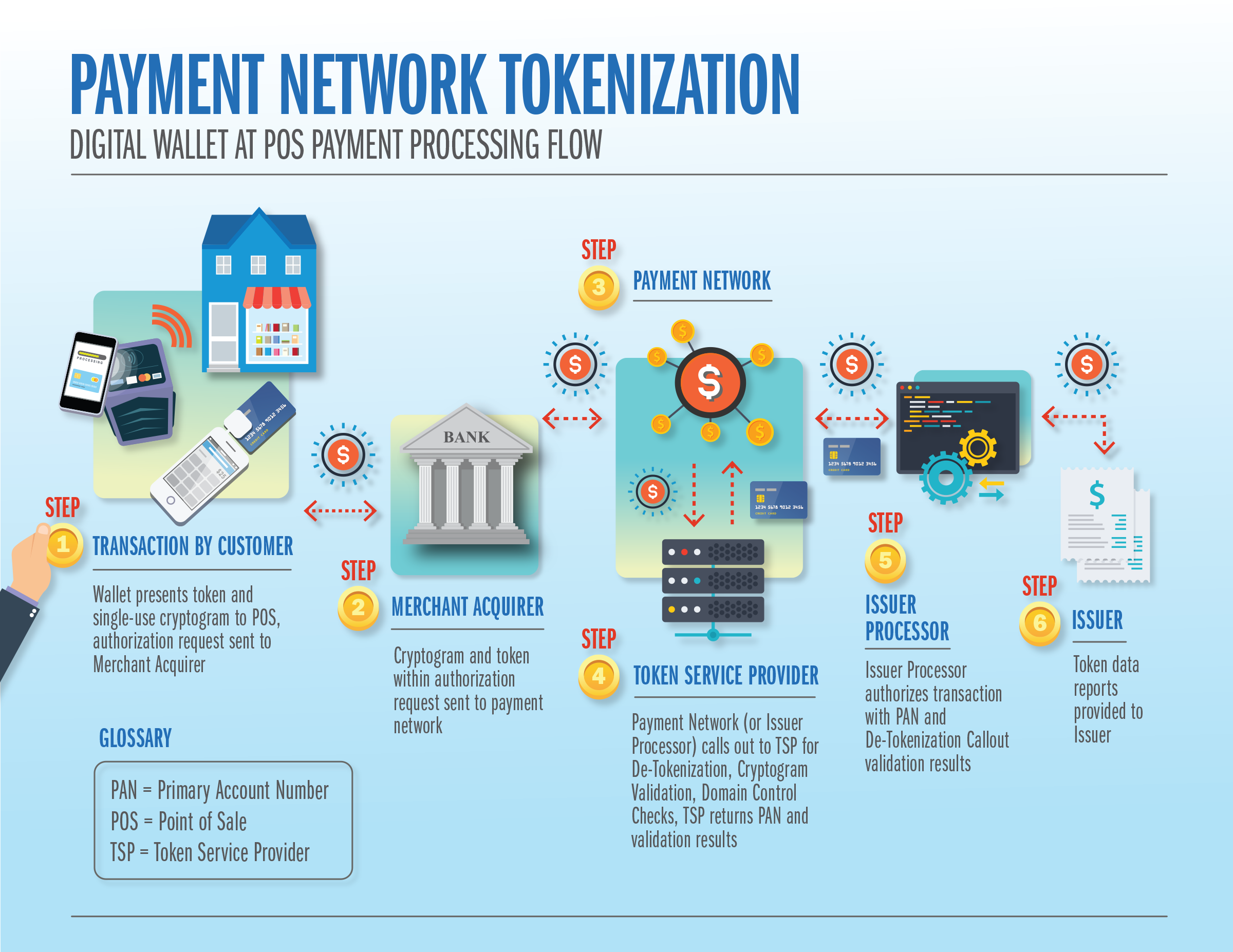
The versatility of network tokenization makes it applicable across a wide spectrum of industries and operational scenarios where sensitive data is regularly processed.
Payment Card Industry (PCI) Security
This is arguably the most recognized application of tokenization. E-commerce platforms, brick-and-mortar retailers, payment processors, and financial institutions heavily rely on tokenization to protect credit and debit card information. When a customer makes a purchase, their card details are immediately tokenized. Subsequent transactions (e.g., recurring billing, refunds) use only the token, ensuring that the actual card number is never stored on the merchant’s servers or processed by their applications. This significantly reduces the merchant’s PCI DSS compliance scope and protects customer data in the event of a breach.
Protecting Personally Identifiable Information (PII)
Beyond payment data, tokenization is increasingly used to protect other forms of PII across various sectors:
- Healthcare: Patient records, medical IDs, and insurance information can be tokenized to comply with HIPAA regulations, allowing for data sharing and analytics while protecting patient confidentiality.
- Customer Relationship Management (CRM): Companies can tokenize sensitive customer data like social security numbers, birth dates, or account numbers within their CRM systems, retaining essential identifiers for operational purposes without exposing the original data.
- Government and Public Sector: Protecting citizen data, tax information, and other sensitive records is critical for government agencies, and tokenization provides an effective layer of defense.
Internet of Things (IoT) and Edge Computing
The proliferation of IoT devices generates massive amounts of data, often from remote or less secure locations. Tokenization can be implemented at the edge or close to the source of data generation. For example, sensors collecting health metrics or industrial performance data can have sensitive elements tokenized before being transmitted over potentially insecure networks to cloud-based analytics platforms. This minimizes the risk during transit and at rest in potentially vulnerable edge devices or less controlled cloud environments.
Cloud Security
As more organizations migrate data and applications to multi-tenant cloud environments, securing sensitive information becomes paramount. Tokenization offers an additional layer of security by replacing sensitive data with tokens before it leaves the organization’s perimeter or within the cloud itself. This ensures that even if a cloud provider’s infrastructure is compromised, the sensitive customer or proprietary data held by the organization remains protected within its secure token vault, independent of the cloud vendor’s security posture.
Advantages and Considerations
While network tokenization offers significant benefits, successful implementation requires careful planning and an understanding of its unique characteristics and potential challenges.
Benefits Beyond Security
The advantages of network tokenization extend beyond just mitigating breach risks:
- Operational Efficiency: Tokens are often smaller and faster to process than encrypted data, leading to improved system performance, especially in high-volume transaction environments. Data operations, analytics, and reporting can proceed with tokens, reducing the computational load of decrypting and re-encrypting data.
- Flexibility and Data Utility: Tokenization allows for the secure reuse of data. A single token can represent a specific piece of data across multiple systems, enabling seamless integration and data sharing between applications without exposing the underlying sensitive information.
- Reduced Development Costs: By isolating sensitive data, developers can build applications that handle only tokens, simplifying their security requirements and potentially accelerating development cycles.
- Brand Reputation and Customer Loyalty: Demonstrating a commitment to robust data security practices through tokenization can significantly enhance an organization’s brand reputation and foster stronger customer loyalty.
Challenges and Implementation Best Practices
Despite its benefits, implementing network tokenization is not without its challenges:
- Integration Complexity: Integrating a tokenization system into existing IT infrastructure can be complex, requiring careful planning to ensure seamless operation with legacy systems, payment gateways, and data repositories.
- Token Vault Security: The token vault becomes the ultimate target for attackers. Its security must be absolutely paramount, involving multi-factor authentication, robust access controls, continuous monitoring, and physical security measures.
- Data Lifecycle Management: Managing the lifecycle of tokens and their corresponding original data, including retention, archival, and secure deletion, requires a well-defined strategy.
- Vendor Selection: Choosing a tokenization provider requires careful due diligence, considering their security certifications, scalability, performance, and ability to integrate with the organization’s specific technology stack.
- User Experience (UX): While security is paramount, it’s important to ensure that the tokenization process does not negatively impact the user experience, especially in customer-facing applications.
Tokenization vs. Encryption: A Complementary Relationship
It’s crucial to understand that tokenization and encryption are not mutually exclusive; rather, they are complementary security strategies that often work best when deployed together. Encryption protects data at rest and in transit by scrambling its contents, while tokenization removes sensitive data from the direct flow altogether, replacing it with an irreversible substitute.
In many robust security architectures, original sensitive data within the token vault is encrypted at rest using strong cryptographic algorithms. Data in transit to and from the tokenization engine is also typically encrypted (e.g., via TLS/SSL). This layered approach, combining the data replacement benefits of tokenization with the cryptographic strength of encryption, provides a far more resilient defense against data breaches than either method alone. Tokenization minimizes the exposure of sensitive data, while encryption protects the data where it absolutely must reside.

Conclusion
Network tokenization has firmly established itself as an indispensable tool in the modern cybersecurity arsenal. As organizations navigate the complexities of digital transformation, cloud adoption, and an ever-evolving threat landscape, the ability to isolate and protect sensitive data at its core becomes paramount. By effectively replacing vulnerable information with non-sensitive tokens, organizations can dramatically reduce their attack surface, simplify compliance, mitigate the impact of breaches, and foster greater trust with their stakeholders. While its implementation requires strategic planning and robust infrastructure, the long-term benefits in terms of enhanced security, operational efficiency, and regulatory peace of mind make network tokenization a foundational pillar of any comprehensive digital security strategy, enabling businesses to innovate and grow with confidence in an increasingly data-driven world.
aViewFromTheCave is a participant in the Amazon Services LLC Associates Program, an affiliate advertising program designed to provide a means for sites to earn advertising fees by advertising and linking to Amazon.com. Amazon, the Amazon logo, AmazonSupply, and the AmazonSupply logo are trademarks of Amazon.com, Inc. or its affiliates. As an Amazon Associate we earn affiliate commissions from qualifying purchases.