
In today’s fast-paced digital economy, businesses of all sizes are under constant pressure to optimize operations, improve efficiency, and make data-driven decisions. This demand has fueled the evolution of sophisticated technological solutions, among the most prominent being Enterprise Resource Planning (ERP) systems. At the forefront of cloud-based ERP, and indeed a pioneer in the concept, stands NetSuite. Often recognized as the world’s first cloud company, NetSuite offers a comprehensive suite of integrated applications designed to manage a company’s core business processes in a single, unified system. But beyond the buzzwords, what exactly is NetSuite, and how does this powerful platform function as a technological backbone for modern enterprises?
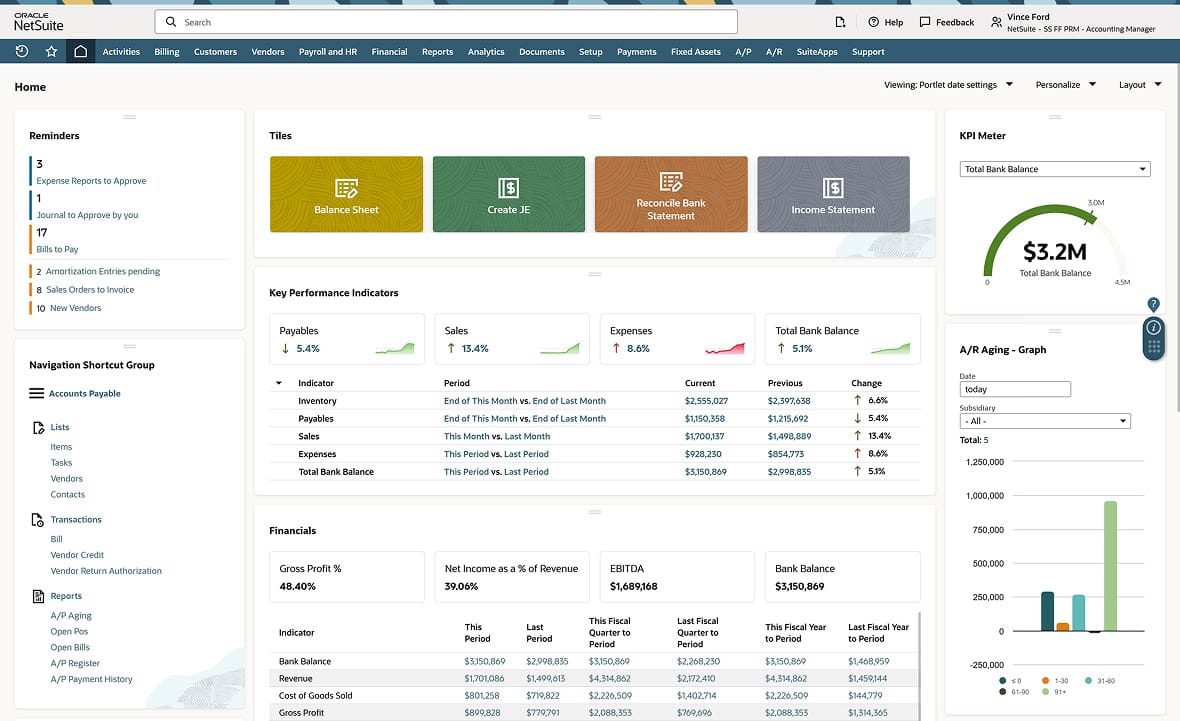
NetSuite is more than just accounting software or a CRM system; it is a holistic, end-to-end business management solution delivered entirely via the cloud. This means businesses can access their critical data and applications from anywhere, at any time, through a web browser. By integrating key functional areas—from finance and accounting to customer relationship management (CRM), e-commerce, human resources, and professional services automation (PSA)—NetSuite eliminates the inefficiencies and data silos often associated with disparate, legacy systems. Its core technological premise is to provide a single source of truth, enabling real-time visibility and control across an organization’s entire operational landscape.
The Evolution of Business Management Software
The journey to NetSuite’s sophisticated integrated platform is a testament to the continuous innovation in business technology, moving from fragmented applications to unified cloud-based ecosystems.
From Siloed Systems to Integrated Platforms
Historically, businesses relied on a patchwork of specialized software applications, each handling a specific function: one for accounting, another for sales management, a third for inventory, and so on. While these point solutions addressed immediate needs, they created significant challenges. Data often resided in isolated databases, making it difficult to get a consolidated view of business performance. Manual data entry between systems was common, leading to errors, delays, and a lack of real-time insights. This “siloed” approach stifled agility, hindered accurate forecasting, and ultimately limited an organization’s ability to scale effectively.
The response to these inefficiencies began with the advent of on-premise ERP systems in the 1990s, which aimed to integrate these disparate functions. However, these systems were notoriously complex, expensive to implement and maintain, and required significant IT infrastructure and expertise. They were largely inaccessible to small and medium-sized businesses (SMBs) due to their prohibitive costs and resource demands.
The Rise of Cloud Computing in ERP
The game-changer came with the proliferation of the internet and the subsequent rise of cloud computing in the early 2000s. Cloud computing fundamentally altered the software delivery model, shifting from licensed software installed on local servers to subscription-based services hosted and managed by a third party. NetSuite, founded in 1998, was prescient in recognizing this paradigm shift. It was built from the ground up as a cloud-native, multi-tenant ERP solution, meaning a single instance of the software and its supporting infrastructure serves multiple customers. This innovative approach offered several compelling advantages: reduced upfront costs, eliminated the need for in-house servers and maintenance, automatic updates and upgrades, and ubiquitous access.
The cloud model not only democratized access to powerful ERP capabilities for SMBs but also provided enterprises with unprecedented flexibility and scalability. It marked a pivotal moment where business software transitioned from being a cumbersome IT burden to a nimble, accessible, and strategically empowering tool.
Understanding NetSuite’s Core Architecture
At the heart of NetSuite’s power is its architecture, which brings together diverse business functions into a singular, cohesive environment.
A Unified Cloud ERP Platform
NetSuite’s fundamental technological strength lies in its unified platform approach. Unlike modular systems that are merely linked together, NetSuite was engineered from day one as a single database, a single system, and a single version of the truth. This architecture means that all business data—whether from sales, finance, operations, or customer service—resides in a shared, centralized repository. When a transaction occurs in one module (e.g., a sale in CRM), its financial implications are immediately reflected in the accounting module, and its impact on inventory is updated in real-time. This seamless integration eliminates data redundancy, reconciliation issues, and the delays inherent in transferring information between separate systems.
Key Modules and Functionalities
NetSuite is not a monolithic application but rather a suite of seamlessly integrated modules designed to support every critical aspect of a business. These include:
-
Financial Management: Core accounting functionalities like general ledger, accounts payable/receivable, fixed asset management, tax management, and financial planning.
-
Customer Relationship Management (CRM): Sales force automation, customer service and support, marketing automation, and partner relationship management.
-
Enterprise Resource Planning (ERP): Supply chain management, inventory management, order management, procurement, and warehouse management.
-
Professional Services Automation (PSA): Project management, resource management, time and expense tracking, and project accounting, vital for service-based businesses.
-
E-commerce (SuiteCommerce): Integrated online storefronts, order processing, content management, and customer self-service portals.
-
Human Capital Management (HCM): Core HR functionalities, payroll, and employee management.
-
Business Intelligence (BI) and Analytics: Robust reporting tools, dashboards, and analytics capabilities provide real-time insights into business performance across all integrated modules.
The beauty of this modular design within a unified platform is that businesses can implement the specific functionalities they need and scale up by adding more modules as they grow, all without introducing new systems or data silos.
The Power of a Single Data Source
The concept of a “single source of truth” is not merely a theoretical advantage; it’s a profound technological benefit that underpins NetSuite’s value proposition. By having all operational and financial data in one centralized database, businesses gain unparalleled visibility and control. This enables:
-
Real-time Reporting: Financial statements, sales reports, inventory levels, and project statuses are always current, allowing for immediate response to changes.
-
Accurate Forecasting: With comprehensive historical data and current trends, forecasting becomes more precise, aiding strategic planning.
-
Enhanced Auditability: A complete audit trail across all transactions ensures compliance and transparency.
-
Improved Decision-Making: Executives and managers have access to a holistic view of the business, empowering them to make informed decisions quickly.
This architectural principle fundamentally transforms how businesses understand and interact with their own data, shifting from reactive problem-solving to proactive strategic management.
Key Technological Advantages and Features
NetSuite’s cloud-native architecture delivers a host of technological advantages that translate directly into operational and strategic benefits for its users.
Scalability and Flexibility for Growth
One of NetSuite’s most compelling technological attributes is its inherent scalability. As a multi-tenant cloud solution, it can effortlessly accommodate a company’s growth, from a small startup to a global enterprise with thousands of users and millions of transactions. The underlying infrastructure is managed and scaled by NetSuite (now Oracle NetSuite), relieving businesses of the burden of forecasting their own IT infrastructure needs. This “grow-as-you-go” model means companies can expand their operations, add new divisions, enter new markets, or increase transaction volumes without needing to overhaul their core business system. Furthermore, its flexibility allows businesses to adapt the platform to their unique processes and industry requirements, rather than being forced into a rigid, off-the-shelf solution.

Real-time Data Analytics and Reporting
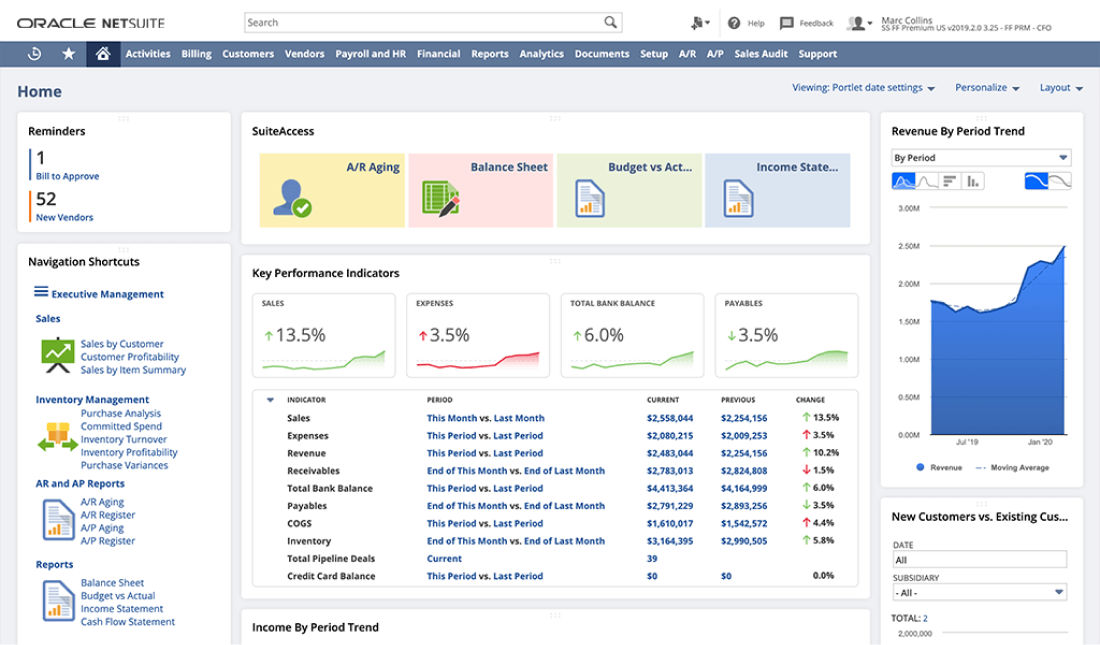
In the age of big data, the ability to extract meaningful insights in real-time is paramount. NetSuite excels here, leveraging its single database architecture to provide powerful, embedded business intelligence. Users can create customizable dashboards populated with key performance indicators (KPIs), generate on-demand reports, and drill down into transactional details instantly. This capability allows every department, from finance to sales to operations, to monitor performance, identify trends, and detect anomalies as they happen. The result is a shift from backward-looking analysis to forward-looking strategic management, where decisions are informed by the most current and comprehensive data available.
Customization and Extensibility (SuiteFlex, SuiteFlow, SuiteTalk)
While NetSuite offers robust out-of-the-box functionality, its true power lies in its deep customization and extensibility options, collectively known as SuiteCloud. These tools empower businesses to tailor the platform precisely to their unique workflows and integration needs without compromising the core upgrade path:
-
SuiteFlex: Enables the customization of forms, fields, records, and reports to match specific business requirements.
-
SuiteFlow: A powerful workflow engine that allows businesses to automate complex processes, define approval hierarchies, and streamline tasks without writing code. This low-code/no-code approach makes process automation accessible to business users.
-
SuiteTalk: A robust set of APIs (Application Programming Interfaces) that facilitates seamless integration with third-party applications and external systems. This is crucial for businesses that need to connect NetSuite with specialized industry solutions, legacy systems, or other cloud services.
-
SuiteScript: For developers, SuiteScript (based on JavaScript) provides the ultimate flexibility to build custom applications, add advanced logic, and extend NetSuite’s functionality far beyond its standard capabilities.
These tools ensure that NetSuite remains adaptable and future-proof, capable of evolving alongside changing business needs and technological landscapes.
Global Capabilities and Compliance
For businesses operating across borders, NetSuite provides built-in global capabilities that are essential for managing international operations. This includes multi-currency support, multi-language interfaces, and compliance with local tax regulations and accounting standards (e.g., GAAP, IFRS). Its ability to manage multiple subsidiaries and legal entities within a single instance, while providing consolidated financial reporting, simplifies complex international business structures. This global readiness eliminates the need for separate systems in different regions, further enhancing data consistency and operational efficiency worldwide.
NetSuite’s Impact on Modern Business Operations
The technological advancements embedded in NetSuite translate into profound impacts on how businesses operate day-to-day and strategically plan for the future.
Streamlining Business Processes
The most immediate impact of implementing NetSuite is the streamlining of business processes. By integrating functions like order-to-cash, procure-to-pay, and lead-to-fulfillment, NetSuite eliminates manual handoffs, data re-entry, and bottlenecks. For example, when a sales order is created in CRM, it automatically triggers inventory checks, generates pick lists for the warehouse, initiates invoicing, and updates financial records. This automation significantly reduces cycle times, minimizes human error, and frees up employees from tedious, repetitive tasks, allowing them to focus on more strategic activities.
Enhancing Data-Driven Decision Making
With a single source of truth and real-time analytics, NetSuite empowers every level of an organization to make better, faster decisions. Sales teams can access up-to-the-minute customer information and inventory availability; finance teams can generate accurate forecasts and manage cash flow proactively; operations managers can optimize supply chains based on current demand and production capacities. This pervasive access to actionable data transforms decision-making from intuition-based to data-driven, leading to more effective strategies and improved outcomes.
Driving Operational Efficiency and Cost Reduction
The operational efficiencies gained through automation and integration directly translate into significant cost reductions. Reduced manual labor, fewer errors, optimized inventory levels, and improved supply chain management all contribute to a leaner, more efficient operation. Furthermore, the cloud model itself reduces IT infrastructure costs, hardware maintenance, and specialized IT staffing requirements. Businesses can reallocate these saved resources towards innovation, growth, or other strategic initiatives, enhancing overall profitability.
Future-Proofing Business Technology
Investing in a platform like NetSuite is an investment in future-proofing a company’s technological foundation. As a cloud-native solution, NetSuite automatically receives regular updates and new features, ensuring businesses always have access to the latest innovations without the burden of manual upgrades. Its scalability ensures the system can grow with the business, and its extensibility allows it to adapt to evolving market demands and technological shifts. This continuous evolution means businesses can remain competitive and agile, ready to embrace new opportunities and challenges in the ever-changing digital landscape.
Who Benefits from NetSuite? Identifying Target Industries and Sizes
While its comprehensive feature set might seem overwhelming for some, NetSuite’s design and scalability make it suitable for a broad spectrum of organizations.
Small to Medium-Sized Businesses (SMBs)
Contrary to popular belief that ERP systems are exclusively for large corporations, NetSuite has a strong appeal for SMBs. Its cloud-based, subscription model makes it accessible without the massive upfront capital expenditures associated with traditional on-premise ERP. For SMBs experiencing rapid growth, NetSuite offers a scalable solution that can consolidate fragmented systems, provide critical financial oversight, and automate processes to support expansion without hiring a disproportionate amount of administrative staff. It allows them to leverage enterprise-grade capabilities that were once out of reach.
Enterprise-Level Organizations
Large enterprises also significantly benefit from NetSuite, particularly those seeking to modernize their legacy systems, consolidate global operations, or improve agility. For complex organizations with multiple subsidiaries, varied business units, or international presence, NetSuite’s multi-company, multi-currency, and multi-language capabilities are invaluable for achieving a unified view and centralized control. Its robust customization and integration tools also allow it to fit into sophisticated enterprise IT landscapes, connecting with other critical business applications.
Diverse Industry Applications
NetSuite’s flexible architecture and comprehensive module suite make it adaptable across a wide array of industries, each finding specific benefits:
-
Software and Technology: Project management, revenue recognition, and subscription billing.
-
Manufacturing: Production planning, supply chain management, and inventory optimization.
-
Retail: Omnichannel commerce, inventory management across multiple locations, and customer engagement.
-
Wholesale Distribution: Order management, warehouse management, and optimized logistics.
-
Professional Services: Project accounting, resource management, and time and expense tracking.
-
Non-Profits: Fund accounting, grant management, and donor relationship management.
Essentially, any business grappling with disparate systems, lacking real-time visibility, struggling with manual processes, or experiencing rapid growth can find significant value in NetSuite’s integrated technological solution. It serves as a foundational platform that streamlines operations, fosters informed decision-making, and ultimately drives sustainable growth in the digital age.
aViewFromTheCave is a participant in the Amazon Services LLC Associates Program, an affiliate advertising program designed to provide a means for sites to earn advertising fees by advertising and linking to Amazon.com. Amazon, the Amazon logo, AmazonSupply, and the AmazonSupply logo are trademarks of Amazon.com, Inc. or its affiliates. As an Amazon Associate we earn affiliate commissions from qualifying purchases.