
In the landscape of alternative investments, few assets carry the historical weight and enduring cultural capital of nephrite jade. Often overshadowed in Western headlines by diamonds or gold, nephrite jade—traditionally known in the East as the “Stone of Heaven”—has emerged as a sophisticated vehicle for wealth preservation and long-term capital appreciation. For the modern investor, understanding what nephrite jade is requires looking past its aesthetic beauty and into its role as a hard asset within the global commodities and collectibles market.
Unlike speculative digital assets, nephrite jade possesses an intrinsic value rooted in scarcity, durability, and a 5,000-year-old market history. This article explores the economic foundations of nephrite jade, its market dynamics, and how it functions as a strategic component of a diversified financial portfolio.

The Economics of Nephrite Jade: Beyond the Aesthetic
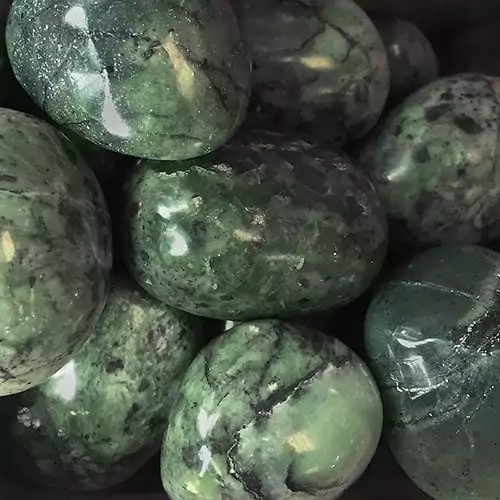
To understand nephrite jade from a financial perspective, one must first distinguish it from its cousin, jadeite. While both are referred to as “jade,” they are mineralogically distinct. Nephrite is an amphibole mineral (calcium magnesium iron silicate), known for its extreme toughness—a property that makes it more resistant to fracturing than almost any other natural stone. This physical durability translates directly into economic “durability,” as the asset is nearly impossible to destroy.
Historical Value Retention
Historically, nephrite was the original jade of ancient China, used for currency, ritual objects, and symbols of status long before jadeite was imported from Burma in the 18th century. In the context of “Money,” nephrite acts similarly to gold; it is a portable, tangible store of value. During periods of currency fluctuation or geopolitical instability, high-grade nephrite has historically retained its purchasing power, particularly in Asian markets where it is viewed as a “safe haven” asset.
Nephrite vs. Jadeite: Understanding Market Tiers
In the hierarchy of gemstones, jadeite often commands higher prices at auction for “Imperial Green” translucent pieces. However, nephrite occupies a more stable, accessible, and increasingly lucrative middle-to-high market tier. While jadeite is often treated as a luxury “fashion” or “high-jewelry” investment, nephrite is frequently traded as a “scholar’s asset”—favored for its oily luster (the “mutton fat” texture) and its connection to heritage. For the investor, nephrite offers a lower barrier to entry than top-tier jadeite but provides a comparable trajectory of steady, long-term appreciation.
Market Dynamics and Value Drivers
The valuation of nephrite jade is not governed by a centralized exchange like the London Metal Exchange. Instead, it is driven by provenance, scarcity, and the socioeconomic shifts of its primary consumer base.
Scarcity and Provenance: Hetian vs. British Columbia
In the world of nephrite, “location” is the ultimate price multiplier. The most coveted nephrite comes from the Hetian (Hotan) region of Xinjiang, China. River-sourced “seed jade” from this region has seen price increases that outperform many traditional equities over the last two decades. As these deposits become exhausted, the market has shifted its gaze to “mountain jade” and international sources.
Canada (British Columbia) and Russia are currently the primary global suppliers of industrial-grade and jewelry-grade nephrite. For a business-minded collector, Canadian nephrite represents a “growth” play. It is relatively undervalued compared to Xinjiang jade but is gaining traction as the “green gold” of the West. Identifying the provenance of a piece is the first step in performing due diligence on its potential ROI.
The “China Factor” in Global Demand
The primary engine of the nephrite market is the Chinese middle and upper class. As China’s domestic wealth has grown, so has the demand for cultural assets. Nephrite jade is deeply embedded in the “Guochao” (national tide) trend, where young, affluent consumers are reclaiming traditional luxury. This demographic shift has created a massive liquidity pool for nephrite assets. When the Chinese economy is bullish, the price of nephrite often spikes; however, even during cooling periods, the cultural necessity of jade for gifts, weddings, and dowries provides a robust “price floor” that many other gemstones lack.

Investing in Nephrite: Strategies for Success
Investing in nephrite jade requires a different mental framework than trading stocks or bonds. It is a high-conviction, illiquid asset that rewards patience and expertise.
Raw Material vs. Finished Art
An investor can enter the nephrite market through two primary avenues: raw boulders (speculative) or finished carvings (value-added).
- Raw Material: Buying “rough” jade is a play on the commodity itself. Large-scale investors often purchase tons of Canadian or Russian nephrite, betting on the future increase in mining costs and the depletion of easily accessible veins.
- Finished Art: This involves purchasing pieces carved by “Master Carvers.” Here, the value is a combination of the material’s quality and the “brand equity” of the artist. Much like a signed painting, a nephrite piece carved by a recognized master can appreciate significantly faster than the raw stone alone.
Grading and Certification Standards
One of the historical challenges in the jade market was the lack of standardized grading. However, modern investors now utilize sophisticated laboratory certifications (such as the NGTC in China or GIA in the West) to verify that the stone is “Type A”—meaning it is natural and untreated.
From a financial standpoint, “Type B” (bleached/polymer-impregnated) or “Type C” (dyed) jade has zero investment value. A professional investor must ensure every acquisition is backed by spectroscopic analysis to protect their capital from the “lemon” market of treated stones.
Risks and Portfolio Diversification
No investment is without risk, and nephrite jade is no exception. Its role in a portfolio is generally as a “wealth hedge” rather than a primary growth engine.
Liquidity Challenges in the Gemstone Market
The most significant risk in jade investment is liquidity. Unlike a stock that can be sold at the click of a button, selling a high-value nephrite carving requires finding the right buyer—often through auction houses like Sotheby’s or Christie’s, or through specialized dealers. This “exit strategy” can take months or even years. Therefore, nephrite should only represent a small percentage (typically 2-5%) of a high-net-worth individual’s total portfolio, serving as a long-term generational asset.
Counterfeiting and Due Diligence
The high value of nephrite has led to a sophisticated market for simulants, such as serpentine or “quartzite jade.” For the business-minded individual, the cost of due diligence is a mandatory business expense. This includes professional appraisals and third-party verification. The “Money” niche of jade is unforgiving to the uninformed; success is predicated on the ability to distinguish between a genuine geological rarity and a mass-produced synthetic.
The Future Outlook for Nephrite Jade Assets
Looking ahead, the nephrite jade market is poised for a digital and ethical transformation that will likely influence its valuation.
Emerging Markets and ESG Considerations
As Environmental, Social, and Governance (ESG) criteria become more important to investors, the nephrite industry is under pressure to modernize. Ethical mining practices in British Columbia, which adhere to strict environmental regulations, are becoming a selling point for Western investors who are wary of the “blood diamond” or unregulated mining narratives. A “certified ethical” nephrite source could eventually command a premium in the global market, similar to “fair-trade” gold.
The Digitalization of the Gemstone Trade
We are seeing the rise of fractional ownership and blockchain-based provenance for high-value gemstones. While still in its infancy, the tokenization of a multi-million dollar nephrite boulder could solve the liquidity issues mentioned earlier. By allowing multiple investors to own a “share” of a master-carved piece, the market opens up to a broader range of capital. For the tech-savvy financial professional, the intersection of ancient jade and modern fintech represents a frontier of untapped potential.
In conclusion, nephrite jade is far more than a decorative stone; it is a complex financial instrument with deep historical roots and a promising future. By understanding the nuances of its chemistry, the geography of its supply, and the cultural drivers of its demand, investors can successfully navigate this niche market. Whether used as a hedge against inflation or a centerpiece of a cultural asset portfolio, nephrite jade remains one of the most resilient and fascinating “hard money” assets in the world today.
aViewFromTheCave is a participant in the Amazon Services LLC Associates Program, an affiliate advertising program designed to provide a means for sites to earn advertising fees by advertising and linking to Amazon.com. Amazon, the Amazon logo, AmazonSupply, and the AmazonSupply logo are trademarks of Amazon.com, Inc. or its affiliates. As an Amazon Associate we earn affiliate commissions from qualifying purchases.