
The pursuit of a career in dental hygiene is frequently framed as a journey of clinical mastery and patient care. However, from a professional finance and career-planning perspective, entering this field requires a sophisticated understanding of capital investment, return on investment (ROI), and long-term wealth management. To succeed in the modern economic landscape as a dental hygienist, one must look beyond the scaler and the chair to understand the financial mechanics that underpin this high-demand healthcare role.
The Initial Capital Outlay: Navigating the Cost of Entry
Becoming a dental hygienist is not merely an educational pursuit; it is a significant financial investment. The “what is needed” in this context refers to the liquidity and credit required to fund a specialized education that bridges the gap between academic theory and clinical practice. Unlike general liberal arts degrees, dental hygiene programs require specific clinical fees, equipment purchases, and licensing costs that can significantly impact a student’s initial balance sheet.
Associate vs. Bachelor’s Degree: An ROI Analysis
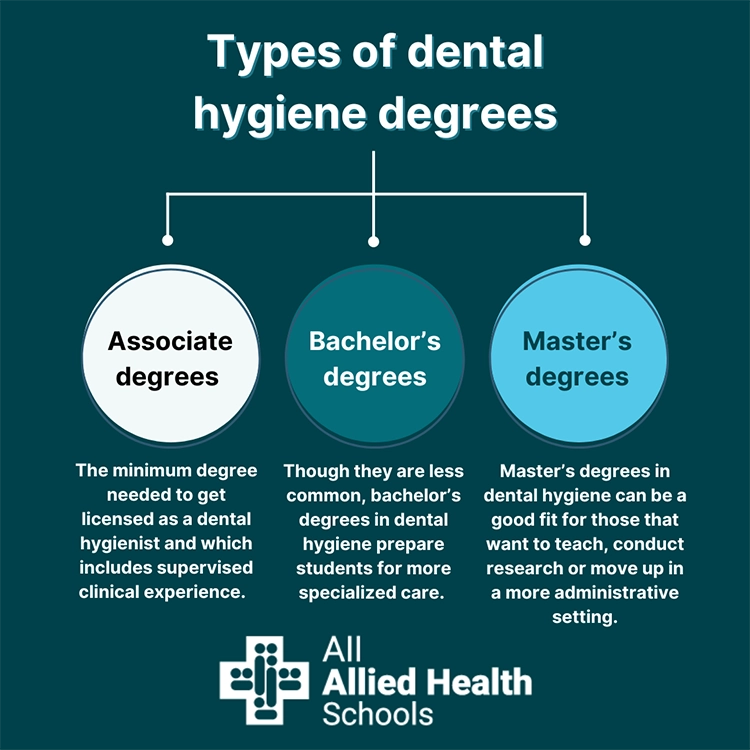
The first financial decision an aspiring hygienist must make is the choice between an Associate of Applied Science (AAS) in Dental Hygiene and a Bachelor of Science (BS). From a personal finance standpoint, the AAS is often viewed as the higher-velocity path to income. It typically takes two to three years and allows the professional to enter the workforce faster, beginning the “earning phase” of their life cycle sooner.
However, a Bachelor’s degree, while requiring a higher upfront investment of both time and tuition, offers a broader “economic moat.” It qualifies the professional for roles in corporate dentistry, research, and education—sectors that often provide higher ceiling salaries and more robust benefit packages. When calculating the ROI, one must consider not just the starting hourly wage, but the long-term career trajectory and the potential for pivot-income in non-clinical settings.
Hidden Costs and Licensing Capital
Aspiring professionals often overlook the ancillary costs of entry. Beyond tuition, a student needs to budget for high-quality loupes (surgical telescopes), which can cost between $1,000 and $3,000, and clinical instrument kits. Furthermore, the path to licensure involves rigorous board examinations. Between the National Board Dental Hygiene Examination (NBDHE) and regional clinical exams (such as WREB or CDCA), a candidate may need to deploy $2,000 to $4,000 in testing fees alone. Understanding these “hidden” startup costs is essential for a realistic financial plan.
Maximizing Revenue: The Mechanics of Dental Hygiene Salaries
Once the educational investment is made, the focus shifts to revenue generation. Dental hygiene is unique in that it offers a high starting salary relative to the required years of schooling, but it also features a “plateau effect” where income can stagnate if the professional does not understand how to negotiate and optimize their compensation structure.
Understanding Compensation Models: Hourly vs. Commission
What is needed to thrive financially is a deep understanding of how dental practices account for hygiene production. Most hygienists are paid on an hourly basis, providing a stable and predictable cash flow. However, some progressive practices offer a “base plus commission” or “percentage of production” model.
In a production-based model, the hygienist is paid a percentage of the revenue they generate for the practice (typically through cleanings, X-rays, sealants, and periodontal treatments). For a high-efficiency clinician, this can result in a significantly higher effective hourly rate. Understanding the “business of the chair” allows a hygienist to track their daily production and use those metrics as leverage during annual performance reviews to justify salary increases.
Geographic Arbitrage and Market Demand
The “where” of your practice is just as important as the “how.” The dental hygiene market is highly localized. Geographic arbitrage—the practice of living in an area with a low cost of living while working in a high-demand, high-wage zone—is a powerful tool for dental professionals. Factors such as state-mandated scope of practice, the density of dental schools in the area, and local cost-of-living indices dictate the real value of a hygienist’s paycheck. Researching Bureau of Labor Statistics (BLS) data for specific metropolitan areas is a prerequisite for any hygienist looking to maximize their net worth.
Diversifying Income Streams: Side Hustles and Business Opportunities
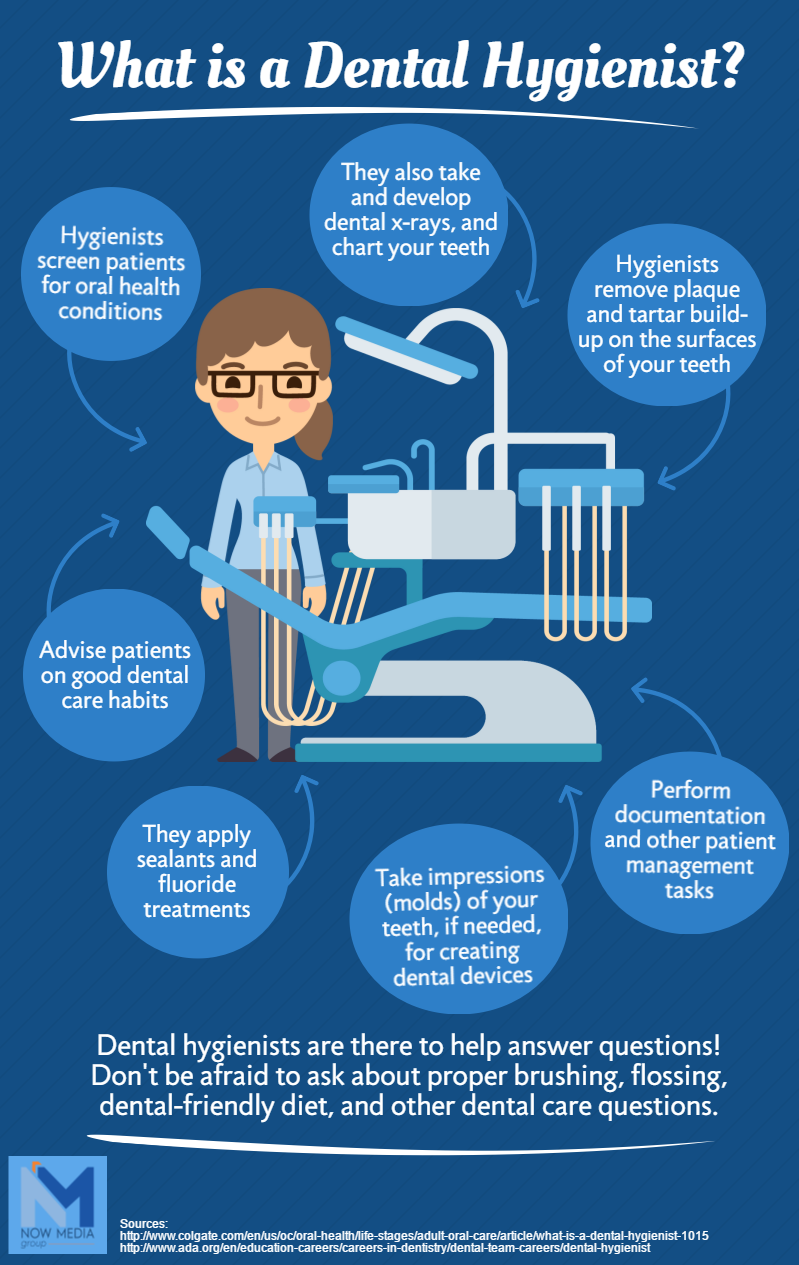
In the modern economy, relying on a single source of income—even a high-paying one—is a financial risk. For dental hygienists, “what is needed” to reach financial independence often involves leveraging their specialized knowledge into secondary revenue streams. The physical nature of the job means that longevity can be an issue; therefore, building “passive” or “low-impact” income is a savvy move.
The Lucrative World of Temping and Agency Work
One of the most effective “side hustles” for a hygienist is clinical temping. High-demand periods, such as flu season or summer vacations, create gaps in dental office schedules. By working with a staffing agency or using on-demand dental staffing apps, a hygienist can pick up extra shifts at a premium rate. In many markets, “temp” rates are significantly higher than “permanent” hourly rates, allowing a focused professional to front-load their savings or accelerate debt repayment.
Corporate Consulting and Clinical Sales
Hygienists are often the primary influencers in a dental office regarding the products patients buy. This expertise is highly valuable to dental supply companies and pharmaceutical firms. Transitioning into a role as a clinical educator or sales representative for companies that manufacture electric toothbrushes, whitening systems, or bone grafting materials can lead to a lucrative corporate career. These roles often come with performance bonuses and stock options, which are rarely available in traditional private practice settings.
Long-Term Wealth Management and Financial Security
Because dental hygiene is a physically demanding profession, financial planning must include a strategy for “career longevity” and eventual “exit.” A hygienist’s most valuable asset is their physical ability to perform fine motor tasks; protecting that asset through insurance and diversified investing is mandatory.
Disability Insurance: Protecting Your Human Capital
What is needed for every dental hygienist is a robust “own-occupation” disability insurance policy. The risk of carpal tunnel syndrome, neck strain, or back injuries is statistically higher in this field than in many others. A standard disability policy may not be enough; an “own-occupation” rider ensures that if you cannot perform the specific duties of a dental hygienist, the policy will pay out, even if you are technically capable of working in a different, lower-paying field. This is a critical component of a professional’s “defensive” financial strategy.
Retirement Planning for the Self-Employed or Small Practice Employee
Many dental hygienists work for small private practices that may not offer a 401(k) with a company match. In these instances, the professional must take the initiative to manage their own retirement vehicles. Utilizing a Roth IRA or a Simplified Employee Pension (SEP) IRA (if working as an independent contractor or “temp”) is essential.
The goal for any dental hygienist should be to move as much of their high hourly earnings into appreciating assets as possible. Because the career often starts with a high income at a young age, the power of compound interest is particularly potent. Investing even a small percentage of each paycheck into a low-cost S&P 500 index fund early in one’s career can lead to a multi-million dollar nest egg, providing the financial freedom to reduce clinical hours or retire early if the physical demands of the job become too great.
The Business of Continuing Education: Investing in Intellectual Property
Finally, a dental hygienist must view their license as a business asset that requires regular “R&D” (Research and Development). Continuing Education (CE) is not just a regulatory requirement; it is a way to increase your market value.
Specialization as a Revenue Driver
Hygienists who invest in certifications for local anesthesia, nitrous oxide administration, or laser periodontal therapy can command higher wages. These skills allow the practice to perform more complex procedures and bill insurance at higher rates, making the hygienist an indispensable part of the practice’s revenue cycle. When you add a new skill to your repertoire, you are effectively upgrading your “human capital,” which should be followed by a formal request for a compensation adjustment.

Tax Strategy for the Professional Hygienist
For those who work as independent contractors or travel between multiple offices, understanding the tax code is vital. Many professional expenses—from the cost of scrubs and laundry to CE courses and professional organization dues—are potentially tax-deductible. Working with a tax professional who understands the healthcare sector can save a hygienist thousands of dollars annually, effectively increasing their take-home pay without requiring more hours at the chair.
In conclusion, “what is needed” to be a dental hygienist in the 21st century is a dual-focus approach. While clinical excellence is the foundation, financial literacy is the architecture that allows a professional to build a stable, prosperous, and long-lasting career. By treating their career as a business, optimizing their income streams, and aggressively managing their investments, dental hygienists can enjoy one of the most financially rewarding paths in the healthcare industry.
aViewFromTheCave is a participant in the Amazon Services LLC Associates Program, an affiliate advertising program designed to provide a means for sites to earn advertising fees by advertising and linking to Amazon.com. Amazon, the Amazon logo, AmazonSupply, and the AmazonSupply logo are trademarks of Amazon.com, Inc. or its affiliates. As an Amazon Associate we earn affiliate commissions from qualifying purchases.