
In the world of global finance, few names carry as much weight, prestige, and influence as Nasdaq. For the seasoned investor, it is a daily pulse check on the health of the technology sector. For the novice, it is often a synonymous term for “the stock market” itself. However, Nasdaq is much more than a simple ticker tape or a collection of high-growth companies. It is a sophisticated financial ecosystem that revolutionized how securities are traded and how wealth is generated in the 21st century.
Originally an acronym for the National Association of Securities Dealers Automated Quotations, Nasdaq has evolved from a humble electronic bulletin board into the second-largest stock exchange in the world by market capitalization. To understand Nasdaq is to understand the engine of modern capitalism, particularly the sectors that drive innovation, disruption, and rapid wealth creation.

Understanding Nasdaq: More Than Just a Stock Exchange
At its core, Nasdaq operates as a global electronic marketplace for buying and selling securities. Unlike traditional exchanges that historically relied on physical trading floors and shouting “open outcry” systems, Nasdaq was built on the premise of speed, transparency, and automation.
The Origins of the World’s First Electronic Exchange
Founded in 1971 by the National Association of Securities Dealers (NASD), Nasdaq broke the mold of traditional finance. At its inception, it didn’t even have a physical trading floor. Instead, it used a computerized system to provide price quotes for stocks that were traded “over-the-counter” (OTC). This innovation essentially democratized information, allowing investors to see current prices without having to call a broker who was physically standing on a floor in Lower Manhattan.
Throughout the 1980s and 1990s, Nasdaq became the preferred home for the burgeoning technology sector. While the older, more established companies preferred the prestige of the New York Stock Exchange (NYSE), young, disruptive firms like Microsoft, Apple, and Intel chose Nasdaq. This cemented its reputation as the “growth” exchange—a place where the future was being built.
Nasdaq vs. the NYSE: Key Differences for Investors
For an investor looking at their portfolio, the difference between the NYSE and Nasdaq might seem academic, but the underlying structures affect how your trades are executed. The NYSE is primarily an “auction market,” where buyers and sellers trade directly with each other, mediated by a specialist.
In contrast, Nasdaq is a “dealer market.” In this model, “market makers” hold inventories of specific stocks and stand ready to buy or sell from market participants. This ensures liquidity—the ability to buy or sell a stock quickly without causing a massive swing in price. Furthermore, while the NYSE is famous for its iconic ringing bell on Wall Street, Nasdaq is entirely virtual, with its data centers serving as the heart of the operation.
The Core Indices: Tracking Market Performance
When financial news anchors say, “The Nasdaq is up today,” they aren’t usually referring to the company that owns the exchange (Nasdaq, Inc.). They are referring to one of the major stock market indices that track the performance of companies listed on the exchange. These indices are vital tools for personal finance, helping investors benchmark their own performance against the broader market.
The Nasdaq Composite: A Broad Look at Growth
The Nasdaq Composite is the most expansive of the exchange’s indices. it includes nearly every stock listed on the Nasdaq exchange—over 3,000 companies. Because the exchange is heavily weighted toward technology, consumer services, and healthcare, the Composite is often used as a barometer for the “growth” side of the economy.
If you are invested in a diversified portfolio, the Nasdaq Composite tells you how the aggressive, innovative portion of your holdings is faring. It is more volatile than the Dow Jones Industrial Average because it isn’t limited to “Blue Chip” industrial giants; it includes everything from small-cap biotech startups to trillion-dollar tech titans.
The Nasdaq-100: The Power of Large-Cap Innovation
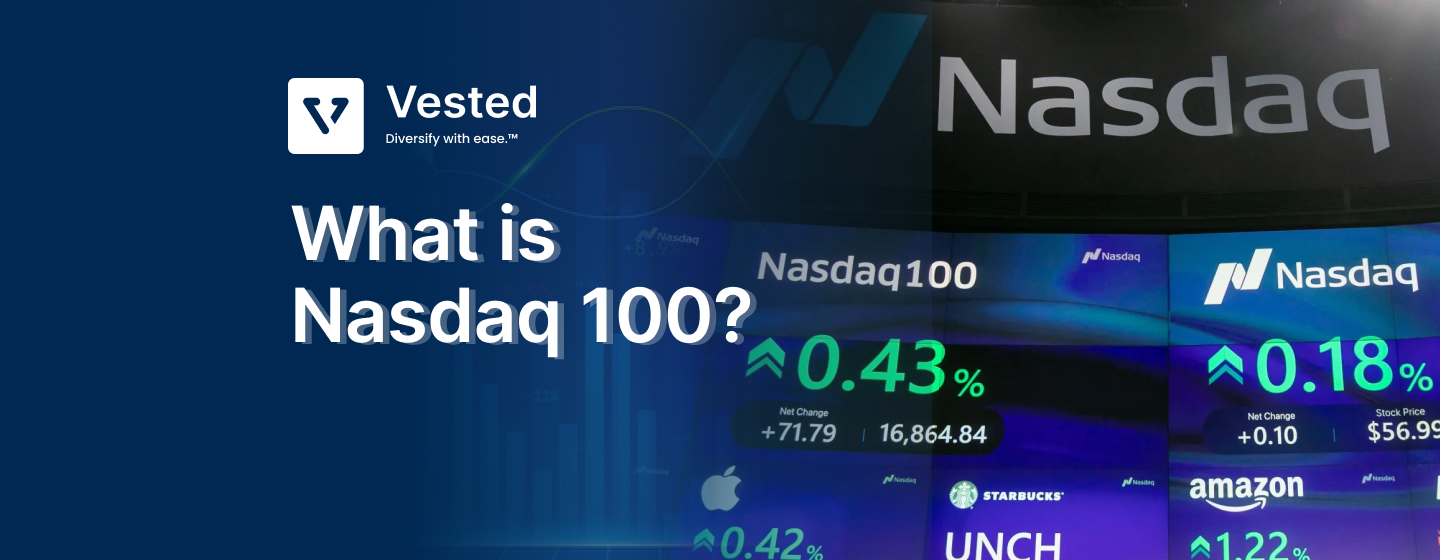
The Nasdaq-100 is arguably the more popular index for active traders and ETF investors. It consists of the 100 largest non-financial companies listed on the Nasdaq exchange. By excluding banks and investment firms, the Nasdaq-100 focuses purely on the “real economy” sectors like technology, retail, healthcare, and biotechnology.
This index includes the famous “Magnificent Seven”—companies like Nvidia, Amazon, and Meta. For many investors, the Nasdaq-100 represents the pinnacle of corporate success. It is the home of companies that have moved beyond the startup phase and have become global behemoths with massive cash flows and dominant market shares.
How Nasdaq Functions in the Modern Investment Landscape
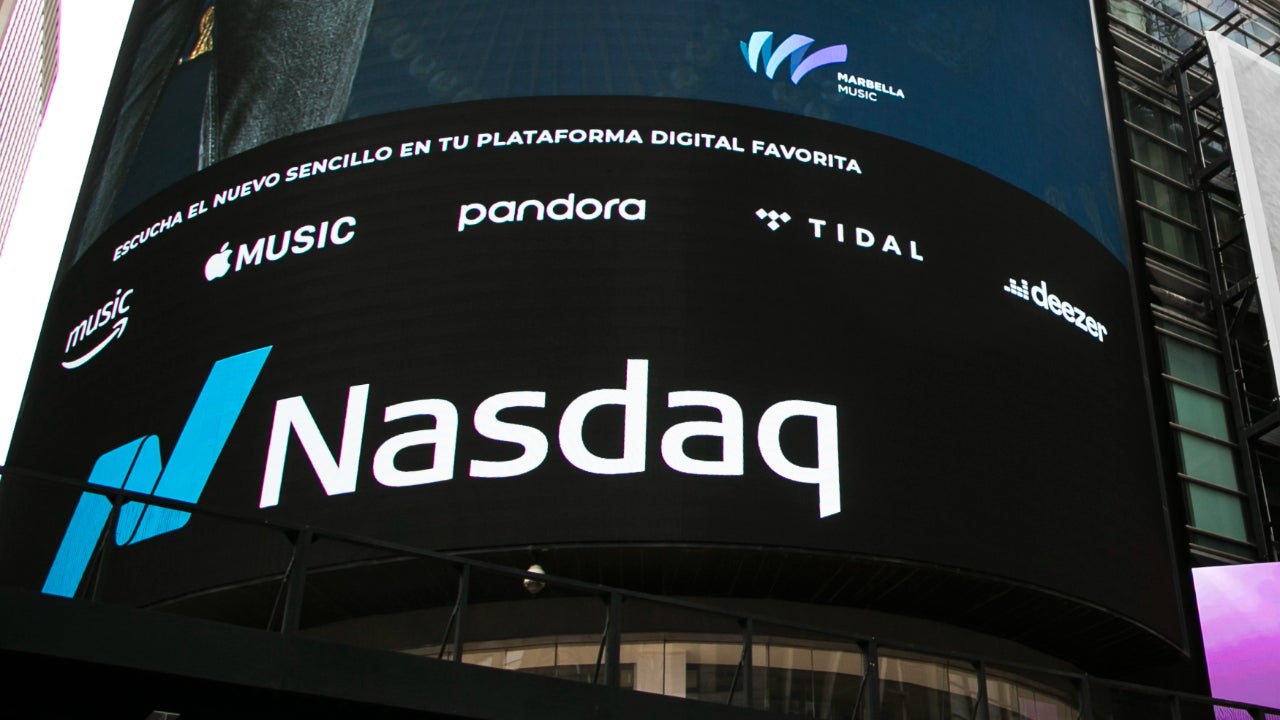
Beyond being a place to trade, Nasdaq acts as a gatekeeper. It sets the standards for which companies are allowed to offer their shares to the public, ensuring a level of financial health and transparency that protects the investing public.
The Listing Requirements: What It Takes to Join
Not just any company can list on the Nasdaq. The exchange is divided into three market tiers, each with its own set of stringent requirements:
- The Global Select Market: This is the most prestigious tier, reserved for companies that meet the highest standards of financial liquidity and corporate governance.
- The Global Market: A mid-tier for international companies with significant reach.
- The Capital Market: Formerly known as the “SmallCap” market, this tier provides a platform for smaller companies to raise capital, provided they meet basic financial benchmarks.
These tiers allow investors to understand the maturity of the company they are buying. A company moving from the Capital Market to the Global Select Market is often seen as a sign of financial maturity and stability.
Market Makers and Liquidity
One of the reasons Nasdaq is so efficient for personal investors is the role of the Market Maker. These are large financial institutions that are required to maintain a “bid” (the price they will pay for a stock) and an “ask” (the price they will sell it for) throughout the trading day.
Because multiple market makers compete for the same stock, the “spread” (the difference between the buy and sell price) stays narrow. For the individual investor, this means you can enter and exit positions in popular stocks like Tesla or Google almost instantaneously, with very little “slippage” in price. This liquidity is the bedrock of a functional financial market.
Investing in Nasdaq: Strategies for Personal Wealth
Understanding what Nasdaq is is the first step; the second is knowing how to use that knowledge to build wealth. Because of its concentration in growth-oriented sectors, Nasdaq-listed stocks offer a different risk-reward profile than traditional value stocks.
Trading Individual Stocks vs. Exchange-Traded Funds (ETFs)
For the hands-on investor, Nasdaq offers a playground of individual stocks. Picking the next “big thing” in AI or green energy can lead to life-changing returns. However, picking individual winners is notoriously difficult and carries significant risk.
This is where the power of ETFs comes in. The Invesco QQQ Trust, which tracks the Nasdaq-100, is one of the most traded financial instruments in the world. By buying a single share of an ETF like the QQQ, an investor gets exposure to all 100 of the top Nasdaq companies. This provides diversification: if one tech company has a bad quarter, the performance of the other 99 helps balance the portfolio. For most personal finance enthusiasts, ETFs represent the most efficient way to capture the growth of the Nasdaq without the stress of individual stock picking.
The Role of Technology and Growth Stocks in a Portfolio
Financial advisors often recommend a “Core and Satellite” approach to investing. The “core” might consist of stable, dividend-paying stocks or total market funds. Nasdaq stocks often serve as the “satellite”—the portion of the portfolio designed for aggressive growth.
While Nasdaq stocks can be more volatile during economic downturns or periods of rising interest rates, they have historically outperformed the broader market over long periods. This is because companies on the Nasdaq tend to reinvest their profits into Research and Development (R&D) rather than paying out all their earnings as dividends. For an investor with a long time horizon, this compounding of innovation is a powerful wealth-building engine.
The Future of Nasdaq and Global Finance
Nasdaq is no longer just a U.S.-centric exchange. It has transformed into a global technology provider, selling its trading software to other exchanges around the world. As we look toward the future, Nasdaq’s role in personal and corporate finance continues to expand.
Innovation Beyond the US Borders
Nasdaq has made significant inroads into international markets, partnering with exchanges in Europe and Asia. For the modern investor, this means that the “Nasdaq style” of trading—electronic, fast, and transparent—is becoming the global standard. Increasingly, investors can access international growth companies through Nasdaq’s global platforms, allowing for a truly international investment strategy.
ESG and Sustainability in Financial Markets
In recent years, Nasdaq has taken a leadership role in ESG (Environmental, Social, and Governance) reporting. They have implemented rules requiring listed companies to be transparent about their board diversity and carbon footprints. From a “Money” perspective, this is crucial. Modern data suggests that companies with high ESG scores often manage risk better and provide more sustainable long-term returns. By championing these standards, Nasdaq is helping investors align their capital with their values without sacrificing financial performance.
In conclusion, Nasdaq is the heartbeat of the modern economy. It is the place where the world’s most innovative companies go to raise the capital they need to change the world. Whether you are a casual saver with a 401k or an active day trader, the Nasdaq exchange and its indices are fundamental components of your financial life. By understanding its structure, its indices, and its role as a driver of growth, you can better navigate the complexities of the market and secure your financial future.
aViewFromTheCave is a participant in the Amazon Services LLC Associates Program, an affiliate advertising program designed to provide a means for sites to earn advertising fees by advertising and linking to Amazon.com. Amazon, the Amazon logo, AmazonSupply, and the AmazonSupply logo are trademarks of Amazon.com, Inc. or its affiliates. As an Amazon Associate we earn affiliate commissions from qualifying purchases.