
Narcan, the brand name for naloxone, has emerged as a critical emergency medication in the global fight against opioid overdose. While often discussed in medical or public health contexts, understanding “what is Narcan for” reveals a profound intersection with technology. Beyond the biochemical innovation of the drug itself, Narcan’s efficacy is deeply intertwined with its delivery systems, the digital tools that facilitate its distribution and training, and the future technological advancements aiming to mitigate the opioid crisis. Far from merely a pharmaceutical product, Narcan represents a suite of technological solutions—from user-friendly gadgets to sophisticated digital ecosystems—designed to provide a rapid, life-saving response in moments of dire need. This article explores Narcan’s role through a technological lens, highlighting its evolution as a vital component of public health tech.
The Core Technology of Opioid Reversal: Understanding Naloxone’s Mechanism
At its heart, Narcan’s purpose lies in its ability to reverse the life-threatening effects of an opioid overdose. This capability is rooted in a precise and elegant piece of biochemical technology: the naloxone molecule itself. Understanding how this molecule operates provides the foundational context for its broader technological applications.
Pharmacological Innovation: How Naloxone Interacts with Opioid Receptors
Naloxone is an opioid antagonist. This means it has a higher affinity for opioid receptors in the brain than opioids like heroin, fentanyl, or prescription painkillers. When administered, naloxone rapidly binds to these receptors, effectively knocking off the opioids that are causing respiratory depression and central nervous system suppression. This competitive binding action is a sophisticated pharmacological mechanism, essentially a molecular “override switch” for opioid effects. The design and synthesis of such a targeted molecule represent a significant achievement in medical technology, offering a precise countermeasure to a specific physiological threat. Its rapid onset and transient action are crucial, designed to quickly restore breathing and consciousness without lasting effects, allowing for subsequent medical intervention.
Rapid Action, Immediate Impact: The Need for Timely Technological Delivery
The critical nature of an opioid overdose means that every second counts. Respiratory depression can quickly lead to hypoxia, brain damage, and death. Therefore, the “what is Narcan for” question is intrinsically linked to the need for speed. This urgency underscores the paramount importance of efficient and rapid delivery systems. The technological challenge is not just in having an effective drug, but in ensuring it can be administered quickly and effectively by a wide range of individuals, often in high-stress, non-clinical environments. This necessity drives the development of user-friendly delivery gadgets, which transform a complex biochemical interaction into an accessible, immediate intervention.
Enabling Access and Efficacy: Narcan’s Delivery Systems as Essential Gadgets
The groundbreaking pharmacology of naloxone would be severely limited without effective delivery mechanisms. Narcan’s evolution has seen a transformation of its administration methods, each representing a technological advancement aimed at improving accessibility, ease of use, and speed of delivery. These systems effectively turn Narcan into a life-saving “gadget” for emergency situations.
The Evolution of Administration: From Injectable to Nasal Spray
Initially, naloxone was primarily administered via intravenous or intramuscular injection, requiring medical training or at least familiarity with needles. While effective, this limited its widespread use by laypersons during an emergency. The first significant technological leap came with the development of auto-injectors (like EVZIO, though no longer available), which simplified the injection process by providing pre-filled, spring-loaded devices with auditory and visual cues. These were designed to be as simple to use as an EpiPen. The most impactful advancement, however, has been the widespread adoption of the intranasal spray formulation (Narcan Nasal Spray). This non-invasive device delivers a measured dose of naloxone directly into the nasal passages, where it is quickly absorbed into the bloodstream. The nasal spray represents a pinnacle of user-friendly medical technology, removing the fear and skill barrier associated with needles, making it truly accessible to anyone.
User-Friendly Design: Making Life-Saving Technology Accessible
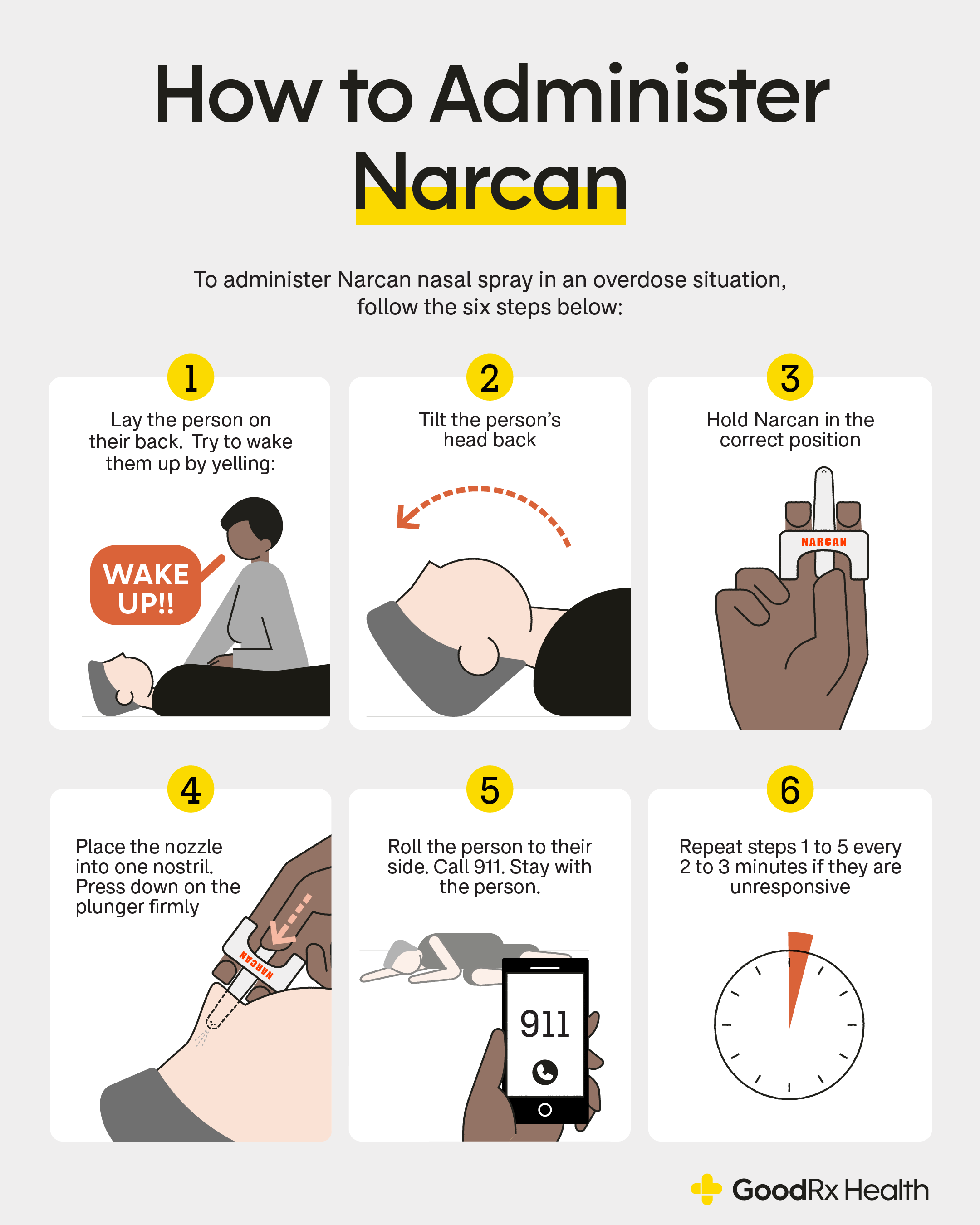
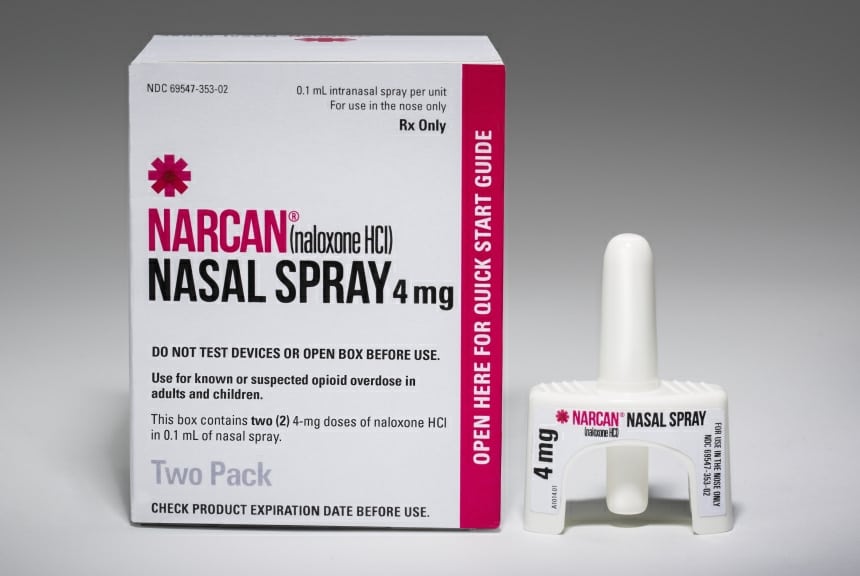
The design philosophy behind modern Narcan delivery systems prioritizes simplicity and clarity. The Narcan Nasal Spray, for instance, comes in a compact, pre-assembled device. Its instructions are typically pictorial and straightforward, often printed directly on the packaging, serving as an immediate “tutorial” for responders. Key features include a clearly marked nozzle, a single-action plunger, and a specific dosage, eliminating the need for measurement or complex preparation. This deliberate design ensures that even individuals with no medical background, under immense stress, can effectively administer the medication. The goal is to make the technology disappear into the background, allowing the user to focus solely on the person in distress, highlighting how thoughtful gadget design can profoundly impact public health outcomes.
Digital Ecosystems Supporting Narcan Deployment and Overdose Prevention
Beyond the physical gadgets, a sophisticated digital ecosystem has grown around Narcan to enhance its deployment, improve access, and fortify the broader public health response to the opioid crisis. This includes mobile applications, data analytics, and online educational platforms, integrating Narcan into a larger framework of digital security and preparedness.
Mapping and Locating Narcan: The Role of Mobile Applications
In an emergency, knowing where to find Narcan quickly is paramount. Mobile applications and online registries play a crucial role in addressing this challenge. Apps like the “OD Map” or state-specific resource locators allow individuals and first responders to find nearby pharmacies, community programs, or even trained “Good Samaritans” who carry Narcan. These platforms leverage GPS data and crowd-sourced information to create dynamic maps of Narcan availability, transforming accessibility. Furthermore, some apps facilitate “warm handoffs,” connecting overdose survivors to treatment resources, acting as vital digital bridges in the continuum of care. The development and maintenance of these apps involve significant digital security considerations to protect user data and ensure the reliability of information.
Data-Driven Strategies: AI and Analytics in Overdose Prediction and Response
The opioid crisis is complex, and effective intervention requires more than just reactive measures. Artificial intelligence (AI) and advanced analytics are becoming indispensable tools in understanding, predicting, and responding to overdose trends. By analyzing vast datasets—including overdose reports, prescription patterns, social determinants of health, and even wastewater analysis for drug presence—AI algorithms can identify emerging hotspots, predict future surges, and inform targeted Narcan distribution efforts. This data-driven approach allows public health officials to allocate resources more efficiently, ensuring Narcan reaches communities most at risk before a crisis fully unfolds. Such predictive models represent a cutting-edge application of technology in public health, shifting the strategy from merely treating symptoms to preempting them.
Telehealth and Remote Training: Digital Tutorials for Emergency Preparedness
Education and training are fundamental to Narcan’s effective use. Digital platforms, including telehealth services and online learning modules, have revolutionized how people learn to recognize an overdose and administer Narcan. Webinars, instructional videos, and interactive simulations provide accessible “digital tutorials” for individuals, families, first responders, and community organizations. Telehealth consultations allow medical professionals to virtually prescribe Narcan and offer guidance, breaking down geographical barriers to access. These digital tools ensure that critical, life-saving knowledge is not confined to medical settings but can be disseminated broadly and efficiently, fostering a more prepared and resilient community response to the opioid epidemic.
The Future of Opioid Crisis Technology: Beyond Current Narcan Applications
The technological journey of Narcan is far from over. As the opioid crisis continues to evolve, so too will the technological solutions designed to combat it. Future innovations will likely integrate Narcan into even more sophisticated systems, leveraging advancements in wearable tech, smart devices, and enhanced digital security.
Wearable Tech and Early Warning Systems
Imagine a future where wearable devices, akin to smartwatches or discreet patches, can continuously monitor an individual’s vital signs (e.g., respiratory rate, heart rate, oxygen saturation) and detect physiological changes indicative of an impending opioid overdose. These “smart gadgets” could then automatically alert emergency services, family members, or even trigger the release of a precisely dosed Narcan auto-injector directly onto the skin. Such proactive systems could drastically reduce response times and save lives, especially for those who use opioids alone. The development involves complex sensor technology, miniaturized drug delivery, and robust connectivity, all integrated with strong digital security to protect highly sensitive personal health data.
Smart Devices and Automated Dispatch
Beyond wearables, the integration of Narcan-related technology into smart home systems and connected vehicles holds immense potential. For instance, sensors in a smart home could detect a fall, lack of movement, or unusual breathing patterns, inferring a potential overdose. This could trigger an automated call to emergency services, providing precise location data and even an initial assessment before human intervention. In vehicles, similar sensors could identify incapacitation, initiating a response. The challenge lies in developing highly accurate, non-invasive detection methods and secure, interoperable communication protocols to ensure rapid and reliable automated dispatch, without generating false positives.
Enhanced Security and Tracking
As Narcan becomes more widely distributed and integrated into digital ecosystems, the importance of robust digital security and supply chain tracking will escalate. Blockchain technology, for example, could be used to create an immutable ledger for Narcan distribution, tracking every dose from manufacturer to patient, preventing diversion, and ensuring authenticity. Secure patient portals could manage prescriptions, refill reminders, and provide access to digital training modules. Furthermore, privacy-preserving AI could analyze aggregated, anonymized usage data to refine public health strategies without compromising individual identities. These future developments underscore how digital security is not just about protecting information, but about ensuring the integrity and effectiveness of a life-saving public health intervention.

Conclusion
Narcan’s journey from a biochemical discovery to a critical public health tool is a testament to the power of technological innovation. Its purpose extends far beyond merely reversing an overdose; it embodies a sophisticated blend of pharmaceutical science, user-centric gadget design, and an expanding digital ecosystem. From the molecular mechanics of naloxone itself, to the intuitive design of its nasal spray delivery system, and the cutting-edge applications of AI, mobile apps, and telehealth in its deployment, Narcan stands as a multifaceted technological lifeline. As the opioid crisis evolves, so too will the technologies supporting Narcan, promising an even more integrated, proactive, and digitally secure approach to saving lives and fostering recovery. In essence, Narcan is not just a drug; it is a continuously advancing piece of public health technology, vital for confronting one of the most pressing health challenges of our time.
aViewFromTheCave is a participant in the Amazon Services LLC Associates Program, an affiliate advertising program designed to provide a means for sites to earn advertising fees by advertising and linking to Amazon.com. Amazon, the Amazon logo, AmazonSupply, and the AmazonSupply logo are trademarks of Amazon.com, Inc. or its affiliates. As an Amazon Associate we earn affiliate commissions from qualifying purchases.