
When discussing the 2004 cult classic Napoleon Dynamite, the most immediate answer to the question “what is it rated?” is a simple “PG.” However, from the perspective of brand strategy and corporate identity, the film’s “rating” is far more complex. In the world of marketing and brand architecture, Napoleon Dynamite is rated as one of the most successful examples of niche branding in cinematic history.
Produced on a shoestring budget of roughly $400,000 and grossing over $46 million domestically, the film provides a blueprint for how a brand can succeed by embracing its eccentricities rather than smoothing them over for a mass audience. This article explores the strategic branding decisions—from visual identity to market positioning—that allowed a film about a tetherball-playing high schooler in Idaho to become a multi-million dollar global brand.
The Visual Language of Napoleon Dynamite: A Study in Brand Recognition
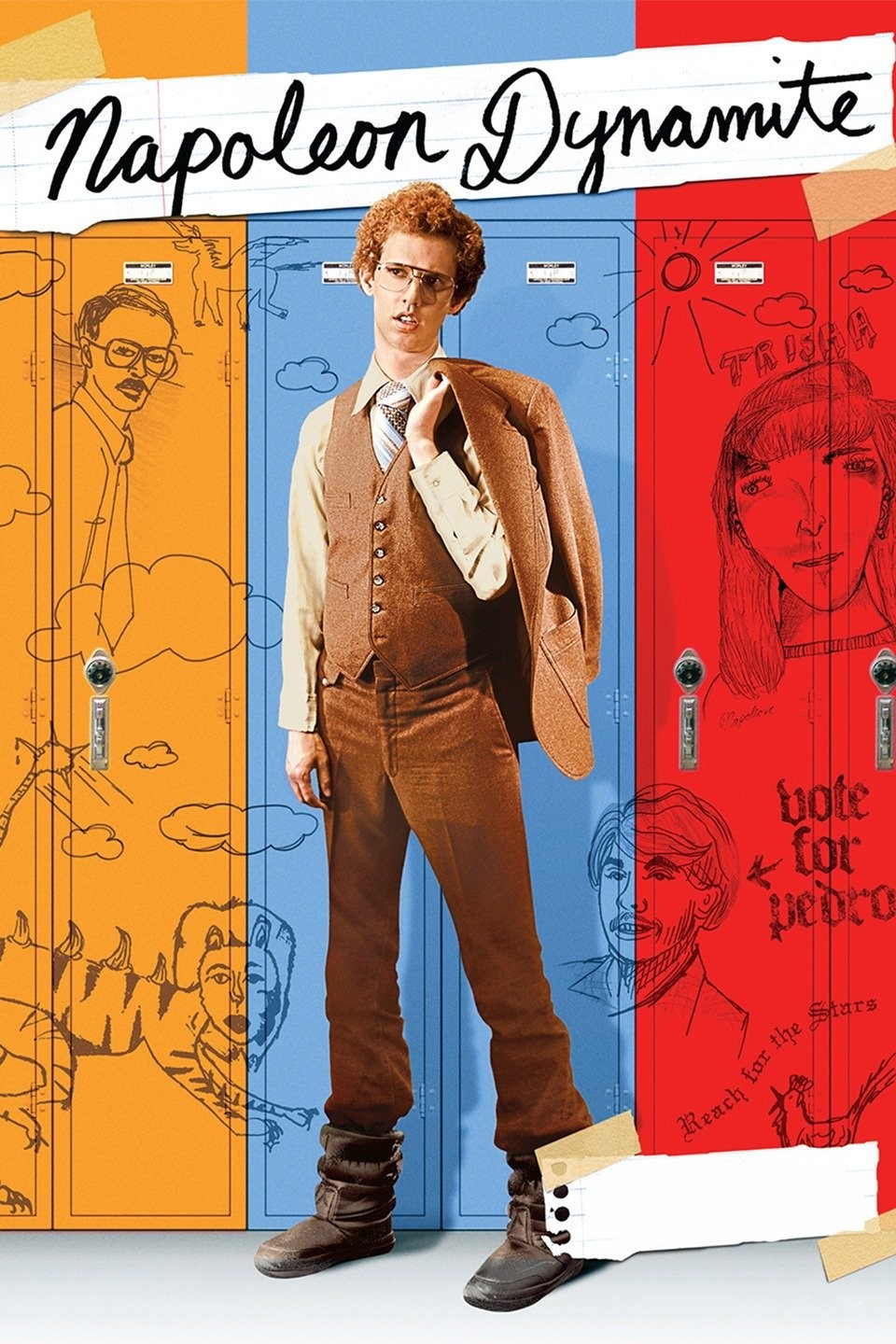
A brand is often defined by its visual consistency. Long before the first trailer for Napoleon Dynamite hit theaters, the film’s aesthetic was meticulously crafted to be instantly recognizable. The visual identity of the film is so strong that even today, twenty years later, a specific font or a certain shade of brown corduroy immediately evokes the “Napoleon” brand.
The “Vote for Pedro” Typography and Minimalism
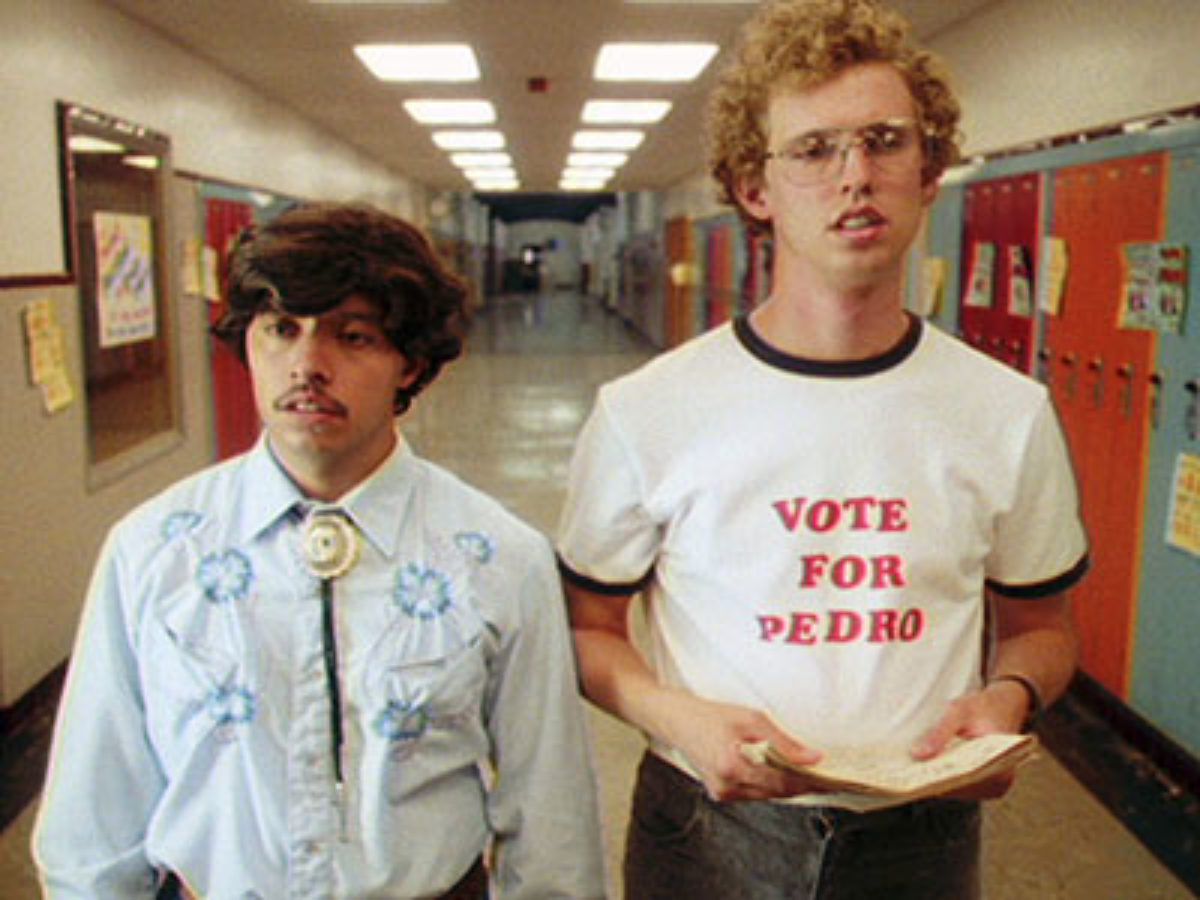
At the heart of the film’s visual brand is the “Vote for Pedro” T-shirt. From a design perspective, the use of the Cooper Black typeface—a heavy, rounded serif font popular in the 1970s—was a masterstroke. It communicated a sense of nostalgia, irony, and sincerity all at once. By centering the film’s promotional campaign around this single, minimalist graphic, the marketing team created a “logo” for the movie that was easily replicable on merchandise. This wasn’t just a prop; it was a brand asset that allowed fans to self-identify as part of the “in-crowd” who understood the film’s specific humor.
Color Palette as Brand Identity
Most modern blockbusters use a high-contrast “teal and orange” color grade. Napoleon Dynamite went in the opposite direction, utilizing a muted, “dated” color palette of avocados, browns, and dull yellows. This choice was strategic. It established a brand environment that felt stuck in time, effectively removing the film from the “current” trends of 2004 and giving it a timeless, evergreen quality. In branding, consistency across environments is key, and the film’s commitment to its awkward, low-fidelity aesthetic ensured that every frame of the movie felt like it belonged to the same cohesive universe.
Costume Design and Character Silhouettes
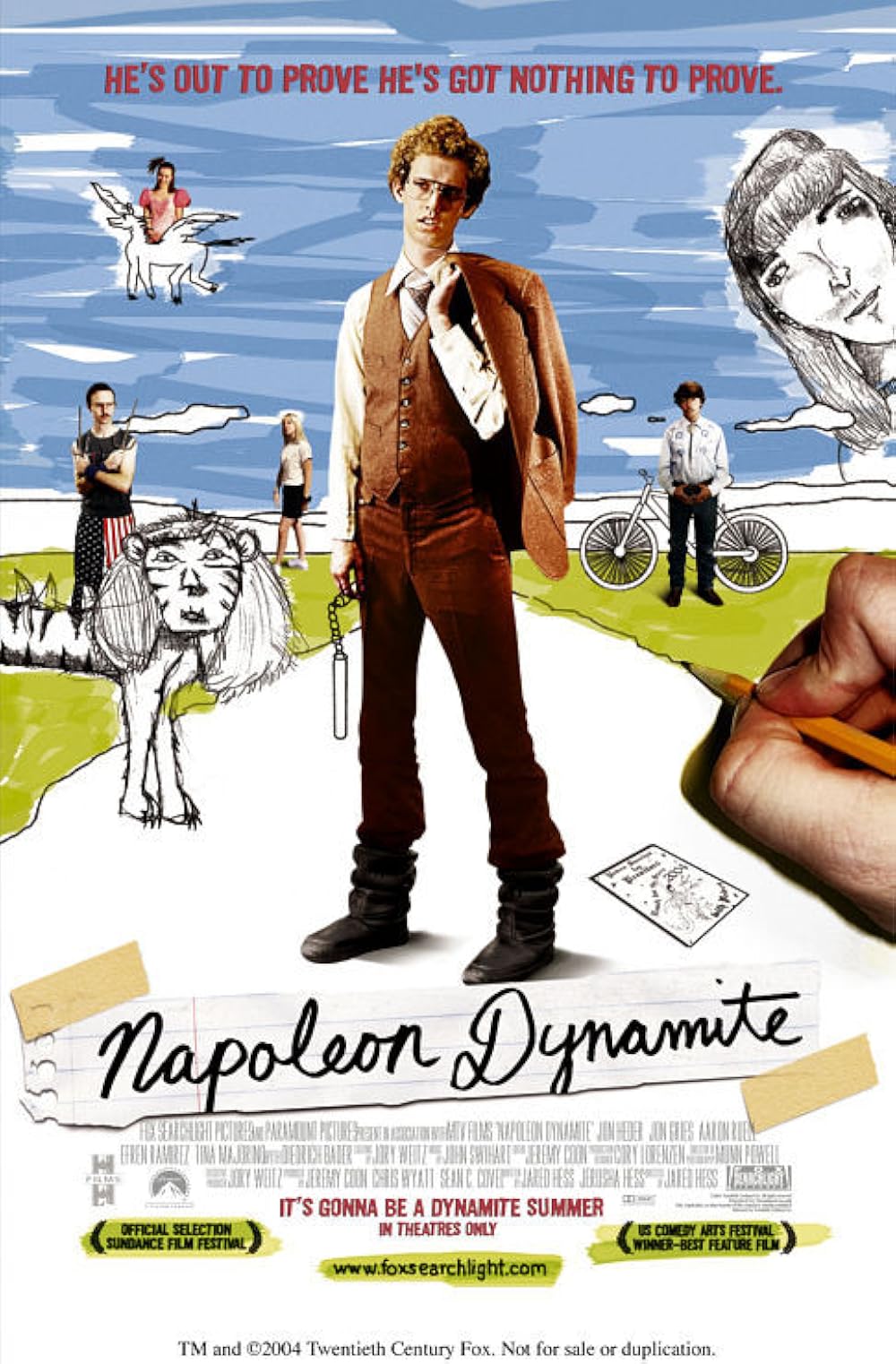
Effective branding often relies on distinct silhouettes. Just as the Nike Swoosh or the Apple logo are recognizable by their outline, the characters in Napoleon Dynamite were designed with distinct, iconic “packaging.” Napoleon’s Moon Boots, Kip’s oversized glasses, and Uncle Rico’s polyester suits functioned as character-based brand markers. These weren’t just clothes; they were visual shorthands that made the characters instantly marketable for action figures, Halloween costumes, and digital avatars.
Niche Marketing and the Architecture of a Cult Classic
The “PG” rating of the film was perhaps its most significant strategic advantage in the marketplace. While many independent films of the early 2000s sought “edgy” R-ratings to signal maturity, Napoleon Dynamite leaned into a “clean” brand identity. This allowed for a much larger Total Addressable Market (TAM), enabling the film to transcend the indie circuit and enter the mainstream.
Identifying and Serving the “Outsider” Demographic
The brand strategy of Napoleon Dynamite was built on the “Long Tail” theory of marketing. Instead of trying to appeal to everyone, the filmmakers focused on a highly specific niche: the awkward, the eccentric, and those who felt unrepresented by the hyper-stylized teen dramas of the era. By super-serving this niche, the film created a “brand tribe.” These early adopters became brand evangelists, using word-of-mouth (the most powerful marketing tool) to propel the film from a limited release to a national phenomenon.
Scaling from $400k to $46 Million
The financial success of the film is a case study in high-margin brand scaling. Because the brand was built on “low-fi” values, the cost of maintaining the brand was low. Fox Searchlight, which purchased the film at Sundance, recognized that the brand’s value lay in its “underground” feel. They didn’t over-polish the marketing; instead, they kept the ads quirky and minimalist, ensuring that the brand didn’t lose its “street cred” while scaling to a mass audience. This balance between “indie” identity and “corporate” distribution is a difficult tightrope to walk, but Napoleon Dynamite executed it perfectly.
The Word-of-Mouth Engine
In the pre-social media era of 2004, Napoleon Dynamite relied on viral marketing in its truest form. The film’s dialogue was designed to be “sticky.” Phrases like “Lucky!”, “Gosh!”, and “Eat the food, Tina!” functioned like brand slogans. When fans repeated these lines, they were essentially performing free audio advertisements for the brand. This created a self-sustaining marketing loop that kept the film in the public consciousness long after it left theaters.
Character-Centric Branding: The Power of Relatable Eccentricity
In corporate branding, companies often use “brand personas” to humanize their identity. Napoleon Dynamite didn’t just have characters; it had a suite of brand personas that each appealed to different segments of the audience.
Napoleon as the Anti-Hero Brand
The character of Napoleon himself represents a radical departure from traditional “protagonist” branding. He is not aspirational in the traditional sense; he is clumsy, frustrated, and socially inept. However, his brand is rooted in authenticity. In a world of polished, “perfect” brands, Napoleon represented a “flawed” brand that was deeply relatable. This authenticity created a strong emotional connection with the audience, a key goal in any brand strategy.
Kip and Uncle Rico: Supporting Brand Ecosystems
Every strong brand has a supporting ecosystem. Kip and Uncle Rico provided “sub-brands” within the Napoleon Dynamite universe. Kip represented the emerging digital subculture (early internet dating, chat rooms), while Uncle Rico represented “lost-glory” nostalgia. By including these distinct personas, the Napoleon Dynamite brand was able to appeal to different age groups and interests, broadening its reach without diluting the core identity of the film.
Longevity through Catchphrases
A slogan is the shortest path to brand recall. Napoleon Dynamite is arguably one of the most “quotable” brands in cinematic history. Each catchphrase was a micro-representation of the brand’s tone. In marketing terms, these phrases were “brand touchpoints.” Every time someone said “Your mom goes to college,” they were reinforcing the brand’s unique positioning as a purveyor of non-sequitur, deadpan humor.
Legacy and Licensing: Sustaining the Brand for Two Decades
The ultimate test of a brand’s strength is its longevity. Twenty years later, the Napoleon Dynamite brand remains active and profitable, proving that its initial “rating” was just the beginning of its lifecycle.
Merchandising the Aesthetic
The transition from film to retail brand was seamless for Napoleon Dynamite. Because the film’s visual identity was so strong, it was easily translated into apparel, stationery, and home decor. The “Vote for Pedro” shirt remains a staple in retail outlets like Hot Topic, serving as a classic example of a “heritage brand” in the world of pop culture merchandise. The brand’s ability to move units decades after its release is a testament to the power of a well-defined visual identity.
The 20th Anniversary Tour: Brand Activation
Currently, the stars of the film participate in “Napoleon Dynamite Live” events, which are essentially brand activations. These events allow fans to interact with the brand in a physical space, combining a screening of the film with a live conversation. This strategy keeps the brand “alive” and allows for new generations to be introduced to the IP (Intellectual Property). It is a perfect example of how to manage a legacy brand by maintaining its core values while finding new ways to engage the audience.
Lessons for Modern Content Creators and Marketers
The “rating” of Napoleon Dynamite—both its PG status and its high standing in the marketing world—offers several lessons for modern brands:
- Niche is a Strength: You don’t need to appeal to everyone to be a massive success.
- Consistency is King: A cohesive visual and tonal identity is more memorable than a high-budget one.
- Authenticity Scales: A brand that feels “real,” even if it’s weird, will always outperform a brand that feels manufactured.
In conclusion, when we ask “what is Napoleon Dynamite rated?”, we must look beyond the parental guidance suggestions. It is a brand rated at the highest level of cultural impact, visual recognition, and marketing efficiency. By staying true to its awkward, quirky, and surprisingly wholesome roots, Napoleon Dynamite built a corporate identity that has outlasted many of its high-budget contemporaries, proving that in the world of branding, being different is often better than being “better.”
aViewFromTheCave is a participant in the Amazon Services LLC Associates Program, an affiliate advertising program designed to provide a means for sites to earn advertising fees by advertising and linking to Amazon.com. Amazon, the Amazon logo, AmazonSupply, and the AmazonSupply logo are trademarks of Amazon.com, Inc. or its affiliates. As an Amazon Associate we earn affiliate commissions from qualifying purchases.