
The seemingly simple act of removing nail polish often involves a chemical concoction that many of us use without a second thought. But what exactly are the ingredients in that bottle, and how do they effectively dissolve stubborn lacquer? Understanding the composition of nail polish remover isn’t just a matter of curiosity; it touches upon broader themes within the Tech sphere, particularly in the realm of Chemical Engineering and the material science that underpins many consumer products. The development and refinement of these formulations are a testament to ongoing innovation in the chemical industry, driven by the need for efficacy, safety, and even environmental considerations.
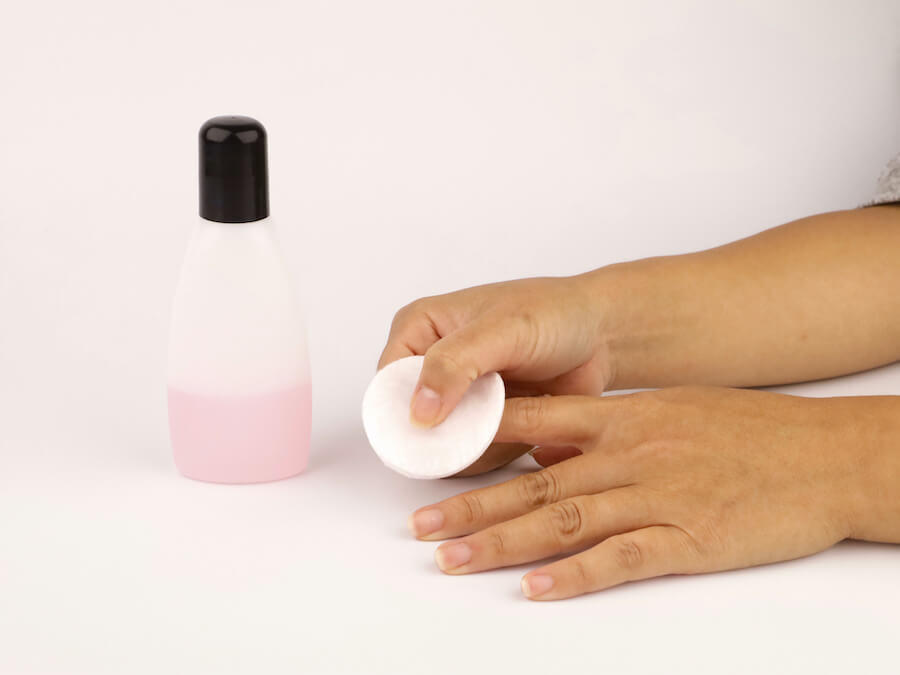
The Core Components: Solvents at Work
At its heart, nail polish remover is a solvent-based product. Solvents are substances that have the ability to dissolve other substances, forming a solution. In the case of nail polish, the “other substance” is the dried nail lacquer, which is essentially a complex mixture of polymers, plasticizers, pigments, and other additives. The effectiveness of a nail polish remover hinges on the solvent’s ability to break down these complex molecules.
Acetone: The Potent Powerhouse
The most well-known and historically dominant ingredient in nail polish removers is acetone. Acetone (CH₃COCH₃) is a colorless, volatile, and highly flammable liquid with a distinct, pungent odor. It’s classified as a ketone, a class of organic compounds characterized by a carbonyl group (C=O) bonded to two carbon atoms.
The Mechanism of Acetone’s Action
Acetone’s effectiveness lies in its polar nature. The oxygen atom in the carbonyl group is more electronegative than the carbon atom, creating a partial negative charge on the oxygen and a partial positive charge on the carbon. This polarity allows acetone molecules to interact with and surround the polar components of nail polish, such as the nitrocellulose polymers that form the base of most lacquers. These interactions disrupt the intermolecular forces holding the nail polish together, effectively dissolving it.
Acetone is a powerful solvent due to its small molecular size and its ability to penetrate the dried film of nail polish. It can effectively break down the cross-links and polymer chains that give nail polish its hardness and durability. The process is essentially a solvation where acetone molecules encapsulate and separate the dissolved nail polish molecules.
Advantages and Disadvantages of Acetone
Advantages:
- High Efficacy: Acetone is exceptionally good at dissolving a wide range of nail polish formulations, including glitter polishes and dark, opaque colors that can be challenging to remove with weaker solvents. Its rapid action means less soaking time and fewer applications are typically required.
- Cost-Effectiveness: Acetone is a widely produced industrial chemical, making it relatively inexpensive to manufacture and incorporate into consumer products.
Disadvantages:
- Drying and Harshness: Acetone is a very strong solvent, and its aggressive nature can strip the natural oils from the nail and surrounding skin. This can lead to dryness, brittleness of the nails, and irritation of the cuticles and skin, especially with frequent use.
- Flammability: Acetone is highly flammable, requiring caution during storage and use, away from open flames or sparks.
- Strong Odor: The characteristic pungent smell of acetone can be unpleasant for some individuals.
- Potential for Damage to Other Materials: Acetone can damage certain plastics, synthetic fabrics, and finishes.
Ethyl Acetate and Butyl Acetate: The Gentler Alternatives
Recognizing the drawbacks of acetone, particularly its harshness, the chemical industry developed alternative formulations that utilize different solvents. Ethyl acetate (CH₃COOCH₂CH₃) and butyl acetate (CH₃COOCH₂CH₂CH₂CH₃) are the most common replacements. These are esters, another class of organic compounds known for their solvent properties, often with a more pleasant, fruity aroma.
How Esters Function as Solvents
Similar to acetone, ethyl acetate and butyl acetate are polar molecules, although generally less so than acetone. Their ester functional group (-COO-) allows them to interact with and break down the polymer chains in nail polish. While they may not be as universally potent as acetone, they are still effective at dissolving many standard nail polish formulations.
Their larger molecular size compared to acetone can contribute to a slightly slower dissolving action but also a gentler impact on the nail and skin. They are less aggressive in stripping natural oils, making them a preferred choice for individuals with dry or sensitive skin and nails.
The Rise of Non-Acetone Removers
The development and popularization of non-acetone nail polish removers represent a significant technological advancement in the cosmetic industry. This shift reflects a growing consumer demand for products that are both effective and less damaging. The formulation of these removers often involves a blend of solvents, with ethyl acetate and butyl acetate being primary components.
Advantages of Ethyl Acetate and Butyl Acetate:
- Gentler on Nails and Skin: These solvents are significantly less drying and irritating than acetone, making them ideal for frequent users or those with sensitive nails.
- Milder Odor: They typically possess a less pungent, often fruity, aroma, which is more pleasant for many users.
- Reduced Risk of Damage: They are less likely to damage plastics or other sensitive materials.
Disadvantages:
- Potentially Slower Action: They might require slightly more rubbing or longer contact time to remove stubborn polishes, especially those with glitter or multiple layers.
- May Not Be as Effective for All Polishes: Very thick or highly pigmented polishes might require multiple applications or a more persistent approach compared to acetone-based removers.
Beyond the Primary Solvents: Enhancing the Formula
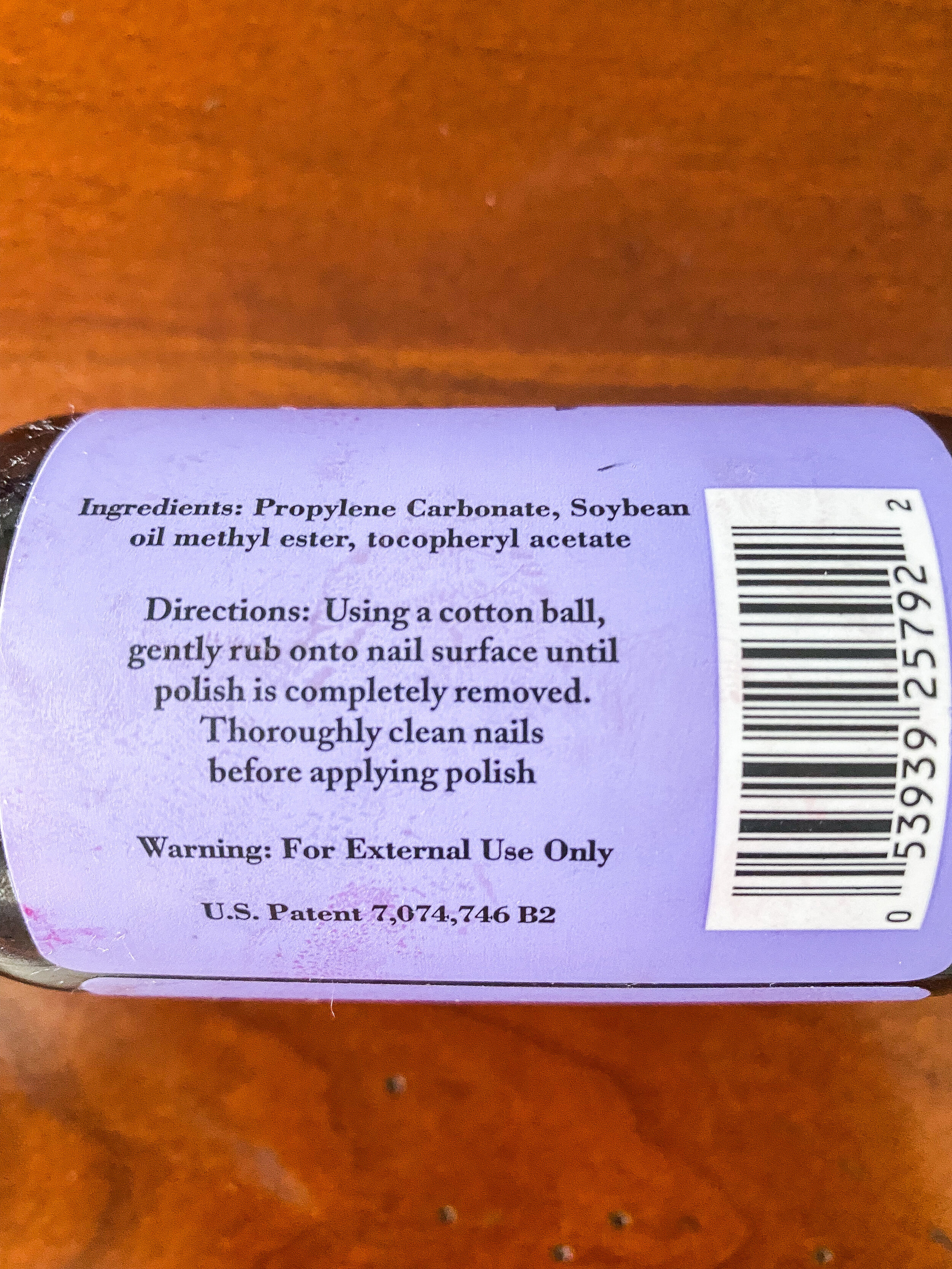
While solvents are the workhorses of nail polish removers, modern formulations often include other ingredients designed to improve the user experience, enhance performance, and add beneficial properties. These additives showcase the intricate formulation science that goes into creating even everyday cosmetic products.
Moisturizing Agents and Conditioners
To counteract the inherent drying effects of solvents, many nail polish removers, particularly non-acetone versions, are enriched with moisturizing and conditioning agents.
Glycerin and Panthenol: Hydration and Nourishment
- Glycerin: A humectant, meaning it attracts water from the environment and helps to bind moisture to the skin and nail. This helps to replenish some of the hydration lost during the removal process.
- Panthenol (Pro-Vitamin B5): Known for its moisturizing and soothing properties. It can penetrate the nail and skin, helping to improve hydration and flexibility. It also aids in cell regeneration, which can be beneficial for damaged cuticles.
Vitamin E and Natural Oils: Protection and Softening
- Vitamin E: An antioxidant that can help protect the skin from environmental damage and provides a degree of moisturization.
- Various Natural Oils (e.g., Jojoba Oil, Castor Oil): Incorporated to provide emollient properties, softening the skin and cuticles and leaving them feeling less dry and stripped after the nail polish is removed. These oils can also add a subtle sheen to the nails.
Emulsifiers and Stabilizers: Ensuring Product Integrity
In formulations that combine water-based ingredients (like moisturizers) with oil-based ingredients or where different solvent systems are used, emulsifiers and stabilizers play a crucial role.
The Role of Emulsifiers
Emulsifiers are compounds that allow oil and water to mix, preventing them from separating into distinct layers. This ensures a consistent product that is easy to use and applies evenly. Examples might include certain non-ionic surfactants.
Stabilizers for Longevity
Stabilizers are added to maintain the product’s integrity over time, preventing degradation of ingredients and ensuring that the remover remains effective and safe throughout its shelf life. This can involve pH adjusters or antioxidants.
Fragrances and Colorants: The Aesthetic Touch
While not essential for the primary function of removing nail polish, fragrances and colorants are frequently added to enhance the consumer appeal of the product.
Enhancing the Sensory Experience
- Fragrances: Carefully selected scents are added to mask any unpleasant solvent odors and provide a more pleasant olfactory experience. Floral, fruity, or clean scents are common.
- Colorants: A small amount of dye might be added to give the remover a visually appealing color, distinguishing it from other products on the shelf.
The Technological Evolution of Nail Polish Removal
The journey from simple, harsh acetone-based removers to sophisticated, conditioning formulations represents a clear path of technological evolution within the beauty industry. This evolution is driven by a combination of factors: scientific understanding of chemical interactions, advancements in ingredient sourcing and synthesis, and a growing consumer awareness and demand for safer, more effective, and more pleasant-to-use products.
Formulation Science and Material Innovation
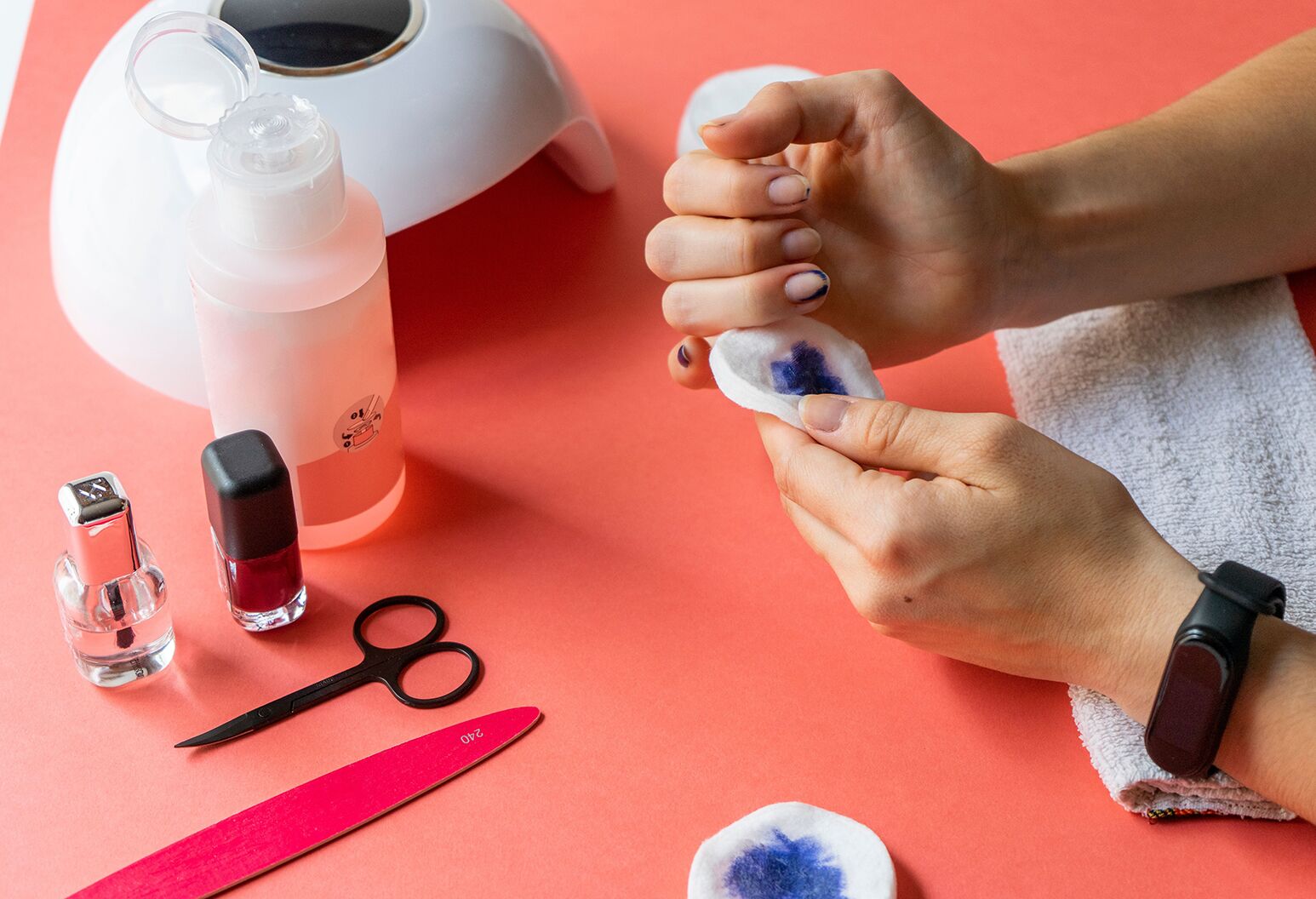
The development of new and improved nail polish removers is a direct application of formulation science. Chemists and material scientists continuously research new solvent systems, explore novel moisturizing agents, and investigate biodegradable or sustainable alternatives. This involves understanding the chemical properties of various ingredients and how they interact with each other and with the complex matrix of nail polish.
For instance, the trend towards “eco-friendly” nail polish removers often involves exploring bio-derived solvents or reducing the volatile organic compound (VOC) content, pushing the boundaries of chemical engineering. The effectiveness of these newer formulations is a testament to the ingenuity in finding alternatives that can match or exceed the performance of traditional ingredients while addressing concerns about safety and environmental impact.
Safety and Regulatory Considerations
The chemical industry, especially in consumer products, operates under stringent safety regulations. Regulatory bodies evaluate the safety of ingredients used in cosmetics, including nail polish removers. This drives innovation in the direction of less toxic and less irritating substances. The shift away from or reduction of acetone in many products is partly influenced by these safety and health considerations, particularly regarding potential inhalation risks and skin contact.
The technological advancements in nail polish remover are not just about creating a product that works; they are about creating a product that works well, safely, and pleasantly, reflecting a mature understanding of both chemistry and consumer needs. From the fundamental solvency of acetone to the nuanced blend of conditioning agents in modern formulas, nail polish remover is a fascinating example of applied chemical technology in our daily lives.
aViewFromTheCave is a participant in the Amazon Services LLC Associates Program, an affiliate advertising program designed to provide a means for sites to earn advertising fees by advertising and linking to Amazon.com. Amazon, the Amazon logo, AmazonSupply, and the AmazonSupply logo are trademarks of Amazon.com, Inc. or its affiliates. As an Amazon Associate we earn affiliate commissions from qualifying purchases.