
The chemical formula might seem arcane at first glance: Nahco3. For those unfamiliar with basic chemistry, this shorthand likely conjures images of sterile laboratories or complex scientific equations. However, delve a little deeper, and you’ll discover that Nahco3, more commonly known as sodium bicarbonate or baking soda, is a remarkably versatile compound with a surprising number of applications that touch upon our daily lives, our businesses, and even the digital world we increasingly inhabit.
While the primary understanding of Nahco3 lies within the realm of chemistry, its impact and principles can be viewed through the lenses of technology, branding, and finance. From its role in industrial processes that power technological innovation to its use as a cost-effective solution in various sectors, understanding Nahco3 offers a unique perspective on how fundamental elements contribute to complex systems and economic activity. This article will explore the nature of Nahco3, its diverse applications, and how its underlying principles resonate with the core themes of technology, brand building, and financial management.
The Science Behind Nahco3: A Fundamental Chemical Compound
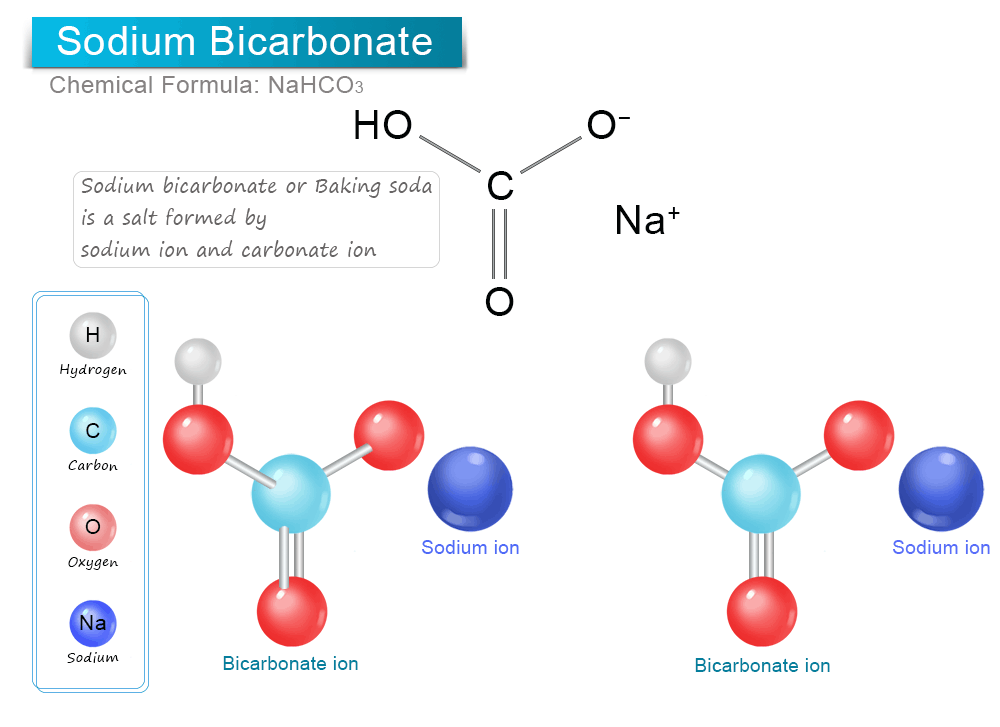
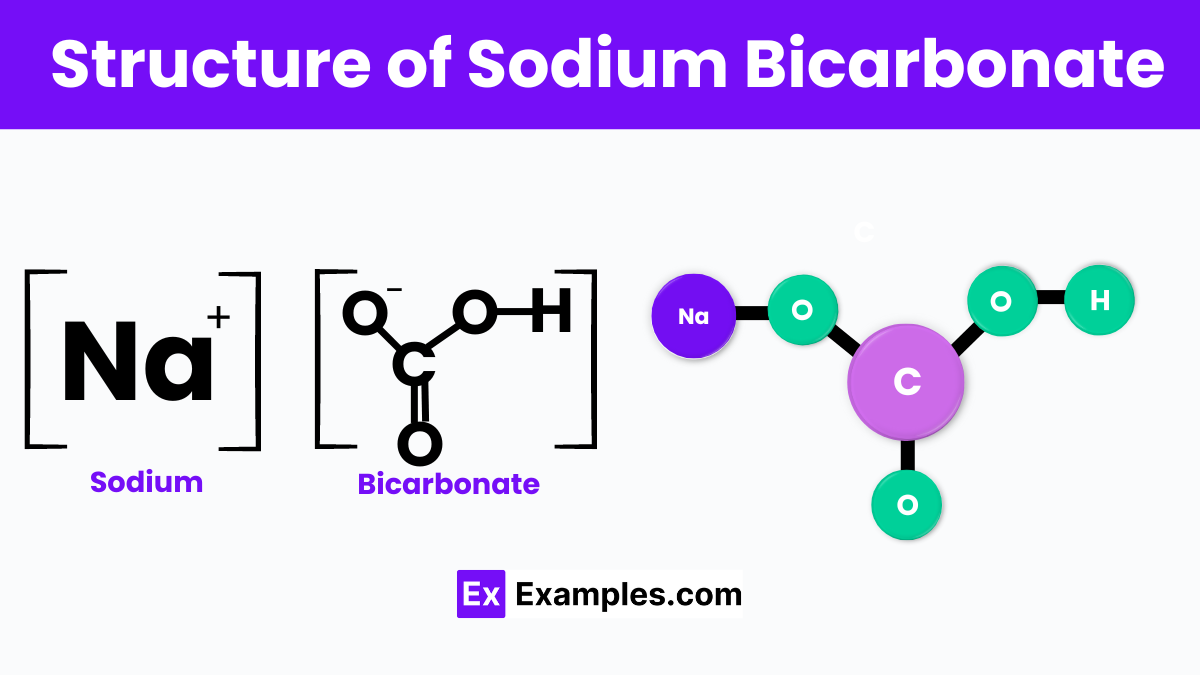
At its heart, Nahco3 is a chemical compound, a salt composed of sodium (Na), hydrogen (H), carbon (C), and oxygen (O) atoms. It is the sodium salt of carbonic acid. This relatively simple molecular structure belies its potent chemical properties, particularly its alkalinity and its ability to react with acids.
Understanding its Chemical Properties
Sodium bicarbonate is a white, crystalline powder that is odorless and tastes slightly alkaline. Its solubility in water is moderate, increasing with temperature. The key to its widespread utility lies in a few crucial chemical characteristics:
- Alkalinity: Nahco3 is a mild alkali. This means it can neutralize acids. In aqueous solutions, it dissociates into sodium ions (Na+) and bicarbonate ions (HCO3-). The bicarbonate ion can accept a proton (H+) from an acid, forming carbonic acid (H2CO3), which then decomposes into water (H2O) and carbon dioxide (CO2). This acid-neutralizing capacity is fundamental to many of its applications.
- Leavening Agent: When heated or combined with an acidic ingredient (like buttermilk, vinegar, or lemon juice), Nahco3 undergoes a chemical reaction that produces carbon dioxide gas. This gas expands, causing doughs and batters to rise, a process essential in baking. This is perhaps its most widely recognized domestic use.
- Buffering Capacity: Nahco3 can act as a buffer, helping to resist changes in pH. This makes it valuable in applications where maintaining a stable acidic or alkaline environment is important.
The Production of Nahco3
While the scientific principles are fascinating, understanding how Nahco3 is produced can shed light on its accessibility and cost-effectiveness, themes relevant to both finance and industrial technology. The most common method for producing sodium bicarbonate is through the Solvay process. This industrial method involves reacting brine (a solution of sodium chloride) with ammonia and carbon dioxide. The key reaction involves forming ammonium bicarbonate, which then reacts with more carbon dioxide to precipitate sodium bicarbonate.
The efficiency and scalability of the Solvay process are crucial for making Nahco3 a readily available and affordable commodity. This industrial production is a testament to technological innovation in chemical engineering, enabling widespread distribution and application across various sectors.
Nahco3 in the Realm of Technology: From Industrial Processes to Digital Solutions
While Nahco3 might not be directly embedded in the silicon chips of our smartphones, its influence and principles are surprisingly intertwined with the technological landscape. Its role extends from powering essential industrial processes that underpin technological development to its metaphorical presence in problem-solving and efficiency.
Industrial Applications Driving Technological Advancements
Many industries that are foundational to technological progress rely on Nahco3. Its chemical properties make it indispensable in:
- Manufacturing and Metalworking: Sodium bicarbonate is used in cleaning and degreasing metal parts, a crucial step in the production of electronics, automotive components, and machinery. Its mild abrasive quality and ability to neutralize oils and greases make it an effective and environmentally friendly alternative to harsher chemicals.
- Water Treatment: In certain water purification processes, Nahco3 can be used to adjust pH levels, which is essential for optimizing the effectiveness of other treatment methods and ensuring water quality for industrial and domestic use.
- Fire Extinguishers: Dry chemical fire extinguishers often utilize sodium bicarbonate (or potassium bicarbonate) as their active agent. When discharged, it smothers flames by releasing carbon dioxide, which displaces oxygen, and by interrupting the chemical chain reaction of combustion. This direct application in safety technology is a significant contribution.
- Pharmaceuticals and Healthcare Technology: While this delves into a related but distinct field, pharmaceutical-grade sodium bicarbonate is used in antacids, as a buffer in intravenous solutions, and in certain medical treatments. The precision required in pharmaceutical manufacturing highlights the importance of controlled chemical processes, mirroring the precision needed in technological development.
Metaphorical Resonance: Efficiency and Problem-Solving in the Digital Age
Beyond its direct chemical applications, the concept of Nahco3 as a simple yet effective solution resonates strongly with the principles of good technology design and problem-solving.
- Simplicity and Effectiveness: Just as baking soda offers a straightforward and effective way to neutralize acids or leaven dough, many successful technological solutions prioritize simplicity and efficacy. Think of intuitive user interfaces, streamlined software workflows, or elegantly designed algorithms. The “baking soda” approach in tech is about finding the most direct and efficient path to a desired outcome.
- Cost-Effectiveness and Accessibility: Nahco3 is a relatively inexpensive and widely available substance. This mirrors the drive in the tech world for accessible and affordable solutions. Open-source software, budget-friendly gadgets, and democratized AI tools all embody this spirit of making powerful capabilities available to a broader audience.
- Versatility and Adaptability: The sheer number of applications for Nahco3 demonstrates its versatility. Similarly, successful technology platforms and tools are often designed with adaptability in mind, able to serve a wide range of users and purposes. Cloud computing, for instance, offers a flexible infrastructure that can be adapted for diverse technological needs.
Branding and Reputation: The “Baking Soda” of Business Strategy
The principles associated with Nahco3 – reliability, affordability, and widespread utility – can also be observed and applied within the strategic domain of branding and corporate identity. A strong brand, much like baking soda, needs to be dependable, accessible, and offer tangible value.

Building a Reliable Brand Identity
A brand’s identity is its core promise to consumers. Just as users can reliably expect baking soda to perform specific functions, a strong brand consistently delivers on its commitments.
- Consistency is Key: The dependable performance of Nahco3 in various applications mirrors the importance of consistent brand messaging and customer experience. When a brand is predictable in its quality, service, and values, it builds trust and loyalty, much like the familiar reliability of a box of baking soda in a pantry.
- Affordability and Value Proposition: In many instances, Nahco3 is chosen for its cost-effectiveness. Similarly, brands that can offer a compelling value proposition – excellent quality or service at a competitive price – tend to attract and retain customers. This doesn’t necessarily mean being the cheapest, but rather offering the most perceived benefit for the investment.
- Ubiquity and Recognition: Baking soda is a household name, recognized globally. For brands, achieving this level of ubiquity and recognition is the ultimate goal. It requires consistent marketing, positive word-of-mouth, and a product or service that resonates with a broad audience.
Reputation Management: Neutralizing Negative Influences
The acid-neutralizing property of Nahco3 offers a powerful metaphor for reputation management. Just as baking soda can counteract acidity, businesses must actively manage and mitigate negative influences on their brand reputation.
- Proactive Communication: Just as it’s easier to maintain a neutral pH than to drastically alter an acidic environment, proactive and transparent communication is crucial for managing reputation. Addressing potential issues before they escalate, being open about challenges, and engaging with stakeholders can help neutralize negative sentiment.
- Customer Service as a Buffer: Excellent customer service acts as a vital buffer, absorbing customer frustrations and resolving issues before they can damage a brand’s reputation. A well-handled complaint can turn a negative experience into a positive one, preventing a small problem from becoming a widespread issue.
- Crisis Management: In times of crisis, a well-defined and executed crisis management plan is essential. This plan should be akin to having a readily available supply of “baking soda” to neutralize the damage. Swift, decisive, and honest responses can significantly mitigate reputational harm.
Design and Case Studies: The “Recipe” for Success
The creation of effective branding and successful marketing campaigns often involves a careful “recipe” of elements, much like the precise measurements and ingredients needed to bake with Nahco3.
- Strategic Ingredients: Brand strategy, corporate identity, and marketing campaigns are the “ingredients” that, when combined thoughtfully, create a compelling brand narrative. Case studies serve as the “recipes” that have yielded successful outcomes, providing blueprints for others to follow.
- The “Flavor” of the Brand: Design plays a critical role in shaping the aesthetic and emotional appeal of a brand, much like how the “flavor” of a dish is enhanced by its presentation and underlying taste. Visual identity, typography, and imagery all contribute to how a brand is perceived.
Nahco3 and the World of Money: From Cost-Effective Solutions to Financial Management
The financial implications of Nahco3 are significant, ranging from its role as a low-cost ingredient in various industries to its broader implications for financial management and economic accessibility.
Cost-Effectiveness and Economic Impact
The affordability of Nahco3 makes it a crucial component in numerous cost-sensitive applications, contributing to economic efficiency and broader market access.
- Industrial Cost Savings: For industries that rely heavily on chemical inputs, using a relatively inexpensive compound like Nahco3 can lead to substantial cost savings. This can translate into lower production costs for goods, making them more affordable for consumers. This directly impacts the “Money” aspect of personal finance and business finance.
- DIY and Home-Based Businesses: The accessibility and low cost of Nahco3 make it a popular choice for DIY projects, homemade cleaning products, and small-scale artisanal businesses. This empowers individuals to generate side hustles and online income with minimal upfront investment.
- Impact on Supply Chains: The reliable and affordable production of Nahco3 is vital for various supply chains. Disruptions in its availability or significant price fluctuations could have ripple effects across multiple sectors, impacting profitability and pricing.
Financial Management and Accessibility
The principles of managing Nahco3 effectively can be extended to personal and business financial management.
- Budgeting and Resource Allocation: Just as one would budget for groceries, including essentials like baking soda, businesses and individuals need to budget for necessary expenditures. Understanding the cost and utility of various resources, like Nahco3, informs smart financial allocation.
- Investing in Essential Commodities: While not typically a standalone investment asset, understanding the market for essential commodities like sodium bicarbonate can be part of a broader economic analysis. Its demand is generally stable, tied to fundamental industrial and consumer needs.
- Financial Tools for Efficiency: In the digital age, numerous financial tools are available to help manage personal finances, track investments, and optimize business operations. These tools aim to bring the kind of efficiency and cost-effectiveness that Nahco3 embodies in its chemical applications. From budgeting apps to online accounting software, they help individuals and businesses make smarter financial decisions.
The “Bicarbonate” of Financial Health: Neutralizing Debt and Boosting Savings
The analogy of neutralizing acidity can be powerfully applied to financial health.
- Neutralizing Debt: High-interest debt can be like an acidic drain on one’s finances, eroding wealth over time. Employing strategies like the debt snowball or debt avalanche method, akin to the neutralizing power of Nahco3, can systematically reduce and eliminate debt, restoring financial balance.
- Boosting Savings: Just as adding a buffering agent can stabilize a solution, consistently saving a portion of one’s income acts as a buffer against unexpected expenses and a foundation for future financial security. This proactive approach to accumulating wealth is a cornerstone of sound personal finance.
- Smart Spending Habits: Making informed purchasing decisions, prioritizing needs over wants, and seeking value for money – much like choosing baking soda for its utility and affordability – are fundamental to sound financial management and achieving financial goals.
In conclusion, while “Nahco3” might initially appear as a purely scientific term, its implications resonate across technology, brand strategy, and finance. It serves as a reminder that fundamental elements, understood and applied effectively, can drive innovation, build enduring brands, and foster financial well-being. From the laboratories where its properties are harnessed to the businesses that leverage its cost-effectiveness, and the personal choices we make with our money, the story of Nahco3 is a testament to the interconnectedness of seemingly disparate fields and the power of simple yet profound principles.
aViewFromTheCave is a participant in the Amazon Services LLC Associates Program, an affiliate advertising program designed to provide a means for sites to earn advertising fees by advertising and linking to Amazon.com. Amazon, the Amazon logo, AmazonSupply, and the AmazonSupply logo are trademarks of Amazon.com, Inc. or its affiliates. As an Amazon Associate we earn affiliate commissions from qualifying purchases.