
In the rapidly evolving landscape of wearable fitness technology, the pursuit of objective data has become the gold standard for athletes and casual gym-goers alike. Among the plethora of trackers, smartwatches, and biometrics monitors, Myzone has carved out a distinct niche. Unlike devices that focus primarily on step counts or sleep quality, Myzone is built around a proprietary metric known as Effort Points (MEPs). This system shifts the focus from sheer volume or speed to the intensity of individual effort, making it a unique player in the fitness tech sector.
The Core Technology: How Myzone Works
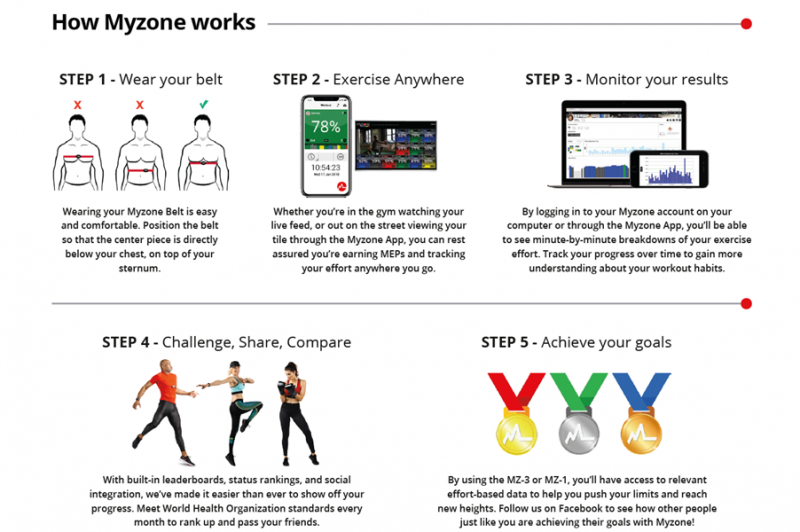
At its heart, Myzone is an integrated heart-rate monitoring system. While many people associate heart-rate monitoring with the blinking lights on the back of a smartwatch, Myzone relies on a more precise method: electrocardiogram (ECG) technology, typically housed in a chest strap or a specialized forearm band.
The Physics of the Sensor
The accuracy of heart rate tracking is often dictated by the proximity of the sensor to the heart’s electrical impulse. Wrist-based optical sensors, known as photoplethysmography (PPG), measure blood flow via light. While convenient, these can suffer from “noise” during high-intensity movements like rowing or boxing. Myzone’s primary hardware, the MZ-3 or the newer MZ-Switch, uses chest-strap sensors that detect the actual electrical signal of the heartbeat. This is the same technology used in clinical settings, providing a level of reliability that optical sensors struggle to match during extreme physical exertion.
Connectivity and Data Transmission
Once the hardware captures the heart rate, the Myzone system utilizes Bluetooth Low Energy (BLE) and ANT+ protocols to transmit this data to a user’s smartphone or a club’s display system. This real-time transmission is the “killer feature” of the platform. By seeing their heart rate percentage displayed on a screen in real-time, users can adjust their intensity to stay within specific zones—ensuring they are working hard enough to see results without entering a state of overtraining.
Understanding Effort Points (MEPs)
The brilliance of the Myzone ecosystem lies not in the hardware itself, but in the proprietary algorithm that converts heart rate data into meaningful, actionable information: Myzone Effort Points, or MEPs.
The Five Color-Coded Zones
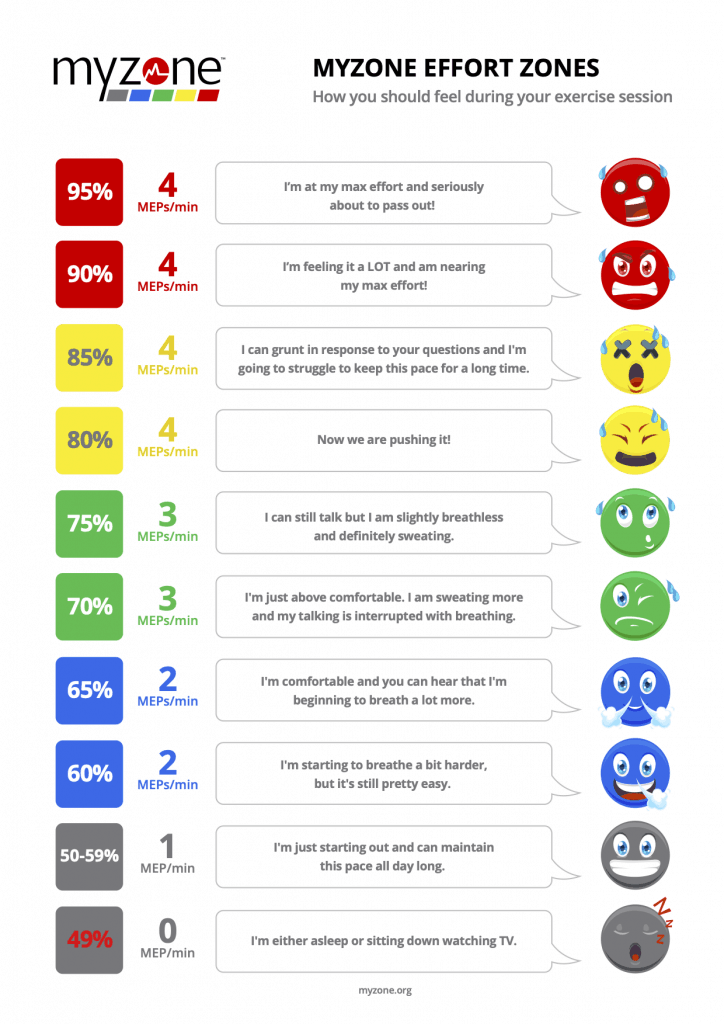
The system classifies effort into five distinct color-coded zones, based on a percentage of the user’s maximum heart rate:
- Grey (50–59%): Light activity, often used for recovery or warm-ups.
- Blue (60–69%): Moderate activity, ideal for building aerobic base.
- Green (70–79%): The “fitness” zone, where sustained effort improves cardiovascular endurance.
- Yellow (80–89%): The high-intensity zone, designed to improve anaerobic capacity.
- Red (90–100%): Peak intensity, useful for short bursts of maximum effort.

Why MEPs Change the Game
The revolutionary aspect of the MEP system is its inclusivity. Because the zones are calculated based on an individual’s maximum heart rate, a professional athlete and a sedentary individual just beginning their fitness journey can work out side-by-side. If both individuals are working at 80% of their respective maximum capacities, both are accumulating points at the same rate. This levels the playing field, making the platform a powerful psychological tool for motivation. It removes the discouragement of comparing oneself to others and replaces it with a focus on personal output.
Integration Into Modern Fitness Ecosystems
Myzone has moved beyond being a mere consumer gadget to become an essential piece of infrastructure in the global fitness industry. Its business model thrives on a “B2B2C” (Business-to-Business-to-Consumer) strategy, where commercial gyms integrate Myzone into their facility management.
Gamification of the Gym Floor
Walk into any high-end boutique gym today, and you are likely to see large digital displays showing a leaderboard of names and color-coded tiles. This is the Myzone “live tile” system. In a group class environment, this creates a sense of community and friendly competition. It prevents “coasting”—where a member might pretend to work hard while their heart rate indicates they are actually in the “Blue” zone—by providing transparent, real-time data to both the instructor and the user.
Software Architecture and Data Tracking
The Myzone mobile application serves as the primary dashboard for the user. It aggregates historical data, allowing for the tracking of long-term trends. By analyzing months or even years of data, the app can predict fitness plateaus and suggest shifts in training intensity. Furthermore, the software integrates with third-party apps like Strava, Apple Health, and MyFitnessPal, allowing for a holistic view of health. By treating fitness data as a measurable asset, the software platform empowers users to manage their physical development with the same rigor that a professional team might use to manage an athlete’s performance.
The Future of Myzone and Wearable Tech
As the fitness technology sector moves toward more integrated health monitoring, Myzone continues to iterate on its hardware and software offerings. The transition from chest straps to the MZ-Switch—which allows users to wear the sensor on the chest, arm, or wrist—reflects a shift in consumer demand for comfort without sacrificing accuracy.
Precision vs. Convenience
The tension between precision and comfort remains the central challenge for all wearable tech. While wrist-worn devices are the most convenient, they often fail to capture the nuances of high-intensity interval training. Myzone’s roadmap seems focused on bridge technologies—sensors that utilize multi-site sensing capabilities to maintain ECG-level accuracy while moving toward the sleek, unobtrusive form factors that modern users expect.
The Role of Bio-Feedback in Preventive Health
Looking further ahead, the potential for Myzone’s data set is immense. By monitoring heart rate variability (HRV) and sustained heart rate zones, the platform is moving closer to identifying patterns that correlate with health risks. While Myzone is primarily a fitness tool, the granularity of its data collection means that it sits at the intersection of performance and wellness. As the software becomes more sophisticated, it is likely to offer deeper insights into recovery cycles, suggesting not just when to push harder, but when to step back and allow for physiological repair.
In summary, Myzone is more than just a heart-rate monitor; it is a standardized system of effort that removes the guesswork from exercise. By quantifying the invisible intensity of a workout, it transforms subjective feelings of “being tired” into objective data points. Whether used in a structured HIIT class, during a personal endurance training session, or as a tool for corporate wellness challenges, Myzone provides the framework necessary for users to understand their physiological capabilities and optimize their movement for measurable, lasting progress. It represents the maturation of fitness technology: moving away from gimmicks and toward an evidence-based approach to human performance.
aViewFromTheCave is a participant in the Amazon Services LLC Associates Program, an affiliate advertising program designed to provide a means for sites to earn advertising fees by advertising and linking to Amazon.com. Amazon, the Amazon logo, AmazonSupply, and the AmazonSupply logo are trademarks of Amazon.com, Inc. or its affiliates. As an Amazon Associate we earn affiliate commissions from qualifying purchases.