
Myoglobinuria, a term that might sound intimidating at first, is essentially the presence of myoglobin in the urine. But what exactly is myoglobin, and why does its presence in our urine signal a potential health concern? Understanding myoglobinuria requires a dive into the fundamental building blocks of our muscular system and how disruptions can manifest. While it might not be a topic that frequently graces the headlines of tech blogs or marketing journals, the underlying principles of understanding complex systems, identifying anomalies, and the impact on overall well-being resonate across all of these domains.

At its core, myoglobin is a protein found in muscle cells, particularly in skeletal muscles and the heart. Its primary role is to store oxygen, acting like a miniature oxygen reserve within the muscle tissue. This stored oxygen is crucial for muscle function, especially during periods of intense activity when the demand for oxygen outstrips the supply from the bloodstream. Think of it as a vital component in the energy production engine of our muscles. When muscle tissue is damaged, whether through injury, strenuous exercise, or certain medical conditions, myoglobin is released into the bloodstream. From there, it can be filtered by the kidneys and excreted in the urine, leading to a condition known as myoglobinuria, often indicated by dark or reddish-brown urine.
The significance of myoglobinuria lies not just in the presence of a protein in the urine, but in what it signifies: muscle damage. This damage can range from mild and transient to severe and life-threatening. Therefore, recognizing the signs and understanding the potential causes are paramount for proactive health management. This article will explore what myoglobinuria is, its common causes, the symptoms associated with it, and crucially, why it warrants attention.
The Role of Myoglobin: More Than Just a Muscle Protein
To truly grasp myoglobinuria, we must first appreciate the normal function of myoglobin. As mentioned, it’s a globular protein that contains iron and is structurally similar to hemoglobin, the oxygen-carrying protein in red blood cells. However, myoglobin’s affinity for oxygen is much higher than hemoglobin’s. This means it can effectively bind oxygen even at low concentrations, ensuring that muscles have a readily available supply of oxygen for aerobic respiration – the process that generates energy for muscle contraction.
Myoglobin’s Oxygen Storage Function
The unique structure of myoglobin, with its heme group containing iron, allows it to bind oxygen reversibly. This binding is crucial for:
- Sustaining Muscle Activity: During prolonged or intense exercise, the rate of oxygen delivery from the lungs and blood can’t keep up with the muscles’ demand. Myoglobin acts as an internal oxygen buffer, releasing stored oxygen to fuel muscle activity.
- Facilitating Oxygen Diffusion: It helps in the diffusion of oxygen from the capillaries into the muscle fibers, ensuring that oxygen reaches the mitochondria, the powerhouses of the cell, where energy production primarily occurs.
- Buffering Oxygen Levels: Myoglobin helps maintain a stable intracellular oxygen environment, protecting muscle cells from fluctuations in oxygen availability.
When muscle cells are healthy and intact, myoglobin remains safely within these cells. Its presence in the bloodstream, and subsequently in the urine, is an indicator that the integrity of these muscle cells has been compromised.
Causes of Myoglobinuria: When Muscle Integrity is Compromised
The release of myoglobin into the bloodstream, leading to myoglobinuria, is a symptom of underlying muscle damage. This damage can stem from a variety of factors, some more common and benign than others. Understanding these causes is key to recognizing potential risks and seeking appropriate medical advice.
Exercise-Induced Muscle Damage
Perhaps one of the most frequently encountered, albeit usually transient, causes of myoglobinuria is extreme or unaccustomed physical exertion. This is often referred to as rhabdomyolysis, a more general term for muscle breakdown, and exercise-induced rhabdomyolysis is a specific type.
- Intense Workouts: When muscles are pushed beyond their typical limits without adequate preparation or recovery, microscopic tears can occur in the muscle fibers. This can lead to the release of myoglobin.
- Dehydration: Combined with strenuous exercise, dehydration can exacerbate muscle stress and increase the risk of myoglobinuria.
- Eccentric Contractions: Exercises that involve lengthening the muscle under load (like the lowering phase of a bicep curl or running downhill) are particularly prone to causing muscle damage.
While mild cases of exercise-induced myoglobinuria might resolve on their own with rest and hydration, severe episodes can be concerning and require medical attention.
Traumatic Injuries and Crush Syndromes
Significant physical trauma to the muscles is a direct cause of myoglobinuria.
- Crush Injuries: When body parts are subjected to prolonged pressure, such as in accidents like building collapses or severe falls, the muscles are compressed, leading to widespread cell death and the release of myoglobin. This is a hallmark of crush syndrome, a serious medical condition.
- Severe Burns: Extensive burns can damage muscle tissue directly, leading to myoglobin release.
- Electrocution: High-voltage electrical shocks can cause significant muscle damage.
In these scenarios, myoglobinuria is often accompanied by other severe symptoms related to the trauma.
Medical Conditions and Genetic Factors
Certain medical conditions and even genetic predispositions can lead to chronic or recurrent muscle breakdown and myoglobinuria.
- Muscular Dystrophies: These are a group of inherited genetic disorders characterized by progressive muscle weakness and degeneration. Myoglobinuria can be a recurring symptom in some forms.
- Mitochondrial Myopathies: These disorders affect the mitochondria, the energy-producing organelles within muscle cells. Impaired energy production can lead to muscle damage.
- Metabolic Disorders: Certain inherited metabolic disorders can impair the muscle’s ability to function correctly, leading to breakdown.
- Inflammatory Myopathies: Conditions like polymyositis and dermatomyositis involve inflammation of the muscles, which can result in cell damage and myoglobin release.
Medications and Toxins
The side effects of certain medications and exposure to specific toxins can also trigger myoglobinuria.
- Statins: These cholesterol-lowering drugs, while widely used, can in rare cases cause muscle pain and rhabdomyolysis, leading to myoglobinuria.
- Antipsychotics and Antidepressants: Some drugs used to treat mental health conditions have been associated with rhabdomyolysis.
- Cocaine and Amphetamines: These illicit drugs can cause severe muscle breakdown due to their stimulant effects and vasoconstriction.
- Alcohol Abuse: Chronic and excessive alcohol consumption can lead to alcoholic myopathy, characterized by muscle damage.
Understanding the spectrum of causes highlights that myoglobinuria is not a disease in itself, but rather a signal of an underlying problem affecting muscle tissue.
Symptoms and Diagnosis: Recognizing the Signs
The most striking sign of myoglobinuria is the change in urine color. However, this is often accompanied by other symptoms that can provide further clues about the severity and underlying cause of the muscle breakdown.
Urine Discoloration: The Tell-Tale Sign
The characteristic symptom of myoglobinuria is urine that appears dark brown, reddish-brown, or even cola-colored. This coloration is due to the presence of myoglobin. It’s important to note that other conditions, such as the presence of blood in the urine (hematuria) or the consumption of certain foods like beets or rhubarb, can also cause urine discoloration. Therefore, a visual inspection alone is not sufficient for a diagnosis.
Associated Symptoms of Muscle Damage
Beyond urine color, myoglobinuria is typically associated with symptoms of muscle damage, collectively often referred to as rhabdomyolysis:
- Muscle Pain and Tenderness: This is a very common symptom, and the affected muscles may feel sore, stiff, or bruised.
- Muscle Weakness: Individuals may experience a general feeling of weakness or an inability to move certain limbs.
- Fatigue: A profound sense of tiredness and lack of energy is often present.
- Fever: In some cases, a low-grade fever can develop.
- Nausea and Vomiting: These symptoms can occur, particularly in more severe cases of rhabdomyolysis.

Diagnostic Approaches
Diagnosing myoglobinuria and its underlying cause involves a combination of medical history, physical examination, and laboratory tests.
- Medical History and Physical Examination: A healthcare professional will inquire about recent strenuous activity, any potential exposure to toxins or medications, and the onset and nature of symptoms. A physical exam will assess for muscle tenderness, weakness, and any signs of trauma.
- Urinalysis: This is a fundamental test. A urine sample will be analyzed to detect the presence of myoglobin. While a dipstick test can indicate the presence of blood, a more specific test is needed to confirm myoglobin. The color change itself is often the first clue.
- Blood Tests: Blood tests are crucial for assessing the extent of muscle damage and potential complications.
- Creatine Kinase (CK): This is an enzyme found in muscle cells. Elevated levels of CK in the blood are a strong indicator of muscle damage. The higher the CK level, the more significant the muscle breakdown.
- Lactate Dehydrogenase (LDH): Another enzyme that can be elevated in muscle damage.
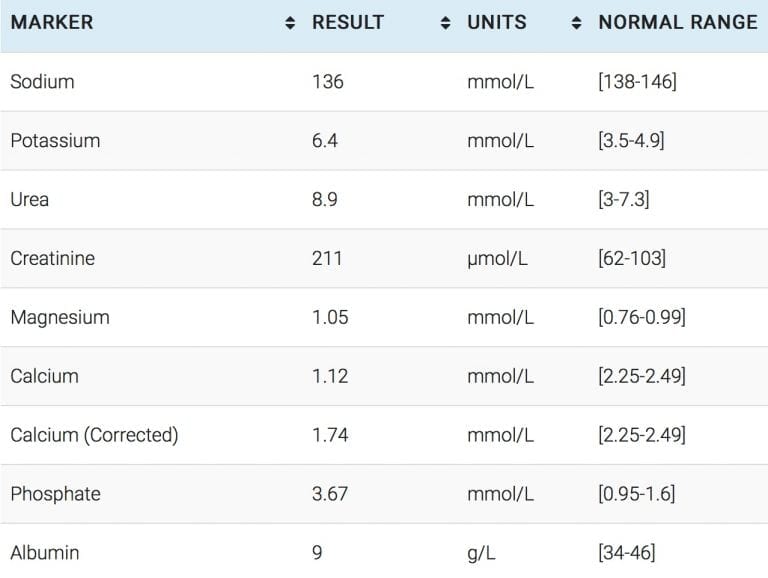
- Electrolytes: Kidney function can be compromised, so electrolyte levels (like potassium and calcium) are monitored.
- Kidney Function Tests: Blood urea nitrogen (BUN) and creatinine levels are checked to assess how well the kidneys are functioning, as myoglobin can be toxic to the kidneys.
In essence, myoglobinuria is a critical indicator that the machinery of your muscles is under significant stress or has been damaged. Recognizing its potential causes and associated symptoms empowers individuals to seek timely medical attention, which is vital for preventing potentially serious complications.
aViewFromTheCave is a participant in the Amazon Services LLC Associates Program, an affiliate advertising program designed to provide a means for sites to earn advertising fees by advertising and linking to Amazon.com. Amazon, the Amazon logo, AmazonSupply, and the AmazonSupply logo are trademarks of Amazon.com, Inc. or its affiliates. As an Amazon Associate we earn affiliate commissions from qualifying purchases.