
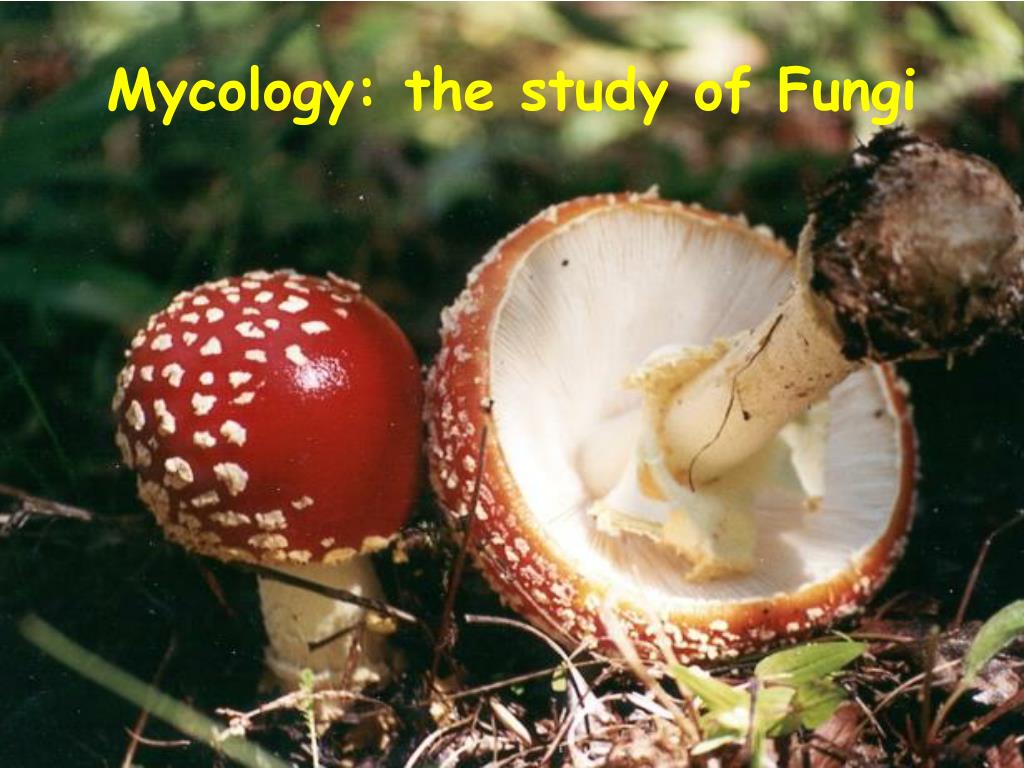
Mycology is the scientific discipline dedicated to the study of fungi, encompassing everything from microscopic yeasts and molds to macroscopic mushrooms. While traditionally viewed through a biological lens, the profound and multifaceted impact of mycology extends far beyond academic research, deeply embedding itself into the global economy. From multi-billion-dollar industries to burgeoning side hustles, the study of fungi unveils a kingdom rich with financial opportunities and sustainable solutions, making mycology a crucial area for understanding market trends, investment potential, and innovative business models within the financial landscape.
Unearthing Economic Potential in the Fungal Kingdom
The fungi kingdom is a veritable goldmine for various industries, offering solutions and products that drive economic activity across diverse sectors. Understanding these applications is key to recognizing the financial footprint of mycology.
The Billion-Dollar Business of Culinary and Medicinal Fungi
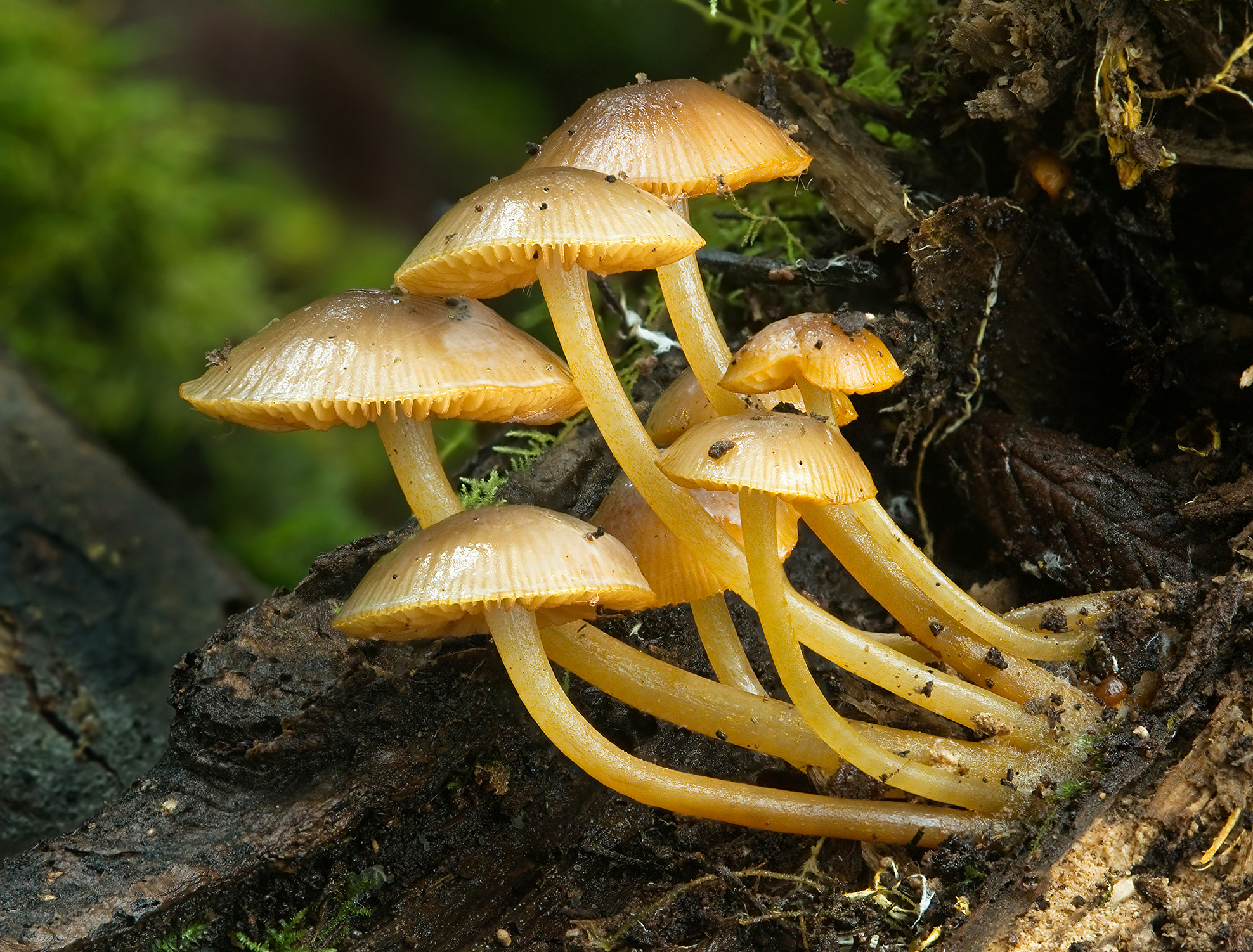
One of the most immediate and recognizable economic contributions of mycology lies in the cultivation and sale of mushrooms. The global market for edible mushrooms alone is projected to reach tens of billions of dollars, fueled by increasing consumer demand for healthy, sustainable, and gourmet food options. From common button mushrooms and exotic shiitake to highly prized truffles, mushroom farming is a sophisticated agricultural endeavor requiring significant capital investment in infrastructure, environmental control, and processing. Beyond culinary uses, medicinal mushrooms like reishi, cordyceps, and lion’s mane are experiencing exponential growth in the nutraceutical and pharmaceutical sectors. These fungi are rich in bioactive compounds with purported health benefits, driving a robust market for supplements, extracts, and functional foods. Businesses in this space navigate complex supply chains, quality control standards, and regulatory landscapes, making careful financial planning and market analysis essential for profitability and growth.
Fungi in Industrial Applications: Beyond the Plate
The economic influence of fungi extends far beyond food and medicine. Industrial mycology plays a critical role in numerous manufacturing processes. Yeast, a type of fungus, is fundamental to the fermentation industries, including brewing beer, winemaking, and baking bread – ancient industries with modern economic heft. Furthermore, fungi are bioreactors for producing enzymes used in detergents, textiles, biofuels, and food processing. For instance, fungal cellulases break down plant matter for biofuel production, while pectinases clarify fruit juices.
Fungi are also pivotal in developing sustainable materials. Mycelium, the root-like structure of fungi, is being engineered into eco-friendly alternatives for plastics, leather, and even building materials. Companies investing in mycelium-based products are tapping into a growing market for sustainable solutions, driven by environmental consciousness and consumer demand for green alternatives. This innovation offers significant opportunities for venture capital and strategic partnerships focused on sustainable manufacturing and reducing reliance on traditional, environmentally damaging materials.
Investment Opportunities in Mycology
For investors and financial analysts, mycology presents a fascinating frontier. The diverse applications of fungi translate into a broad spectrum of investment opportunities, particularly in biotechnology, pharmaceuticals, and sustainable industries.
Biotech and Pharma: Fungal Contributions to Health and Wealth
The pharmaceutical industry has long leveraged fungi for groundbreaking medical advancements. Penicillin, derived from the Penicillium mold, revolutionized medicine, saving countless lives. Today, fungi continue to be a source of novel antibiotics, antifungals, immunosuppressants (like cyclosporine), and cholesterol-lowering statins. The ongoing search for new fungal metabolites with therapeutic potential represents a high-growth area for biotech investment. Companies focusing on fungal genomics, metabolomics, and drug discovery platforms are attracting significant capital. Investing in early-stage biotech firms exploring fungal compounds for cancer treatment, neurodegenerative diseases, or novel antimicrobial agents can yield substantial returns, albeit with inherent risks associated with drug development. Due diligence on scientific rigor, intellectual property, and clinical trial pipelines is paramount for investors in this specialized financial niche.
Sustainable Innovations: Mycelium-Based Industries

The push for sustainability across global markets has opened a significant investment channel for mycelium-based technologies. Startups are harnessing mycelium to create biodegradable packaging materials that replace Styrofoam, durable “leather” for fashion and automotive interiors, and lightweight, strong composites for construction. These innovations address critical environmental challenges like plastic pollution and resource depletion. Investors looking for ESG (Environmental, Social, Governance) compliant portfolios find mycelium companies particularly attractive. The scalability of fungal cultivation, combined with its low environmental footprint and rapid growth cycle, positions these ventures for disruptive innovation and considerable market share in the future materials economy. Financial models for these businesses often involve assessing long-term market adoption rates, production efficiencies, and intellectual property protection for proprietary mycelium strains and manufacturing processes.
Mycology as a Catalyst for Online Income and Side Hustles
Beyond large-scale industrial applications and institutional investments, the study of mycology also empowers individuals to generate income through entrepreneurial ventures and specialized knowledge.
Cultivating Profits: Entrepreneurial Ventures in Mycology
The growing interest in sustainable living, healthy eating, and natural products has created a fertile ground for small-scale mycology-related businesses. Mushroom cultivation kits, offering consumers the ability to grow their own gourmet or medicinal mushrooms at home, are a popular online income stream. Entrepreneurs can sell these kits, provide online courses on mushroom cultivation techniques, or even offer subscription services for fresh, locally grown fungi. Foraging for wild mushrooms, while requiring expert knowledge and safety precautions, can also be monetized through guided tours, selling ethically sourced produce to restaurants, or creating educational content about identification and sustainable harvesting. These ventures often benefit from direct-to-consumer online sales, social media marketing, and local community engagement, representing accessible entry points into the fungal economy for individuals seeking side hustles or small business opportunities.
Educational and Experiential Mycology: Monetizing Knowledge
The specialized knowledge derived from mycology is a valuable commodity in itself. Mycologists and enthusiasts can monetize their expertise through various online and in-person channels. This includes developing and selling online courses on fungal identification, cultivation, ethnomycology, or even advanced topics like fungal bioremediation. Webinars, workshops, and guided excursions can attract participants interested in learning about fungi for personal interest, professional development, or hobbyist pursuits. Content creation, such as YouTube channels dedicated to mushroom foraging or scientific explanations of fungal biology, can generate income through advertising, sponsorships, and merchandise sales. Podcasts, e-books, and specialized consulting services for new mushroom farms or biotech startups further expand the avenues for monetizing mycology knowledge. The digital economy provides a robust platform for sharing this expertise and building a profitable personal brand around the fascinating world of fungi.
Navigating the Financial Landscape of Fungal Ventures
Successfully participating in the fungal economy, whether as an investor, entrepreneur, or industry professional, requires a nuanced understanding of market dynamics, funding mechanisms, and future trends.
Funding and Growth Strategies for Mycology Businesses
Like any enterprise, mycology-focused businesses require careful financial management and strategic growth planning. Startups in fungal biotechnology often seek venture capital or angel investment, presenting detailed business plans that highlight market potential, scientific innovation, and scalability. Traditional agricultural loans or grants may support mushroom farms. For smaller ventures, crowdfunding platforms or microloans can provide initial capital. Growth strategies often involve expanding production capacity, diversifying product lines (e.g., from fresh mushrooms to extracts or value-added products), entering new geographic markets, or forging strategic partnerships with larger food distributors or pharmaceutical companies. Understanding cash flow management, inventory control, and supply chain optimization is crucial for sustained profitability in these often capital-intensive or research-driven fields.
Market Trends and Future Forecasts in the Fungal Economy
The future of the fungal economy appears robust, driven by several overarching trends. The increasing consumer demand for plant-based diets and sustainable alternatives will continue to fuel the growth of edible and mycelium-based products. Advances in genetic engineering and synthetic biology will unlock new applications for fungi in bioremediation, bioplastics, and novel drug discovery. Climate change concerns will further elevate the importance of fungi in carbon sequestration and ecosystem restoration. Investors and entrepreneurs should monitor research breakthroughs, regulatory shifts (especially concerning novel food ingredients or pharmaceuticals), and evolving consumer preferences to identify emerging opportunities. The integration of AI and big data analytics in fungal research and cultivation will also likely optimize processes and accelerate innovation, offering further avenues for investment in supporting technologies. The study of mycology, therefore, is not merely an academic pursuit but a powerful lens through which to identify and capitalize on significant economic opportunities in a rapidly evolving global market.
aViewFromTheCave is a participant in the Amazon Services LLC Associates Program, an affiliate advertising program designed to provide a means for sites to earn advertising fees by advertising and linking to Amazon.com. Amazon, the Amazon logo, AmazonSupply, and the AmazonSupply logo are trademarks of Amazon.com, Inc. or its affiliates. As an Amazon Associate we earn affiliate commissions from qualifying purchases.