
For many car owners, the question “What is my vehicle worth on trade-in?” is a critical one when considering a new purchase. It’s not just about getting rid of an old car; it’s about making a smart financial decision that can significantly impact the overall cost of your next vehicle. Trading in your car can be a convenient way to reduce the upfront cost of a new one and simplify the sales process. However, without proper understanding and preparation, you risk leaving a substantial amount of money on the table.
This guide will delve into the intricate world of vehicle trade-in valuations, providing you with the knowledge and strategies to accurately assess your car’s worth and negotiate the best possible deal. We’ll explore the factors that influence value, the tools available for research, and the financial implications of your choices, all from a personal finance perspective.
Understanding the Trade-In Valuation Process
At its core, a vehicle trade-in is a financial transaction where a dealership purchases your existing car. Their offer is influenced by a complex interplay of market dynamics, their business model, and the specifics of your vehicle.
The Dealership’s Perspective: Why They Offer What They Do
Dealerships operate with the primary goal of making a profit. When they take your car on trade, they’re not just buying it; they’re acquiring an asset they intend to resell, either on their lot or through wholesale channels. Their trade-in offer reflects several considerations:
- Resale Profit Margin: They need enough room to clean, recondition, and market the vehicle, then sell it at a profit.
- Cost of Reconditioning: This includes potential mechanical repairs, cosmetic fixes, and detailing. They will factor in an estimated cost for bringing the car up to a salable standard.
- Market Demand: How quickly can they sell a car like yours? High-demand models command better trade-in offers.
- Inventory Levels: If they have too many similar models, they might offer less to avoid overstocking.
- Wholesale Value: If they don’t believe they can sell the car on their retail lot, they’ll estimate its value at auction or to another dealer, which is typically lower than retail.
- Leverage in New Car Sale: Sometimes, a dealership might offer a slightly lower trade-in value to create more room for negotiation on the new vehicle’s price, or vice-versa, making the overall deal appear more attractive. Understanding this interplay is crucial for a financially astute buyer.
Key Factors Influencing Trade-In Value
Several objective and subjective factors contribute to your car’s trade-in worth:
- Make, Model, and Year: Certain brands and models hold their value better than others due to reputation for reliability, fuel efficiency, or popularity. Newer cars generally command higher values.
- Mileage: This is one of the most significant depreciation factors. Higher mileage typically means more wear and tear, reducing value.
- Condition (Interior & Exterior): Dents, scratches, rust, torn upholstery, smoke odors, and excessive wear all detract from value. A well-maintained and clean car will always fetch a better offer.
- Mechanical Condition: Engine issues, transmission problems, faulty brakes, or warning lights indicate expensive repairs, which the dealership will factor into their offer.
- Maintenance History: A complete service record indicates a well-cared-for vehicle and can instill confidence in the buyer.
- Features and Options: Premium packages, navigation systems, sunroofs, advanced safety features, and upgraded wheels can enhance a car’s appeal and value, especially if they are desirable in the used car market.
- Location: Vehicle values can vary regionally based on local demand, climate (e.g., 4WD vehicles may be more valuable in snowy regions), and specific market conditions.
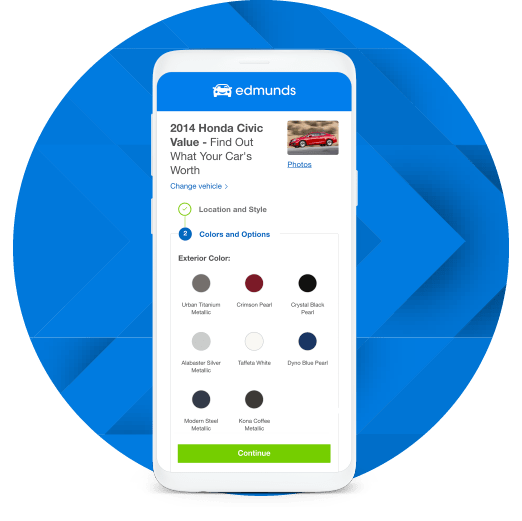
- Color: Believe it or not, popular car colors can sometimes influence resale value positively, while unusual or polarizing colors might limit appeal.
The Difference Between Trade-In, Retail, and Private Sale Value
It’s vital to differentiate between these three valuation benchmarks to set realistic financial expectations:
- Trade-In Value: This is the amount a dealership is willing to pay you for your car. It is typically the lowest of the three, as it includes the dealer’s necessary profit margin and reconditioning costs.
- Wholesale/Auction Value: This is what a dealer might pay another dealer or at an auction if they don’t plan to sell the car on their lot. It’s generally very close to, or sometimes even lower than, the trade-in offer, representing the floor value.
- Private Sale Value: This is the price you could expect to get by selling your car directly to another consumer. It is typically the highest value because you eliminate the middleman (the dealership) and capture that profit margin yourself. However, it requires more effort, time, and responsibility on your part.
- Retail Value: This is the price a dealership would sell your car for if they acquired it and prepared it for sale. It’s the highest of the four, reflecting their reconditioning, marketing, and profit.
Understanding these distinctions will empower you to make an informed financial decision about whether trading in or selling privately is the best path for you.
Preparing Your Vehicle for Trade-In: Boosting Its Appeal and Value
Maximizing your trade-in value is an exercise in preparation. A well-presented and well-documented vehicle sends a clear message to the dealership that it has been cared for, reducing their perceived risk and potential reconditioning costs.
Aesthetic Improvements: Cleanliness and Minor Repairs
First impressions matter immensely. Before taking your car to a dealership, invest a small amount of time and money into its appearance:
- Detailing: A thorough cleaning, inside and out, is non-negotiable. This includes vacuuming, wiping down surfaces, cleaning windows, and washing/waxing the exterior. Consider a professional detail if the car is particularly dirty or stained. Remove all personal belongings.
- Minor Cosmetic Fixes: Address small dents, scratches, or paint chips that can be easily (and cheaply) repaired. If a headlight is out, replace it. Fix any obvious interior issues like a loose trim piece or a broken vent. These small fixes can prevent a dealer from lowballing their offer, assuming larger underlying problems.
- Tire Condition: Ensure tires are properly inflated and have decent tread. Worn tires are a clear sign of impending cost for the next owner.
- Remove Odors: Air out the car, use odor eliminators, and avoid strong air fresheners that might hint at covering up an issue.
Mechanical Maintenance and Documentation
While you don’t want to overspend on major repairs that you won’t recoup, ensuring the car is mechanically sound and documenting its history is crucial.
- Address Warning Lights: If the “Check Engine” light or other warning indicators are on, get them diagnosed. If it’s a minor fix, resolve it. If it’s a major issue, understand its implications so you’re not surprised by the dealer’s assessment.
- Routine Maintenance: Ensure all routine maintenance (oil changes, fluid checks, tire rotations) is up to date.
- Gather Service Records: Compile a folder with all your service receipts, repair invoices, and maintenance logs. This verifiable history demonstrates diligent ownership and can significantly enhance confidence in the vehicle’s reliability.
- CarFax/Vehicle History Report: While the dealer will run one, having your own report ready (and ensuring its accuracy) can pre-empt questions and demonstrate transparency.
Gathering Essential Paperwork
Having all necessary documents organized and ready streamlines the trade-in process and confirms ownership and legitimacy.
- Title/Pink Slip: This is proof of ownership. If you have a loan, the lienholder will hold the title, but you’ll need the account information.
- Registration: Current registration documents.
- Proof of Insurance: While not always required for trade-in, it’s good to have on hand for the new car.
- Maintenance Records: As mentioned, a complete history is invaluable.
- Owner’s Manual: Having the original manual shows completeness.
- Spare Keys/Fobs: Provide all sets of keys. Losing a key fob can be expensive to replace, which a dealer will factor in.
Researching Your Vehicle’s Value: Leveraging Financial Tools and Data
In today’s digital age, you have an unprecedented array of tools and resources at your fingertips to accurately estimate your car’s trade-in value. This financial due diligence is perhaps the most important step.
Utilizing Online Valuation Tools (e.g., Kelley Blue Book, Edmunds, NADAguides)
These platforms are industry standards for car valuation. They provide estimated values based on various factors you input about your vehicle.
- Kelley Blue Book (KBB): Offers “Trade-in Value,” “Private Party Value,” and “Retail Value.” Be honest about your car’s condition for the most accurate estimate.
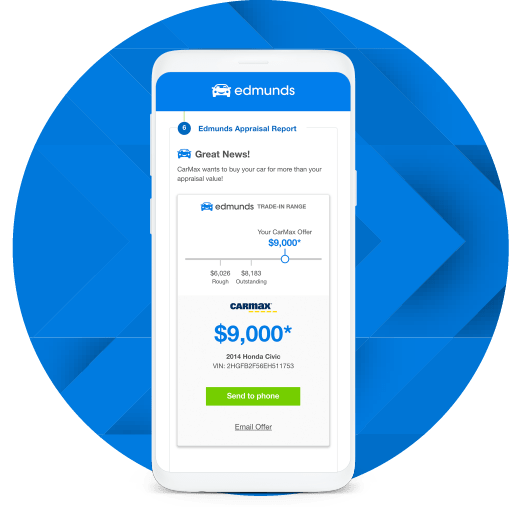
- Edmunds: Provides an “Appraisal Tool” that gives you an estimated cash offer or trade-in value, often based on actual recent sales data.
- NADAguides: Often used by dealerships and lenders, it provides clean trade-in, average trade-in, and rough trade-in values.
- CarGurus/TrueCar: These sites often show actual vehicles for sale in your area, giving you real-time market insights.
Use multiple sources and compare their estimates. Understand that these are estimates, and the actual offer will depend on the dealer’s specific assessment.
Analyzing Local Market Trends and Inventory
Beyond national averages, local market conditions play a significant role.
- Search Local Dealership Inventories: Look at used cars similar to yours on local dealer websites. What are they selling for? How long have they been on the lot? This gives you an idea of the retail value they expect.
- Browse Private Sale Listings: Check local classifieds (online and offline) for similar vehicles being sold by private parties. This helps gauge the high end of what a consumer might pay.
- Economic Factors: Local economic health, fuel prices, and even weather patterns can influence demand for certain vehicle types.
Understanding Depreciation: A Key Financial Consideration
Depreciation is the most significant cost of car ownership after the purchase price and is a critical financial concept when considering trade-in value.
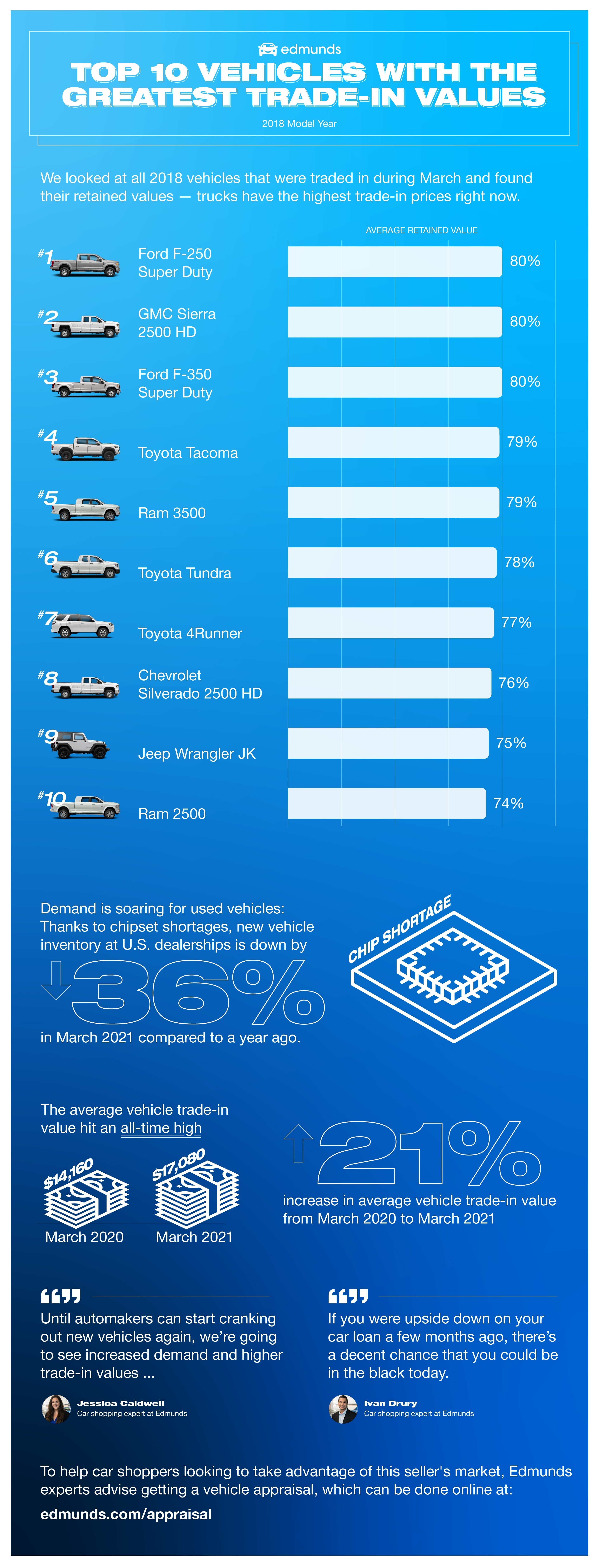
- Initial Drop: A new car typically loses 20-30% of its value in the first year and 50-60% over five years.
- Factors Accelerating Depreciation: High mileage, poor maintenance, accident history, unpopular models, and significant cosmetic damage can all accelerate depreciation.
- Holding Value: Some vehicles (e.g., certain SUVs, trucks, and luxury brands with strong resale markets) depreciate slower than others. Researching depreciation trends for your specific model can provide valuable financial insight into its long-term worth.
Navigating the Negotiation: Strategies for a Better Trade-In Deal
Armed with thorough research and a well-prepared vehicle, you are in a stronger position to negotiate. Remember, the goal is to optimize your financial outcome.
Separating the Trade-In from the Purchase Price
This is a golden rule of car buying. Dealers often “bundle” the new car price, trade-in value, and financing into one monthly payment, making it difficult to discern if you’re getting a good deal on each component.
- Negotiate New Car Price First: Agree on the purchase price of the new vehicle before discussing your trade-in.
- Then Negotiate Trade-In: Once the new car price is firm, shift focus to your trade-in. This prevents the dealer from increasing your trade-in value only to inflate the new car price.
- Get Multiple Offers: Visit several dealerships to get competing trade-in appraisals. Tell them you’re only interested in the trade-in offer, not a new car purchase yet.
Knowing When to Walk Away
Be prepared to walk away if the trade-in offer is significantly below your researched value. You have other options. This readiness is your most powerful negotiating tool. A lowball offer might indicate that the dealer isn’t interested in your specific model, or they are trying to maximize their profit at your expense.
The Private Sale Alternative: Is It Worth the Effort?
If the trade-in offers are disappointing, consider selling your car privately.
- Potential for Higher Return: As noted, private sales typically yield a higher financial return than trade-ins.
- Time and Effort: This route demands more of your time for advertising, showing the car, dealing with inquiries, and handling paperwork.
- Safety and Security: Be mindful of personal safety and financial security when dealing with private buyers. Meet in public places, be cautious with payment methods, and use legal documents for the sale.
- No Tax Advantage: In many states, trading in a car reduces the taxable amount of your new car purchase, providing a direct tax savings. This financial benefit is lost with a private sale, so factor that into your comparison.
Financial Implications and Alternatives
The decision to trade in or sell privately has several financial ramifications beyond just the immediate cash received.
Tax Advantages of Trading In
One of the most compelling financial benefits of trading in your vehicle is the sales tax savings. In most states, when you trade in a car, you only pay sales tax on the difference between the new car’s price and your trade-in value.
- Example: If you buy a $30,000 car and trade in your old one for $10,000, you’ll pay sales tax only on $20,000. If the sales tax rate is 6%, that’s $1,200 in tax. If you sold privately and then bought the new car, you’d pay tax on the full $30,000, resulting in $1,800 in tax – a $600 difference. This can make a lower trade-in offer more financially attractive than it initially appears.
Weighing Trade-In Against Selling Privately
The choice between trade-in and private sale is a personal financial decision that balances convenience against potential monetary gain:
- Trade-In Pros: Convenience, immediate value, sales tax savings, no hassle with buyers.
- Trade-In Cons: Lower monetary return, less control over price.
- Private Sale Pros: Potentially higher financial return, full control over pricing.
- Private Sale Cons: Significant time investment, advertising costs, safety concerns, no sales tax benefit on new car purchase, dealing with paperwork.
Carefully calculate the net financial benefit of each option, considering the tax savings, your time’s value, and your comfort level with the private sale process.
Considering a Lease Buyout or Dealer Consignment
Two other financial avenues exist, though they are less common for the average car owner:
- Lease Buyout: If you’re at the end of a lease, you might have the option to buy the car at a predetermined price. If the market value of the car is higher than your buyout price, it could be a financially savvy move to buy it and then trade it in or sell it privately for a profit.
- Dealer Consignment: Some luxury or specialized dealerships offer consignment services. You leave your car with them, and they sell it on your behalf for a fee, typically a percentage of the sale price. This offers the potential for a higher return than a direct trade-in without the full hassle of a private sale, though it ties up your car and requires trust in the dealer.
Understanding your vehicle’s true worth on trade-in is not merely about finding a number; it’s about mastering a personal finance strategy that empowers you to make an informed, confident, and ultimately, more profitable decision when acquiring your next car. By doing your homework, preparing your vehicle, and negotiating wisely, you can ensure you receive maximum value for your asset.
aViewFromTheCave is a participant in the Amazon Services LLC Associates Program, an affiliate advertising program designed to provide a means for sites to earn advertising fees by advertising and linking to Amazon.com. Amazon, the Amazon logo, AmazonSupply, and the AmazonSupply logo are trademarks of Amazon.com, Inc. or its affiliates. As an Amazon Associate we earn affiliate commissions from qualifying purchases.