
In the competitive landscape of the global cruise industry, brand differentiation is no longer just about the size of the ship or the number of water slides on the top deck. It is about the curation of personal agency and the flexibility of the guest experience. Royal Caribbean International, a titan in the maritime leisure sector, has mastered this through its signature “My Time Dining” program. While many travelers view this simply as a logistical choice for dinner, from a brand strategy perspective, it represents a fundamental shift in how a corporate identity adapts to the evolving psychological needs of the modern consumer.
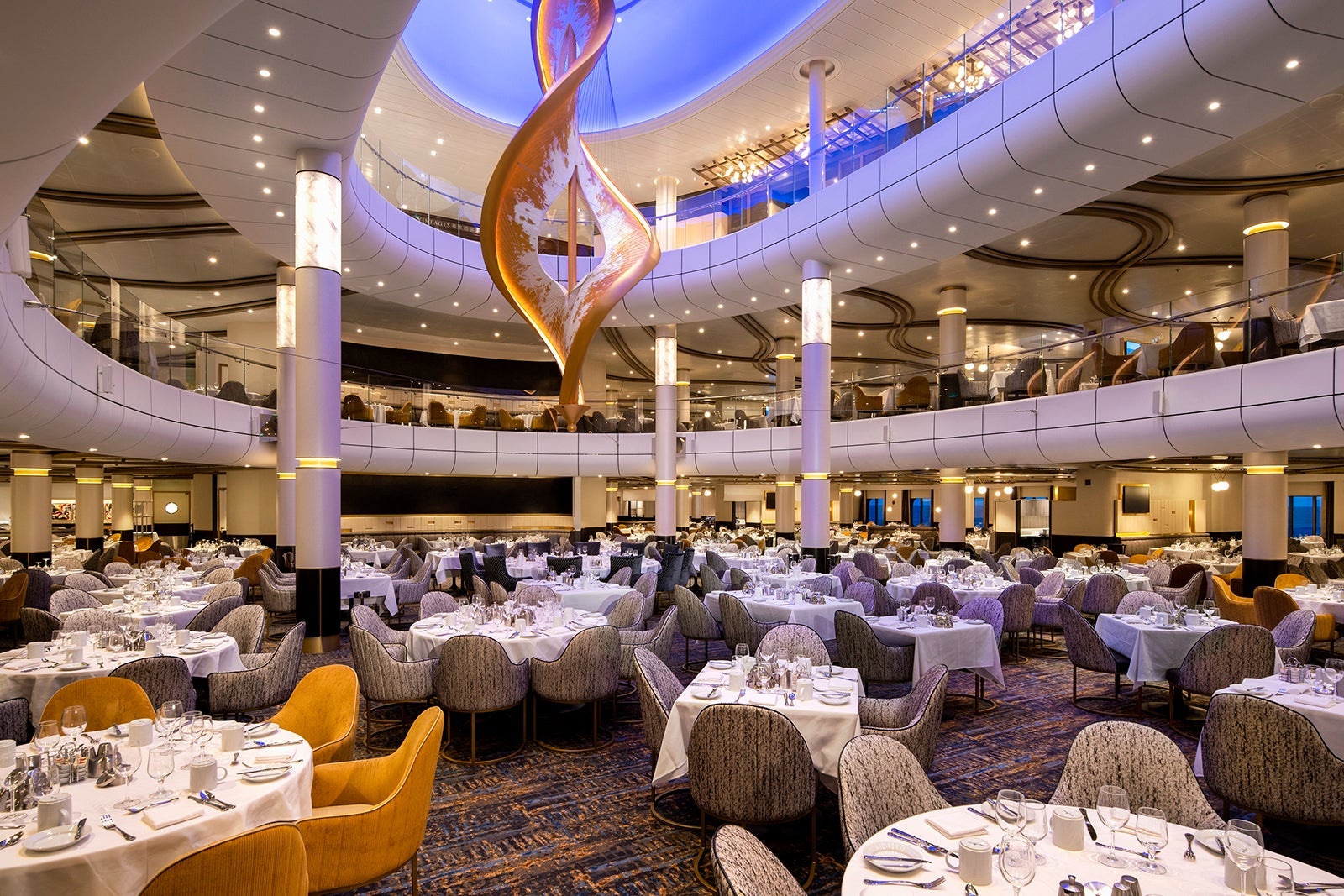
“What is My Time Dining?” is a question that leads directly to the heart of Royal Caribbean’s brand promise: the “Way More Than a Cruise” philosophy. By deconstructing the traditional, rigid dining structures of the past, Royal Caribbean has rebranded the concept of luxury not as formality, but as freedom.
The Evolution of the Cruise Experience as a Brand Differentiator
To understand the brand significance of My Time Dining, one must first look at the traditional cruise model. For decades, the industry was defined by “Traditional Dining,” where guests were assigned a specific table and a specific time (usually 5:30 PM or 8:00 PM) for the duration of their voyage. While this fostered a sense of community and predictable service, it eventually became a friction point for a new generation of travelers who value spontaneity.
Responding to Consumer Shifts toward Hyper-Personalization
Modern brand strategy dictates that the consumer should be the hero of the narrative, not the schedule. Royal Caribbean recognized that the “Early” and “Late” seating model was a relic of an era where the brand dictated the pace of the vacation. By introducing My Time Dining, the brand pivoted toward hyper-personalization. This move was a direct response to the “on-demand” culture popularized by digital platforms. Just as consumers expect to stream content when they want, they now expect to dine when they want.
Bridging the Gap Between Luxury and Accessibility
Historically, flexible dining was a feature reserved for ultra-luxury, small-ship lines. By implementing a flexible model across its fleet of mega-ships, Royal Caribbean effectively democratized a luxury brand attribute. This move allowed the brand to occupy a unique market position: offering the scale and excitement of a massive resort with the personalized, flexible service standards typically found in boutique environments.
Defining the “My Time Dining” Brand Identity
A successful brand sub-category requires a clear identity that aligns with the parent company while offering a specific value proposition. “My Time Dining” is branded as the ultimate solution for the “active” cruiser—those who don’t want to cut their shore excursion short or leave the pool early just to make an assigned dinner time.
Flexibility as a Core Brand Value
The core value proposition of My Time Dining is autonomy. From a strategic standpoint, Royal Caribbean uses this program to tell a story of empowerment. The brand messaging emphasizes that the vacation belongs to the guest, not the kitchen. This helps mitigate the “herd mentality” often associated with large-ship cruising, reinforcing a brand image of individual care and consideration.
Integration with the Digital Brand Ecosystem
In the modern era, a brand is only as strong as its digital touchpoints. Royal Caribbean has seamlessly integrated My Time Dining into the “Royal Caribbean App.” This digital synergy is a masterclass in brand consistency. The ease of booking a table at 6:45 PM one night and 8:15 PM the next via a smartphone app reinforces the brand’s image as a tech-forward, frictionless provider of leisure. It transforms a logistical necessity into a sleek, user-centric feature of the “Royal” experience.
Operational Excellence as a Brand Promise
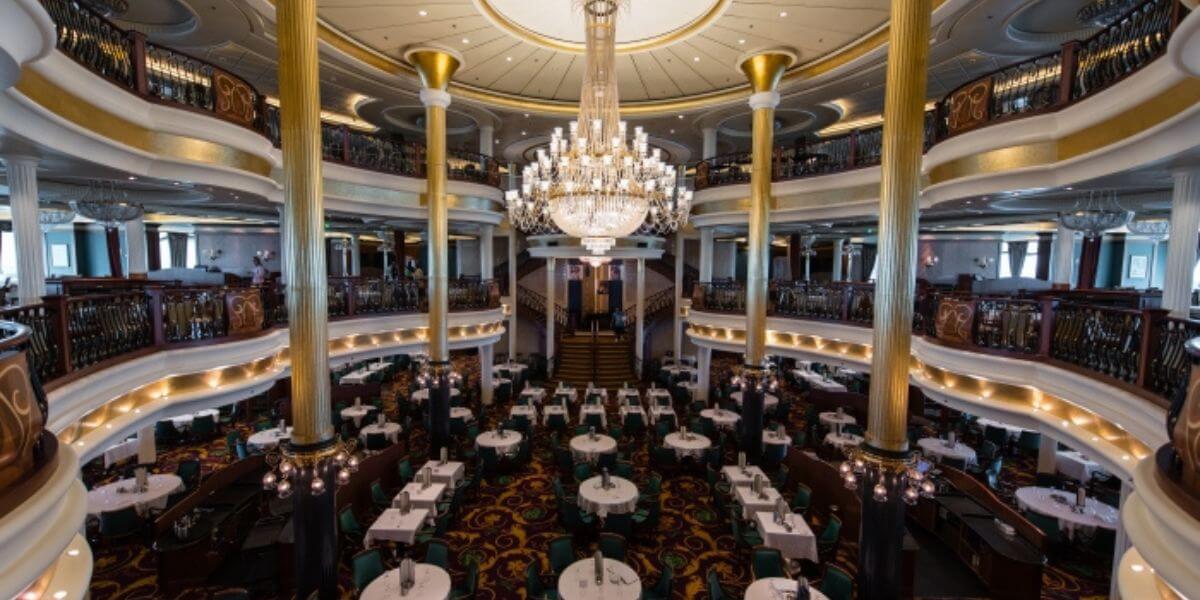
A brand is a promise kept. If Royal Caribbean promises “My Time Dining” but guests face two-hour wait times, the brand equity is instantly damaged. Therefore, the brand strategy behind this dining model is inextricably linked to operational excellence and the “back-of-house” sophistication that the public rarely sees.
Staff Training and the “Personalized Service” Metric
One of the challenges of flexible dining is the potential loss of the relationship between the waiter and the guest—a hallmark of traditional cruise branding. To counter this, Royal Caribbean trains its staff to deliver a “Gold Anchor” level of service that is rapid yet personal. The brand relies on sophisticated data management systems to track guest preferences, allergies, and past orders, ensuring that even if a guest sits at a different table every night, the service feels continuous and bespoke. This consistency is vital for maintaining the brand’s reputation for high-quality hospitality.
Scalability and the Logistics of Choice
The branding of “My Time Dining” also serves a functional purpose in managing the flow of thousands of people. By spreading the dining window across several hours, Royal Caribbean avoids the “bottleneck” effect of traditional seatings. This operational efficiency is framed to the consumer as “choice,” but for the brand, it is a strategic tool to maximize the capacity of its venues and reduce perceived crowding, thereby increasing overall guest satisfaction scores.
Brand Loyalty and the Impact on Customer Lifetime Value (CLV)
In the cruise industry, repeat business is the lifeblood of profitability. Royal Caribbean’s Crown & Anchor Society (its loyalty program) relies on the brand’s ability to consistently exceed expectations. My Time Dining plays a pivotal role in this retention strategy by removing a major “pain point” of the cruise experience.
The Role of Choice in Modern Brand Loyalty
Today’s luxury and premium consumers are more loyal to brands that respect their time. By offering My Time Dining, Royal Caribbean positions itself as an intuitive brand that understands the diverse needs of its demographic—from families with young children who need early meals to couples who prefer late-night romantic dinners. When a brand demonstrates this level of situational awareness, it builds deep emotional resonance with the consumer, leading to higher Customer Lifetime Value.
Competitive Positioning in the Global Market
In the “Cruise Wars,” brands like Norwegian Cruise Line (NCL) pioneered “Freestyle Cruising,” while Carnival focused on the “Fun Ship” persona. Royal Caribbean’s My Time Dining is a strategic counter-move that allows it to compete on both fronts. It offers the freedom of NCL while maintaining the sophisticated, multi-generational appeal that is core to the Royal Caribbean identity. This dual-positioning makes the brand more resilient and attractive to a broader segment of the market, from Gen Z travelers seeking flexibility to Boomers who value the premium Main Dining Room atmosphere.
Conclusion: The Future of the Royal Caribbean Brand Narrative
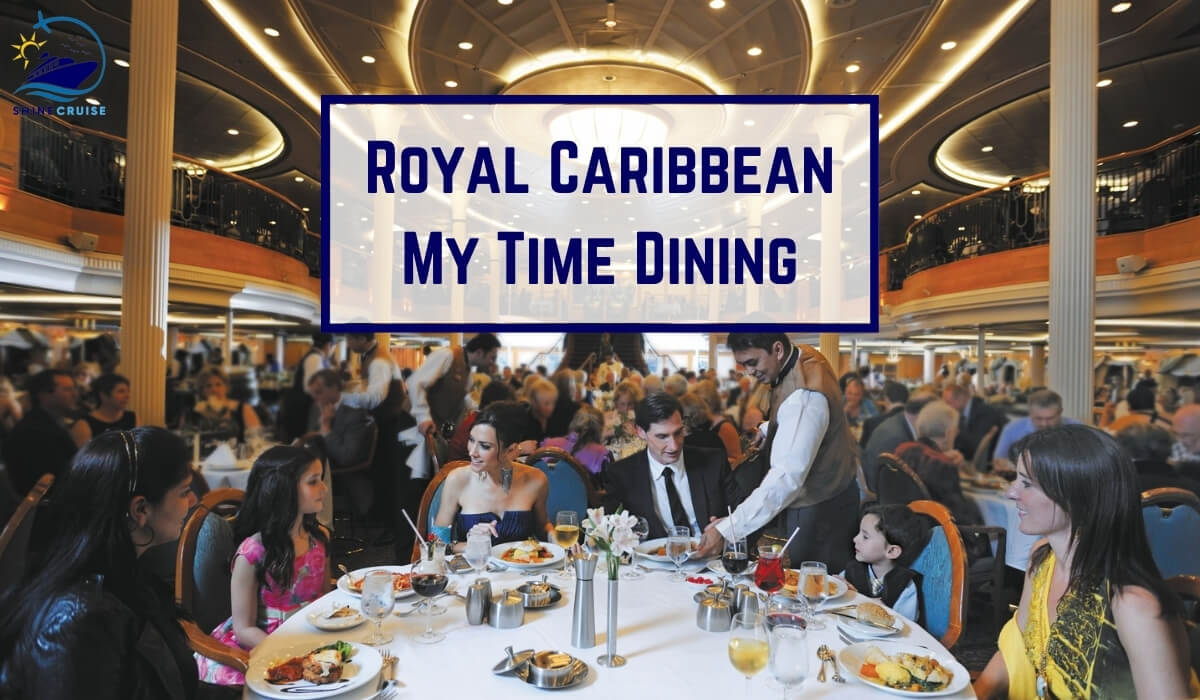
“What is My Time Dining?” is more than a logistical question; it is an inquiry into how a global brand manages the tension between scale and intimacy. Royal Caribbean has successfully used this dining model to redefine its brand narrative, moving away from the rigid structures of 20th-century travel toward a fluid, guest-centric future.
By prioritizing flexibility, integrating digital solutions, and maintaining high operational standards, Royal Caribbean has ensured that “My Time Dining” is not just a feature, but a cornerstone of its brand identity. In an era where “time” is the ultimate luxury, the ability for a brand to give that time back to its customers is the most powerful marketing tool of all. As Royal Caribbean continues to launch the world’s largest ships, the success of the brand will rely on its ability to make every guest feel like they are on a private yacht where the clock is irrelevant and the service is always “on time.”
aViewFromTheCave is a participant in the Amazon Services LLC Associates Program, an affiliate advertising program designed to provide a means for sites to earn advertising fees by advertising and linking to Amazon.com. Amazon, the Amazon logo, AmazonSupply, and the AmazonSupply logo are trademarks of Amazon.com, Inc. or its affiliates. As an Amazon Associate we earn affiliate commissions from qualifying purchases.