
Your Social Security Number (SSN) is far more than just a nine-digit code; it is the cornerstone of your financial identity in the United States. Issued by the Social Security Administration (SSA), this unique identifier tracks your earnings throughout your working life, determining your eligibility for Social Security benefits upon retirement, disability, or in the event of your death. Beyond these direct benefits, the SSN is an indispensable key to virtually every aspect of your personal finance, from opening a bank account to securing a mortgage, filing taxes, and even obtaining a job. Understanding its significance, knowing where to locate it, and, most importantly, how to protect it, are critical components of sound financial management.
The Core of Your Financial Identity
The Social Security Number’s role has expanded dramatically since its inception in 1936 as part of the New Deal, designed to track worker contributions to the Social Security program. Today, it serves as a de facto national identification number, intertwining with nearly every financial transaction and bureaucratic process you undertake.
More Than Just a Number
Initially, the SSN was conceived solely for federal government use related to Social Security benefits. However, its efficiency as a unique identifier led to its adoption by various other government agencies and, subsequently, the private sector. It’s now required for opening investment accounts, applying for credit cards, obtaining loans, securing insurance policies, and even enrolling in educational institutions. This widespread use elevates its status from a mere program identifier to the very bedrock of an individual’s financial and legal standing. Without an SSN, participating in most financial activities in the U.S. becomes exceedingly difficult, if not impossible.
Its Role in Personal Finance
In personal finance, your SSN links your identity to your financial activities and obligations. It enables banks to verify your identity, credit bureaus to track your borrowing and repayment history, and employers to report your income to the IRS. For example, when you apply for a loan, lenders use your SSN to pull your credit report and score, assessing your creditworthiness. When you start a new job, your employer needs your SSN to report your wages and withholding taxes. For self-employed individuals, the SSN is essential for filing taxes and reporting business income. Its pervasive utility underscores why safeguarding this number is paramount to protecting your financial well-being.
Where to Find Your Social Security Number
Knowing the importance of your SSN is one thing; remembering it or knowing where to quickly and safely locate it is another. While you should ideally memorize your SSN for convenience, several official sources exist if you need to retrieve it.
Official Documents are Key
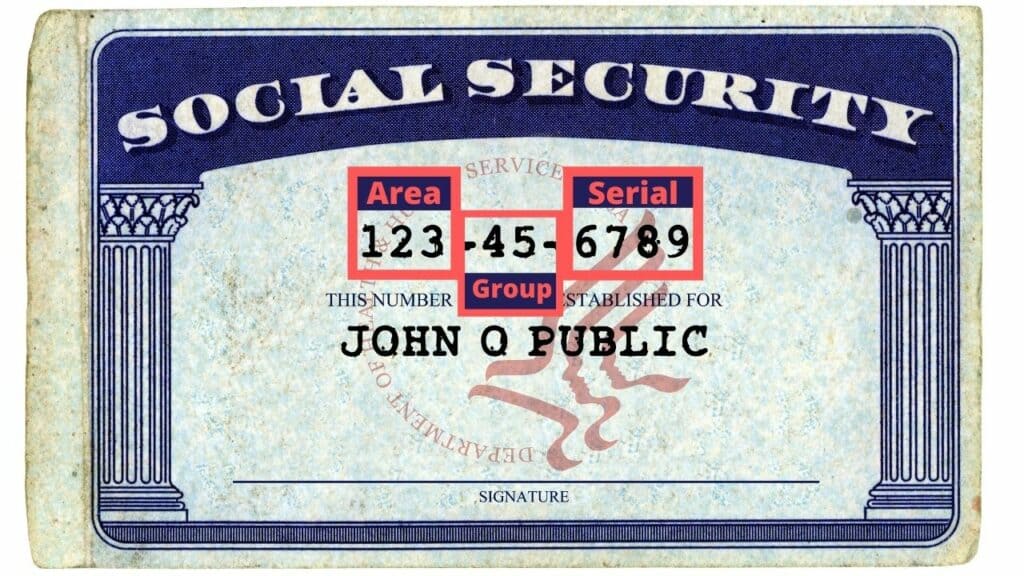
The most straightforward place to find your SSN is on your Social Security card itself. This small, rectangular card issued by the SSA explicitly states your full name and SSN. If you possess your physical card, keep it in a secure location, preferably not in your wallet or purse where it could be easily lost or stolen.
Beyond the card, several other official documents frequently display your SSN:
- Tax Documents: Your annual W-2 forms (Wage and Tax Statement), 1099 forms (for independent contractors or investment income), and your filed federal and state income tax returns prominently feature your SSN.
- Pay Stubs: Some pay stubs may show the last four digits or the full SSN.
- Benefit Statements: Statements from the Social Security Administration regarding benefits you receive or have accumulated will include your SSN.
- Health Insurance Cards: Less common now due to privacy concerns, but older health insurance cards might have included your SSN.
- Loan and Credit Applications: Copies of past loan applications, credit card statements, or mortgage documents might contain your SSN.
Online and Government Resources
If you cannot locate your physical card or any documents containing your SSN, you have official avenues to retrieve it:
- My Social Security Account: The SSA offers an online “My Social Security” account where you can access your earnings record, estimate future benefits, and, crucially, view your SSN. You must create an account and verify your identity through a robust process involving personal information and knowledge-based authentication questions. This is often the quickest digital route.
- Contacting the SSA: You can contact the Social Security Administration directly. While they generally do not give out SSNs over the phone to prevent fraud, they can guide you through the process of applying for a replacement Social Security card, which will contain your SSN. You will need to fill out Form SS-5, “Application for a Social Security Card,” and provide documentation proving your identity, age, and U.S. citizenship or lawful alien status. This process can be done at a local SSA office or by mail.
Protecting Your Most Important Financial Identifier
Given its widespread use and critical role, your SSN is a prime target for identity thieves. Protecting it is not just advisable; it’s an essential practice for safeguarding your entire financial life.
The Dangers of Identity Theft
If your SSN falls into the wrong hands, identity thieves can use it to:
- Open new credit accounts: They can apply for credit cards, loans, or mortgages in your name, racking up debt that impacts your credit score.
- File fraudulent tax returns: They may file a tax return using your SSN to claim a refund before you do.
- Get a job: They might use your SSN to work, meaning their income could be reported under your name, leading to tax complications for you.
- Access medical services: They could use your SSN to obtain medical services or file claims with your health insurer.
- Commit crimes: They might even use your SSN during an arrest, creating a criminal record under your name.
The consequences of SSN-related identity theft can be severe, leading to significant financial losses, damage to your credit, legal troubles, and immense stress as you work to undo the damage.
Best Practices for Safeguarding Your SSN
Vigilance and proactive measures are key to protecting your SSN:
- Do not carry your Social Security card: Keep your physical card in a secure place at home, such as a locked safe or drawer, rather than in your wallet or purse.
- Shred documents containing your SSN: Before discarding any documents that show your SSN (like old tax forms, pay stubs, or medical bills), shred them thoroughly.
- Be wary of unsolicited requests: Never provide your SSN over the phone or via email or text unless you initiated the contact and are certain of the recipient’s legitimacy. Government agencies like the IRS or SSA will typically not request your SSN via email or unsolicited phone calls.
- Use strong passwords and two-factor authentication: For online accounts that link to your SSN (like your “My Social Security” account), use complex, unique passwords and enable two-factor authentication whenever possible.
- Check your credit report regularly: Monitor your credit reports from the three major bureaus (Equifax, Experian, TransUnion) annually (or more frequently) for any suspicious accounts or inquiries you don’t recognize. You can get a free report from each bureau once a year via AnnualCreditReport.com.
- Review bank and credit card statements: Scrutinize your financial statements for unauthorized transactions.

When to Share (and When Not To)
While your SSN is crucial, you should exercise extreme caution about when and with whom you share it.
When it’s typically legitimate to share:
- Employers: For tax reporting and payroll.
- Banks and financial institutions: When opening accounts, applying for loans, or other financial services.
- Government agencies: For taxes (IRS), Social Security benefits (SSA), or certain government services where identification is necessary.
- Landlords: For background and credit checks during a rental application.
- Healthcare providers: For billing purposes, though often other identifiers suffice.
- Credit bureaus: When directly contacting them for credit disputes or to place a fraud alert.
When you should never share:
- Over the phone or email if unsolicited: Be suspicious of calls or emails claiming to be from banks, government agencies, or tech support that ask for your full SSN. Always verify by calling the institution back using a number you know to be legitimate.
- On social media or public forums: Absolutely never post your SSN or any partial numbers online.
- For non-essential services: If a private company requests your SSN for a service that doesn’t clearly require it (e.g., a simple magazine subscription), question why they need it and offer alternative forms of identification if possible. Often, the last four digits are sufficient for verification, not the full number.
The Practical Impact of Your SSN on Your Money
The SSN isn’t just a number to protect; it’s a number that actively facilitates your engagement with the financial system, influencing your income, debt, and future security.
Employment and Taxes
Your SSN is fundamental for employment. It enables employers to report your wages to the government and withhold the correct amount for federal, state, and local taxes, including Social Security and Medicare contributions. Without a valid SSN, legal employment in the U.S. is generally not possible. For tax purposes, your SSN is your primary taxpayer identification number, essential for filing your annual income tax returns with the IRS. It ensures that your income and tax payments are correctly attributed to you.
Credit and Loans
One of the most significant financial impacts of your SSN is its role in establishing and maintaining your credit history. Every time you open a credit card, take out a car loan, apply for a mortgage, or finance a major purchase, your SSN is used to link that activity to your credit file. This file, maintained by credit bureaus, tracks your borrowing, repayment behavior, and overall financial reliability. Lenders use this information, summarized in your credit score, to assess your risk profile and determine whether to approve you for credit and at what interest rate. A strong credit history built around a secure SSN is vital for obtaining favorable terms on loans and credit.
Government Benefits and Retirement Planning
The original purpose of the SSN remains critically important: enabling the SSA to track your earnings history. The amount of Social Security taxes you pay over your working life directly impacts the Social Security benefits you and your family may receive in retirement, disability, or as survivors. Your “My Social Security” account provides a personalized estimate of these benefits, making your SSN a direct link to your future financial security in old age or unforeseen circumstances.
Financial Account Management
From basic checking and savings accounts to complex investment portfolios, your SSN is required by financial institutions to comply with federal regulations, including the Bank Secrecy Act and the Patriot Act. These laws mandate that financial institutions collect and verify the identity of their customers to prevent money laundering and terrorist financing. Therefore, your SSN is necessary for opening and managing almost any type of financial account, ensuring that your financial activities are properly recorded and linked to your identity.
What to Do If Your SSN Is Compromised or Lost
Despite your best efforts, there may come a time when your SSN is compromised or your Social Security card is lost or stolen. Knowing the immediate steps to take can mitigate potential damage and help you regain control of your financial identity.
Immediate Steps for Identity Theft
If you suspect your SSN has been compromised:
- Contact the SSA: Inform the Social Security Administration about the potential breach. They can provide guidance and help monitor your earnings record.
- Place a Fraud Alert or Freeze Your Credit: Contact one of the three major credit bureaus (Equifax, Experian, or TransUnion) to place an initial fraud alert on your credit report. This alert requires businesses to verify your identity before extending new credit. The bureau you contact will notify the other two. Consider freezing your credit, which prevents anyone, including you, from opening new credit in your name without unfreezing it first.
- File a Police Report: Report the identity theft to your local police department. Obtain a copy of the report, as it can be crucial evidence when dealing with creditors.
- File a Report with the FTC: Use the Federal Trade Commission’s (FTC) identity theft reporting tool at IdentityTheft.gov. This site helps you create a recovery plan and provides pre-filled letters and forms to send to creditors and other institutions.
- Notify Financial Institutions: Contact your banks, credit card companies, and any other financial institutions where you have accounts to alert them to the potential compromise. Close any accounts that have been tampered with and open new ones.
- Monitor Your Financial Accounts and Credit Reports: Scrutinize all financial statements and regularly check your credit reports for any suspicious activity.

Replacing a Lost Social Security Card
If your physical Social Security card is lost or stolen, you can apply for a replacement. The SSA generally limits individuals to three replacement cards per year and ten cards in a lifetime.
To replace your card, you will need to:
- Complete Form SS-5: Fill out the “Application for a Social Security Card.”
- Provide Proof of Identity and U.S. Citizenship/Lawful Alien Status: You’ll need original documents, not photocopies. Acceptable documents include a U.S. driver’s license, state ID card, U.S. passport, birth certificate, or immigration documents.
- Submit Your Application: You can submit your application and documents by mail or in person at a local SSA office. The SSA will mail your new card to you once processed.
Remember, you do not need a new Social Security number if your card is lost or stolen, only a replacement card. A new SSN is only issued in very rare circumstances, such as ongoing harassment or a clear threat to your safety directly related to the misuse of your original SSN, and requires extensive documentation.
Your SSN is an irreplaceable identifier that underpins almost every aspect of your financial life. Treating it with the respect and security it deserves is not merely good practice—it’s an essential element of sound personal finance and protection against financial fraud.
aViewFromTheCave is a participant in the Amazon Services LLC Associates Program, an affiliate advertising program designed to provide a means for sites to earn advertising fees by advertising and linking to Amazon.com. Amazon, the Amazon logo, AmazonSupply, and the AmazonSupply logo are trademarks of Amazon.com, Inc. or its affiliates. As an Amazon Associate we earn affiliate commissions from qualifying purchases.