
In the traditional salon environment, the question “What is my hair level?” was once answered through the subjective lens of a stylist’s eye and a ring of physical plastic swatches. However, the convergence of computer vision, artificial intelligence (AI), and advanced colorimetry has transformed this assessment into a precise science. Today, determining your hair level is no longer a matter of opinion; it is a data-driven process powered by sophisticated algorithms and high-tech hardware.
In the technology sector, the “hair level”—a scale from 1 (black) to 10 (lightest blonde)—is being reimagined as a digital biomarker. For developers, hardware engineers, and beauty-tech innovators, the challenge lies in translating the complex physics of light reflection and hair porosity into a standardized digital format. This article explores the technological infrastructure behind hair level identification, from the algorithms powering smartphone apps to the IoT devices revolutionizing the professional hair care industry.

The Evolution of Colorimetry: From Manual Charts to AI Algorithms
At its core, identifying a hair level is an exercise in colorimetry. In the analog era, this was prone to human error, influenced by the ambient lighting of a salon or the personal bias of the viewer. Modern technology has mitigated these variables by introducing standardized digital metrics.
Understanding the Science of Light Reflection in Digital Imaging
To a computer, hair is not just a color; it is a complex surface with specific reflective properties. Digital imaging technology breaks down “hair level” by measuring the luminance and chrominance of individual pixels. Tech tools utilize the CIE Lab* color space, where the ‘L’ component represents lightness—effectively the digital equivalent of a hair level.
By analyzing the amount of light reflected back to a sensor, software can determine where a user falls on the 1–10 scale. This involves accounting for the “specular highlight” (the shine) versus the “diffuse reflection” (the actual pigment). Modern beauty-tech platforms use high-dynamic-range (HDR) imaging to ensure that shadows and highlights do not skew the level reading, providing a more accurate baseline than the naked eye ever could.
The Role of Computer Vision in Pigment Detection
Computer vision goes beyond simple color matching. Advanced neural networks are trained on millions of images of diverse hair types to recognize the difference between natural pigment (melanin) and artificial dyes. When an app asks for your hair level, it uses “semantic segmentation” to isolate the hair from the face and background.
Once isolated, the software analyzes the distribution of tones. Natural hair is rarely a single flat level; it contains “underlying pigments” (like red, orange, and yellow). Tech-driven analysis can now detect these sub-surface tones by calculating the spectral reflectance of the hair, allowing the user to know not just their level, but their “tonal direction”—a critical data point for any subsequent chemical processing.
Virtual Try-On and AR: The Consumer Tech Revolution
The most visible application of hair level technology is in Augmented Reality (AR) and Virtual Try-On (VTO) experiences. Companies like Perfect Corp and L’Oréal’s ModiFace have spent a decade refining the tech that allows a smartphone to answer “What is my hair level?” in real-time.
Real-Time Rendering and Dynamic Lighting
The primary technical hurdle in AR hair analysis is dynamic lighting. If a user is in a dimly lit room, their Level 7 blonde might appear as a Level 5 light brown to a standard camera. To solve this, developers use “auto-white balance” algorithms and environmental light estimation.
These tools analyze the light sources in the user’s environment and “normalize” the image before calculating the hair level. This ensures that the digital overlay—whether it’s a new color or a simple level diagnostic—reacts realistically to the movement of the user and the shifting light, maintaining a consistent Level reading across different frames of a video feed.
Bridging the Gap Between At-Home Testing and Professional Results
The rise of D2C (Direct-to-Consumer) beauty tech has empowered users to perform professional-grade diagnostics at home. By utilizing the TrueDepth camera systems found in modern smartphones, apps can generate a 3D map of the hair fibers.
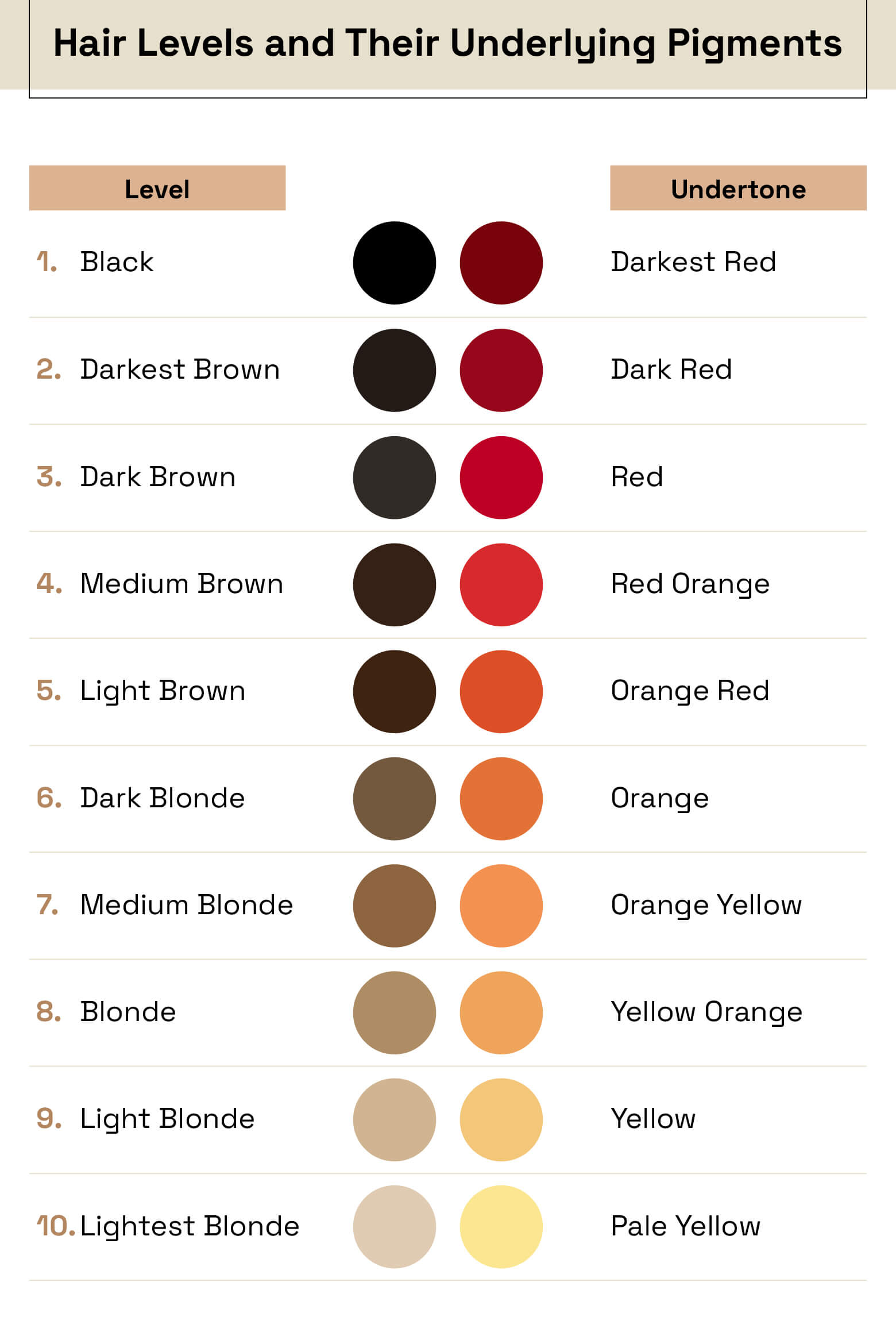
This level of tech integration allows for a “smart consultation.” Instead of a user guessing their level, the device utilizes edge computing to process the image locally, ensuring privacy and speed. The result is a highly accurate “Level Score” that can be synced with e-commerce platforms to recommend the exact chemical formulation required for the user’s desired outcome, reducing the margin of error that leads to damaged hair.
Smart Devices and IoT in Hair Analysis
Beyond the smartphone, the professional salon industry is being disrupted by Internet of Things (IoT) devices designed to provide a molecular-level look at hair health and color. These gadgets represent the “hard tech” side of the beauty industry.
Handheld Scanners and Molecular Analysis
Newer devices, such as the Schwarzkopf Professional SalonLab Analyzer, utilize near-infrared (NIR) spectroscopy. This technology doesn’t just look at the surface; it sends light waves into the hair shaft to measure inner hair structure and moisture levels.
By measuring how these light waves are absorbed or reflected by the inner cortex, the device provides a digital readout of the hair level and its structural integrity. This data is then sent via Bluetooth to a tablet, where an algorithm calculates the exact “color recipe” needed. This shift from “eyeballing” to “scanning” represents a significant leap in precision engineering within the beauty space.
Integration with Personal Health Ecosystems
We are seeing a trend where hair analysis technology is being integrated into broader health and wellness ecosystems. Smart mirrors, equipped with multispectral cameras, can track a user’s hair level over time.
For a tech-savvy consumer, this means their bathroom mirror can detect fading or changes in hair texture, suggesting specific treatments based on the detected Level. This data can be integrated into wearable tech apps, treating hair health as a metric similar to heart rate or sleep quality. The “level” becomes a data point in a holistic digital twin of the user’s physical self.
The Future of Beauty-Tech: Generative AI and Hyper-Personalization
The next frontier for the “What is my hair level” query is Generative AI. While current tech focuses on identifying what is, the future focuses on simulating what could be with surgical precision.
Predictive Modeling for Chemical Safety
One of the most exciting developments in hair-tech is predictive modeling. By inputting a user’s current hair level (e.g., Level 4) and their goal (e.g., Level 9), AI can run thousands of simulations to determine the most efficient chemical path.
This involves “physics-based rendering” where the AI calculates the likely degradation of the hair cuticle based on the starting level. Tech startups are currently developing “digital hair swatches” that can be subjected to virtual chemical tests. This allows stylists to see the outcome of a bleach application on a specific hair level before a single drop of product is used, drastically reducing the risk of chemical burns or hair breakage.
Data Privacy in the Era of Biometric Beauty
As hair level identification becomes more tech-reliant, it enters the realm of biometric data. A person’s hair—its level, texture, and DNA markers—is unique. The technology of the future must balance deep analysis with robust data security.
Leading tech firms in this space are implementing decentralized data storage and anonymized machine learning to ensure that while the “level” is identified, the user’s identity remains protected. As we move toward a world of “Hyper-Personalized Beauty,” the software used to answer “What is my hair level” will be as much about cybersecurity as it is about aesthetic accuracy.

Conclusion: The Precision of the Digital Level
The transition from manual hair level charts to AI-driven diagnostics marks a pivotal moment in beauty technology. By leveraging computer vision, AR, and spectroscopy, the industry has turned a subjective art form into a measurable science. Whether through a smartphone screen or a handheld molecular scanner, the question “What is my hair level?” is now the starting point for a complex digital workflow that ensures accuracy, safety, and personalization. As these technologies continue to evolve, the “level” of your hair will remain a vital piece of data in the ever-expanding intersection of technology and personal identity.
aViewFromTheCave is a participant in the Amazon Services LLC Associates Program, an affiliate advertising program designed to provide a means for sites to earn advertising fees by advertising and linking to Amazon.com. Amazon, the Amazon logo, AmazonSupply, and the AmazonSupply logo are trademarks of Amazon.com, Inc. or its affiliates. As an Amazon Associate we earn affiliate commissions from qualifying purchases.