
The quest for the perfect pair of glasses has long been a blend of art and science, often beginning with the fundamental question: “What is my face shape?” Traditionally, answering this involved standing before a mirror, perhaps armed with a measuring tape, and making an educated guess based on broad categories like “round,” “square,” or “oval.” While this method served its purpose, it often left individuals feeling uncertain, leading to countless try-ons and sometimes, regrettable purchases.
However, in an age defined by rapid technological advancement, the eyewear industry is undergoing a profound transformation. The guesswork is rapidly being replaced by precision, powered by sophisticated digital tools and intelligent algorithms. Today, determining your face shape and finding frames that perfectly complement your features is no longer a subjective exercise but an objective, data-driven process. This article delves into how cutting-edge technology, from AI and machine learning to augmented reality and advanced scanning systems, is revolutionizing the journey to finding your ideal glasses, making the experience more accurate, efficient, and enjoyable than ever before. We will explore the innovative tools at our disposal and offer insights into how to harness them for a truly personalized eyewear selection.
The Digital Revolution in Face Shape Identification
The manual method of face shape identification, reliant on visual assessment and rough measurements, often led to inconsistencies and personal biases. What one person perceived as a “heart” shape, another might classify as “triangle.” This subjectivity complicated the process of matching face shapes to recommended frame styles, which themselves often came with varying interpretations. The digital revolution has fundamentally altered this landscape, introducing an unprecedented level of accuracy and standardization.
AI and Machine Learning at the Core
At the heart of this transformation lies Artificial Intelligence (AI) and Machine Learning (ML). These powerful technologies enable computer systems to analyze and interpret complex data patterns, in this case, the intricate contours and proportions of the human face. AI algorithms are trained on vast datasets of diverse facial structures, learning to identify key facial landmarks such as the width of the forehead, cheekbones, jawline, and the length of the face. By processing thousands, even millions, of these images, the AI develops a robust understanding of what constitutes a “round,” “square,” “oval,” “heart,” “diamond,” or “oblong” face shape, among others.
When you use an AI-powered face shape analyzer, the system rapidly scans your facial features, performs precise measurements invisible to the human eye, and then cross-references these measurements against its learned patterns. This process ensures an objective and consistent determination of your face shape, eliminating human error and subjective interpretation. The efficiency gained is remarkable; what might take minutes of careful observation by a human is processed by AI in mere seconds, with far greater accuracy. Moreover, ML models continually improve their accuracy as they are exposed to more data, refining their ability to discern subtle differences and provide increasingly precise recommendations.
Augmented Reality (AR) for Virtual Try-Ons
Complementing the analytical power of AI is Augmented Reality (AR), a technology that overlays digital information onto the real world. In the context of eyewear, AR allows users to virtually “try on” countless pairs of glasses without ever physically touching them. Using a smartphone, tablet, or computer webcam, AR applications capture a live video feed of your face. Then, through sophisticated tracking algorithms, they precisely map a 3D model of glasses frames onto your face in real-time.
The benefits of AR virtual try-ons are manifold. Firstly, convenience is paramount; you can experiment with dozens of styles from the comfort of your home, at any time. Secondly, AR provides a remarkably realistic preview, showing how different frames look from various angles as you move your head. This goes beyond static images, allowing you to see how the frames interact with your facial expressions, lighting conditions, and even your hairstyle. Thirdly, it democratizes access to a wider range of styles, enabling users to explore options from diverse brands and designers that might not be physically available in local stores. This seamless integration of face shape identification and virtual try-on technology creates a truly immersive and highly effective shopping experience, empowering consumers to make informed decisions with confidence.
Essential Tech Tools for Determining Your Face Shape
The market is now rich with technological solutions designed to simplify the process of identifying your face shape and finding the perfect glasses. These tools range from readily accessible smartphone applications to sophisticated in-store scanning systems, each offering unique advantages.
Smartphone Apps and Online Platforms
The most widely accessible tools are smartphone applications and web-based platforms. Many leading eyewear brands, such as Warby Parker, Zenni Optical, and Ray-Ban, have developed proprietary apps that incorporate virtual try-on features powered by AR. These apps typically leverage your device’s front-facing camera to capture your face. Beyond simple try-ons, some apps integrate AI to first analyze your face shape and then provide curated recommendations for frames that are traditionally flattering for that specific shape.
Beyond brand-specific apps, there are also generic face analysis applications that focus solely on identifying your face shape. These often provide a detailed breakdown of your facial proportions and classify your face into one of the standard categories. Online platforms, accessible via a web browser, offer similar functionalities, using your computer’s webcam. These platforms often incorporate 3D scanning capabilities, where the software constructs a rough 3D model of your face by interpreting multiple angles from the webcam feed. This allows for a more accurate understanding of your facial topography than a simple 2D image analysis. The convenience of these tools means that with just a few taps or clicks, anyone can gain immediate insights into their facial structure and explore suitable eyewear styles.
Advanced Facial Scanning Gadgets and Kiosks
For those seeking an even higher level of precision and a more comprehensive analysis, advanced facial scanning gadgets and in-store kiosks represent the pinnacle of current technology. Found typically in modern optician offices or flagship eyewear stores, these dedicated devices utilize specialized sensors and high-resolution cameras to create an extremely accurate 3D model of your face.
These scanners don’t just identify basic face shape; they capture hundreds of precise measurements, including pupillary distance (PD), temple width, bridge height, facial asymmetry, and the curvature of your nose and cheekbones. This granular data allows for a level of customization and fit that traditional methods cannot match. Some systems can even simulate how different lens thicknesses or frame materials might look and feel. The 3D models generated are incredibly detailed, allowing you to rotate your virtual head and view frames from every conceivable angle. This technology is particularly beneficial for individuals with unique facial structures, or those requiring progressive lenses where precise measurements are critical for optical performance. The future might even see these advanced scanning capabilities integrated into home devices, like smart mirrors, further blurring the lines between professional consultation and at-home convenience.
A Step-by-Step Guide to Using Tech for Your Face Shape
Leveraging these advanced technologies effectively requires a small degree of preparation to ensure the most accurate results. By following a few simple steps, you can maximize the utility of AI and AR tools in your eyewear selection journey.
Preparing for a Digital Scan
Before diving into an app or online platform, a little preparation can significantly enhance the accuracy of the digital analysis. First, ensure you are in a well-lit environment. Natural, even lighting is ideal, as harsh shadows or dim conditions can distort your facial features and mislead the software’s algorithms. Avoid strong backlighting that could silhouette your face. Second, position yourself directly in front of your device’s camera at eye level. This ensures a straightforward, undistorted view of your face. Maintain a neutral facial expression – a slight smile is usually fine, but avoid exaggerated expressions that might alter your natural contours.
Third, pull your hair back away from your face. Bangs, sideburns, or hair covering your ears can obscure key facial landmarks that the AI needs to analyze for an accurate face shape determination. Similarly, remove any existing glasses, large earrings, or other accessories that might interfere with the scan. The goal is to present your face as clearly and naturally as possible to the technology. Some applications might even guide you with on-screen prompts, asking you to slowly turn your head or adjust your distance to capture multiple angles, further refining the 3D model of your face.
Interpreting AI-Generated Recommendations
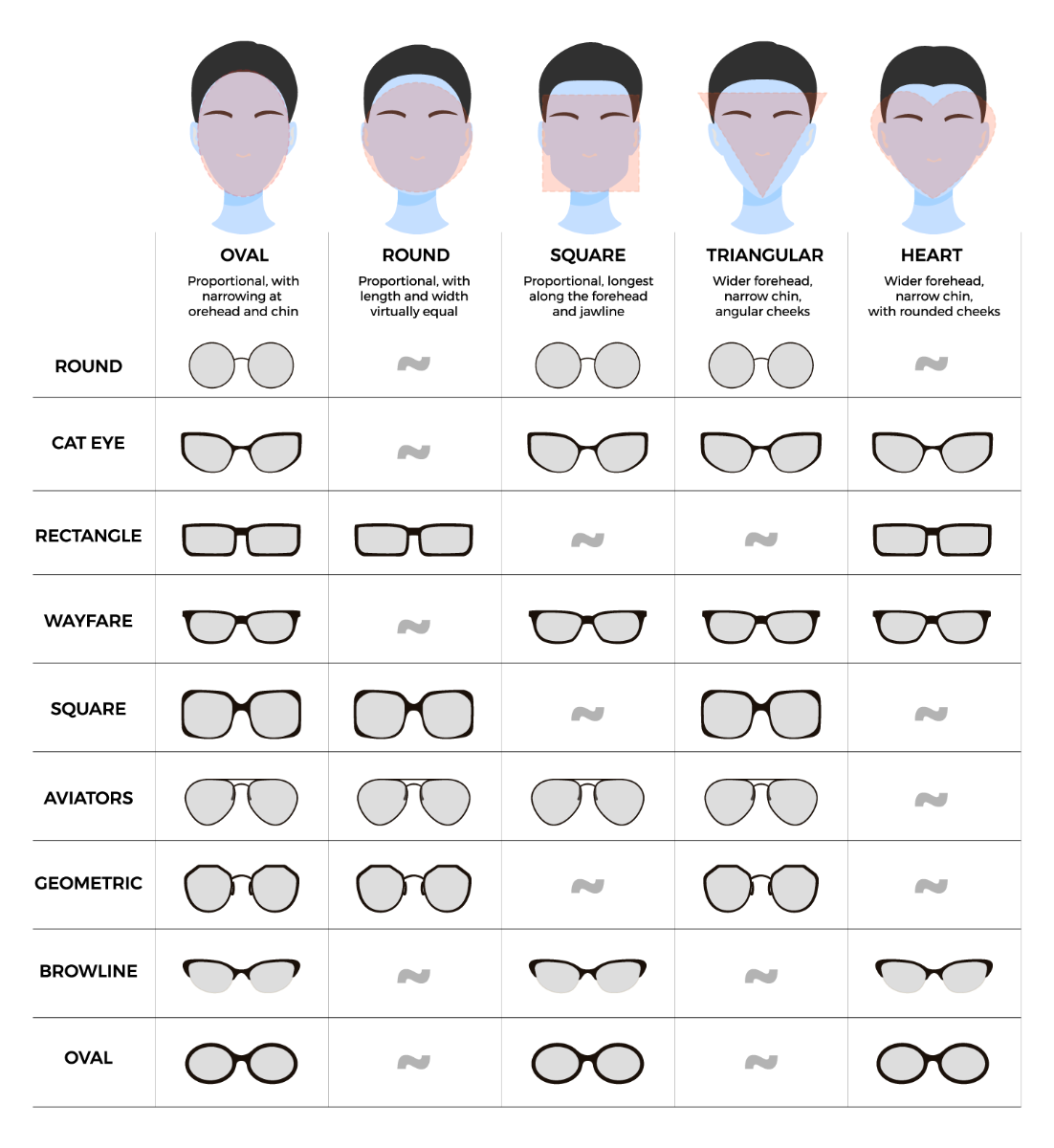
Once the technology has analyzed your face, it will typically provide a classification of your face shape (e.g., oval, square, round, heart). However, understanding what these classifications mean in terms of eyewear is crucial. AI algorithms are often programmed with extensive databases that correlate specific face shapes with particular frame styles known to be flattering.
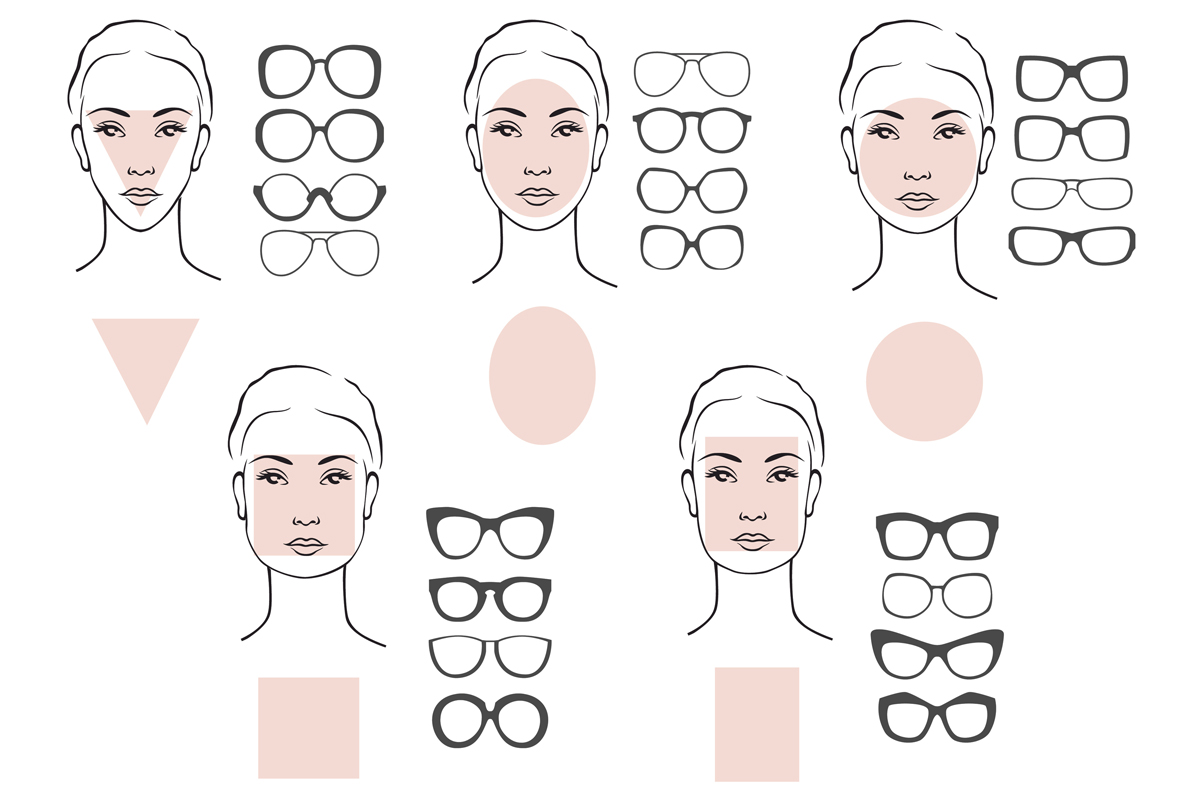
For instance, if the AI identifies your face as “round,” it will likely recommend angular or rectangular frames. The principle here is contrast: an angular frame adds definition and length to a rounder face, creating a balanced aesthetic. Conversely, for a “square” face with strong, defined angles, the AI might suggest rounder or oval frames to soften the facial features. A “heart-shaped” face, characterized by a wider forehead and a narrower chin, often benefits from frames that are wider at the bottom or have delicate detailing to balance the proportions. An “oval” face, considered versatile, might receive recommendations for a broad range of styles, from cat-eye to aviator, as its balanced proportions allow for more flexibility. It’s important to remember that these are guidelines based on established design principles. While AI provides an excellent starting point, personal preference, style, and comfort should always play a role in your final decision. The technology educates you on the “why” behind certain recommendations, empowering you to choose with confidence.
Beyond Face Shape: The Holistic Digital Eyewear Experience
The utility of technology in eyewear extends far beyond mere face shape identification. It is progressively evolving into a holistic ecosystem that supports every facet of the glasses selection and purchasing journey, delivering unparalleled personalization and convenience.
Personalization Algorithms and Style Suggestions
Modern eyewear platforms now employ sophisticated personalization algorithms that go significantly beyond basic face shape recommendations. These AI-driven systems learn from your interactions, preferences, and even your broader online footprint. For example, if you consistently click on minimalist designs or prefer specific color palettes during virtual try-ons, the algorithm will adapt its suggestions to align with your evolving taste. It can also integrate data points such as skin tone, hair color, and personal style indicated through surveys or even by analyzing your social media profiles (with consent).
This creates a “smart styling” experience where the AI acts as a virtual stylist, understanding not just what frames fit your face structurally, but also what frames resonate with your individual aesthetic. It can suggest frames that complement your wardrobe, enhance your natural coloring, or project a certain professional image. This level of personalized curation drastically reduces the overwhelming number of choices, presenting users with a highly refined selection that feels genuinely tailored. The result is a more efficient search, increased satisfaction, and a higher likelihood of finding frames that truly feel like an extension of your personality.
Integration with Online Purchase and Tele-Optometry
The digital eyewear experience seamlessly integrates the virtual try-on and recommendation phase with the actual purchasing process. Once you’ve found your desired frames, the platforms offer streamlined online ordering, often incorporating features like prescription uploads and digital measurements for critical metrics such as pupillary distance (PD). Many apps now use your smartphone camera to accurately measure your PD, eliminating the need for a separate visit to an optician for this specific measurement.
Furthermore, technology is bridging the gap between physical and virtual eye care through tele-optometry. Many online eyewear retailers and independent opticians now offer virtual consultations, allowing you to discuss your prescription, vision needs, and even receive fitting advice from a licensed professional via video call. This is particularly beneficial for rural populations or individuals with mobility challenges. Opticians can view your virtual try-ons in real-time, offer expert opinions on fit and style, and guide you through the process of selecting the correct lenses for your lifestyle. This comprehensive digital ecosystem ensures that from initial face shape analysis to final purchase and professional guidance, the entire eyewear journey is convenient, efficient, and deeply integrated.
The Future of Eyewear Technology
The current advancements in eyewear technology are merely a prelude to what promises to be an even more revolutionary future. The trajectory is towards hyper-personalization, seamless integration, and ultimately, frames that are not just accessories but intelligent extensions of ourselves.
Hyper-Personalization and Customization
Imagine eyewear that is not just recommended for your face shape, but designed specifically for your face. The future points towards 3D printing custom frames based on precise, high-resolution facial scans. This technology could allow for frames that perfectly match the contours of your nose bridge, the width of your temples, and even accommodate slight facial asymmetries, ensuring an unparalleled level of comfort and fit. AI will play a critical role here, moving beyond recommending existing styles to actively generating unique frame designs based on individual aesthetics, functional requirements, and even bio-feedback data related to comfort and pressure points. This means eyewear could be truly bespoke, created just for you, down to the millimeter.
Wearable Tech Integration and Smart Glasses
The line between traditional eyewear and smart devices is rapidly blurring. Future smart glasses will likely integrate advanced sensors and augmented reality displays that enhance daily life. Crucially, these smart glasses themselves could incorporate sophisticated face-shape analysis and fitting algorithms directly into their functionality. Imagine a pair of smart glasses that, upon initial setup, scans your face, suggests optimal fit adjustments, and even projects virtual styling options directly into your field of view.
Beyond fitting, future eyewear might monitor eye health, track gaze patterns for productivity analysis, or provide real-time AR information overlaid onto your vision. The technology that currently helps us choose frames could evolve to be embedded within the frames themselves, offering continuous personalized adjustments, health monitoring, and an even more immersive, data-rich experience. This convergence will transform glasses from a mere visual aid or fashion statement into a sophisticated, intelligent wearable device deeply integrated into our digital lives.
The days of guessing your face shape and hoping for the best when choosing glasses are quickly fading into the past. Technology has ushered in an era of precision, personalization, and unprecedented convenience. From AI algorithms that accurately determine your facial structure to augmented reality apps that let you virtually try on countless styles, the tools available today empower consumers to make confident and stylish choices. As we look ahead, the continuous evolution of tech promises an even more integrated, hyper-personalized, and intelligent eyewear experience, seamlessly blending science, style, and everyday functionality. Embracing these innovations is not just about finding a better pair of glasses; it’s about embracing a smarter, more confident way to see and be seen.
aViewFromTheCave is a participant in the Amazon Services LLC Associates Program, an affiliate advertising program designed to provide a means for sites to earn advertising fees by advertising and linking to Amazon.com. Amazon, the Amazon logo, AmazonSupply, and the AmazonSupply logo are trademarks of Amazon.com, Inc. or its affiliates. As an Amazon Associate we earn affiliate commissions from qualifying purchases.