
For the vast majority of households, a vehicle represents the second-largest financial commitment after a home. Yet, unlike a primary residence—which historically appreciates over time—a car is a rapidly depreciating asset. Understanding the answer to the question “What is my car’s value?” is not merely a matter of curiosity; it is a fundamental requirement for sound personal finance management. Whether you are looking to trade in for a newer model, sell privately to boost your investment portfolio, or simply calculate your current net worth, an accurate valuation is the cornerstone of a successful financial transition.

In the modern economic landscape, vehicle values are more volatile than ever before. Supply chain disruptions, the shift toward electric vehicles (EVs), and fluctuating interest rates have transformed the used car market into a complex financial environment. This guide explores the intricate mechanics of vehicle valuation from a professional financial perspective, providing you with the tools and insights needed to leverage your car’s worth effectively.
Understanding the Financial Impact of Car Valuation
To manage your finances effectively, you must view your vehicle through the lens of asset management. A car is essentially a “sinking fund” or a consumable asset that loses value the more it is utilized. Understanding how this value fluctuates allows you to make informed decisions about when to exit an investment (sell) and when to hold.
The Financial Concept of Depreciation
Depreciation is the difference between what you paid for your vehicle and what you can sell it for today. From a personal finance standpoint, it is the single largest cost of vehicle ownership, often exceeding the cost of fuel, insurance, or maintenance.
Most new vehicles lose approximately 20% of their value within the first year and roughly 60% of their value within the first five years. However, this is not a linear progression. By understanding the “depreciation curve,” you can identify the “sweet spot”—the moment where the cost of maintenance begins to outweigh the loss in value—allowing you to sell before the asset becomes a financial liability.
Equity vs. Negative Equity
Knowing your car’s value is critical if you have an outstanding auto loan. “Equity” is the difference between the car’s current market value and the remaining balance on your loan. If your car is worth $20,000 and you owe $15,000, you have $5,000 in positive equity that can be used as a down payment on a future purchase or diverted into other investments.
Conversely, “negative equity”—often referred to as being “underwater”—occurs when you owe more than the car is worth. This is a precarious financial position. If the car is totaled in an accident or if you are forced to sell, you will have to pay the lender the difference out of pocket. Regular valuation helps you track this balance and decide if you should make extra principal payments to reach a “break-even” point faster.
Key Factors Influencing the Market Value of Your Vehicle
While external market forces play a significant role, several specific variables dictate where your car falls on the valuation spectrum. In the world of personal finance, these variables are the “levers” you can control or monitor to protect your investment.
Mileage and Mechanical Condition
In the automotive market, mileage is the primary proxy for “remaining useful life.” High mileage typically signals to a buyer that expensive mechanical repairs (such as timing belts, transmissions, or battery pack replacements in EVs) are imminent. For every mile driven, a specific dollar amount is effectively deducted from the car’s value.
From a financial planning perspective, it is wise to calculate your “cost per mile.” If driving your current vehicle costs you $0.15 in depreciation for every mile added, you can better evaluate whether a long commute is economically viable. Furthermore, a documented history of preventative maintenance acts as an insurance policy for your car’s value, proving to potential buyers that the asset has been cared for and reducing the perceived risk of future failure.

Market Demand and Seasonality
Car values are not static; they are subject to the laws of supply and demand. For instance, four-wheel-drive SUVs and trucks often see a price premium in late autumn as winter approaches. Conversely, convertibles and sports cars peak in value during the spring.
Additionally, broader economic trends influence value. When fuel prices rise significantly, the market value of fuel-inefficient trucks may plummet, while the value of hybrids and small fuel-efficient sedans rises. Monitoring these trends allows you to time your sale to coincide with peak demand, potentially netting thousands of dollars more than you would during an off-season or a market downturn.
Essential Financial Tools for Determining Accurate Value
Determining the value of your car no longer requires guesswork or visits to multiple dealerships. A variety of sophisticated financial tools and platforms provide real-time data based on millions of transactions.
Valuation Platforms and Industry Standards
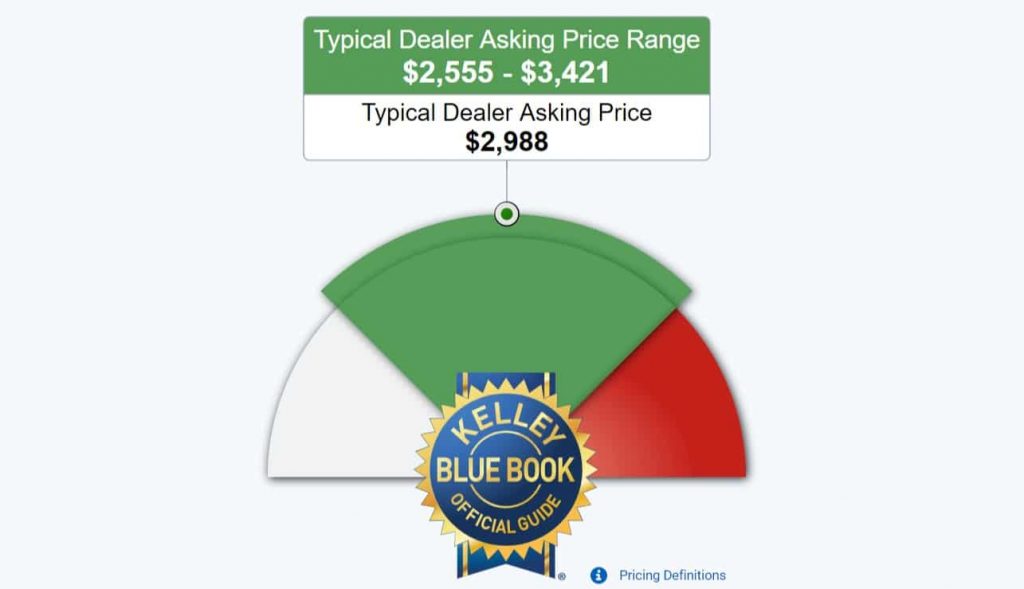
The three most recognized authorities in vehicle valuation are Kelley Blue Book (KBB), Edmunds, and NADAguides (J.D. Power). These platforms use proprietary algorithms to analyze dealer transactions, auction prices, and regional demand to provide a range of values.
When using these tools, it is vital to be objective about your vehicle’s condition. Most owners categorize their car as “Excellent,” but in reality, fewer than 5% of used cars truly meet that financial standard. Categorizing a “Good” car as “Excellent” can lead to an overestimation of your net worth by $1,000 to $3,000, which can skew your financial planning. Using these tools to find a “Trade-In Value” versus a “Private Party Value” will give you a realistic floor and ceiling for your expectations.
Comparing Private Party vs. Trade-In Value
There is a significant spread between what a dealer will give you (Trade-In) and what an individual buyer will pay (Private Party).
- Trade-In Value: This is essentially a wholesale price. The dealer must factor in their own overhead, reconditioning costs, and profit margin. The benefit here is convenience and potential tax advantages (in many states, you only pay sales tax on the difference between the new car price and the trade-in value).
- Private Party Value: This is closer to the true market value. By selling the car yourself, you capture the “margin” that the dealer would otherwise take. From a wealth-building perspective, the extra effort required to sell privately often results in a 10% to 20% higher return on the asset.
Strategies to Maximize Your Vehicle’s Resale Value
If you view your car as a financial asset, it follows that you should take active steps to preserve its value. Strategic maintenance and documentation can significantly minimize the impact of depreciation.
Maintenance Records as Financial Documentation
In any business transaction, transparency reduces risk. When you sell a car, you are the “seller,” and the buyer is the “investor.” Providing a comprehensive folder of maintenance receipts, oil changes, and tire rotations serves as “due diligence” material. It proves the car’s service history and justifies a higher asking price.
Digital tools and apps can help you track these expenses. By treating your car’s glove box like a corporate ledger, you distinguish your vehicle from the hundreds of other identical models on the market. A well-documented car can often command a premium of 5% to 10% over a vehicle with no service history, representing a high return on the time invested in record-keeping.
Strategic Timing for a Sale or Trade-In
The final component of managing your car’s value is knowing when to “liquidate” the asset. There are two critical thresholds to monitor:
- The Warranty Milestone: Cars typically see a sharp drop in value once the manufacturer’s warranty expires. Selling just before this milestone can be a savvy financial move, as the buyer still has the “peace of mind” of a factory warranty.
- The Major Repair Threshold: If a vehicle requires a repair that costs more than 50% of its total value, it is often more financially sound to sell the vehicle “as-is” or trade it in rather than sinking more capital into a diminishing asset.
By staying informed about your car’s current market value, you can make these decisions based on data rather than emotion. This proactive approach ensures that you are always in the strongest possible position, whether you are negotiating at a dealership or listing your car on a digital marketplace.
In conclusion, “What is my car’s value?” is a question that requires a multi-faceted answer. By understanding depreciation, monitoring market factors, utilizing professional valuation tools, and maintaining rigorous records, you transform your vehicle from a mysterious expense into a managed financial asset. This level of financial literacy ensures that when the time comes to move on to your next vehicle, you do so with the maximum amount of capital back in your pocket.
aViewFromTheCave is a participant in the Amazon Services LLC Associates Program, an affiliate advertising program designed to provide a means for sites to earn advertising fees by advertising and linking to Amazon.com. Amazon, the Amazon logo, AmazonSupply, and the AmazonSupply logo are trademarks of Amazon.com, Inc. or its affiliates. As an Amazon Associate we earn affiliate commissions from qualifying purchases.