
Determining the trade-in value of your car is a crucial step in the vehicle acquisition process, significantly impacting your personal finances and the overall cost of your next purchase. Unlike a private sale, a trade-in offers convenience but often comes with a lower valuation from dealerships. Understanding the multifaceted factors that influence this value, how to accurately research it, and strategies to maximize your offer can translate into thousands of dollars in savings or additional equity. This guide delves into the financial intricacies of car trade-ins, equipping you with the knowledge to make an informed, financially astute decision.

Understanding the Factors That Drive Trade-In Value
The worth of your vehicle for a trade-in is not arbitrary; it’s a dynamic figure influenced by a complex interplay of internal and external forces. Recognizing these drivers is the first step toward accurately assessing your car’s financial standing.
Vehicle Condition: The Primary Determinant
The physical and mechanical state of your car is paramount. Dealerships assess both aesthetics and functionality. Exterior elements like paint quality, dents, scratches, and tire wear are noted. Internally, the condition of upholstery, electronics, and overall cleanliness contributes significantly. Mechanically, a well-maintained engine, transmission, brakes, and suspension indicate a vehicle less likely to require immediate, costly repairs, making it more appealing and valuable to a dealer. A car with a history of regular maintenance, evidenced by service records, will command a higher valuation than one showing neglect.
Mileage: A Clear Indicator of Wear
Mileage is often seen as a direct proxy for wear and tear. While modern cars are built to last longer, higher mileage typically translates to a lower trade-in value, as it suggests more components are nearing the end of their lifespan. There are general thresholds where value drops significantly, often around 60,000, 100,000, and 150,000 miles, although this can vary by make and model. Exceptionally low mileage for an older car can sometimes be a red flag, prompting questions about its history or prolonged disuse.
Make, Model, and Trim: Market Demand and Desirability
The inherent desirability of your car’s make, model, and specific trim level plays a significant role. Certain brands and models hold their value better due to reputation for reliability, fuel efficiency, safety, or luxury. Popular models, especially those with high demand in the used car market, will naturally fetch a better trade-in price. Niche vehicles, or those with less market appeal, may see steeper depreciation. The specific trim level, which includes engine size, drivetrain (e.g., AWD vs. FWD), and standard features, differentiates models and impacts their market value.
Optional Features and Aftermarket Additions
Factory-installed options like sunroofs, premium sound systems, navigation, advanced driver-assistance systems, and leather seats can enhance trade-in value, particularly if they are in demand. However, excessively customized or aftermarket modifications, especially those not widely appealing, can sometimes detract from value. Dealers often prefer vehicles in their original, factory-standard configuration, as it appeals to a broader range of buyers.
Vehicle History Report: Transparency and Trust
A clean vehicle history report from services like CarFax or AutoCheck is critical. Reports revealing accidents (especially major ones), flood damage, salvage titles, or consistent maintenance lapses will significantly depress trade-in value. Conversely, a history free of incidents, coupled with documented regular servicing, builds trust and supports a higher valuation. Dealers rely on these reports to assess risk and future resale potential.
Location and Market Conditions
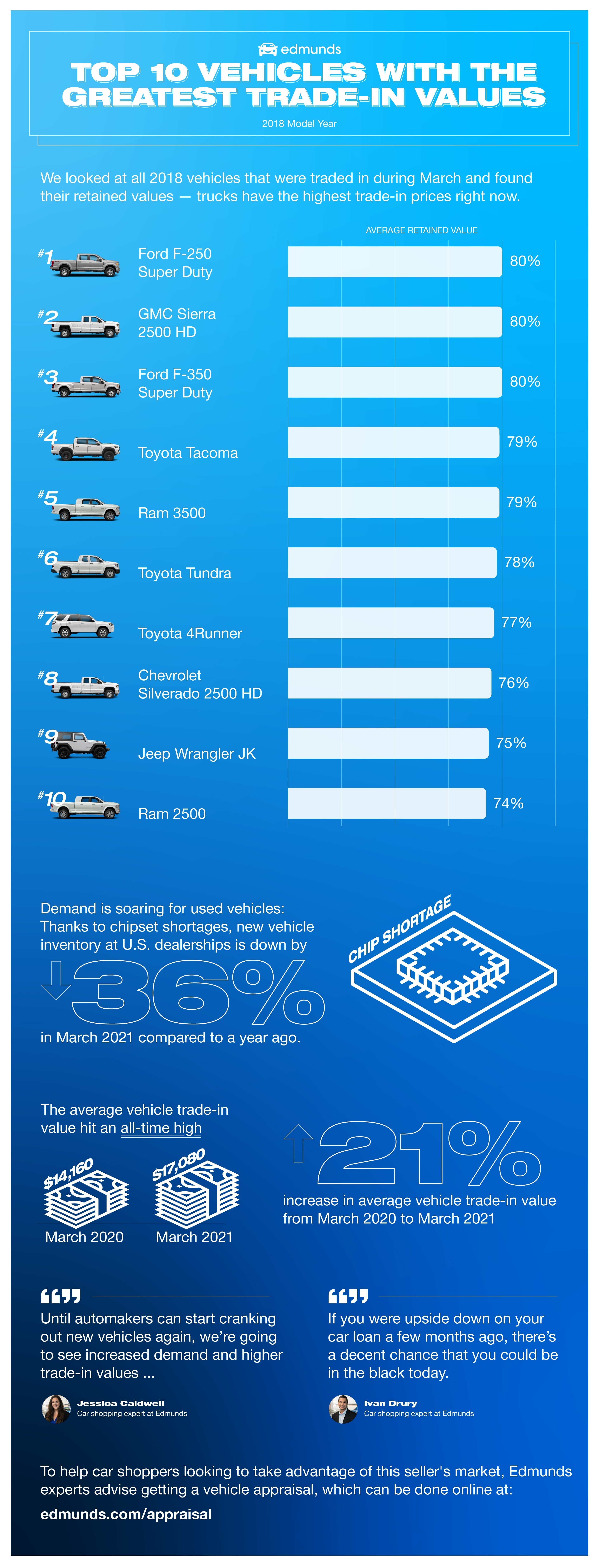
The geographical location where you’re trading in your vehicle can influence its value. Demand for certain vehicle types varies by region (e.g., SUVs and trucks in rural areas, compact cars in urban centers). Broader economic conditions, fuel prices, and the current supply-demand balance in the used car market (e.g., during chip shortages) also impact trade-in values. A strong used car market generally means better trade-in offers.
How to Research Your Car’s Trade-In Value Accurately
Before stepping onto a dealership lot, comprehensive research is your most potent financial tool. Arming yourself with objective valuation data empowers you to negotiate effectively and recognize a fair offer.
Utilizing Online Valuation Tools
Several reputable online platforms provide estimated vehicle values. These tools use vast datasets of recent sales, market trends, and your car’s specific details to generate an estimate.
- Kelley Blue Book (KBB): Offers “Instant Cash Offer” (for a direct sale to a participating dealer) and private party/trade-in values. It’s widely recognized and a good starting point.
- Edmunds: Provides a True Market Value (TMV) which aims to reflect what others in your area have paid for similar vehicles.
- NADAguides (National Automobile Dealers Association): Often used by dealerships and lenders, it typically provides a slightly higher valuation than KBB, serving as a good reference for the dealer’s perspective.
- CarMax: Provides immediate cash offers that can also serve as a benchmark for trade-in value, as they are often competitive.
When using these tools, be meticulous in entering your vehicle’s exact trim, options, mileage, and most importantly, an honest assessment of its condition. Overstating condition will lead to an inflated, unrealistic expectation.
Comparing Multiple Sources for a Comprehensive Estimate
Relying on a single valuation source can be misleading. Each platform uses slightly different methodologies and data pools. By consulting at least two to three different tools, you can establish a robust range for your car’s trade-in value. If one source gives a significantly higher or lower figure, it warrants further investigation. The true value often lies in the intersection of these estimates, giving you a defensible position during negotiations.
Consulting Dealerships for Initial Offers (with Caution)
While your ultimate goal is a trade-in offer, getting a “no-obligation” appraisal from one or two different dealerships before you’re ready to buy can be insightful. This provides a real-world offer based on their current inventory needs and market assessment. However, approach these initial offers with caution; they are starting points, not final figures, and dealers know you’re just “shopping around.” Be wary of highball offers that might be later reduced or tied to inflated new car prices.
Understanding the Difference Between Trade-In and Private Sale Value
It’s critical to understand that a trade-in value will almost always be lower than the price you could achieve through a private sale. This difference represents the convenience fee you pay for letting the dealership handle the marketing, financing, and paperwork. Dealerships need to acquire your car at a price that allows them to recondition it, market it, and make a profit on its resale. If your financial priority is maximizing every dollar, a private sale typically yields a higher return, though it demands more time, effort, and potential risk.
Strategies to Maximize Your Trade-In Offer
While convenience is a major draw for trading in, you don’t have to leave money on the table. Strategic preparation and negotiation can significantly improve your financial outcome.
Pre-Sale Preparation: Cleaning and Minor Repairs
A clean, well-presented car makes a stronger first impression and signals to the dealer that the vehicle has been cared for. Invest in a thorough detail, both interior and exterior. Remove all personal belongings. Fix minor cosmetic issues like small scratches, dings, or replacing a cracked headlight bulb. Address any outstanding recall notices. However, avoid major repairs that exceed the potential increase in trade-in value. For instance, replacing an entire transmission often won’t yield a dollar-for-dollar return on a trade-in. Focus on cost-effective improvements that enhance curb appeal and eliminate obvious flaws.
Gathering Essential Documentation
Having all necessary paperwork organized and accessible demonstrates transparency and preparedness. This includes:
- Vehicle Title/Pink Slip: Crucial for transferring ownership. Ensure it’s clear of liens or that you have the payoff amount from your lender.
- Service Records: Detailed maintenance history can prove the car has been well-maintained, adding significant value.
- Owner’s Manual: Suggests care and completeness.
- Keys and Fobs: All original sets. Missing keys can be a costly deduction.
- Vehicle History Report (if you purchased one): Proactively presenting a clean report can streamline the appraisal process.
Negotiating Effectively at the Dealership
Treat the trade-in negotiation as a separate transaction from the new car purchase, if possible. First, agree on the price of the new vehicle. Only then introduce your trade-in. This prevents dealers from manipulating figures by giving you a seemingly good trade-in offer while inflating the new car price. Be firm, armed with your research, and willing to walk away if the offer is too low. If multiple dealers are involved, leverage competing offers to drive up the price. Highlight your car’s strengths, such as low mileage, excellent condition, or desirable features.
Considering the Tax Implications of a Trade-In
In many states, trading in your vehicle can result in significant tax savings. The value of your trade-in is often deducted from the new car’s purchase price before sales tax is calculated. For example, if you buy a $40,000 car and trade in your old one for $10,000, you only pay sales tax on $30,000, not the full $40,000. This tax advantage can sometimes make a trade-in more financially appealing than a private sale, even if the private sale technically fetches a higher gross amount. Always check your local and state tax laws regarding trade-ins.
When is Trading In the Right Financial Move?
The decision to trade in or sell privately hinges on a careful cost-benefit analysis of convenience versus potential profit.
Convenience vs. Potential Profit
Trading in offers unparalleled convenience. You drive your old car to the dealership, drive away in a new one, and the dealer handles all the paperwork, title transfers, and reconditioning. There are no strangers coming to your house, no endless inquiries, no haggling over minor defects, and no risk of bad checks. For individuals short on time, uncomfortable with sales, or prioritizing ease, the convenience often outweighs the reduced financial return compared to a private sale.
Comparing Trade-In to Private Sale Logistics and Returns
If maximizing profit is your primary goal and you’re comfortable with the process, a private sale will almost always yield more cash. However, consider the “hidden costs” of a private sale:
- Time and Effort: Creating listings, responding to inquiries, scheduling test drives, and negotiating.
- Marketing Costs: Potentially paying for online listings or classifieds.
- Reconditioning Costs: You might need to invest more in detailing and repairs to attract private buyers.
- Safety and Security: Dealing with unknown individuals and ensuring secure payment.
- No Tax Advantage: The full sales tax on your new vehicle purchase would apply.
Weighing these logistical burdens and their associated monetary or time costs against the expected higher sale price will determine if a private sale is truly more profitable for your specific situation.

Leveraging a Trade-In for a Better New Car Deal
Sometimes, a dealership might be willing to offer a slightly better trade-in value to close a new car deal, especially if they are trying to meet sales targets or if your trade-in is a model they know they can quickly resell. This is where the separation of trade-in and new car price negotiations is crucial. A dealership might have more flexibility on one component of the deal than the other. Understanding their incentives and your car’s market value gives you leverage to push for the best overall package. The interplay between the trade-in value, the new car price, and any potential financing offers forms a holistic financial decision that requires careful calculation.
aViewFromTheCave is a participant in the Amazon Services LLC Associates Program, an affiliate advertising program designed to provide a means for sites to earn advertising fees by advertising and linking to Amazon.com. Amazon, the Amazon logo, AmazonSupply, and the AmazonSupply logo are trademarks of Amazon.com, Inc. or its affiliates. As an Amazon Associate we earn affiliate commissions from qualifying purchases.