
Determining the trade-in value of your vehicle is more than just a casual inquiry; it is a critical step in professional personal finance management. For most individuals, a vehicle represents one of the largest line items on their personal balance sheet, second only to real estate. Understanding the precise liquidity of this asset allows you to make informed decisions regarding your net worth, your monthly cash flow, and your long-term investment strategies. When you ask, “What is my car trade-in value?” you are essentially performing a valuation of a depreciating asset to optimize your next capital expenditure.
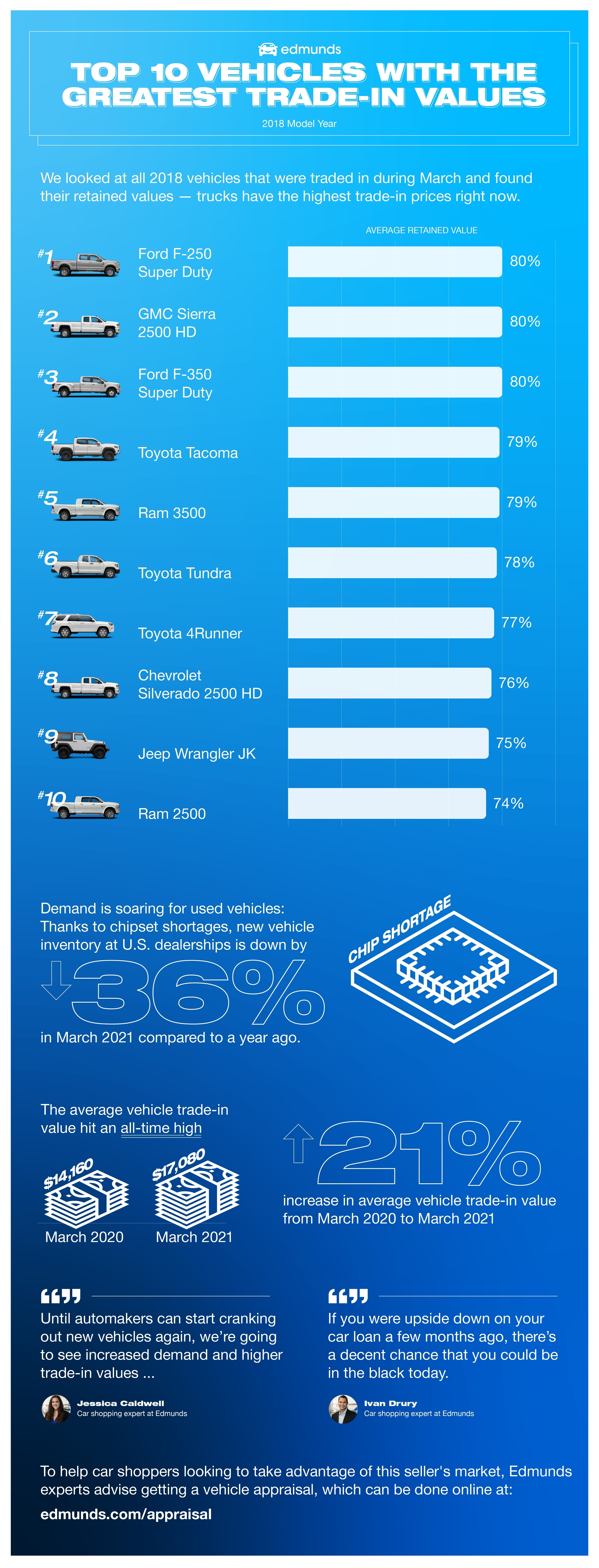
Understanding Trade-In Value vs. Market Value
The first step in financial literacy regarding automotive assets is distinguishing between various types of valuation. Many consumers confuse “market value” with “trade-in value,” leading to unrealistic expectations during negotiations.
The Financial Mechanics of Depreciation
Depreciation is the primary factor influencing your car’s value. From a financial perspective, a vehicle is a “wasting asset.” Most cars lose 15% to 20% of their value in the first year, and roughly 10% to 15% every year thereafter. Trade-in value is the wholesale price a dealership is willing to pay to acquire your asset. Because the dealer must account for reconditioning costs, storage, and a profit margin upon resale, the trade-in value will invariably be lower than the private party or retail value.
Factors Influencing Appraisal
Dealerships use a combination of algorithmic tools and physical inspections to arrive at a figure. Key variables include:
-
Mileage: High mileage suggests a shorter remaining useful life, increasing the rate of depreciation.
-
Market Demand: Local economic factors play a role. A fuel-efficient hybrid may command a premium in urban areas with high gas prices, while a four-wheel-drive truck may hold more value in rural or snowy climates.
-
Condition: This includes mechanical integrity and cosmetic appeal. A vehicle with a documented service history is viewed as a lower-risk investment for the dealer.
How to Calculate Your Vehicle’s Equity
To understand your true financial position, you must calculate your vehicle’s equity. Equity is the difference between the current trade-in value of the car and the remaining balance on any associated automotive loan.
The Role of Digital Valuation Tools
In the modern financial landscape, data is your greatest ally. Tools such as Kelley Blue Book (KBB), Edmunds, and NADA Guides provide benchmark data based on thousands of regional transactions. To get an accurate figure, you should aggregate data from multiple sources. These platforms provide a “range” rather than a single number, which serves as your baseline for negotiation. When utilizing these tools, be conservative regarding the vehicle’s condition; most cars fall into the “Good” category rather than “Excellent.”
Negative Equity and the “Underwater” Loan Challenge
A critical risk in personal finance is “negative equity,” often referred to as being “underwater.” This occurs when the trade-in value of the car is less than the amount owed to the lender. If your car is worth $15,000 but your loan balance is $18,000, you have $3,000 in negative equity.
When trading in a vehicle with negative equity, the “gap” is often rolled into the new loan. From a wealth-building perspective, this is a dangerous cycle. It increases the principal of the new loan, leading to higher interest payments and a longer period before you reach positive equity in the new asset. Understanding your trade-in value early allows you to decide whether to pay down the principal or wait until the market aligns with your loan balance.
Maximizing Your ROI: Strategies for a Higher Valuation
If you view your car as a financial asset, it follows that you should take steps to maximize the Return on Investment (ROI) when it comes time to liquidate. A few strategic moves can significantly swing the appraisal in your favor.
Maintenance Records as Financial Assets
In the eyes of a professional appraiser, a stack of organized maintenance records is as valuable as the hardware itself. Proof of regular oil changes, brake replacements, and tire rotations signals that the vehicle has been “de-risked.” When a dealer knows they won’t have to spend thousands on deferred maintenance to get the car “front-line ready,” they can offer a higher trade-in price.

Cosmetic Refurbishment and ROI
Before seeking an appraisal, consider the “curb appeal” of the vehicle. Professional detailing can cost between $200 and $400 but can often increase a trade-in offer by $1,000 or more. This is a clear example of a high-ROI financial move. Addressing minor dents or replacing worn tires can also prevent a dealer from “nickel-and-diming” the offer based on visible flaws.
The Tax Advantages of Trading In Your Vehicle
One of the most overlooked aspects of car trade-in value is the associated tax benefit. In many jurisdictions, trading in a vehicle can provide a significant “tax shield” that is not available in a private sale.
Sales Tax Credit Explained
In many U.S. states and various international regions, you only pay sales tax on the “net price” of the new vehicle—the purchase price minus the trade-in value. For example, if you are buying a new car for $40,000 and your trade-in is valued at $20,000, you only pay sales tax on the remaining $20,000.
If your local sales tax rate is 8%, this trade-in provides an immediate tax savings of $1,600 ($20,000 x 0.08). When comparing a dealer’s trade-in offer to a potentially higher private sale price, you must factor in this tax credit. A private buyer might offer you $21,000, but because you lose the $1,600 tax credit, the “net” gain of the private sale is actually lower than the dealer’s $20,000 offer.
Comparing Trade-In Net Gain vs. Private Sale Gross Profit
While a private sale generally yields a higher gross sale price, it carries “soft costs” and risks. These include the time spent listing the vehicle, the liability of test drives with strangers, and the potential for fraud. From a business-finance perspective, the trade-in is a “frictionless transaction.” The time saved and the tax credits earned often make the trade-in the superior financial choice for high-income professionals whose time is valued at a premium.
Leveraging Your Trade-In for Better Financing Terms
Your car’s trade-in value acts as a down payment, which significantly alters the geometry of your new auto loan.
Impact on Loan-to-Value (LTV) Ratios
Lenders use the Loan-to-Value (LTV) ratio to determine the risk level of a loan. A higher trade-in value reduces the amount you need to borrow, thereby lowering the LTV. A lower LTV often qualifies you for “tier-one” interest rates. Over the life of a five-year loan, a 2% reduction in your interest rate can save you thousands of dollars in interest expense, further protecting your personal cash flow.
Lowering Monthly Payments through Down Payment Credits
By applying the trade-in value directly to the purchase, you reduce the principal of the new loan. This has a dual benefit: it lowers your monthly debt obligation (improving your debt-to-income ratio for other loans, like mortgages) and ensures you reach a “break-even” point on the new car much sooner.
In a volatile economy, maintaining a low debt-to-income ratio is a pillar of financial security. Using your trade-in value effectively is not just about getting a new car; it is about managing your total debt load with precision.

Conclusion: The Value of Information
When you ask “What is my car trade-in value?”, you are engaging in an essential exercise in asset management. By understanding the nuances of depreciation, calculating your equity accurately, and factoring in the substantial tax benefits of a trade-in, you transform a simple transaction into a strategic financial move.
The goal is to move away from emotional decision-making and toward a data-driven approach. Whether you are looking to lower your monthly expenses or upgrade to a more reliable asset, knowing the exact value of your current vehicle is the leverage you need to ensure your personal finances remain on an upward trajectory. Treating your vehicle as a component of your broader investment portfolio allows you to navigate the automotive market with the confidence of a seasoned financial strategist.
aViewFromTheCave is a participant in the Amazon Services LLC Associates Program, an affiliate advertising program designed to provide a means for sites to earn advertising fees by advertising and linking to Amazon.com. Amazon, the Amazon logo, AmazonSupply, and the AmazonSupply logo are trademarks of Amazon.com, Inc. or its affiliates. As an Amazon Associate we earn affiliate commissions from qualifying purchases.